Federal Reserve Rate Decisions Loom Large Over Florida's Housing Market and Household Budgets
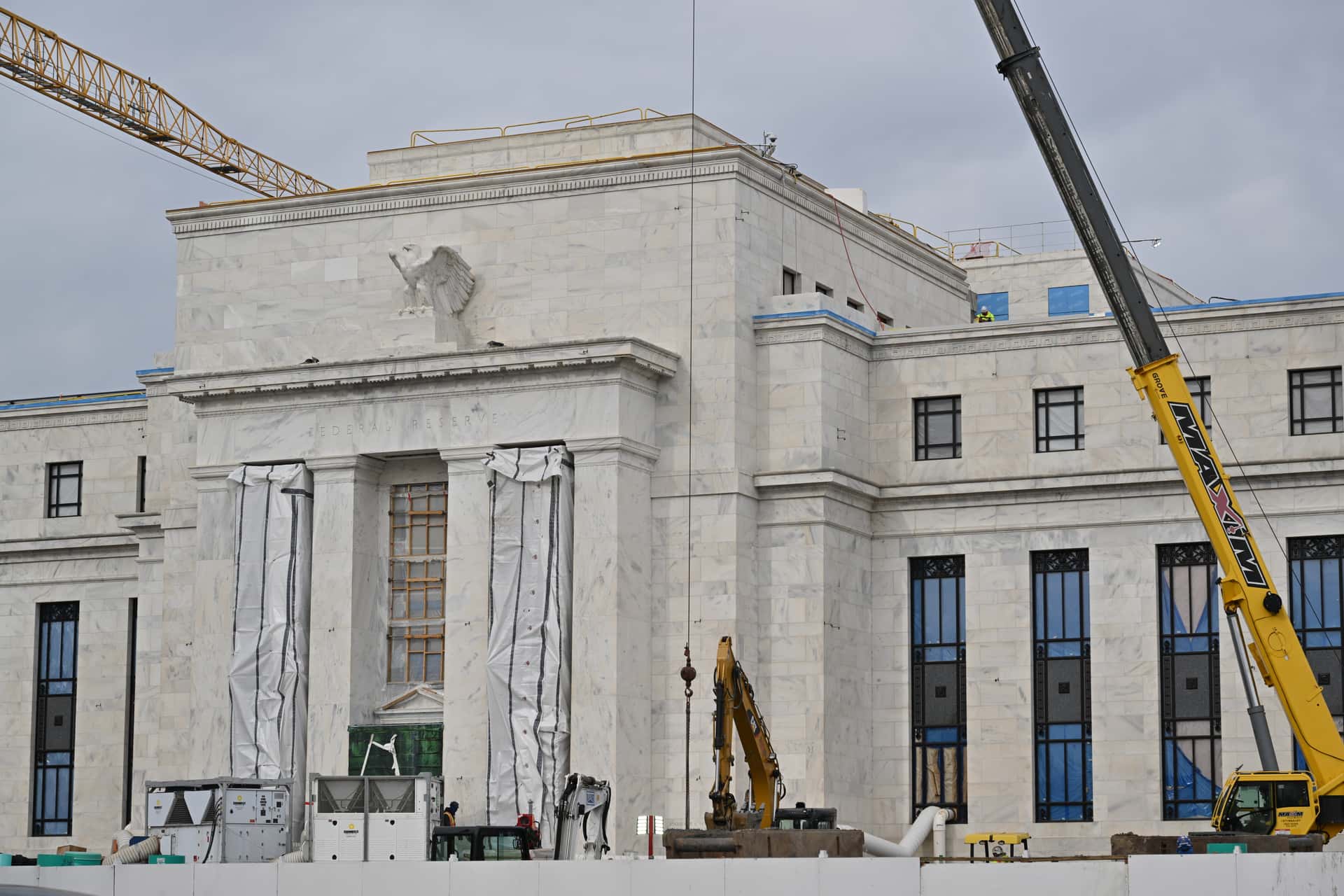
For Floridians trying to buy a home, sell one, or simply manage their household budgets, some of the most consequential decisions are made not in Tallahassee but in Washington, by the Federal Reserve. The central bank's stance on interest rates ripples through mortgage costs, borrowing, and the broader economy, and its decisions carry outsized weight for a Florida housing market that has been searching for stability after years of dramatic swings.
The connection between Federal Reserve policy and the price of a Florida home is indirect but powerful. The Fed does not set mortgage rates directly, but its actions influence the broader interest rate environment that shapes them. When borrowing costs rise or fall, the effects flow through to monthly mortgage payments, affordability, and the decisions of buyers and sellers across the state.
How the Fed shapes mortgage rates
The Federal Reserve influences interest rates throughout the economy through its monetary policy decisions, which affect the cost of borrowing for everything from credit cards to business loans to mortgages. While mortgage rates are determined by a range of factors, including the bond market and lenders' assessments of risk, the Fed's policy stance is a major influence on the overall direction of rates.
When the Fed signals a tighter policy to combat inflation, borrowing costs tend to rise, pushing mortgage rates higher. When it eases, rates tend to fall. Those movements directly affect the monthly payment a homebuyer faces, because the interest rate on a mortgage determines a large share of the cost of financing a home over the life of the loan. Even modest changes in rates can translate into meaningful differences in monthly payments.
For prospective buyers, the level of mortgage rates can be the difference between affording a home and being priced out. Higher rates raise monthly payments even if home prices hold steady, shrinking the pool of homes a buyer can afford. That dynamic makes the Fed's decisions a central concern for anyone navigating the housing market, in Florida and across the country.
The Florida housing context
Florida's housing market has been through a remarkable period, with prices surging during the pandemic era and then downshifting as rates climbed and the migration boom cooled. The latest data shows a market at an inflection point, with prices edging up modestly, sales recovering, and inventory remaining tight. Where the market heads next depends heavily on the path of interest rates.
Affordability is the central challenge. Even with slower price growth, Florida home prices remain well above where they stood a few years ago, and the cost of mortgages, insurance, and property taxes adds up to a significant burden. The Fed's influence on mortgage rates is therefore directly tied to whether homeownership remains within reach for Florida families.
The state's continued population growth supports demand, but high borrowing costs can dampen it, creating tension in the market. Florida draws new residents with its lack of a state income tax, its climate, and its job opportunities, but those newcomers still face the same mortgage math as everyone else. The interplay of strong demand and high financing costs shapes the market's behavior.
Beyond housing
The Fed's decisions affect more than mortgages. Interest rates influence the cost of borrowing across the economy, from car loans to credit cards to business financing. For Florida households, higher rates can mean higher costs on a range of debts, squeezing budgets already stretched by the cost of living in the state. The central bank's stance touches many corners of family finances.
For businesses, the cost of borrowing affects investment and expansion decisions. Florida's economy, with its mix of tourism, real estate, health care, and other sectors, depends on businesses' ability to finance growth. When borrowing costs are high, businesses may pull back on investment and hiring, with consequences for the broader economy and the job market that Floridians depend on.
The Fed also influences the savings side of the ledger. Higher rates can mean better returns on savings accounts and other safe investments, which benefits savers, including retirees who rely on income from their savings. Florida's large retiree population has a particular stake in that dynamic, as the returns on their savings affect their financial security.
Why it matters for Floridians
For Florida homebuyers, the Fed's decisions can determine whether they can afford to enter the market and what kind of home they can buy. The level of mortgage rates shapes their purchasing power, and changes in rates can quickly alter the calculus of a home purchase. Buyers watch rate movements closely as they plan their decisions.
For sellers, the rate environment affects the pool of buyers who can afford their homes. When rates are high, fewer buyers can qualify or afford a given price, which can lengthen the time homes sit on the market and pressure prices. Sellers' fortunes are thus tied indirectly to the Fed's stance, which shapes the demand side of the market.
For current homeowners, the rate environment affects decisions about refinancing, moving, and tapping home equity. Those who locked in low rates in the past may be reluctant to move and give up their favorable financing, a dynamic that can keep inventory tight. The Fed's influence on rates thus shapes the behavior of buyers, sellers, and existing owners alike.
The broader economic picture
The Fed's decisions are made with the goal of balancing inflation and employment across the national economy, and Florida is affected as part of that larger picture. The central bank weighs a range of economic data in setting policy, and its choices reflect its assessment of the economy's health and the risks it faces. Those national decisions then play out in local markets like Florida's.
Florida's economy, while large and diverse, is not immune to national trends, and the Fed's policy is one of the most important national forces shaping it. The state's housing market, its job market, and its households all feel the effects of monetary policy, even though the decisions are made far from Florida and with the entire national economy in view.
The challenge for the Fed is calibrating policy to support the economy without letting inflation run too high, a balancing act that has direct consequences for Florida. The path the central bank chooses, whether toward tighter or easier policy, will shape the environment that Florida's housing market and households navigate in the months ahead.
What's next
The Fed will continue to make policy decisions based on incoming economic data, and the direction of rates will shape Florida's housing market and broader economy. Buyers, sellers, and homeowners will be watching closely, as the central bank's choices influence the affordability and behavior of the market they are navigating.
For Florida's housing market specifically, the path of mortgage rates will be a key factor in whether the market stabilizes or softens in the second half of the year. Combined with the state's other housing pressures, including insurance and tax costs, the rate environment will help determine the affordability of homeownership for Florida families.
For now, Floridians navigating the housing market and managing their finances would do well to keep an eye on Washington, where the Federal Reserve's decisions will continue to shape the cost of borrowing and the broader economic environment. In a state where housing affordability is a defining concern, the central bank's influence is one of the most important forces at work, even if it operates from a thousand miles away.
Spotted an issue with this article?
Have something to say about this story?
Write a letter to the editor