Five Accused in $12.5 Million West Palm Beach Workers' Comp Fraud Ring
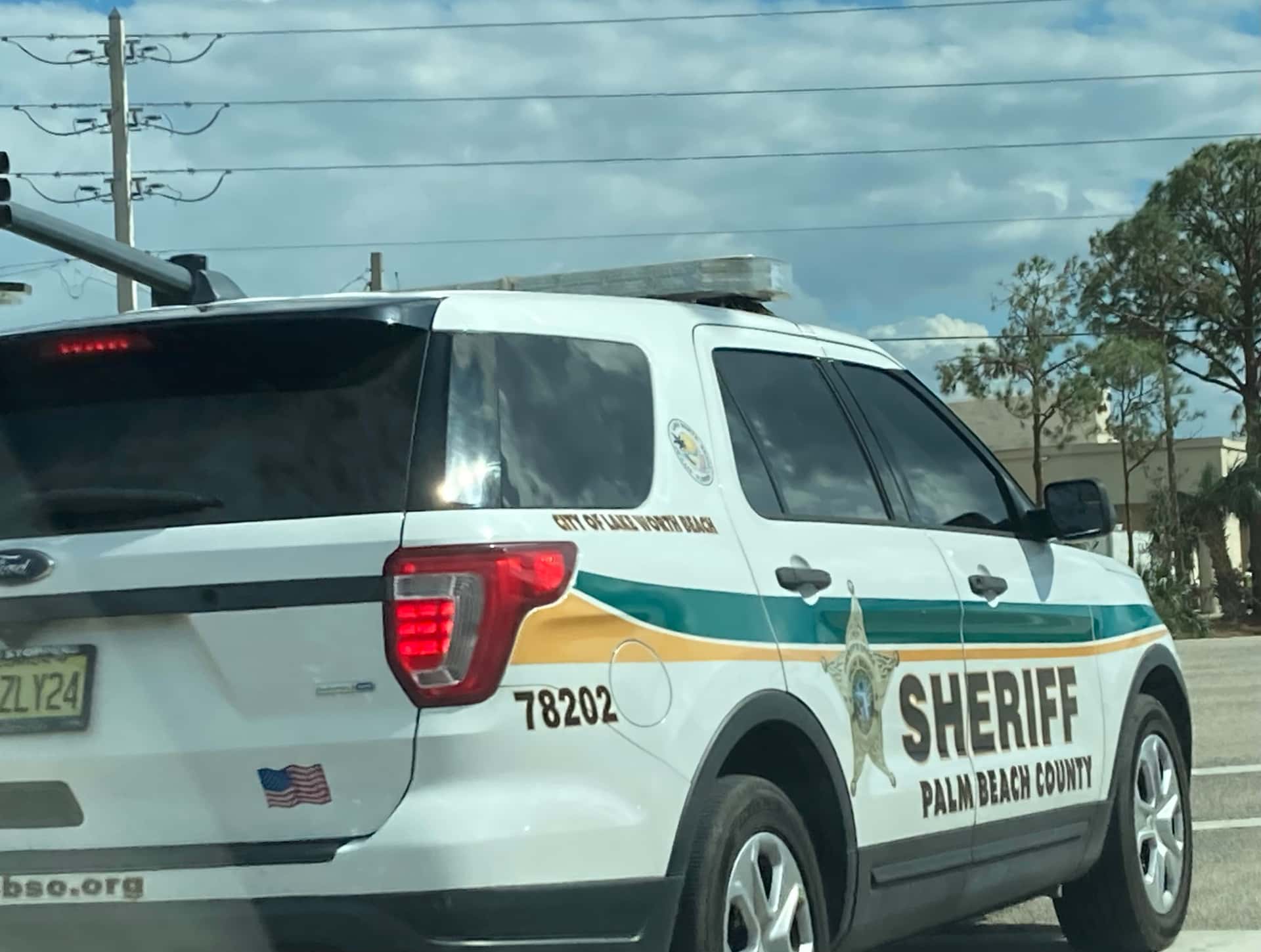
Investigators in South Florida say they have dismantled a sprawling, family-run fraud operation that hid more than $12.5 million behind a West Palm Beach storefront, arresting several people accused of running a workers' compensation and money laundering scheme through a network of shell companies. Authorities from the Broward Sheriff's Office Money Laundering Task Force and the Palm Beach County Sheriff's Office announced the charges following an investigation into the operation.
Detectives allege the scheme was headquartered at a paralegal services business on South Military Trail in West Palm Beach, which they describe as a front for the entire operation. The accused ringleader and several others face multiple felony counts, though all are presumed innocent unless and until convicted in court.
The case offers a window into a category of insurance fraud that investigators say costs Florida's economy heavily, exploiting gaps in the state's workers' compensation system to launder large sums while evading the taxes and insurance obligations that legitimate businesses carry.
What investigators allege
According to authorities, the operation was led by a 36-year-old West Palm Beach woman identified as Marlen Suazo Gutierrez, whom detectives named as the head of the scheme. Investigators say the group used a network of fake shell companies to run a workers' compensation and money laundering operation that handled more than $12.5 million in hidden cash.
The business at the center of the case, a paralegal services storefront, served as the physical headquarters and front for the operation, according to detectives. From that location, authorities allege, the group orchestrated a scheme that moved millions of dollars while presenting a legitimate appearance to the outside world.
Gutierrez was booked on counts including organized scheme to defraud of more than $50,000, multiple counts of workers' compensation fraud exceeding $100,000, and multiple counts of operating an unauthorized money service business exceeding $100,000. The charges reflect the scale investigators attribute to the operation. Under Florida law, those accused are entitled to the presumption of innocence.
How the alleged scheme worked
At the core of the case is a practice investigators call certificate renting, which authorities say exploits the way Florida's insurance laws work. Detectives allege that beginning several years ago, the suspects bought bare-minimum insurance policies, sometimes called ghost policies, by telling officials they employed only a small number of office workers.
Those minimal policies, according to the allegations, were then effectively rented out to construction crews and workers who lacked their own coverage, allowing large workforces to appear insured under a policy written for a handful of employees. The arrangement, investigators say, let contractors sidestep the far higher cost of properly insuring their crews while the operators profited from the arrangement.
The money side of the operation allegedly involved cashing large volumes of payroll checks and moving cash through the shell companies. Authorities say the structure allowed the group to launder millions while obscuring the true scale of the workforce and the payments flowing through the network. Investigators describe the setup as sophisticated and deliberately concealed.
The others charged
Authorities said additional people were arrested alongside the accused ringleader. Among them, investigators identified a man they described as Gutierrez's son, alleging he personally cashed more than $1.1 million in payroll checks and was listed on the payrolls of multiple companies in the network simultaneously.
Detectives also named another individual accused of working directly with him to cash more than $1.3 million. Together, the allegations describe a coordinated family and associate operation in which multiple participants played roles in moving money through the scheme, according to investigators.
As with the lead defendant, the others arrested are accused, not convicted, and face the charges in court, where they are entitled to the presumption of innocence. The specific counts against each individual will be resolved through the legal process. Authorities did not suggest the case against any defendant is closed with the arrests.
Why this fraud matters
Workers' compensation fraud of this kind carries consequences that reach beyond the individuals charged. When contractors avoid properly insuring their crews, the workers themselves can be left unprotected if they are injured on the job, undermining a system designed to guarantee medical care and wage replacement for the hurt.
The practice also distorts the marketplace. Legitimate contractors who pay for full insurance coverage face higher costs than those allegedly gaming the system, creating an unfair advantage for operations that cut corners. That dynamic can drive honest businesses out of contracts they should be able to win, harming the broader construction industry.
Investigators frame schemes like this as a drain on Florida's economy, one that shifts costs onto workers, competitors and ultimately the public. The involvement of a specialized money laundering task force underscores how authorities view large-scale insurance fraud as intertwined with financial crime that demands dedicated resources to unravel.
How certificate renting works
The scheme investigators describe centers on a form of fraud that exploits a specific feature of Florida's construction and insurance rules. Contractors in Florida are generally required to carry workers' compensation insurance to cover employees injured on the job, and subcontractors must show proof of that coverage before they can be paid. Certificate renting, as authorities describe it, is a way to fake that proof, allowing uninsured crews to appear covered on paper.
According to the allegations, the operators obtained minimal insurance policies by representing that they employed only a handful of office workers, keeping the premiums low. They then allegedly allowed construction businesses with large, uninsured workforces to operate under the umbrella of that thin policy, effectively renting out the certificate of insurance. The contractors avoided the substantial cost of properly insuring their crews, while the operators collected fees and moved the resulting cash through their network.
The money-laundering component, as investigators lay it out, involved cashing large volumes of payroll checks through the shell companies and obscuring the true flow of funds. By running payroll through entities that existed largely on paper, the operation could disguise how many workers were actually involved and where the money ultimately went. Detectives describe a deliberately layered structure designed to make the fraud difficult to detect and trace, which is why unraveling it required specialized financial investigation.
The broader toll of insurance fraud
Schemes of this kind, authorities say, impose costs that extend well beyond the specific dollars allegedly laundered. When large workforces go effectively uninsured, the workers themselves bear the greatest risk. A laborer injured on a job site covered only by a fraudulent certificate may find there is no legitimate insurance to pay for medical care or lost wages, defeating the entire purpose of the workers' compensation system that Florida law is meant to guarantee.
The construction industry as a whole is distorted by the practice. Legitimate contractors who pay the full cost of properly insuring their crews are placed at a competitive disadvantage against operations that allegedly cut those costs through fraud, allowing the latter to underbid on projects. That dynamic can push honest businesses out of work they should be able to win and erodes the integrity of the bidding process across the industry.
State officials and investigators frame large-scale insurance fraud as a drain on Florida's economy, one that ultimately raises costs for compliant businesses and shifts risk onto workers and the public. The deployment of a dedicated money-laundering task force to the case underscores how seriously authorities treat schemes that combine insurance fraud with the movement of large sums of cash, a combination they say demands specialized investigative resources to unwind.
A task force built for these cases
The involvement of the Broward Sheriff's Office Money Laundering Task Force reflects how authorities have organized to pursue financial crimes that cross county lines and involve complex money movement. Investigations of this kind require expertise in tracing funds through layers of shell companies and cashed checks, work that goes beyond a typical criminal inquiry and demands accountants, analysts and investigators trained to follow the money. The cooperation between the Broward and Palm Beach agencies illustrates the regional approach such cases often require.
Certificate-renting and ghost-policy schemes have drawn increasing attention from Florida investigators, who describe them as a persistent problem in the construction sector. The combination of large cash volumes, uninsured workers and fraudulent documentation makes these operations both lucrative for their alleged operators and damaging to the legitimate marketplace. Cases like this one, authorities suggest, are meant to signal that such schemes carry real legal risk, though the specific allegations here remain to be tested in court, where the defendants retain the presumption of innocence.
Cases of this magnitude often prompt renewed calls for tighter oversight of how insurance certificates are issued and verified, since the alleged scheme exploited gaps between what businesses represent and what regulators can readily confirm. Whether this prosecution leads to broader scrutiny of the practice remains to be seen, but investigators have made clear they view certificate renting as a significant and ongoing threat to the integrity of Florida's construction and insurance systems, one they intend to keep pursuing.
What happens next
The case now moves into the court system, where prosecutors will present the charges and the defendants will have the opportunity to respond. The presumption of innocence applies throughout, and the outcome will be determined through legal proceedings rather than the allegations announced at the time of arrest.
Investigations of this scale often continue after initial arrests, as authorities trace the flow of money and examine whether others were involved. The use of shell companies and large cash volumes can require extensive forensic accounting to fully map, and additional developments are possible as the case proceeds.
For now, authorities have presented the arrests as the takedown of a significant fraud operation in South Florida. The charges describe a scheme that allegedly exploited the state's insurance system on a large scale, and the case will test those allegations against the evidence as it advances through the courts.
Spotted an issue with this article?
Have something to say about this story?
Write us a letterComments
No comments yet. Be the first to weigh in.
Related Coverage

Tamarac Man Held Without Bond on First-Degree Murder Charge in Stabbing Death of His Mother
3h ago
Brevard Sheriff's Homicide Agent Kevin Morris Killed by Wrong-Way Driver on I-95 While Heading to Mims Shooting Scene
7h ago
Jury Convicts Man of First-Degree Murder in Shooting Outside North Marion Middle School Awards Ceremony; Judge Imposes Life
1d ago
Jacksonville Man Gets Life for Killing Neighbor Who Lived on a Boat, Then Burning and Burying His Remains
1d ago