Florida Citrus Final Forecast Signals a Fragile Recovery After a Historic Freeze
The federal government's final citrus forecast of the 2025-26 season delivered a rare piece of good news for Florida growers, raising the state's orange and grapefruit projections and adding weight to the industry's argument that a long decline may finally be flattening out. The U.S. Department of Agriculture pegged Florida's orange crop at 12.92 million boxes, up roughly 6 percent from the 12.2 million boxes it forecast in April, and set grapefruit at 1.35 million boxes, up about 8 percent over the same span.
For an industry that has spent two decades fighting citrus greening disease, hurricanes, development pressure and, most recently, a damaging freeze, the upward revisions landed as a modest vote of confidence. Florida Citrus Mutual, the trade group that represents thousands of the state's growers, welcomed the numbers as another encouraging sign of the sector's slow climb back from its lowest point in more than a century.
Yet the celebration came with heavy qualifiers. Even with the improvements, the 2025-26 harvest remains below the 2024-25 crop, which was itself the smallest Florida had produced in over 100 years. The final forecast, in other words, describes a recovery measured against a historic collapse, not a return to the volumes that once made Florida citrus a national symbol.
What the final forecast shows
The USDA's National Agricultural Statistics Service issues a series of citrus estimates across each season, refining the number as fruit matures and harvest data comes in. The final figure of the 2025-26 cycle put Florida oranges at 12.92 million boxes, composed of about 4.77 million boxes of non-Valencia oranges and 8.15 million boxes of Valencias, the later-maturing variety prized for juice.
Grapefruit, once a signature Florida export, came in at 1.35 million boxes, up from the 1.25 million boxes projected in April. In percentage terms, the season closed with oranges up about 5 percent and grapefruit up about 4 percent over the prior year, according to industry summaries of the federal data. Those gains are small in absolute terms, but they reverse the direction growers had grown accustomed to seeing.
Analysts who track the citrus belt noted that a rising final forecast is unusual after a season marked by cold damage. It suggests that surviving trees held their fruit better than feared and that harvest crews were able to bring in more of the crop than earlier estimates assumed.
The freeze that reset expectations
The backdrop to this season was a freeze event in early 2026 that swept through parts of Florida's growing regions, threatening blooms and immature fruit at a vulnerable moment. Freezes are among the oldest threats to Florida citrus, and the memory of catastrophic 1980s freezes still shapes how growers and processors plan.
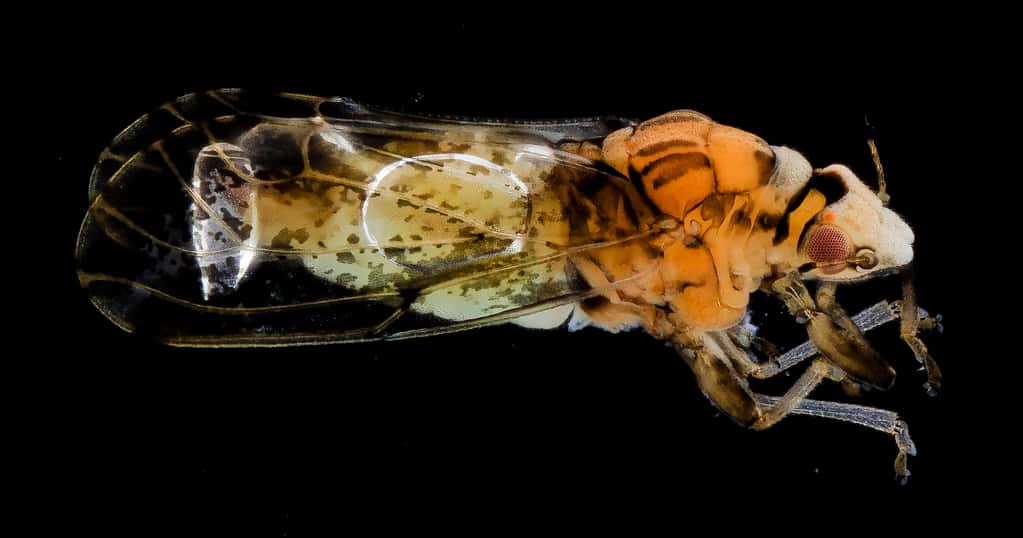
This year, the cold arrived on top of the chronic pressure from citrus greening, formally known as huanglongbing, a bacterial disease spread by a tiny insect that slowly starves trees and shrinks fruit. Greening has been the single largest driver of Florida's long production decline, and it leaves trees weaker and less able to absorb additional shocks like cold snaps or drought.
Against that combination, many in the industry braced for a season that could fall even further. That the final numbers rose instead of falling is why groups like Florida Citrus Mutual framed the forecast as a recovery signal rather than simply a smaller loss.
Why it matters for Florida's economy
Citrus is more than a nostalgic emblem for Florida. The industry supports jobs in growing, harvesting, processing and shipping, concentrated in the interior counties along the state's central ridge and southern growing regions. When production shrinks, the effects ripple through packinghouses, juice plants, equipment suppliers and the rural communities that depend on them.
A stabilizing crop also matters for consumers and for the orange juice market, where Florida has steadily ceded ground to imports as its own output fell. Every incremental box of Valencias helps supply the juice pipeline that has historically defined the state's citrus identity. Processors watch the Valencia number closely because it drives the not-from-concentrate juice supply that reaches grocery shelves.
State leaders have poured research money into greening-resistant rootstocks, new tree varieties and grove management techniques in an effort to keep the industry alive. The final forecast will be cited by growers and lawmakers alike as evidence that those investments, paired with favorable weather in the back half of the season, can move the numbers in the right direction.
A recovery that remains conditional
Industry veterans were quick to temper optimism. The gains described in the final forecast are real but small, and they sit atop a base that has been hollowed out over many seasons. One good revision does not undo the structural challenges that have pushed Florida citrus acreage lower year after year.
Greening still has no cure. Development continues to convert former groves into subdivisions and warehouses across fast-growing counties. Labor costs, insurance and the ever-present risk of a landfalling hurricane during the summer and fall all weigh on the economics of keeping a grove in production. Growers who have hung on through the decline know that a single storm or a harder freeze next winter could erase this season's modest progress.
The through line from officials and grower advocates was cautious: the recovery is encouraging, but it is conditional on weather, disease management and continued investment. The word many used was momentum, not victory.
Greening remains the central enemy
For all the attention paid to the freeze, the slow-motion crisis of citrus greening remains the single greatest threat to Florida's groves. The bacterial disease, spread by the Asian citrus psyllid, has no cure. It works quietly, clogging a tree's vascular system, producing bitter, misshapen fruit that drops before harvest and gradually killing the tree over a period of years. Since greening took hold in Florida, the state's citrus acreage and production have fallen by a staggering margin, and every season is now a contest between new science and an entrenched disease.
Growers have adapted in ways that would have been unthinkable a generation ago. Many now manage their groves under a philosophy of living with the disease rather than eradicating it, using enhanced nutrition programs, aggressive psyllid control and, increasingly, protective screen structures for young trees. Researchers at the state's agricultural institutions have pursued disease-tolerant rootstocks, gene-editing approaches and antibacterial treatments, some of which have shown promise in field trials. The final forecast's uptick, in this context, is partly a measure of how well those coping strategies held up against the added stress of the cold.
The economics of fighting greening are punishing. The cost of keeping an infected grove productive has climbed steeply, squeezing margins for growers who must spend more to harvest less. That pressure is a major reason so many landowners have chosen to sell to developers rather than replant, converting former groves into subdivisions and distribution centers. Each acre lost to development is an acre that cannot rebound in a good year, which is why researchers stress that halting the decline requires giving growers a reason to stay in the business.
What the numbers mean for growers
Behind the statewide totals are thousands of individual operations, from multigenerational family groves to large commercial enterprises, each making decisions about whether to replant, hold or exit. A rising final forecast gives those growers a data point they can use, evidence that surviving trees can still produce and that investment in grove care can pay off. Sentiment matters in agriculture, and a season that beats expectations can influence planting and financing decisions heading into the next cycle.
The composition of the crop matters too. The heavy weighting toward Valencia oranges, the late-maturing variety that dominates the juice supply, reflects the reality that Florida citrus is overwhelmingly a juice industry rather than a fresh-fruit business. That distinguishes it from California, where fresh oranges rule, and it ties Florida's fortunes to the health of the orange juice market and the processors who buy the state's fruit. A stable Valencia number is therefore a stabilizing signal for the whole supply chain.
For the workers who move through the groves at harvest, the season's modest gains translate into work that might otherwise have thinned. Harvesting, hauling and processing citrus supports employment across the rural interior counties where the industry is concentrated, communities that have felt the decline acutely. A crop that holds steady, even at reduced levels, helps sustain the labor force and the local businesses that depend on a functioning citrus economy.
A symbol worth saving
Beyond the economics, Florida citrus carries a cultural weight that helps explain the sustained effort to preserve it. The orange has long been a symbol of the state, emblazoned on its license plates and woven into its identity as the Sunshine State. That symbolism has given the industry a constituency that extends beyond growers to lawmakers and residents who see the groves as part of what makes Florida distinctive, a heritage worth defending even as the economic case grows harder.
That emotional investment translates into political support for research and grower assistance, funding that has helped the industry hang on through its long decline. Whether sentiment can sustain an industry facing relentless disease and development pressure remains an open question, but it ensures that Florida citrus will not be allowed to fade without a fight. The final forecast's modest gains give that fight a measure of hope, evidence that the decline can be slowed and perhaps, with continued effort and cooperative weather, gradually reversed across the state's surviving groves.
What's next for the industry
Attention now turns to the 2026-27 season, which will begin to take shape as trees bloom and set fruit later in the year. Growers will be watching the summer weather closely, including the heat and any tropical activity, since storm timing can make or break a Florida crop. The first forecast of the new season, expected in the fall, will be the next real test of whether this year's uptick was the start of a trend or a one-season reprieve.
Researchers, meanwhile, continue to push field trials of disease-tolerant trees and treatments, hoping to give growers tools that can outlast greening rather than merely slow it. The results of those efforts will determine whether Florida citrus can rebuild acreage or simply hold a smaller footprint steady.
For now, the final 2025-26 forecast gives an embattled industry something it has not had often in recent years: a number that moved up. Whether that becomes a foundation or a footnote will depend on how the next twelve months of weather, disease and market forces unfold across Florida's groves.
Spotted an issue with this article?
Have something to say about this story?
Write us a letterComments
No comments yet. Be the first to weigh in.
Related Coverage

Alonzo Mourning's Courtside II Opens in Overtown, Adding 120 Affordable Apartments With Rents From $683
1d ago

Bern's Steak House, South Howard Businesses Sue Tampa to Halt $100 Million Flood Relief Project
2d ago
Swire Breaks Ground on Mandarin Oriental Towers on Brickell Key After Selling More Than $1.7 Billion in Condos
2d ago

Seminole Tribe Sues DraftKings and CEO Jason Robins in Broward, Calling Its Florida Prediction Markets an Illegal Sportsbook
2d ago