Florida AG Publicly Criticizes Orange-Osceola State Attorney Over Murder Sentence
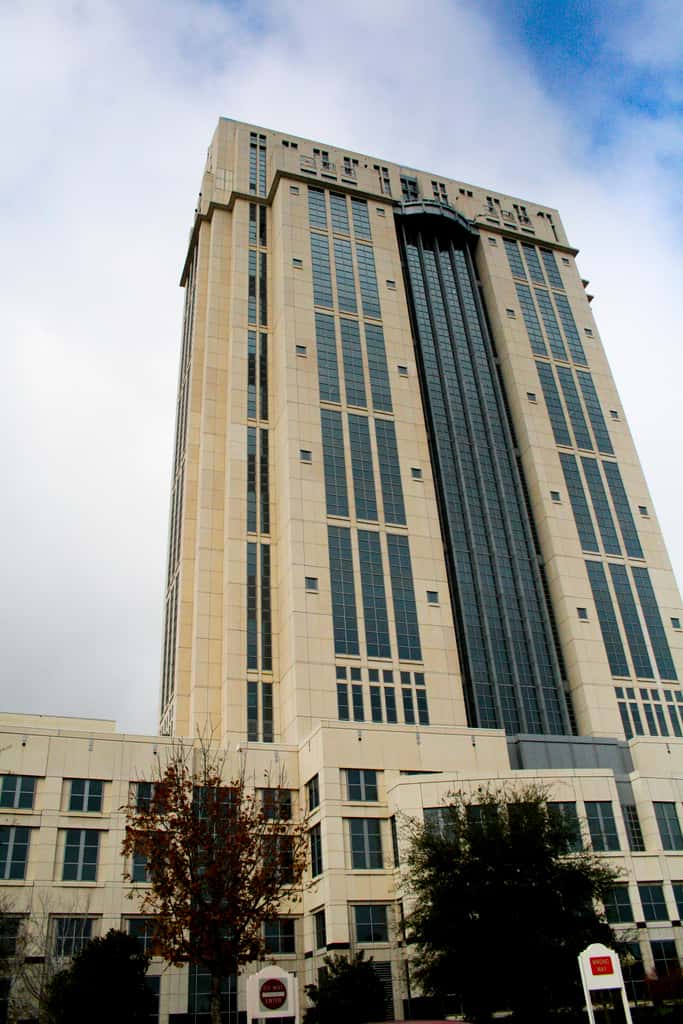
Florida Attorney General James Uthmeier publicly criticized State Attorney Monique Worrell's office on May 12, 2026, over what he described as a lenient four-year sentence in a Central Florida murder case. The dispute focused on the case of Savion Lambert, who was sentenced for killing Carlos Perez in the Orange-Osceola judicial circuit.
Uthmeier characterized the sentence as part of what he described as an obvious pattern of leniency for violent criminals in the Ninth Judicial Circuit. Worrell, who has previously been at the center of public disputes with state officials, leads the state attorney's office for Orange and Osceola counties, an office that handles thousands of felony prosecutions each year.
The Lambert case
The case involves the death of Carlos Perez and a guilty plea by Savion Lambert that resulted in a four-year sentence. According to public statements from the attorney general's office, the sentence reflects what state leaders view as a mismatch between the seriousness of the underlying conduct and the punishment ultimately imposed.
Plea negotiations in homicide cases typically involve a careful weighing of factors including the strength of the available evidence, the defendant's criminal history, the availability and willingness of witnesses, and the legal classification of the underlying conduct. Sentences in cases that resolve through plea negotiation often differ substantially from the maximum penalties available under statute.
The state attorney's office defended its handling of the case in response to the criticism, emphasizing that prosecutors weighed the available evidence and the practical realities of the case in negotiating the plea. The office has not publicly released detailed information about the evidentiary issues that shaped the negotiations.
The broader dispute between Uthmeier and Worrell
The public criticism of the Lambert sentence is part of a longer-running tension between state officials in Tallahassee and Worrell, who has twice been the subject of efforts by the state to remove her from office. Worrell was suspended by Governor Ron DeSantis in 2023 over what the governor described as a pattern of leniency, then re-elected by voters in the Ninth Circuit in 2024 and returned to office.
Uthmeier, who was appointed attorney general in early 2025, has continued to apply state-level scrutiny to the office's handling of violent crime cases. The latest criticism reflects the ongoing political and policy dispute between state officials and the elected prosecutor in one of Florida's largest judicial circuits.
The dispute is part of a national pattern in which state-level officials have increasingly scrutinized the decisions of locally elected prosecutors, particularly in circuits where the elected prosecutor has run on a reform-oriented platform. Similar tensions have surfaced in Texas, Pennsylvania, Georgia, and other states.
The Ninth Judicial Circuit
The Ninth Judicial Circuit covers Orange and Osceola counties, an area that includes Orlando and a large portion of Central Florida's tourist corridor. The circuit handles a substantial volume of felony cases each year, including a significant number of violent crime prosecutions tied to a population that swells with millions of annual visitors.
The Orange-Osceola state attorney's office prosecutes cases ranging from homicides and sexual assaults to property crimes and economic offenses. The office's policies on charging, plea negotiations, and sentencing recommendations have been a regular subject of political debate, particularly under Worrell's tenure.
The circuit also faces the typical workload pressures of a large metropolitan prosecutor's office, including resource constraints, witness availability issues, and the practical limits of jury trial capacity. Those constraints shape plea negotiation strategy in ways that are not always visible from the outside.
Reaction from Worrell's office
Worrell's office responded to the criticism by defending its handling of the case and pointing to the broader context of homicide prosecutions in Central Florida. The office indicated that the plea reflected the strength of the available evidence and the specific circumstances of the case, including factors that may not be apparent from the public docket.
According to past public statements from the office, Worrell and her senior staff have emphasized that responsible plea negotiation requires balancing the goals of public safety, victim interests, and the constitutional rights of defendants. The office has previously argued that aggregate measures of leniency do not capture the case-by-case complexity of homicide prosecutions.
The office has also pointed to its overall conviction rates and the number of significant cases it has successfully tried as evidence that its prosecutors continue to pursue serious cases vigorously. Whether those defenses will satisfy critics who focus on individual outcomes is part of the ongoing political dispute.
Reaction from victims' advocates
Victims' rights advocates and law enforcement organizations in Central Florida have at times been critical of plea outcomes in homicide cases handled by the Worrell office. Several local victim advocacy groups have publicly questioned specific sentencing decisions over the past several years.
The family of Carlos Perez and other victims of violent crime in the circuit are most directly affected by sentencing outcomes. Victims and their advocates often experience plea agreements that result in shorter sentences than initially expected as deeply painful, particularly when the perceived gap between the offense and the punishment is large.
Some advocacy groups have also pressed for greater transparency about the factors that shape plea negotiations, including how evidentiary issues and witness availability affect the bargaining process. They argue that more public explanation can help build trust even when the resulting sentences appear lenient on their face.
The political dimensions
The public dispute between Uthmeier and Worrell is unfolding against the backdrop of state and local elections that have made criminal justice enforcement a defining issue. The fight reflects broader divisions in Florida about the appropriate role of state oversight over locally elected prosecutors.
Republican state leaders have generally supported aggressive state-level scrutiny of locally elected prosecutors who they argue are not enforcing state law with sufficient rigor. Democratic officials and many civil rights organizations have argued that locally elected prosecutors have the constitutional authority to exercise discretion based on local conditions and policy choices.
The Lambert case is unlikely to be the last public dispute between the attorney general's office and the Worrell administration. Both sides have shown willingness to engage in public messaging about high-profile cases, and the ongoing political dynamics suggest that similar disputes are likely to continue throughout the year.
What it means for Floridians
For residents of Orange and Osceola counties, the dispute raises questions about how local prosecutors are exercising their discretion and how state officials are responding. The outcomes of those debates will shape the policies and priorities of the office that handles felony prosecutions in the region.
For Floridians more broadly, the case is part of a larger conversation about the proper balance between state oversight and local prosecutorial discretion. The question of how much authority state officials should have to second-guess specific charging and sentencing decisions made by locally elected prosecutors is a contested one with significant implications for the criminal justice system.
For victims of violent crime and their families, the dispute is more than a political question. The outcomes of specific cases affect their lives directly, and the public attention to plea negotiations can reopen wounds even as it pressures the system toward greater accountability. The challenge for the system is to deliver both justice and transparency in ways that respect the experiences of victims.
Local impact across the state
Other elected state attorneys in Florida are watching the Worrell-Uthmeier dispute closely. The pattern of state-level criticism of specific sentencing decisions could spread to other circuits, particularly those where the elected prosecutor has policy disagreements with state leadership.
In the Hillsborough Circuit, where the state has also been involved in disputes with elected prosecutors over policy, the Lambert case is being followed as another data point in the broader national debate. Similar attention is being paid in other circuits with reform-oriented prosecutors.
The statewide implications include the possibility of additional legislation aimed at standardizing prosecutorial practices or creating new mechanisms for state-level review of local charging decisions. Whether such proposals advance in the next legislative session will depend in part on how the political dynamics play out over the rest of 2026.
The 2023 suspension and its aftermath
Worrell was suspended from office by Governor Ron DeSantis in August 2023, in an executive order that cited what the governor described as a pattern of leniency in serious criminal cases and a failure to seek minimum mandatory sentences in certain categories of offenses. The suspension prompted significant legal and political battles, including challenges to the governor's authority to remove an elected prosecutor under the Florida Constitution.
The legal challenges to the suspension were ultimately resolved before Worrell stood for reelection in 2024, when voters in Orange and Osceola counties returned her to office. The reelection campaign featured extensive debate over the suspension itself and over the policies that had drawn the governor's criticism. Worrell argued that her approach reflected the priorities of the local electorate rather than statewide policy preferences.
The return to office reset, but did not end, the underlying tensions between Worrell and state leadership. State officials have continued to publicly scrutinize specific decisions by her office, and Worrell has continued to defend her approach to plea negotiations and charging decisions. The latest dispute over the Lambert case fits within that longer running pattern.
The role of the attorney general
Florida's attorney general has limited direct authority over local prosecutors, who are elected by voters in their judicial circuits and operate with broad independent discretion over case decisions. The attorney general's office can prosecute certain categories of cases directly, can intervene in some matters, and can use its public platform to raise concerns about local enforcement decisions.
Uthmeier's public criticism of specific sentencing decisions in the Ninth Circuit reflects an interpretation of the attorney general's role that emphasizes statewide accountability and policy consistency. Critics of that approach argue that it pressures locally elected prosecutors to align with state preferences in ways that may not reflect local voter priorities.
The dynamic between the state's chief legal officer and elected local prosecutors is a recurring feature of Florida politics. The intensity of that dynamic has varied over time based on the personalities and political orientations of the individuals holding the relevant offices.
What is next
The Lambert sentence itself stands as a court judgment unless and until it is modified through normal post-conviction procedures. The public dispute between Uthmeier and Worrell is a political and policy matter rather than a direct legal challenge to the sentence in this case.
The attorney general's office is expected to continue its public scrutiny of specific cases in the Ninth Circuit and elsewhere. Worrell's office is likely to continue defending its decisions and emphasizing the complexity of prosecutorial work in a large urban circuit. The exchange between the two offices will likely escalate as the political calendar moves toward upcoming elections.
For the broader system, the underlying tensions are likely to drive continued policy debates in the Florida Legislature, in state agencies, and in local prosecutor's offices across the state. Whether those debates lead to lasting structural changes or remain primarily a matter of public messaging is one of the central open questions for Florida's criminal justice landscape this year.
Spotted an issue with this article?
Have something to say about this story?
Write us a letterComments
No comments yet. Be the first to weigh in.
Related Coverage

Two Spring Hill men indicted in 2018 home invasion killing of young father in Hernando County
10h ago
Operation Cooked: Undercover Osceola Sting Nets At Least 20 Arrests of Men Accused of Seeking Sex With Children
12h ago

Federal Jury Convicts Three Naples Men in $30,000 Murder-for-Hire Plot Targeting a Man Whose Brother Wanted Him Dead
14h ago

Woman known only as 'Cinnamon,' found dead on a boat off Key West in 1999, identified through DNA
1d ago