Florida Closes Alligator Alcatraz Immigration Detention Center as DeSantis Declares Mission Fulfilled
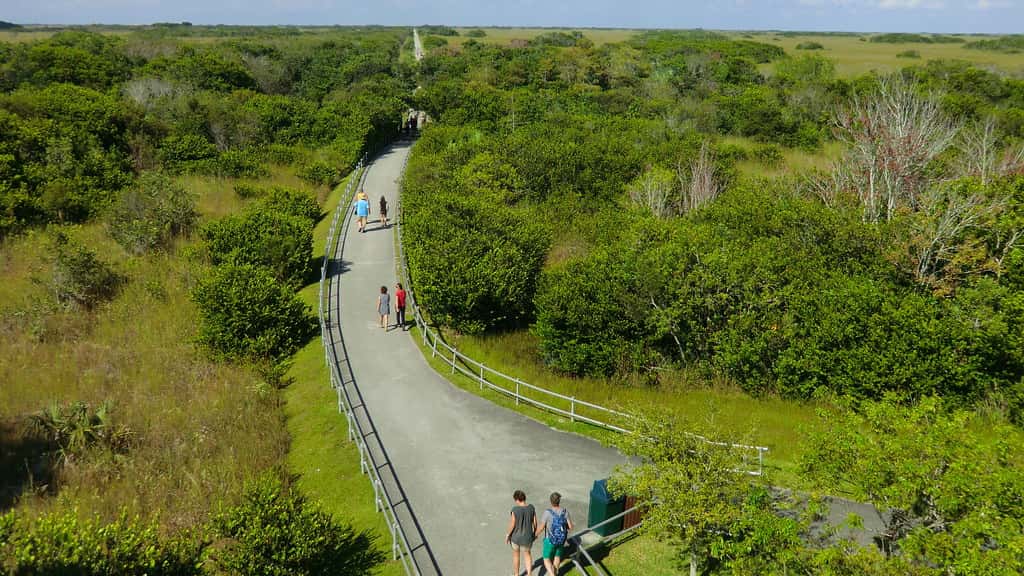
Governor Ron DeSantis announced Thursday that Florida has permanently closed the Everglades immigration detention center known as Alligator Alcatraz, declaring the facility's mission complete after officials said roughly 21,000 people were processed for deportation through the remote site. Speaking at a news conference alongside White House border czar Tom Homan, DeSantis said the center now holds zero detainees and that federal authorities have secured enough permanent capacity to make the temporary facility unnecessary.
The closure brings a swift end to one of the most controversial chapters in Florida's recent immigration enforcement push. The makeshift detention site, carved into a remote stretch of the Everglades, drew national attention and fierce criticism from civil rights groups almost from the moment it opened. Its shutdown also opens a new question over the future of the land, which Miami-Dade County says it intends to return to conservation use.
What was announced
DeSantis said the facility was always intended to be temporary, a stopgap built to expand detention capacity while more permanent centers came online. With those alternatives now available, the governor said, the state moved to wind down operations and relocate the remaining detainees to other facilities. Officials reported that no one remained at the site as of the announcement.
Homan, appearing alongside the governor, said Florida would continue to play a significant role in immigration enforcement through other detention centers and expanded cooperation with federal authorities. He framed the closure not as a retreat but as a transition to a more durable system, crediting the state's involvement with helping the administration meet its enforcement targets.
The governor pointed to the roughly 21,000 deportations processed through the facility as evidence of its effectiveness. State officials have described the site as a model for state-federal coordination, while acknowledging that its rapid construction and remote location were always meant to be short-term solutions.
The Florida context
Alligator Alcatraz became a symbol of Florida's aggressive posture on immigration under DeSantis, who has positioned the state at the forefront of cooperation with federal deportation efforts. The facility's nickname, a reference to its swampy isolation and the alligators that populate the surrounding wetlands, captured both the deterrent message state officials intended and the alarm it provoked among critics.
The site opened amid a broader expansion of immigration enforcement in Florida, including the state's contested immigration law and a series of agreements allowing state and local agencies to assist federal authorities. Supporters argued the facility relieved pressure on an overburdened detention system, while opponents questioned the conditions, oversight, and environmental impact of placing a detention center deep in the Everglades.
The closure does not signal an end to Florida's enforcement role. State officials and federal partners have made clear that other detention centers and cooperative arrangements will continue. But the shuttering of the Everglades site removes the most visible and most contested piece of that infrastructure.
Reaction from critics and advocates
Civil rights organizations and immigrant advocacy groups had condemned the facility since its inception, raising concerns about detainee treatment, access to legal counsel, medical care, and the appropriateness of the remote location. For those groups, the closure is a partial victory, though many have stressed that the underlying enforcement push continues at other sites.
Environmental advocates also objected to the facility's placement in the Everglades, a fragile and federally significant ecosystem that has been the focus of decades of restoration work. The prospect of returning the land to conservation use has been welcomed by some of those critics, who argued the site never belonged in the wetlands to begin with.
Supporters of the facility, meanwhile, defended it as a necessary and effective tool. They credited the governor and federal authorities with demonstrating that states can meaningfully expand enforcement capacity, and they framed the closure as proof that the temporary approach worked as intended rather than as a concession to critics.
The land's uncertain future
Miami-Dade Mayor Daniella Levine Cava announced that the county intends to sell the land used for the detention center to the National Park Service. If completed, the transfer would fold the site into the broader federal stewardship of the Everglades, aligning with long-running efforts to protect and restore the region's wetlands.
The Everglades has been at the center of one of the nation's largest ecosystem restoration projects, a multidecade effort involving state and federal agencies to repair water flow and habitat damaged by development. Returning the detention site to conservation use would be consistent with those goals, though the details and timeline of any sale remain to be worked out.
The proposed transfer adds an environmental coda to a story that began as an immigration enforcement initiative. How quickly the land is restored, and what cleanup the site requires, will depend on negotiations between the county and federal authorities in the months ahead.
Immigration politics in an election year
The closure arrives during a midterm election year in which immigration has been one of the most charged issues in Florida and national politics. The facility's opening and closing both unfolded against that backdrop, with enforcement policy a central theme for candidates and voters across the state.
Florida's political leadership has staked out an aggressive posture on immigration, and the Alligator Alcatraz project served as a visible expression of that stance. Its closure, framed as a successful conclusion rather than a reversal, allows officials to claim results while continuing the broader enforcement effort through other means and venues.
For voters, the episode adds to a long-running debate over how the state and nation should handle immigration, a debate that shows no sign of resolution. The facility's brief life and its closure are likely to feature in the political conversation as the election approaches and candidates stake out their positions.
What it means for Floridians
For Florida residents, the closure marks the end of a high-profile experiment in state-led immigration enforcement, but not the end of the policy debate it represented. The state's continued participation in federal enforcement means the questions raised by Alligator Alcatraz, about conditions, oversight, and the proper role of states, will persist at other facilities.
For South Florida's large immigrant communities, the announcement lands amid broader anxiety over federal immigration policy, including recent court decisions affecting temporary protected status for groups with deep roots in the region. The closure of one facility does not change the larger enforcement landscape those communities are navigating.
And for residents who care about the Everglades, the potential sale to the National Park Service offers a measure of reassurance that one of Florida's most treasured natural areas could be restored rather than further developed.
The facility's brief and turbulent history
Alligator Alcatraz existed for only a short time, but its rapid rise and fall encapsulated the intensity of the national debate over immigration enforcement. Built quickly to expand detention capacity, the facility became a flashpoint almost immediately, its very name a deliberate signal of the deterrent message state officials sought to project.
The site's remote Everglades location was central to both its purpose and the criticism it drew. Supporters framed the isolation as a practical feature of a secure facility, while opponents argued it compounded the difficulties detainees faced in accessing legal counsel, medical care, and contact with family. The conditions inside the facility became a subject of dispute, with advocates raising alarms and officials defending the operation.
The facility processed a large number of people in its short existence, with officials citing roughly 21,000 deportations connected to the site. That throughput underscored the scale of the enforcement operation it supported, even as critics questioned the human cost and the appropriateness of the approach. The rapid pace of activity reflected the broader acceleration of deportation efforts during the period.
Its closure, coming so soon after its opening, reflects the temporary nature state officials always ascribed to it. Yet the speed of the shutdown also raised questions about the planning and oversight of a facility built and dismantled in such a compressed timeframe, questions that may continue to be examined as the site transitions to a new use.
A test case for state-federal cooperation
The facility represented an unusual experiment in cooperation between a state government and federal immigration authorities. Florida's willingness to build and operate a detention center in support of federal deportation efforts marked an aggressive embrace of a role traditionally led by the national government.
That cooperation has been a defining feature of the state's immigration posture, with officials positioning Florida as a leading partner in enforcement. The Alligator Alcatraz project served as a high-profile demonstration of that partnership, one that other states and federal officials watched closely as a potential model.
The presence of the federal border czar at the announcement of the closure underscored the federal-state dimension of the effort. The framing of the shutdown as a transition to permanent federal capacity, rather than an abandonment of the approach, signaled that the cooperation would continue in other forms even as the specific facility closed.
The episode is likely to inform future debates over the proper division of responsibility between states and the federal government on immigration. Whether the Alligator Alcatraz model is replicated elsewhere or remains a singular experiment will depend on the evolving politics of enforcement and the lessons drawn from its brief existence.
What's next
Attention now turns to the proposed land transfer and to the other detention facilities and enforcement agreements that Homan said would carry Florida's role forward. The terms of any sale to the National Park Service, including price, timeline, and environmental remediation, remain to be negotiated.
The political debate over immigration enforcement in Florida, meanwhile, shows no sign of cooling. With a midterm election approaching and federal courts continuing to weigh related cases, the issues that Alligator Alcatraz brought to the surface will remain central to the state's politics well after the facility itself is gone.
Spotted an issue with this article?
Have something to say about this story?
Write a letter to the editor