Florida Enters July With Quiet Tropics, but Forecasters Urge No Complacency
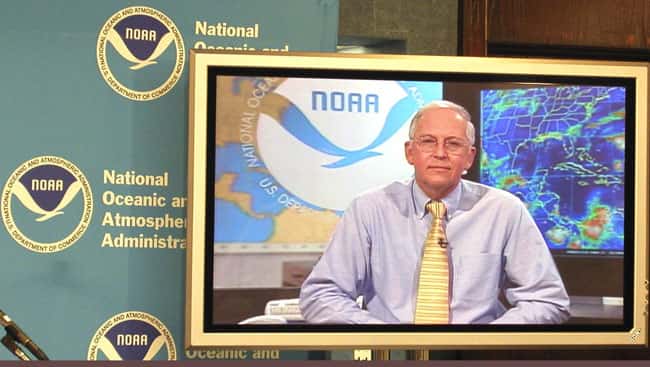
Florida is moving into July with a largely quiet Atlantic, as the National Hurricane Center tracks only a low-potential area of disturbed weather and forecasters remind residents that a calm start does not guarantee a calm season. The 2026 Atlantic hurricane season, which NOAA has projected to be below normal overall, has so far produced just one named storm, but emergency managers continue to press the message that Floridians should prepare now rather than wait for a threat to develop.
The current tropical picture
As the calendar turned to July, the National Hurricane Center was monitoring an area with low potential for development off the Southeast, associated with a frontal boundary lingering over warm water. Forecasters indicated that any development would likely be slow as the disturbed weather drifted westward over the following week. Low-potential designations mean the odds of a named system forming in the near term are modest, though conditions can change.
So far in 2026, the Atlantic has produced one named storm, Tropical Storm Arthur, which formed in mid-June, the traditional early portion of the season. The relative calm since then fits the seasonal rhythm, since Atlantic activity typically ramps up later in the summer and peaks from mid-August through October. A quiet start to July is not unusual even in busier years.
Forecasters emphasize that the absence of an active named storm does not mean Florida is out of danger. Tropical systems can form quickly, especially as ocean temperatures warm through the summer, and a single storm reaching the state can define a season regardless of the overall count. That is why the current quiet period is framed by officials as a window for preparation rather than a reason to relax.
NOAA's seasonal outlook
NOAA has forecast a below-normal 2026 Atlantic hurricane season, assigning the highest probability to a below-normal outcome, a smaller chance of a near-normal season, and a low chance of an above-normal season. The agency's outlook called for a total in the range of 8 to 14 named storms, of which 3 to 6 could become hurricanes, including 1 to 3 major hurricanes of Category 3 strength or higher. Those ranges sit below the long-term averages for the basin.
Forecasters attributed the below-normal expectation in part to the anticipated development of El Nino conditions, which tend to suppress Atlantic hurricane activity by increasing the wind shear that can tear storms apart. At the same time, ocean temperatures in the Atlantic were expected to run slightly warmer than normal, a factor that can support development, creating some uncertainty in how the season ultimately unfolds. Those competing influences are common in seasonal forecasting.
NOAA has said it would update the seasonal outlook in early August, ahead of the historical peak of the season. That update will incorporate the latest data on ocean temperatures, El Nino's evolution, and early-season activity. Seasonal forecasts describe overall activity levels and are not predictions of whether any specific storm will strike a particular location, a distinction officials stress each year.
Seasonal outlooks are built from statistical models and climate signals that describe the environment across the entire Atlantic basin, from the coast of Africa to the Gulf. Because they speak to conditions over an ocean thousands of miles wide, they cannot say where a storm will track months in advance. A season that produces fewer storms can still send one of them toward Florida, and a busy season can leave the state untouched. Officials therefore treat the outlook as a planning tool for agencies rather than a personal risk assessment for any household.
The Florida context
No state has more at stake in hurricane season than Florida, which juts into both the Atlantic and the Gulf and has been struck by numerous damaging storms in recent years. The state's exposure spans its entire coastline and reaches well inland, where wind, flooding, and power outages can affect communities far from the shore. That geography makes hurricane preparedness a year-round concern that intensifies each summer.
Recent seasons have delivered costly and deadly storms to Florida, straining the property insurance market, prompting large federal recovery efforts, and reshaping how communities plan for the future. The cumulative experience has heightened public awareness, but officials note that awareness must translate into concrete preparation, including supply kits, evacuation plans, and knowledge of one's evacuation zone. A below-normal forecast does not reduce the importance of those steps.
Florida's emergency management structure, spanning state, county, and local agencies, gears up each season to coordinate warnings, evacuations, sheltering, and recovery. County-level guidance is especially important because evacuation orders are issued by zone rather than blanket county-wide, meaning residents need to know their specific zone. Officials use quiet periods to reinforce that residents should confirm their zone and household plans before a storm threatens.
The state's rapid population growth adds another layer to that exposure. Many newer residents have never experienced a major hurricane in Florida, and unfamiliarity with evacuation routes, shelter locations, and local warning systems can slow response when a storm approaches. Emergency managers often point to newcomers as a priority audience for outreach, since preparation habits that longtime residents take for granted may be entirely new to households that arrived since the last significant storm.
What it means for Floridians
For residents, the practical takeaway from a quiet early July is to use the calm to prepare. Emergency managers consistently advise assembling supplies, reviewing insurance coverage, securing important documents, and confirming evacuation zones and routes before a storm is on the horizon. Preparation is far easier during a lull than in the rush before an approaching system.
The below-normal seasonal outlook can be misleading if it breeds complacency, which is precisely the risk officials warn against. History includes below-normal seasons in which a single powerful storm caused catastrophic damage to a particular area. Because it takes only one storm to devastate a community, the seasonal count matters far less to any individual household than whether a storm reaches their location.
Property owners also have a financial stake in the season's outcome. A quiet season supports the recent stabilization of Florida's insurance market, while a major landfall can strain carriers and the state-backed insurer of last resort. That connection links the tropical forecast to the broader affordability picture that many Floridians are watching closely as they manage housing costs.
Preparation during the lull
Emergency officials outline a familiar checklist for hurricane preparedness: maintain several days of water and non-perishable food, keep medications and important documents accessible, have a plan for pets, and ensure a way to receive official warnings. Residents in evacuation zones are urged to identify where they would go and how they would get there, since traffic and shelter capacity become constraints once an order is issued.
Knowing one's evacuation zone is a recurring emphasis because orders are zone-specific rather than county-wide. A resident in a low-lying, storm-surge-prone zone may need to leave while a neighbor a short distance inland does not. County emergency management resources allow residents to look up their zone in advance, a step officials encourage during quiet periods rather than in the chaos of an approaching storm.
Businesses, homeowners associations, and local governments also use the early season to review continuity and response plans. Coastal communities in particular test their readiness for storm surge and flooding, the deadliest hazards associated with hurricanes. The current quiet in the tropics offers a valuable, and finite, opportunity to complete that groundwork before activity typically increases later in the summer.
Lessons from past seasons
Florida's recent history offers a clear rationale for the caution that officials express during quiet stretches. Storms that intensified rapidly near the coast have repeatedly caught communities with little time to react, underscoring how quickly a benign tropical picture can change. That pattern is one reason emergency managers resist letting a slow start shape public behavior, since the most damaging systems often arrive with only a few days of warning.
Past seasons have also shown that inland flooding can rival the coastline for danger. Heavy rain from a slow-moving or weakening system can swamp rivers and low-lying neighborhoods well away from the beach, affecting residents who may not consider themselves at risk. Emergency officials use this history to broaden the preparedness message beyond surge-prone coastal zones to the full breadth of the state, including interior counties that have seen serious flooding in recent years.
The recovery from those events continues to influence how Florida approaches each new season. Rebuilding, insurance adjustments, and updated local plans reflect lessons drawn from storms that tested the state's response. Officials frame the current lull as a chance to apply those lessons in advance, encouraging households to treat preparation as an ongoing habit rather than a task deferred until a specific storm appears on forecast maps.
How official warnings reach the public
Understanding how tropical information flows to the public is part of being prepared. The National Hurricane Center issues advisories at regular intervals as systems develop, describing a storm's expected track, intensity, and hazards. Those advisories feed into local forecasts, media coverage, and county emergency alerts, forming the chain of information that residents rely on when a system approaches Florida.
A key distinction in that messaging is the difference between a watch and a warning. A watch means hazardous conditions are possible within a specified area, giving residents time to prepare and review their plans. A warning means those conditions are expected, signaling that protective actions, including evacuation where ordered, should be underway. Officials stress that residents should know which of the two is in effect for their area and act accordingly, because confusing the two can cost valuable time.
Emergency managers encourage residents to line up multiple ways to receive alerts, since power and cellular service can be disrupted during a storm. Wireless emergency alerts, weather radios, local news, and official county channels each play a role. Having more than one reliable source helps ensure that a watch or warning reaches a household even if one method fails, a redundancy that matters most when a storm is closing in and information is changing quickly.
What's next
Forecasters will continue monitoring the low-potential disturbance and any new areas of interest as the season progresses, providing regular updates through the National Hurricane Center. Residents can follow those advisories, which distinguish between watches, meaning conditions are possible, and warnings, meaning conditions are expected, a difference that carries real consequences for how quickly people should act.
NOAA's early-August update to the seasonal outlook will offer a refreshed view heading into the peak months. Whether the season remains below normal or defies the forecast, the guidance for Floridians will not change: prepare during the quiet periods and heed official warnings when a storm threatens. The peak of the season, historically from mid-August into October, still lies ahead.
For now, Florida enjoys a calm stretch that gives residents time to get ready. Officials frame this window as an opportunity, not a guarantee, urging households across the state to confirm their plans, supplies, and evacuation zones so that they are prepared if and when the tropics become active later in the season.
Spotted an issue with this article?
Have something to say about this story?
Write a letter to the editorComments
No comments yet. Be the first to weigh in.
Related Coverage
Florida's First Fall Cold Front Delivers Cooler Air and Strong Coastal Winds as a Nor'easter Develops Offshore
2d ago
Tropical Storm Hanna Forms Far From Florida as Atlantic Stays Hurricane-Free
4d ago
Hurricane Season Enters Its Final Weeks With Six Named Storms and No Atlantic Hurricanes
6d ago
Soggy September: More Than 10 Inches of Rain Swamps Palm Beach County as Flood Risk Lingers
Sep 21