Florida Expands 2026 Black Bear Hunt to 215 Permits and Adds Private Lands
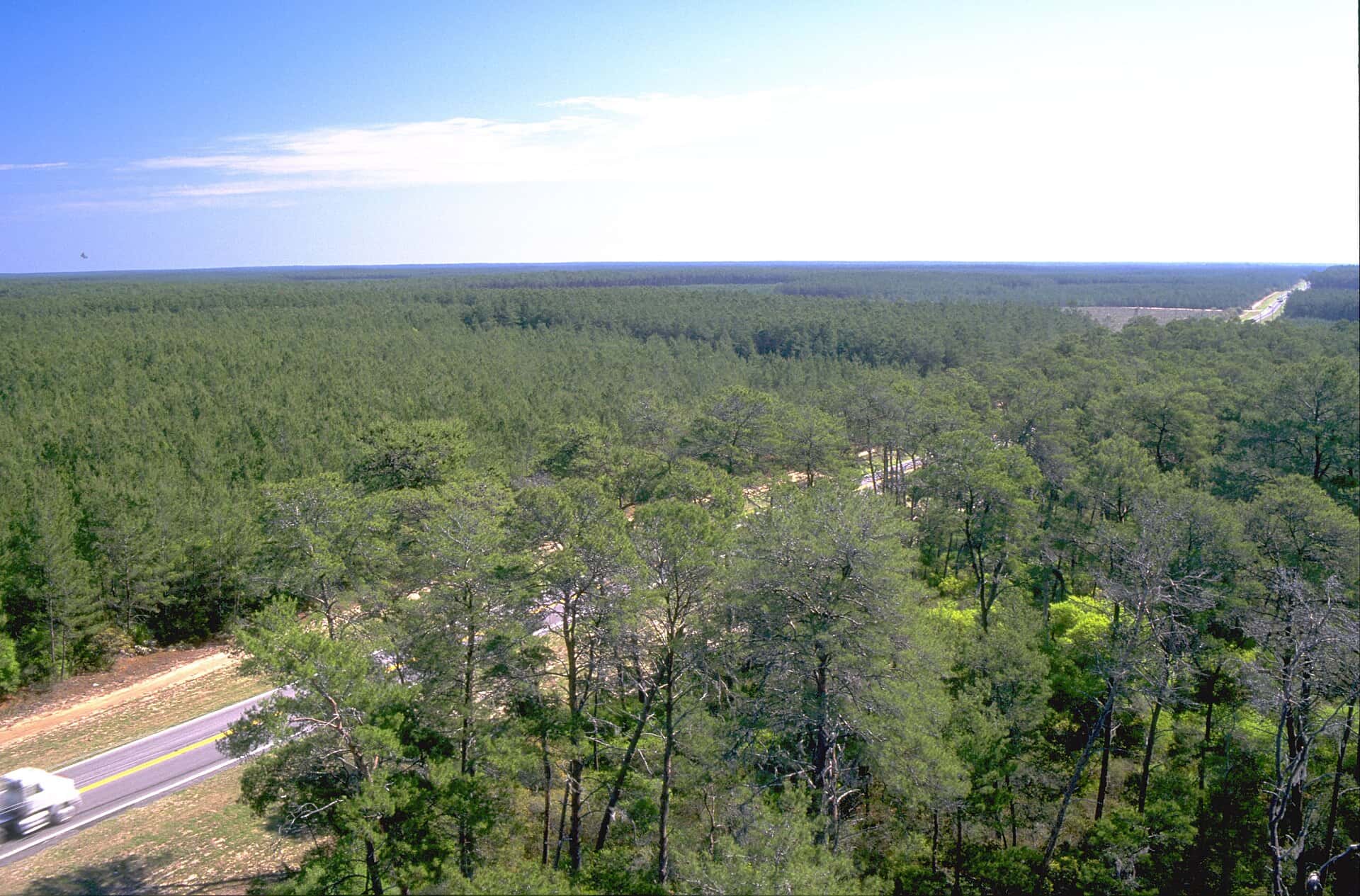
Florida wildlife regulators will put 215 black bear hunting permits into circulation for a season running Dec. 5 through Dec. 27, an increase from the 172 permits issued for last year's hunt and the clearest sign yet that the state intends to keep a regulated bear harvest on the calendar. The Florida Fish and Wildlife Conservation Commission is also folding private property into the program through a separate landowner permit track, a structural change that extends the hunt beyond the wildlife management areas where it has been concentrated. Applications open in September, and the expansion has already drawn organized opposition from conservation groups who describe the season as a trophy hunt rather than a management tool.
How the permit process works
Of the 215 permits, 193 are allocated to a public drawing. Hunters enter by paying $5 per entry, with the application window opening in mid-September and running through Sept. 21. Applicants selected in the drawing then have from Sept. 25 through Oct. 5 to pay for the permit itself. The remaining permits are directed to large private landowners whose properties contain bear populations.
Permits cost $100 for Florida residents and $300 for nonresidents, and they are nontransferable, meaning a selected applicant cannot sell or hand off the authorization. Nonresidents are capped at 10 percent of the available permits, a restriction designed to keep the majority of the harvest in the hands of Florida hunters rather than out-of-state visitors.
The nontransferability rule and the entry fee structure are both responses to concerns raised after earlier hunts about secondary markets and about applicants entering in bulk. A $5 entry keeps the barrier low enough for ordinary hunters while the $100 permit price and the drawing mechanism limit the total harvest to the number the commission has authorized.
The private lands component
Beginning at the start of 2026, the commission created a Private Lands Bear Harvest Program that allows qualifying landowners to apply for a permit authorizing bear take on a specified property. Under that program, the window runs from Oct. 1 through Dec. 31, a longer period than the public season and one that reflects the different management purpose behind it.
The rationale offered for the private lands track centers on landowners who report recurring bear conflicts on agricultural or timber property and who have limited recourse under the general framework. Extending a permitted harvest to those properties gives the commission a way to address localized problems without opening additional public land units.
Critics see the private lands program differently, arguing that it decentralizes oversight. On a wildlife management area, the state controls access points, check stations and the number of hunters in the field. On private property spread across multiple counties, verifying compliance is harder, and the total statewide harvest becomes a figure assembled from reports rather than observed directly.
Where the bears are
Florida's black bear population is not evenly distributed. It clusters in several distinct subpopulations, with the largest concentrations in the Ocala and Osceola areas of North and Central Florida, in the Apalachicola region of the Panhandle, and in the Big Cypress area of Southwest Florida. Those clusters are separated by highways, agriculture and development, which is why bear management in Florida is really the management of several semi-isolated groups rather than one continuous population.
This year's permit allocation includes units in parts of Southwest Florida, extending the geography of the hunt relative to prior seasons. That matters for Lee, Collier and Hendry county residents, where bear encounters in residential subdivisions have been a recurring subject at county commission meetings and where the Big Cypress subpopulation borders rapidly growing suburban development.
Human-bear conflict in Florida is driven heavily by food access. Unsecured garbage, pet food left outdoors and backyard fruit trees draw bears into neighborhoods, and a bear that learns to associate houses with calories generally keeps coming back. Wildlife officials have long argued that securing attractants reduces conflict more reliably than any harvest number, a point both supporters and opponents of the hunt tend to accept.
The case the commission makes
The commission's position is that a regulated harvest is a standard population management tool used across the bear range in North America, and that Florida's bear numbers have recovered sufficiently from their mid-twentieth-century low to support one. Under that framework, the permit count is set to remove a small percentage of the estimated population, with the goal of stabilizing growth rather than reducing numbers substantially.
The increase from 172 to 215 permits is presented as an incremental adjustment rather than a policy shift. Commission staff work from population estimates and from harvest results in the prior season, adjusting quotas by unit. A hunt that came in under its target harvest in one area can support a modestly larger allocation the following year without changing the underlying management goal.
Regulated hunting also generates revenue that flows back into wildlife programs through permit fees and through federal excise taxes on hunting equipment. That funding structure is part of why state wildlife agencies across the country treat hunting as integral to conservation financing, and it is a routine part of the commission's public case for the season.
The case against
The Sierra Club has publicly characterized the season as a trophy hunt, and that framing captures the core of the opposition argument: that the harvest is recreational rather than corrective, because the bears taken in a December season on public land are generally not the individual animals causing conflict in neighborhoods.
Opponents also question the population estimates themselves, arguing that the confidence intervals around bear counts are wide enough that a quota set as a percentage of the estimate carries more uncertainty than the clean permit number suggests. Under that view, expanding permits before updating the underlying survey work gets the sequence backward.
A third strand of opposition is procedural. Florida's 2015 bear hunt was closed early after hunters reached the harvest limit far faster than anticipated, and that episode remains the reference point for critics who argue the state's controls have not been demonstrated to work under real conditions. Supporters counter that the current structure, with a fixed permit count rather than an open season with a running tally, is specifically designed to prevent a repeat.
What it means for Floridians
For hunters, the practical takeaway is a short application window in September and a drawing that will leave most applicants without a permit. The $5 entry, the $100 resident permit price and the December dates are the operational details that matter, along with the unit-by-unit allocation that determines where a successful applicant may actually hunt.
For residents in bear country, the hunt is unlikely to change what happens in their neighborhood. Wildlife officials continue to emphasize securing trash, removing bird feeders during high-activity periods and never feeding bears intentionally. Several Florida counties and municipalities have adopted bear-resistant container requirements, and those local ordinances have a more direct effect on conflict rates than the statewide permit count.
For everyone else, the hunt functions as one of the more visible tests of how Florida balances wildlife management against public sentiment. Bear hunting polls poorly with the general Florida public even as it retains strong support among hunting organizations, and the commission has continued the season through that split rather than because of consensus.
The 2015 hunt and what it taught
Florida's 2015 bear hunt is the event every subsequent decision has been measured against. The state opened a season with a harvest objective and no fixed permit cap, selling permits broadly and planning to close the season once the objective was met. Hunters reached the limit far faster than the commission projected, and the season was shut down after two days.
The outcome damaged public confidence in the state's ability to manage the harvest, and it produced a political reaction strong enough that Florida did not hold another bear hunt for years. Whatever the biological merits of the 2015 season, the operational execution became the story.
The current framework is a direct response. A fixed permit count set in advance, a drawing rather than open sales, nontransferable permits, a nonresident cap and a defined multi-week season all exist because the alternative was tried and failed publicly. Understanding that history explains why the state has built the program cautiously and why opponents remain unconvinced that the caution is sufficient.
How Florida compares
Regulated black bear hunting is common across the species' North American range. Most states with established black bear populations hold seasons, and several harvest numbers in the thousands annually. Measured against that, Florida's 215 permits are a small program.
The comparison is imperfect, though, because Florida's bear population is geographically fragmented in a way that populations in the Appalachians, the upper Midwest or the Rocky Mountain West generally are not. Florida bears occupy separated pockets divided by interstates, agriculture and development, which means harvest pressure that is sustainable statewide could still be excessive within a single subpopulation.
That is why the commission allocates permits by management unit rather than issuing a statewide pool. It is also why critics focus their objections on specific units rather than on the aggregate number, and why the addition of Southwest Florida units this year has drawn particular attention from residents and organizations in Lee and Collier counties.
What's next
The immediate calendar is set: applications open in mid-September and close Sept. 21, the drawing follows, and selected applicants pay between Sept. 25 and Oct. 5. The private lands permit window opens Oct. 1. The public season runs Dec. 5 through Dec. 27, and harvest reporting requirements apply to participants.
Expect continued organized opposition through the fall, including public comment at commission meetings and possible legal challenges focused on the private lands component, which is the newest and least tested piece of the framework. Any litigation would likely turn on rulemaking procedure rather than on the merits of bear management.
The more consequential long-term question is what the harvest data show. If the December season produces results consistent with the commission's projections, the structure is likely to carry forward with incremental permit adjustments. If the harvest comes in well above or well below target, or if compliance problems surface on private lands, the 2027 framework will be rewritten, and the debate Floridians have been having since 2015 will start over.
Spotted an issue with this article?
Have something to say about this story?
Write us a letterComments
No comments yet. Be the first to weigh in.
Related Coverage

71-Year-Old Man Killed by Nearly 12-Foot Alligator While Fishing at Winter Garden Park
3h ago

Extreme Drought Vanishes From Florida Map After a Week of Rain
1d ago

Record Sargassum Season Fades as Key West and UM Researchers Prepare for the Next Wave
5d ago
Florida's New Stormwater Pollution Credit Rules Draw Fire From Environmentalists and Industry Alike
Oct 10