Florida Gas Prices Tumble as Iran Ceasefire Eases Fears Over the Strait of Hormuz
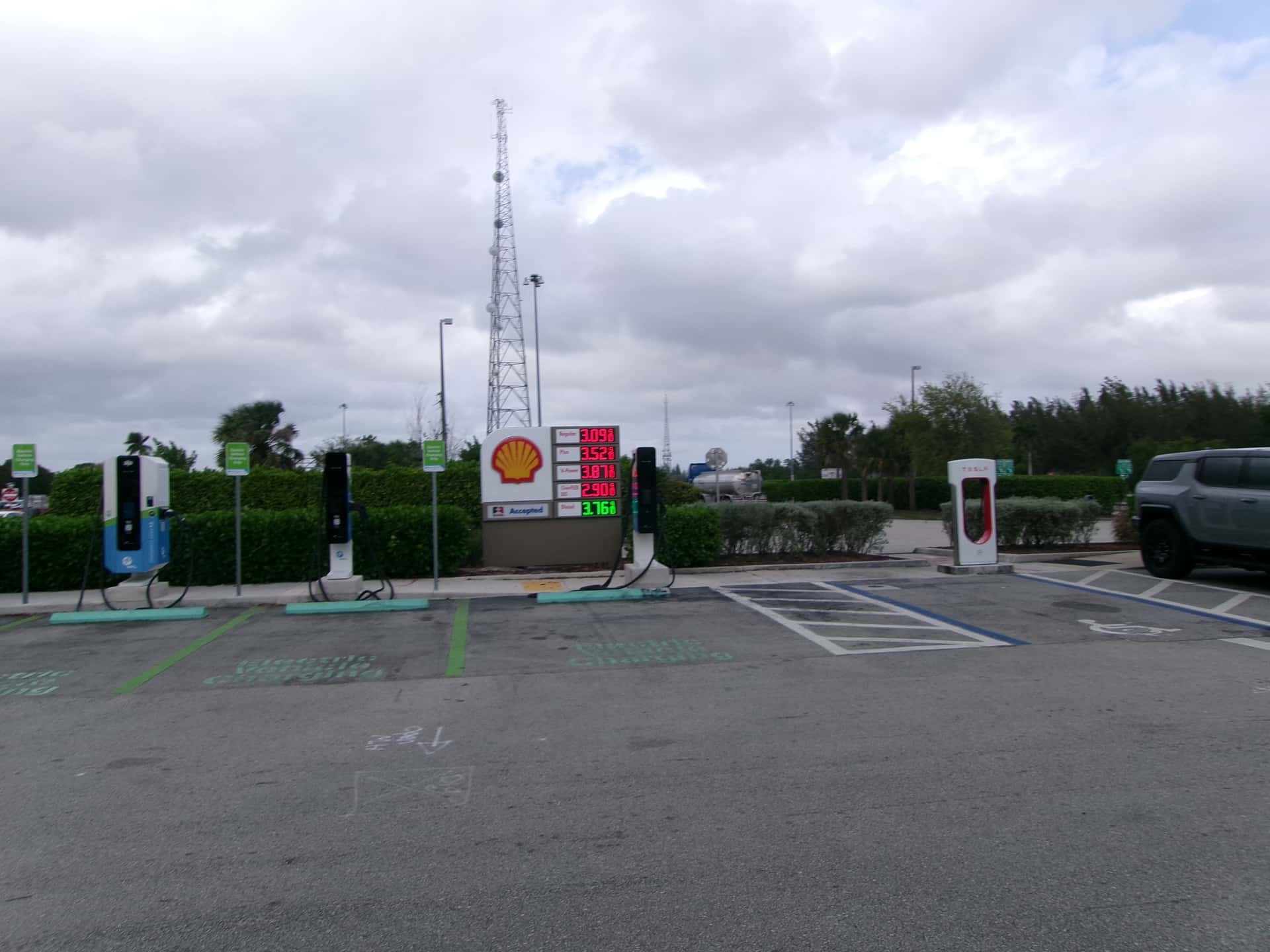
Florida drivers are catching a break at the pump as a newly announced ceasefire with Iran calms the global oil market and pushes fears about the Strait of Hormuz to the background. According to AAA, the statewide average price for a gallon of regular gasoline fell to $3.62 on Monday, June 22, a drop of 20 cents from the previous week and the latest sign that the easing of tensions in the Middle East is reaching Florida households just as the busy summer travel season gets underway.
The decline caps a remarkable swing. Over the past month, Florida's average has fallen 88 cents, leaving it at its lowest point since the price stood at $3.49 on March 9. For a state whose economy leans heavily on tourism and whose residents face long summer drives, the retreat in prices offers welcome relief after weeks of volatility tied directly to the conflict.
The turn came after an agreement to end the war with Iran was announced the prior weekend, easing the market anxiety that had driven prices sharply higher. With the most acute fears of a supply disruption receding, analysts and drivers alike are watching whether the relief proves durable, a question that hinges on what happens next in the narrow waterway at the center of the crisis.
A Price Swing Tied to the Strait
The path of Florida's gas prices over the past several months tracks closely with events in the Persian Gulf. The statewide average stood at just $2.90 on February 28, the day the United States and Israel began attacks on Iran. What followed was a steep climb as the conflict escalated and the market priced in the risk of disruption to a critical artery of global energy trade.
Central to that risk was the Strait of Hormuz, the chokepoint through which roughly 20 percent of the world's oil supply ships. Iran responded to the attacks in part by moving to close the Strait, a step that threatened to constrain a meaningful share of global supply and sent prices upward in markets around the world, Florida included.
For Floridians, the connection between a distant strait and the local price sign was unusually direct. As the threat to Hormuz intensified, pump prices rose; as the threat eased, they fell. The 72-cent gap between the late-February low and the recent peak illustrates just how sensitive the state's fuel costs are to events thousands of miles away.
That sensitivity is a function of how oil markets work. Crude is a globally traded commodity, and the price of gasoline at a Florida station reflects worldwide supply and demand far more than any local factor. When a major supply route comes under threat, the effect shows up quickly at pumps from Pensacola to Key West.
The pattern this year has been a vivid reminder of that exposure. Florida has no oil production of consequence and imports the fuel its drivers depend on, leaving the state fully subject to the rhythms of the global market. The same forces that lifted prices after February's attacks were the ones that drove them back down once the ceasefire took shape, with little a single state can do to insulate itself.
How the Ceasefire Moved the Market
The announcement of an agreement to end the war reversed the upward pressure almost immediately. Since the deal was made public the prior weekend, oil dropped about $8.28 per barrel, a decline of roughly 10 percent, as traders unwound the risk premium that had built up during the height of the conflict.
That move in the crude market translated into a roughly 20-cent-per-gallon decline in Florida's average, mirroring the relief seen at the wholesale level. The relationship between crude prices and pump prices is not instantaneous, but a sustained drop in oil tends to flow through to retail gasoline within days to weeks, and the recent decline has been swift.
The mechanics are straightforward. When the market believes a feared supply disruption is less likely, the premium that had been added to crude prices comes back out, and gasoline follows. The ceasefire effectively removed the worst-case scenario that traders had been guarding against, allowing prices to retreat toward levels seen before the conflict intensified.
Still, the easing reflects market expectations as much as physical reality. Prices fell because the perceived risk of a Hormuz shutdown dropped, not necessarily because conditions on the ground have fully normalized. That distinction is why analysts are urging some caution even as drivers enjoy the lower prices.
The speed of the recent move also reflects how much of the earlier increase had been driven by fear rather than by an actual shortfall in supply. With the worst case off the table, the market quickly gave back the gains it had made on worry alone, a dynamic that can work in reverse just as fast if the situation deteriorates again.
Relief Arrives Ahead of Summer Travel
The timing of the price drop could hardly be better for Florida's travel economy. AAA expects about 4.6 million people to travel for the Independence Day holiday, and the organization has cited easing oil costs as a factor supporting that strong demand. Lower pump prices put more money in travelers' pockets and reduce the cost of the road trips that define the American summer.
For a state that depends heavily on tourism, the effect runs in two directions. Florida residents benefit from cheaper fuel as they plan their own summer getaways, and the state's visitor economy benefits as out-of-state travelers find driving to and around Florida more affordable. Gasoline prices are a visible, frequently noticed cost that can shape household decisions about whether and how far to travel.
The Independence Day forecast captures the broader mood. After a stretch in which prices climbed sharply and the news from the Middle East grew alarming, the combination of a ceasefire and falling costs has shifted the outlook for the heart of the travel season. Families weighing summer plans now face a more favorable backdrop than they did just weeks ago.
The household budget effect extends well beyond travel. Fuel costs feed into the price of nearly everything that moves by truck, and a sustained decline at the pump can ease pressure across a range of everyday expenses. For Floridians who have watched prices swing dramatically this year, the recent direction offers a measure of stability.
Florida's geography magnifies the importance of fuel costs. The state is large, and many residents commute long distances or rely on cars for daily life in regions where public transit is limited. That makes the price of a gallon of gas a more central household expense than it is in denser parts of the country, and a swing of nearly a dollar over the course of a month is felt acutely across family budgets.
The visitor economy compounds the effect. Florida draws large numbers of drive-in tourists, particularly from the Southeast, and the cost of fuel factors into their decisions about whether to make the trip and how much to spend once they arrive. Lower prices at the pump can translate into stronger spending at the hotels, restaurants, and attractions that anchor the state's economy during the summer months.
The Strait Remains the Real Test
Even with prices falling, analysts caution that the durability of the relief depends on developments still unfolding. Patrick De Haan, head of petroleum analysis at GasBuddy, has noted that the real test now shifts to the Strait of Hormuz, where a reopening and a resumption of normal oil flows would be the clearest signal that the relief is durable rather than temporary.
That framing puts the focus squarely on the waterway whose threatened closure drove the price spike in the first place. As long as questions linger about whether oil can move freely through the Strait, the market is likely to retain at least some caution, and the possibility of renewed volatility cannot be ruled out. A confirmed, sustained return to normal shipping would do the most to lock in the lower prices.
The reasoning reflects how markets read geopolitical risk. A ceasefire announcement reduces the immediate threat, but traders ultimately respond to evidence. Normal, uninterrupted flows through Hormuz over a period of time would provide the concrete confirmation that the danger has passed, while any sign of renewed disruption could quickly send prices back up.
For Florida drivers, the practical takeaway is that the current relief, while real, rests on a situation that remains in flux. The 20-cent weekly drop and the 88-cent monthly decline are tangible, but they reflect a market still watching the Strait closely for the next signal.
What Floridians Should Watch
In the weeks ahead, the most important indicator for Florida pump prices will be the steady flow of oil through the Strait of Hormuz. A durable resumption of normal shipping would support the lower prices and could even allow further declines, while any interruption would risk reversing the recent gains. The waterway's status, more than any single domestic factor, will set the direction.
Drivers can also watch the price of crude oil, which serves as a leading indicator for what happens at the pump. The roughly 10 percent drop in oil since the ceasefire announcement is what made the recent decline possible, and continued softness in crude would point toward continued relief, while a rebound would foreshadow higher prices.
For now, the trend favors Florida households. The statewide average sits well below its recent peak and near its lowest level since early March, arriving in time to ease the cost of summer travel for millions of residents and visitors. The combination of a ceasefire and falling oil has delivered a meaningful break at exactly the moment Floridians take to the roads in the greatest numbers.
Whether that break holds will be decided far from any Florida gas station, in the waters of the Strait of Hormuz and at the negotiating tables where the broader de-escalation is being worked out. Until the picture there is fully clear, Florida drivers can enjoy the lower prices while keeping an eye on the chokepoint that has driven so much of the recent swing.
Spotted an issue with this article?
Have something to say about this story?
Write a letter to the editor