Citizens Cuts Rates as Florida Property Insurance Market Shows Broad Recovery
Florida's property insurance market has moved into a phase that would have been difficult to imagine three years ago. Citizens Property Insurance Corporation, the state-backed insurer of last resort, is reducing rates for its homeowners multiperil policyholders by an average of 8.8 percent in 2026 under rates approved by state regulators, with wind-only policyholders seeing an average reduction of 5.5 percent. Every Citizens Personal Lines policyholder is receiving a cut of at least 2 percent.
The relief extends well beyond Citizens. Rate decreases took effect in 51 of Florida's 67 counties in 2026. In Miami-Dade County, which has long carried some of the highest property insurance costs in the country, homeowners are seeing average reductions of approximately 14 percent.
The turn follows several years in which Florida homeowners absorbed compounding double-digit increases, watched carriers withdraw from the state or fail outright, and saw Citizens swell far beyond its intended role as a residual market. The current direction is a genuine reversal, though the level from which rates are falling remains high by national standards.
What changed in the market
The single largest factor is litigation. Florida for years accounted for a share of national homeowners insurance lawsuits wildly out of proportion to its share of national claims. Two features of state law drove that: one-way attorney fee statutes, which meant an insurer that lost any part of a coverage dispute paid the policyholder's legal costs while a policyholder who lost paid nothing, and assignment of benefits practices, which allowed contractors to take over a homeowner's claim rights and litigate directly against carriers.
The Legislature eliminated one-way attorney fees and curtailed assignment of benefits in reforms enacted in 2022 and 2023. The effect on claim litigation volume has been substantial, and it flows through to rates because litigation costs are a component of the loss expense insurers must price for.
Actual losses have also trended below prior projections. Insurers set rates on expected losses, and when experience comes in better than the assumption, subsequent filings can reflect it. Florida has now had a stretch without the sequence of major landfalling hurricanes that drove the 2022 through 2024 loss years, and the 2026 season has so far produced no hurricanes at all in the Atlantic basin.
Reinsurance costs have declined as well. Florida insurers depend heavily on reinsurance, and global reinsurance pricing softened after the very hard market of 2023, which lowers a major fixed input to Florida rates.
Citizens is shrinking, which is the point
Citizens was created to be an insurer of last resort, a backstop for property owners who cannot find coverage in the private market. During the crisis years it became something else, growing to well over a million policies as private carriers withdrew, restricted writing, or became insolvent. A residual market that large concentrates catastrophe risk on the state, because Citizens has assessment authority over Florida policyholders if its reserves are exhausted.
Citizens exposure has decreased as policyholders return to the private market through depopulation, the process by which private carriers assume blocks of Citizens policies. That reduces the assessment risk hanging over every insured Floridian, including those who have never held a Citizens policy.
The rate reduction and the depopulation trend are connected. Citizens rates are supposed to be actuarially sound and non-competitive, meaning Citizens should not undercut the private market. As private rates come down, Citizens rates can come down with them without creating a new incentive for policyholders to move back into the state-backed pool.
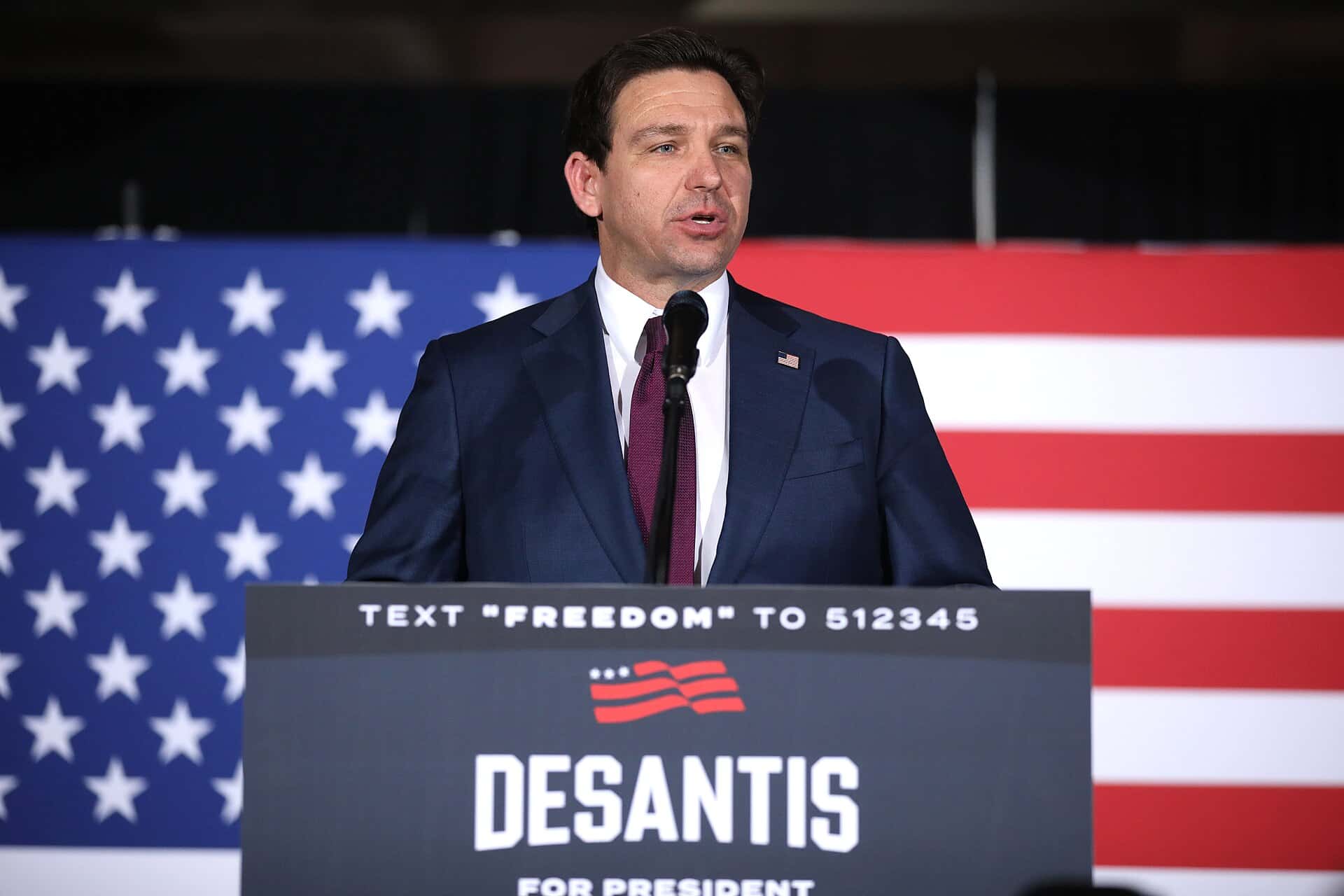
Governor Ron DeSantis has pointed to the reductions as evidence that the legislative reforms achieved their objective, announcing what his office characterized as major insurance rate relief delivered by Florida's reform package.
What Floridians will actually see
The averages conceal wide variation, and homeowners should not expect their own renewal to match the statewide number. Rate changes are calculated by territory, by construction type, by roof age, by wind mitigation features, and by coverage limits. A Miami-Dade homeowner with a new roof and full wind mitigation credits may see a much larger decrease than the county average. An inland homeowner with an older roof may see little change or an increase.
Sixteen counties did not see decreases in 2026. Those are typically areas where recent loss experience or exposure growth ran against the statewide trend, and homeowners there should read their renewal notices carefully rather than assuming relief.
Roof age remains the dominant underwriting variable in Florida. Carriers price aggressively against older roofs and in many cases decline to write them at all. A homeowner considering roof replacement should understand it as an insurance decision as much as a maintenance one, and should ask their agent to quote the difference before and after.
Wind mitigation inspections remain among the highest-return actions available to a Florida homeowner. The inspection typically costs a few hundred dollars and can document credits worth considerably more annually, and many homeowners with qualifying features have never had one done.
What has not been fixed
The reforms addressed the cost of litigation. They did not address the cost of hurricanes, which is the underlying reason Florida property insurance is expensive. The state has more coastal exposure, more high-value coastal property, and more frequent severe storm landfalls than anywhere else in the country, and no amount of tort reform changes the physics.
Consumer advocates have argued that curtailing attorney fee recovery shifted the balance too far toward carriers, leaving policyholders with legitimate disputed claims fewer practical options. A homeowner with a $40,000 claim denial who must fund litigation out of pocket may simply absorb the loss. That is a real cost of the reform, borne by a smaller group than the rate relief benefits.
The Florida House has separately pursued questions about insurer finances. House Speaker Danny Perez announced an investigation into insurance companies following reporting that alleged some carriers transferred substantial sums to affiliated companies while reporting losses to regulators. If those allegations are substantiated, they would complicate the narrative that rate levels during the crisis years were driven purely by loss experience.
Flood remains a separate market entirely. Standard Florida homeowners policies exclude flood, and coverage comes through the National Flood Insurance Program or private flood carriers. Nothing in the current rate relief touches it.
Local impact across the state
South Florida has seen the largest percentage decreases, with Miami-Dade averaging around 14 percent, reflecting both the high base from which those rates are falling and the concentration of litigation activity that the reforms curtailed in the tri-county area.
Southwest Florida, which absorbed Hurricane Ian in 2022, is in a more complicated position. Rebuilding to current code has improved the resilience of the housing stock in Lee and Collier counties, which supports better pricing over time, but loss experience in the region remains recent enough to weigh on filings.
The Panhandle carries hurricane exposure comparable to the peninsula but with lower property values, which produces lower premiums in absolute dollars and a different mix of carriers. Tampa Bay, which has among the highest storm surge vulnerability in the country, has seen rate movement more in line with the statewide pattern.
Inland counties in Central and North Florida generally pay less because wind exposure is lower, though those areas have their own risks including sinkhole activity in parts of the Nature Coast and Tampa Bay region.
How Florida got into the crisis
Understanding the recovery requires understanding what preceded it. Florida's property insurance market deteriorated through a combination of factors that compounded over roughly a decade, and no single one of them fully explains the outcome.
Litigation was the most distinctive Florida element. The state at one point accounted for a share of national homeowners insurance lawsuits many times its share of national claims, driven by the one-way attorney fee structure and by assignment of benefits arrangements that turned individual roof claims into litigation vehicles. That drove up the cost of every claim, whether or not it was litigated, because insurers priced for the possibility.
Storm losses provided the shock. Hurricane Irma in 2017, Michael in 2018, Ian in 2022, and then Helene and Milton in 2024 produced a sequence of catastrophic loss years with insufficient recovery time between them. Reinsurance pricing, which Florida insurers depend on more heavily than carriers in most states, hardened dramatically in response.
Carrier failures followed. Multiple Florida-focused insurers became insolvent between 2020 and 2023, and their policyholders were absorbed by the Florida Insurance Guaranty Association and by Citizens. Others withdrew from the state voluntarily, which is a different thing from insolvency and left policyholders needing new coverage rather than triggering guaranty fund protection.
What homeowners should do now
The practical advice for Florida homeowners in a softening market differs from the advice in a hardening one. During the crisis years, the goal was finding any coverage at all. Now there is room to shop.
Getting multiple quotes is worth the effort again. Carriers that stopped writing new business in Florida have resumed in many counties, and the spread between the best and worst available quote for the same property has widened as competition returned.
A wind mitigation inspection remains the highest-return action available. The inspection documents features including roof deck attachment, roof-to-wall connections, opening protection, and roof geometry, each of which carries a defined premium credit. Many Florida homes have qualifying features that have never been documented.
Homeowners currently insured through Citizens should evaluate takeout offers on their merits rather than automatically accepting or declining. A private policy may cost less and may offer different coverage terms, and the comparison requires reading both policies rather than comparing premiums alone.
Flood coverage deserves separate attention. It is not included in a homeowners policy, and the National Flood Insurance Program was extended only through December 11 in the recent stopgap funding measure.
What's next
The 2027 rate filing cycle begins later this year, and whether the current direction holds depends heavily on the remainder of the 2026 hurricane season. Three months remain, and a major landfall would change the loss picture materially before next year's rates are set.
Citizens depopulation is expected to continue as private carriers take on additional policy blocks. Policyholders who receive a takeout offer should compare coverage terms carefully, because private policies are not always identical to the Citizens policy they replace.
The Florida House investigation into insurer affiliate transactions remains open, and its findings could shape the next legislative session's insurance agenda. Homeowners should watch their renewal notices, request wind mitigation inspections if they have not had one, and treat a quiet storm season as an opportunity to shop coverage rather than a reason to ignore it.
Spotted an issue with this article?
Have something to say about this story?
Write us a letterComments
No comments yet. Be the first to weigh in.
Related Coverage

Florida utility regulators attended West Palm Beach retreat where industry-linked group paid their way
22h ago

Clearwater approves interim agreement for $180 million sports complex at The Landings Golf Course
1d ago

Isaias Insured Losses Estimated at $1 Billion to $3 Billion, Far Below Pre-Storm Forecasts and Hurricane Michael
2d ago

DeSantis Awards $27 Million in Rural Infrastructure Grants to 14 Communities as Panhandle Recovers From Isaias
2d ago