Florida Luxury Real Estate Surges in First Quarter 2026, Led by Record Condo Market Gains
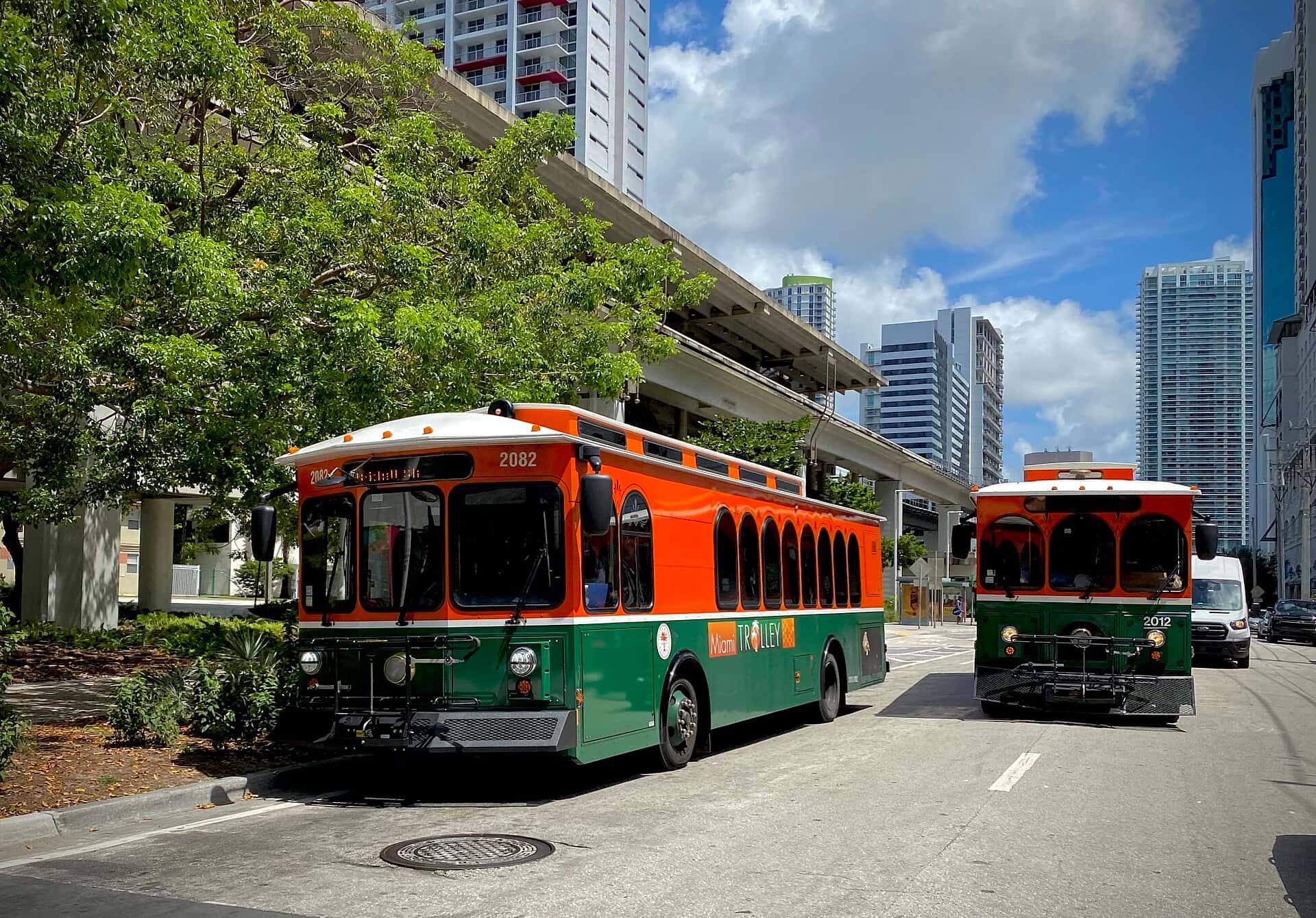
Florida's luxury real estate market opened 2026 with record first-quarter performance, according to data from Florida Realtors, with sales of single-family homes priced between $5 million and $10 million rising more than 31 percent compared to the same period in 2025. The surge in high-end sales is occurring alongside more measured conditions in the broader market, where affordability pressures and elevated insurance costs continue to weigh on mid-range and entry-level buyers. The split picture reflects the increasingly bifurcated nature of Florida's housing economy as the state heads into the summer.
Luxury Segment Outperforms
The 31 percent year-over-year gain in the $5 million to $10 million price tier is among the strongest quarterly performances for that segment in Florida Realtors' recorded history. The data, compiled from multiple listing service reports and public deed records, reflects closed transactions across the state, with South Florida accounting for the largest share of luxury closings.
Miami-Dade, Palm Beach, and Broward counties continued to be the epicenters of luxury demand, driven by a combination of inbound migration from high-tax northern states, international buyers, and a growing concentration of finance and technology industry wealth in the South Florida market. The Miami urban core, including neighborhoods such as Brickell, Coconut Grove, and Miami Beach, saw continued demand from domestic and international buyers seeking waterfront and urban luxury product.
The luxury condo market showed particularly strong momentum, with record gains in per-unit pricing and absorption of newly completed high-end towers that were under construction during the peak of the pandemic-era migration wave. Several new towers in the Miami and Fort Lauderdale markets closed out inventory that had been building toward delivery over the prior two years, contributing to elevated transaction counts in the first quarter.
Broader Market at an Inflection Point
While the luxury tier was surging, Florida Realtors economists described the broader housing market as being at an inflection point, suggesting that the direction for the second half of 2026 is still being determined. Statewide closed single-family sales rose nearly 2.5 percent year over year, marking the eighth consecutive month of annual gains, which represents a modest recovery from the sales volume lows seen in 2023 and 2024 when elevated mortgage rates significantly suppressed buyer activity.
Pending sales, a leading indicator that reflects contracts signed rather than closings, rose 8 percent compared to April 2025. That improvement suggests the market continues to see buyer engagement, though economists noted that the improvement in pending sales must be interpreted alongside still-elevated cancellation rates, reflecting buyers who enter contracts but then exit before closing due to inspection findings, insurance challenges, or financing complications.
The statewide median single-family home price remained relatively stable, with modest year-over-year appreciation of approximately 2.2 percent. The pace of price growth has decelerated sharply from the double-digit annual gains seen during the 2020 to 2022 pandemic-era migration boom, normalizing toward levels more consistent with long-run historical averages for Florida real estate.
Inventory and Supply Conditions
Active inventory on the market statewide sits at approximately 4.7 months of supply, a metric that represents the time it would take to sell all listed homes at the current pace of sales if no new listings were added. A supply of around 5 to 6 months is generally considered a balanced market, meaning the 4.7-month level suggests conditions that are slightly tilted toward sellers at the statewide level, though with significant regional variation.
Central Florida, covering the Orlando metropolitan area, has seen a notable shift in market dynamics. For the first time since the pandemic-era buying frenzy, the region's housing market has officially transitioned to favor buyers in some price ranges, with inventory rising enough to give purchasers more options and more negotiating leverage than they have had in several years. The shift reflects a combination of elevated new construction deliveries and some softening of in-migration flows compared to the peak years.
Jacksonville's market has remained more resilient, with inventory levels hovering around 4 months of supply and buyers continuing to engage actively. The northeastern Florida market has benefited from its relatively greater affordability compared to South Florida and the Tampa Bay area, attracting buyers priced out of more expensive coastal markets.
The Insurance Cost Headwind
One of the most persistent structural challenges facing Florida's non-luxury real estate market is the cost of property insurance. Rising premiums, particularly in coastal and flood-prone areas, have added hundreds or in some cases thousands of dollars per year to the effective cost of owning a home, compounding the affordability pressure created by higher purchase prices and elevated mortgage rates.
The June 1 rate reduction at Citizens Property Insurance, which will lower premiums for more than 330,000 policyholders statewide, represents a positive development for market affordability. However, the broader private market continues to see varied rate movements depending on the carrier, the geographic location of the property, and the specific risk characteristics of the home. Not all Florida homeowners will see reduced insurance costs in 2026, and in some risk-exposed areas, premiums continue to rise even as the broader market shows signs of stabilization.
Insurance costs have disproportionately affected buyer affordability calculations in the $300,000 to $600,000 price range that serves as the primary entry point for first-time homebuyers and workforce housing in most Florida markets. Real estate agents and housing affordability advocates have noted that insurance cost increases have been as significant a barrier to homeownership for many families as home price appreciation itself.
Rent Market Offers Some Relief
Florida's rental market has provided a degree of counterbalance to ownership affordability concerns. Rent across Florida is running down approximately 3 percent year over year, a meaningful shift from the dramatic rent spikes seen during the pandemic-era demand surge. The moderation in rents has given some prospective buyers a reason to continue renting while they save for down payments and navigate the elevated cost of ownership, while also providing genuine relief for the significant share of Florida residents who rent by necessity rather than by choice.
The softening in rents reflects new apartment supply coming to market in most of Florida's major metropolitan areas, the product of a construction pipeline that was set in motion during the period when rents were rising sharply. As new units deliver, the supply-demand imbalance that drove extreme rent appreciation has been corrected in most markets, though affordable housing at the lower end of the rent scale remains in critically short supply statewide.
Florida Realtors Outlook
Florida Realtors economists described the current market as one in which conditions are clearly improving from the depths of the 2023 to 2024 slowdown, but where the trajectory for the second half of 2026 will be shaped significantly by the behavior of mortgage interest rates and by the outcome of the Atlantic hurricane season. A significant interest rate reduction by the Federal Reserve would likely accelerate buyer demand, while a major hurricane impacting a populated region could disrupt both the physical market and the insurance environment in ways that set back the recovery.
The Federal Reserve maintained its benchmark interest rate at current levels at its most recent policy meeting, citing persistent inflation pressures that have made policymakers cautious about moving too quickly to ease monetary conditions. Most market analysts project that the Fed is unlikely to make significant rate reductions before the fourth quarter of 2026 at the earliest, which means mortgage rates are likely to remain above 6 percent for the near-term horizon.
What is Next
The Florida real estate market enters the summer selling season against a backdrop of improving fundamentals in the luxury segment, cautious stabilization in the broader market, and ongoing headwinds from insurance costs and interest rates. Florida Realtors will release updated monthly housing market statistics throughout the summer, providing ongoing data on how the market responds to current conditions.
Buyers and sellers active in the market during the coming months will be navigating a more complex environment than the frenzy of 2021 and 2022, but one that is less distressed than 2023 and 2024. Buyers in most markets have more negotiating leverage and more inventory to choose from than they have had in several years, while sellers in desirable locations continue to see solid demand and reasonable timelines to sale.
Spotted an issue with this article?
Have something to say about this story?
Write us a letterComments
No comments yet. Be the first to weigh in.
Related Coverage
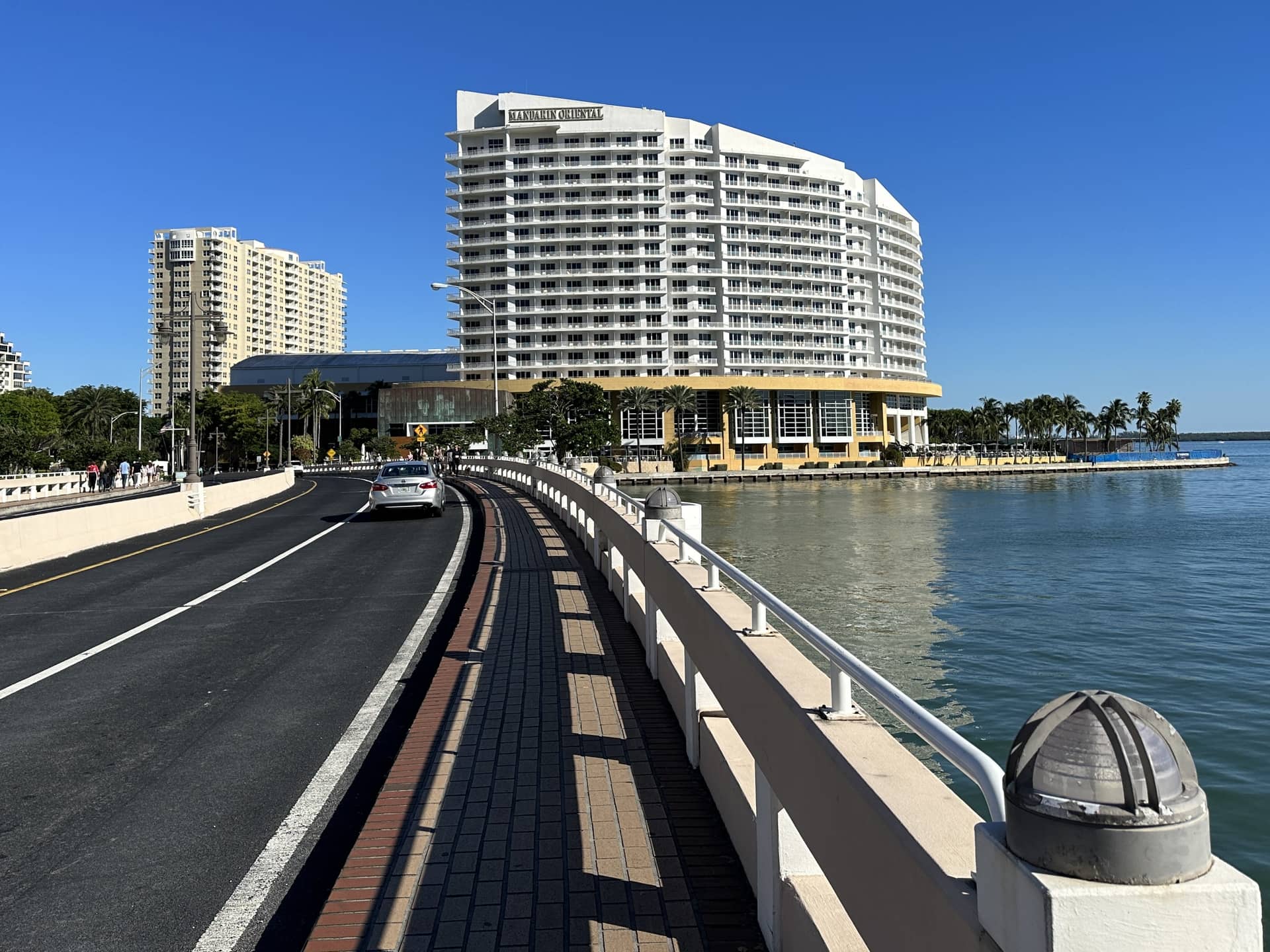
Swire Breaks Ground on Mandarin Oriental Towers on Brickell Key After Selling More Than $1.7 Billion in Condos
5h ago

Seminole Tribe Sues DraftKings and CEO Jason Robins in Broward, Calling Its Florida Prediction Markets an Illegal Sportsbook
6h ago
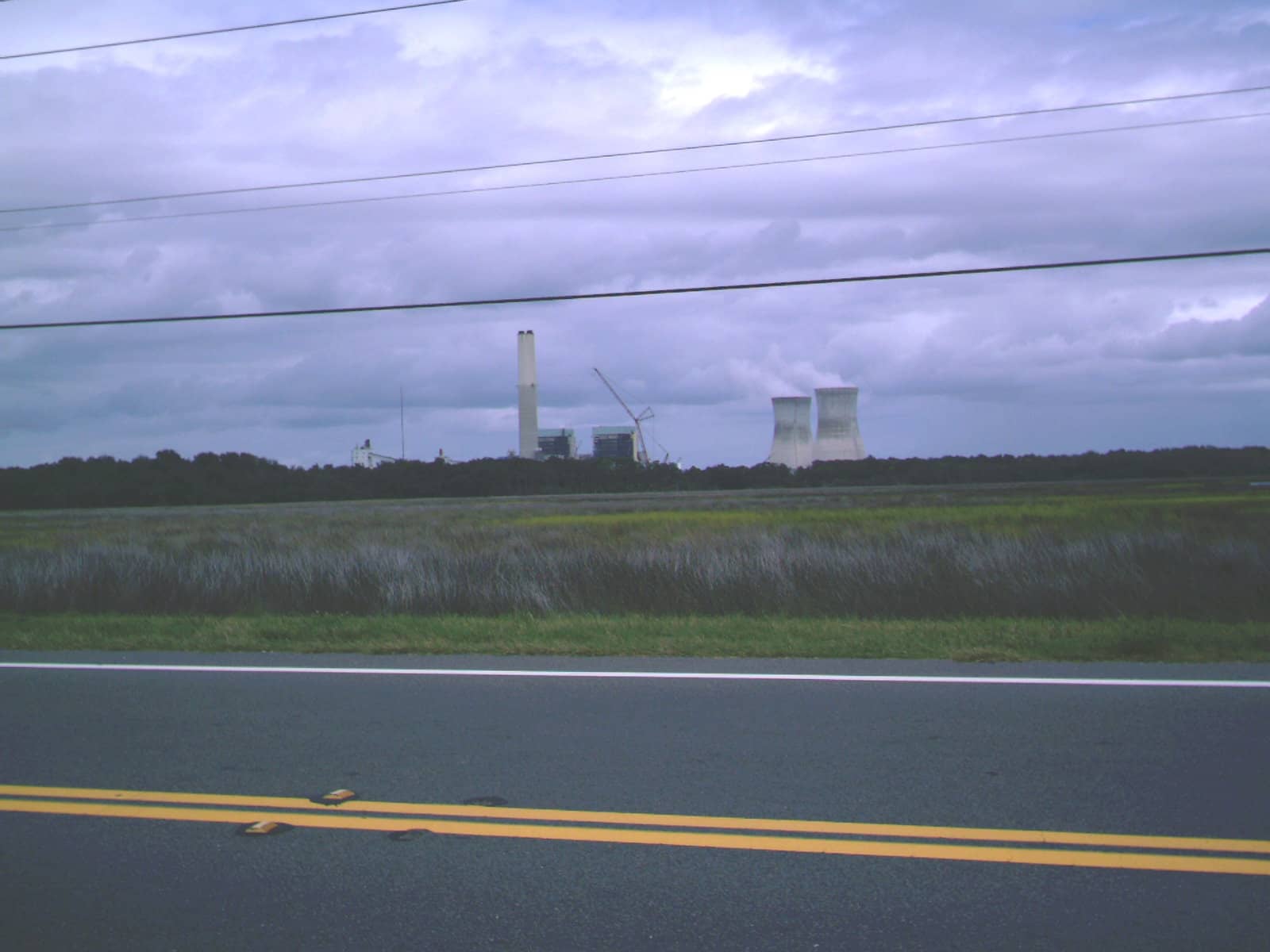
Jacksonville council members weigh relief for high JEA bills as utility says it isn't ready for a hyperscale data center
1d ago

Rays to open Westshore ballpark experience center in 2027 as Tampa stadium deal moves ahead
2d ago