Florida Makes Disaster Supply Sales-Tax Exemption Permanent for 2026 Hurricane Season
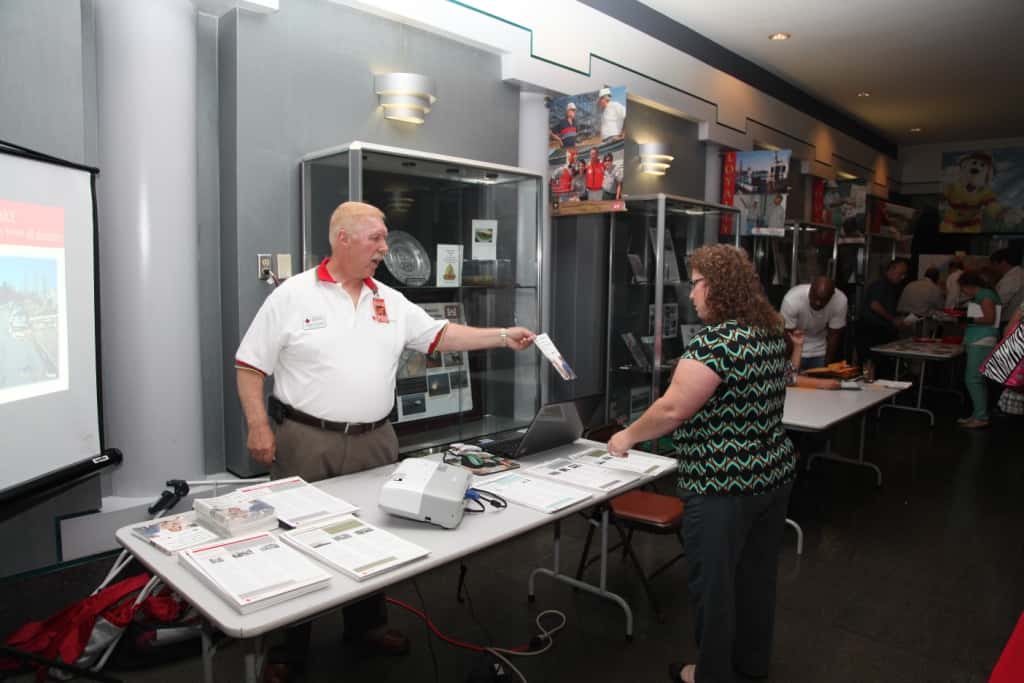
Floridians heading into the 2026 hurricane season can stock up on emergency supplies without watching the calendar for a tax break. The state has replaced its annual temporary disaster-preparedness sales-tax holiday with a permanent sales-tax exemption on disaster supplies, meaning qualifying items are now free of sales tax year-round rather than only during a short seasonal window.
The change stems from legislation signed by Gov. Ron DeSantis in 2025 that made many sales-tax exemptions permanent. For households building or refreshing a hurricane kit, the practical effect is straightforward: there is no longer a two-week period to plan around. Residents can buy covered supplies whenever they need them and still avoid the tax.
The shift takes on added significance because the Atlantic hurricane season runs from June 1 to November 30, a stretch of six months during which conditions can change quickly. Removing the time limit means a family that misses an early-season purchase, or that needs to replace items mid-season, is not penalized for buying outside a designated holiday.
For a state that faces the threat of tropical storms and hurricanes every year, the permanent exemption is being framed as a way to encourage steady, ongoing preparedness rather than a last-minute rush.
The policy also reflects how deeply hurricane readiness is woven into daily life in Florida. Few other states confront a recurring natural threat on the scale that the Atlantic season presents, and the routines of stocking supplies, checking equipment, and reviewing plans have become a seasonal rhythm for millions of residents. A standing tax break treats that readiness as the ongoing obligation it has effectively become, rather than as a once-a-year errand tied to a narrow promotional window.
From a tax holiday to a permanent exemption
For years, Florida offered a temporary disaster-preparedness sales-tax holiday, a defined window during which shoppers could buy certain emergency supplies without paying sales tax. The holidays were popular but limited, concentrating purchases into a brief period and leaving anyone who shopped outside the window paying full price.
The 2025 legislation changed that structure by making the exemption permanent for qualifying disaster supplies. According to the framework described by state officials, shoppers can now buy eligible emergency items tax-free at any time of year. The two-week holiday model has effectively been retired in favor of a year-round benefit.
The Florida Department of Revenue administers sales-tax matters in the state, and residents should look to that agency for the official details on which items qualify and how the exemption is applied at checkout. As with any tax provision, the specifics matter, and shoppers are advised to confirm eligibility rather than assume every emergency-related product is covered.
The move fits a broader pattern of the state converting temporary tax relief into permanent policy, a change supporters say gives residents more flexibility and predictability when preparing for storms.
What supplies are covered
Covered items include batteries, certain generators, smoke detectors, carbon monoxide alarms, and other essential emergency supplies, according to the framework described by officials. These are the kinds of products that form the backbone of a basic preparedness kit, providing power, light, and early warning when a storm disrupts normal services.
Because eligibility can hinge on details such as product type and, in some cases, price, residents should verify the current list with the Florida Department of Revenue before assuming an item qualifies. This article does not detail specific price thresholds or a full eligibility list beyond the categories named above, and shoppers should treat any product as taxable until they confirm it is covered.
Generators are a notable inclusion, since portable power can be critical during the extended outages that sometimes follow major storms. Smoke detectors and carbon monoxide alarms also carry safety importance well beyond hurricanes, and the exemption may make it easier for households to keep those devices current.
Batteries, meanwhile, are among the most commonly depleted supplies during storm preparations, powering flashlights, radios, and other essentials. A year-round tax break on them removes one small barrier to keeping a kit fully stocked.
Why year-round buying helps
The central advantage of a permanent exemption is timing flexibility. Under the old holiday model, residents who wanted the tax break had to buy during a specific window, which often meant crowded stores and the risk of shortages as shoppers competed for the same items. Spreading purchases across the year eases that crunch.
Year-round eligibility also supports the reality of how preparedness actually works. Supplies get used, batteries drain, and equipment wears out. A household that builds a kit in June may need to replace items by September or October, and under the permanent exemption those replacements remain tax-free.
The change can also help families budget. Rather than facing a single concentrated outlay during a holiday period, residents can buy a few items at a time as money allows, without losing the tax benefit. That can make full preparedness more attainable for households on tight budgets.
Emergency-management experts have long encouraged residents not to wait until a storm is approaching to prepare, since supplies can vanish from shelves once a system threatens the state. A year-round tax incentive aligns with that guidance by rewarding early and steady purchasing.
There is a behavioral dimension as well. A fixed holiday can inadvertently train shoppers to delay, holding off on purchases until the calendar permits a discount and then crowding into stores all at once. Removing that artificial deadline lets demand spread out naturally, which can reduce the run on shelves that tends to accompany both tax holidays and approaching storms. In a state where a single warning can empty aisles within hours, anything that smooths out buying patterns carries practical value.
Building a hurricane kit
A well-stocked hurricane kit generally centers on the essentials needed to weather a storm and its aftermath, including power, light, communication, and safety devices. The categories covered by the permanent exemption, such as batteries, generators, smoke detectors, and carbon monoxide alarms, map closely onto several of those core needs.
Beyond the tax-exempt categories, standard preparedness guidance encourages residents to maintain supplies of water, non-perishable food, medications, and important documents, though those items fall outside the scope of the supply categories described here. Households should consult official emergency-management resources for comprehensive kit checklists.
A key principle is to tailor a kit to the household. Families with young children, older adults, people with medical needs, or pets each have particular requirements that a generic list may not capture. Reviewing those needs before the season intensifies helps ensure the kit will actually serve the household when it matters.
Maintenance matters as much as assembly. Experts recommend checking kits periodically, replacing expired items, and testing equipment such as generators and alarms so they function when needed. The permanent exemption makes that ongoing upkeep less costly.
Preparation matters even in a quieter forecast
Forecasters have indicated that the 2026 season could be a below-normal one, but emergency officials consistently stress that a quieter forecast is not a reason to relax. It takes only one storm reaching a community to cause serious damage, and seasonal outlooks describe overall activity, not the risk to any single location.
That message is especially relevant in Florida, where the long coastline and dense population mean even an otherwise calm season can bring hardship if a storm makes landfall in a populated area. Preparedness is, in that sense, a constant rather than something to scale up or down based on a forecast.
The permanent tax exemption reinforces that mindset by treating preparedness as a year-round responsibility rather than a seasonal event. By removing the time pressure of a holiday window, the policy encourages residents to stay ready throughout the season and beyond.
Officials continue to urge Floridians to have a plan in place, know their evacuation zones, and keep supplies current. The tax break lowers one cost of doing so, but the responsibility to prepare ultimately rests with each household.
A small but steady form of relief
For households watching every dollar, the permanent exemption functions as a modest but reliable form of cost relief. Hurricane preparedness is not free, and the price of generators, batteries, and safety devices can add up quickly when a family is assembling a kit from scratch. Removing sales tax from those purchases does not eliminate the expense, but it trims it in a way that applies consistently rather than only during a fleeting window.
The change may matter most for residents who previously skipped the holiday because its timing did not fit their schedule or budget. A worker who could not shop during the designated days, or a family whose paycheck did not line up with the window, no longer has to forfeit the benefit. By making eligibility continuous, the policy widens the pool of people who can realistically take advantage of it.
There is also a quieter equity dimension. Lower-income households often face the greatest difficulty preparing for storms, since the upfront cost of supplies competes with other immediate needs. Letting those families buy a piece at a time, tax-free, throughout the year can make a complete kit more attainable than a single concentrated purchase ever would.
None of this replaces broader preparedness support, and officials are careful to frame the exemption as one tool among many. Still, in a state where storm readiness is a recurring expense, a permanent break on essential supplies offers a small measure of predictability that residents can count on season after season.
What's next
As the 2026 season unfolds from June through November, residents can take advantage of the permanent exemption to build and maintain their kits at any point, without waiting for a designated holiday. Those uncertain about whether a specific item qualifies should check with the Florida Department of Revenue.
The permanence of the exemption means the benefit will carry into future seasons as well, giving Floridians a standing incentive to keep preparedness supplies on hand year after year. That continuity is part of what supporters cite as the policy's main advantage over the old temporary model.
Emergency managers are likely to keep emphasizing early preparation, particularly as the season progresses toward its traditionally more active late-summer and early-fall stretch. Residents who act before any storm threatens will be better positioned than those who wait.
For now, the practical takeaway is clear: the tax incentive to prepare is available all year, the season runs through November 30, and officials encourage Floridians to ready their homes and families regardless of how the forecast looks.
Spotted an issue with this article?
Have something to say about this story?
Write us a letterComments
No comments yet. Be the first to weigh in.
Related Coverage

Storm-Force Low Off Southeast Coast Has 40% Chance to Turn Subtropical as Florida Coast Faces Tidal Flooding, Rough Surf
2d ago
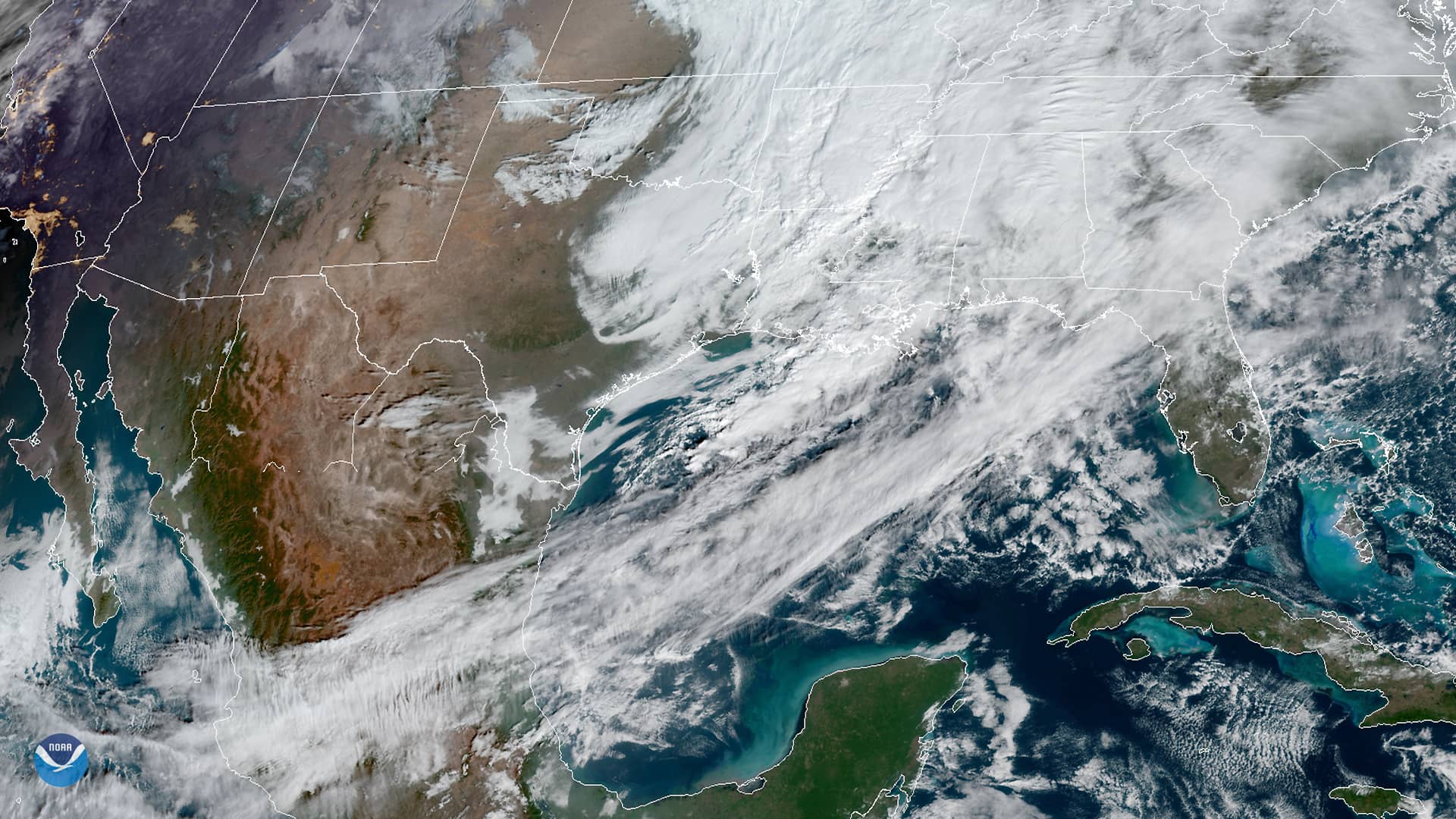
Strong fall cold front brings Florida Saturday rain, cooler air and dangerous surf this weekend
5d ago
Hurricane Center Gives Atlantic Low Near Cabo Verde a 20% Chance as Florida Gets a Break After Isaias
Oct 12

Tallahassee and the Big Bend Escape Isaias' Worst, With Downed Trees, Brief Outages and Rising Rivers to Watch
Oct 9