Florida Moves to Expand University Boards' Power Over Curriculum as UF Presidential Search Draws Scrutiny
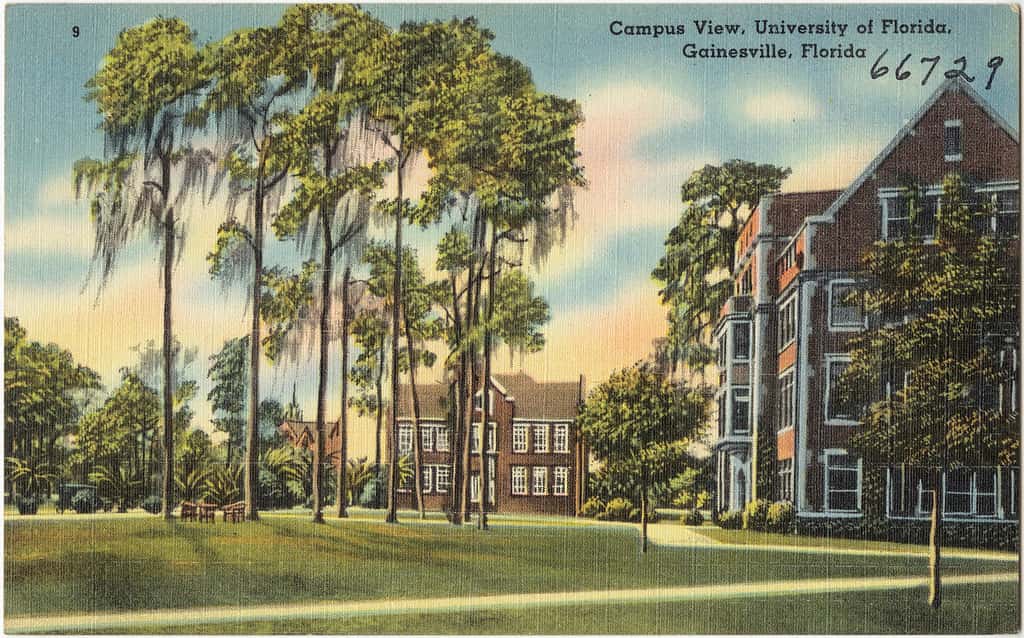
Florida's continuing reshaping of its public universities advanced this week on two fronts, as lawmakers moved to expand the authority of governing boards over what students must study and as the University of Florida's high-profile presidential search drew renewed scrutiny. Together, the developments underscore how central higher education has become to the state's political agenda and how closely Tallahassee now manages decisions once left largely to campuses and faculty.
Legislation awaiting action would increase the power of the state boards that oversee Florida's public colleges and universities to alter core curricula. The move follows decisions this spring in which those boards directed institutions to remove certain courses from the list that can satisfy general education requirements, publicly citing concerns about ideology as their rationale for the changes.
The dual storylines arrive as Florida promotes its public university system, which state leaders have touted as a national leader in measures of affordability and performance. Supporters see disciplined governance, accountability, and a focus on workforce-relevant learning, while critics warn of growing political influence over academic decisions that have traditionally rested with scholars and accrediting bodies rather than elected officials and their appointees.
The push over general education
General education requirements are the foundational courses that all undergraduates must complete regardless of major, typically spanning subjects such as English composition, mathematics, history, and the natural sciences. Control over which courses count toward those requirements shapes the intellectual core of a degree and determines what every graduate of a Florida public institution is expected to have studied.
This spring, the boards governing Florida's universities and state colleges ordered institutions to remove sociology from the list of courses that could fulfill general education requirements, publicly citing ideology as a motivation. The proposed legislation would further cement and expand the boards' authority to make such curricular changes statewide, formalizing a level of central control over course content that goes beyond the boards' traditional oversight role.
Proponents argue that elected and appointed leaders should ensure that taxpayer-funded core curricula reflect rigorous, broadly applicable content rather than what they describe as politicized coursework. Faculty groups and many academic observers counter that centralized control over course content risks politicizing the classroom and eroding the role of disciplinary expertise, warning that decisions about academic substance are best made by those trained in the fields involved.
The University of Florida search
At the state's flagship campus in Gainesville, the search for a new president has generated considerable debate. The university named a sole finalist for the role, a former leader of a major public university, a choice that bucked a recent trend in Florida of elevating former Republican officeholders to campus leadership posts rather than seasoned academic administrators.
The selection drew criticism from some quarters over aspects of the finalist's record, illustrating how presidential searches have become flashpoints in the broader fight over the direction of higher education in the state. Presidential appointments carry enormous weight, influencing research priorities, fundraising capacity, faculty recruitment and retention, and the overall culture of an institution for years after the hire is made.
The University of Florida is a major research institution and a key driver of the state's economy and workforce, which raises the stakes of its leadership transition considerably. The outcome will be watched closely as a signal of how the state intends to balance academic credentials against political considerations in its most important higher education appointments, and of how much weight scholarly experience will carry going forward.
A broader strategy
The curriculum and leadership developments fit within a multiyear effort by Governor Ron DeSantis and allied lawmakers to reshape Florida higher education in line with their priorities. That effort has included appointing trustees and presidents aligned with the administration's vision and restructuring some institutions, most prominently a small public college that became a focal point of the broader campaign.
DeSantis also moved this week to fill seats on a university board of trustees, part of the ongoing process of staffing the governance bodies that steer individual campuses. Trustees set budgets, approve major initiatives, and hire presidents, giving them significant and lasting influence over institutional direction long after the officials who appointed them have left office.
Observers note that the cumulative effect of these appointments could outlast any single administration, shaping Florida's universities for years regardless of who wins the 2026 governor's race. Supporters call it accountability and alignment with public priorities, while detractors describe it as a politicization of academic institutions that could affect their national standing and their ability to recruit top scholars and students.
What it means for students and families
For Florida students and their families, the practical questions center on what a degree requires, what it costs, and what it is worth in the job market. Changes to general education requirements directly affect course planning, the transfer pathways that allow students to move from state colleges to universities, and the time and money it takes to reach graduation.
Florida has emphasized affordability, including relatively low in-state tuition and strong financial aid programs such as the state's merit scholarship, as a central selling point for keeping talented students in state. Families weighing options will be watching whether governance changes affect the quality, reputation, and accreditation standing of Florida degrees, all of which influence the long-term value of the education.
Prospective students should pay attention to how curricular changes interact with their intended majors and career goals, and to how the leadership transition at the University of Florida and other campuses ultimately unfolds. Academic advisors and published course catalogs remain the most reliable resources for navigating requirements as they continue to evolve under the new policies.
The cost and value question for families
For Florida families, the debates over curriculum and leadership ultimately intersect with a practical concern: whether a state university education remains an affordable and worthwhile investment. Florida has built its higher education brand partly on low in-state tuition and a generous merit scholarship program that keeps many high-achieving students in state, and families weigh those financial advantages heavily when choosing where their children will study.
The value of a degree, however, depends on more than its price. Employers, graduate programs, and professional licensing bodies all consider the reputation and accreditation of an institution, which means that governance controversies can have downstream effects on graduates if they erode an institution's standing. Families watching the current changes are weighing whether the state's universities will maintain the academic credibility that gives their degrees lasting worth.
Accreditation has itself become a point of contention, as state leaders have explored creating or moving toward alternative accrediting arrangements. Accreditation affects students' eligibility for federal financial aid and the transferability of credits, so any shift in that area carries real stakes for affordability and flexibility, and families would be wise to follow those developments closely as they plan.
How Florida compares nationally
Florida officials frequently highlight national rankings that place the state's university system among the best in the country for value and performance, citing graduation rates, affordability, and post-graduation outcomes. Those metrics have been a source of pride and a central part of the case that the state's governance approach is producing results rather than harming quality.
Critics counter that rankings capture only part of the picture and may lag behind changes that affect faculty recruitment, research funding, and academic freedom. They argue that the long-term health of a university system depends on its ability to attract and retain top scholars and students, and they warn that prolonged political conflict could eventually weigh on those measures even as headline rankings stay strong.
The truth will become clearer over time, as enrollment trends, faculty hiring, research output, and graduate outcomes reveal whether Florida's approach strengthens or weakens its institutions. For now, families and students are left to weigh competing claims as they make decisions that will shape their futures and their finances.
Faculty, tenure, and recruitment
Among the most closely watched effects of Florida's higher education changes is their impact on faculty, including reforms that have altered tenure review and given administrators and boards greater oversight of personnel decisions. Supporters frame these measures as accountability that ensures professors remain productive and aligned with institutional missions, while many faculty view them as a threat to the academic protections that underpin independent research and teaching.
The stakes extend to recruitment and retention, because universities compete nationally for talented scholars who weigh job security and academic freedom alongside salary and resources. If prospective faculty perceive Florida as a difficult environment, institutions could find it harder to attract the researchers who drive grant funding, graduate programs, and the prestige that benefits students. Whether that risk materializes will be a key measure of the reforms over time.
What is next
The general education legislation will move through the remaining steps required to become law, and university boards are expected to continue exercising their expanded authority over curricula in the meantime. Faculty organizations and academic freedom groups are likely to keep pressing their concerns through public comment, resolutions, and other channels as the changes take hold.
At the University of Florida, the presidential search will proceed toward a final decision, with the board of trustees and the state university system's governing board playing decisive roles in confirming the choice. The selection will set the tone for the flagship's next chapter and offer a clear indication of the qualities the state now prizes in its top academic leaders.
Taken together, the week's developments confirm that Florida's reshaping of higher education is far from finished. Students, faculty, and families across the state will continue to feel the effects of decisions made in Tallahassee and in university boardrooms, decisions that will define what a Florida public university education looks like for years to come.
Spotted an issue with this article?
Have something to say about this story?
Write us a letterComments
No comments yet. Be the first to weigh in.
Related Coverage

Appeals Court Rules Escambia School Board Members Can Be Deposed Over Library Book Removals
2h ago
Orange County Public Schools Lost About 8,000 Students in a Year, and Roughly 5,000 Were Immigrants, District Data Show
20h ago

University of Tampa President Teresa Abi-Nader Dahlberg to Step Down at End of Fall Term
1d ago

Broward Schools to Pilot Free Pads and Tampons in Student Restrooms at Seven Campuses
2d ago