Florida Panthers Miss 2026 NHL Playoffs After Back-to-Back Championships as Injuries Derail Title Defense

The Florida Panthers, winners of back-to-back Stanley Cup championships in 2024 and 2025, failed to qualify for the 2026 NHL Playoffs after a season decimated by injuries that ultimately proved insurmountable for even the most competitive NHL franchise of the previous several years. The team was officially eliminated from postseason contention with a 9-4 loss to the Pittsburgh Penguins on April 5, finishing with a 37-36-3 record, the first time the organization had missed the playoffs since the 2018-19 season.
The collapse of a consecutive championship defense is rare in NHL history and almost entirely attributable to a catastrophic run of injuries that began before the first regular-season game was played. Captain Aleksander Barkov, the cornerstone of the Panthers' identity and the most important player in franchise history, tore the ACL and MCL in his right knee at the 20-minute mark of the very first full-team training camp practice, requiring surgery that ended his season before it ever began. The Panthers attempted to build a competitive team around his absence but never fully recovered from the loss of their most indispensable performer.
The injury wave extended well beyond Barkov. Matthew Tkachuk, the team's second-highest-profile player and a principal driver of both championship runs, missed the first 47 games of the season while recovering from offseason surgery to repair a torn adductor and sports hernia. By the time both pillars of the Panthers' identity were fully removed from the roster simultaneously, the team had already fallen too far behind in the tight Atlantic Division standings to mount the kind of sustained winning run required to re-enter the playoff picture.
The Full Scope of the Injury Crisis
The injury toll on the 2025-26 Panthers roster extended to nearly every level of the team's depth chart. Jonah Gadjovich, a physical forward who contributes to the team's identity as a grinding, hard-to-play-against team, missed 72 games. Tomas Nosek missed 60 games with a knee injury of his own. Dmitry Kulikov, a veteran defenseman, missed 58 games primarily due to shoulder problems and a broken nose sustained in a game collision. Seth Jones, whose acquisition was supposed to bolster the defensive corps, also missed significant time.
Even players who remained in the lineup for substantial portions of the season dealt with nagging issues that limited their effectiveness. Sam Reinhart, Brad Marchand, Evan Rodrigues, and Anton Lundell all appeared on the injured reserve or played through injuries that reduced their production and availability. By the end of the regular season, the Panthers had accumulated well over 500 man-games lost to injury, a figure that NHLPA data analysts described as historically extreme even accounting for the variance that all NHL teams experience in a long season.
The scale of the injury crisis prompted both management and outside observers to ask whether the unprecedented workload the Panthers had accumulated during their two championship runs had begun to exact a physical toll on the roster. The franchise played 314 games over the three seasons preceding 2025-26, the most of any NHL team over any comparable three-season span in the modern era. Three deep playoff runs, each requiring the full physical commitment that comes with going game-to-game in a best-of-seven format, inevitably imposed wear on bodies that the summer rest periods between seasons did not fully repair.
Barkov's Season-Ending Injury
The loss of Aleksander Barkov represented a blow that transcended statistics. As captain, two-time Selke Trophy winner, and the symbolic center of everything the Panthers had built under head coach Paul Maurice, Barkov's presence in the locker room, on the ice, and in the community carried weight that no combination of replacement players could approximate. His injury at training camp, before the season had even begun to generate momentum or identity, set a tone of misfortune that followed the team throughout the campaign.
Barkov had completed two of the most decorated seasons of his career during the championship runs of 2024 and 2025, elevating his play in high-stakes moments in a way that earned him recognition as one of the NHL's most complete two-way players. The ACL and MCL tear that ended his 2025-26 season is considered a significant injury that typically requires a full year of rehabilitation before a player returns to elite performance levels, raising questions about whether Barkov at age 31 can fully recapture his previous form after missing the entire season.
The Panthers' medical staff and the organization have declined to provide specific timelines for Barkov's return beyond indicating that he is expected to be ready for the start of training camp for the 2026-27 season. His status will be the single most consequential factor in evaluating the Panthers' chances of returning to playoff contention in the coming year, given how thoroughly his presence or absence shaped the two most different seasons in franchise history.
The Cost of Back-to-Back Championships
The Panthers' 2025-26 collapse has renewed a broader conversation in the NHL about the physical cost of deep playoff runs and whether the league's structure, which rewards the teams that advance deepest in the postseason with the most games played, creates conditions that disadvantage those same teams in subsequent seasons. The teams that win championships tend to be the ones whose rosters have been pushed hardest, and the combination of accumulated wear and the emotional difficulty of sustaining motivation after winning the game's ultimate prize creates a well-documented competitive challenge.
Florida's specific situation was amplified by the fact that the injuries hit disproportionately at the top of the roster rather than at replaceable depth positions. Losing Barkov and Tkachuk simultaneously is analogous to removing a championship team's best two players at once, a scenario that no amount of depth can fully address. Teams that have successfully defended championships in the modern cap era have generally done so with the benefit of stable top-line availability throughout the regular season.
Head coach Paul Maurice, who guided the Panthers through both championship runs, acknowledged that managing a defense of consecutive championships presents challenges that are simultaneously physical, psychological, and motivational. The difficulty of re-creating the hunger and intensity that drives playoff success after the ultimate goal has already been achieved is something that championship coaching staffs consistently identify as one of the hardest aspects of sustained excellence in professional sports.
How the Season Played Out
Despite the injuries, the Panthers competed admirably through stretches of the season, demonstrating the organizational depth and coaching quality that have made the franchise a consistent contender. Goaltender Sergei Bobrovsky, who will be entering the open market as a free agent following his age-37 season, delivered performances at times that exceeded expectations given the offensive support and defensive coverage limitations imposed by the injury-depleted roster in front of him.
The team's final record of 37-36-3 reflects a group that never found a sustained winning rhythm but also never completely collapsed, avoiding the kind of extended freefall that organizations with weaker foundations sometimes experience when key personnel are unavailable for extended periods. The 37 wins in a lost season represent a baseline of organizational quality that management and coaches pointed to when discussing the realistic prospects for a bounce-back campaign in 2026-27.
The elimination itself came with some measure of relief for a roster that had been grinding through a losing record and managing mounting injuries simultaneously. Once the playoff door closed in early April, the focus shifted to allowing injured players to complete their recoveries without any pressure to return before they were physically ready, a change in circumstance that the training staff viewed as an opportunity to ensure that the most important players enter next season fully healthy rather than carrying any residual damage from the 2025-26 injury accumulation.
The Offseason Questions
The Panthers face several significant roster decisions in the offseason that will shape their ability to return to championship contention in 2026-27. Bobrovsky's future is the highest-profile question, with the veteran goaltender entering the open market after a season in which his performance showed the limitations that come with being a 38-year-old goaltender playing behind an injury-depleted defense. The market for starting goaltenders with strong recent championship credentials is typically robust, and Bobrovsky is expected to have multiple options.
Beyond goaltending, the Panthers' cap structure will require creative management to accommodate the roster investments necessary for a genuine championship contender while staying within the NHL's salary cap limits. The organization has limited flexibility with the combination of long-term commitments to its core players and the need to address specific roster weaknesses identified during the 2025-26 season. Management has indicated that the bottom-six forward corps and the third defensive pairing represent areas where off-season additions could meaningfully improve the team's ability to withstand the inevitable player unavailability that every NHL team experiences.
The trade market and free agency period that opens in late June will be watched closely by Panthers fans who witnessed two Stanley Cup championships and now face the prospect of rebuilding toward a third. The organization's talent evaluation track record, which has produced multiple championship-caliber rosters through a combination of draft success, smart free agency, and well-executed trades, provides reasonable grounds for optimism that the off-season will yield a roster capable of returning to playoff form when healthy players return.
What the 2026 Playoffs Look Like Without Florida
The absence of the two-time defending champion Florida Panthers has added narrative interest to the 2026 Stanley Cup Playoffs, which are now guaranteed to produce a new champion for the first time since the 2023 season. The Tampa Bay Lightning, Florida's other NHL franchise, made the playoffs as the No. 2 seed in the Atlantic Division but saw their season end in a hard-fought seven-game series loss to the Montreal Canadiens in the first round. The result means both Florida franchises are watching the remainder of the postseason from the sideline.
The Eastern Conference Final, featuring the Carolina Hurricanes, represents competition from outside Florida's traditional sphere of playoff influence in recent seasons. The Panthers' dominance over the past three seasons had made Florida the presumptive representative of the Eastern Conference in the Stanley Cup Final, and the league is now navigating what the bracket looks like without the defending champion in the picture for the first time in three years.
What's Next for the Panthers
The Panthers' path back to championship contention in 2026-27 runs almost entirely through the health and performance of Aleksander Barkov when he returns from his knee surgery. If Barkov comes back to his pre-injury level of performance and Tkachuk re-establishes his All-Star form after two consecutive seasons of injury interruption, the core talent on this roster remains among the best in the Eastern Conference. The depth and institutional knowledge built during the championship years, along with the coaching continuity under Paul Maurice, provides the organizational foundation that gives the Panthers a realistic pathway back to the top of the Atlantic Division.
The 2026-27 season cannot come fast enough for a Florida Panthers fanbase that experienced the extraordinary highs of back-to-back championships only to watch the title defense dissolve before the season properly began. The franchise's commitment to its core and the clarity of what went wrong in 2025-26 give both management and supporters reason to believe that the championship window in Sunrise is not closed, merely paused by a year of misfortune that no amount of preparation or planning could have fully anticipated.
Spotted an issue with this article?
Have something to say about this story?
Write us a letterComments
No comments yet. Be the first to weigh in.
Related Coverage
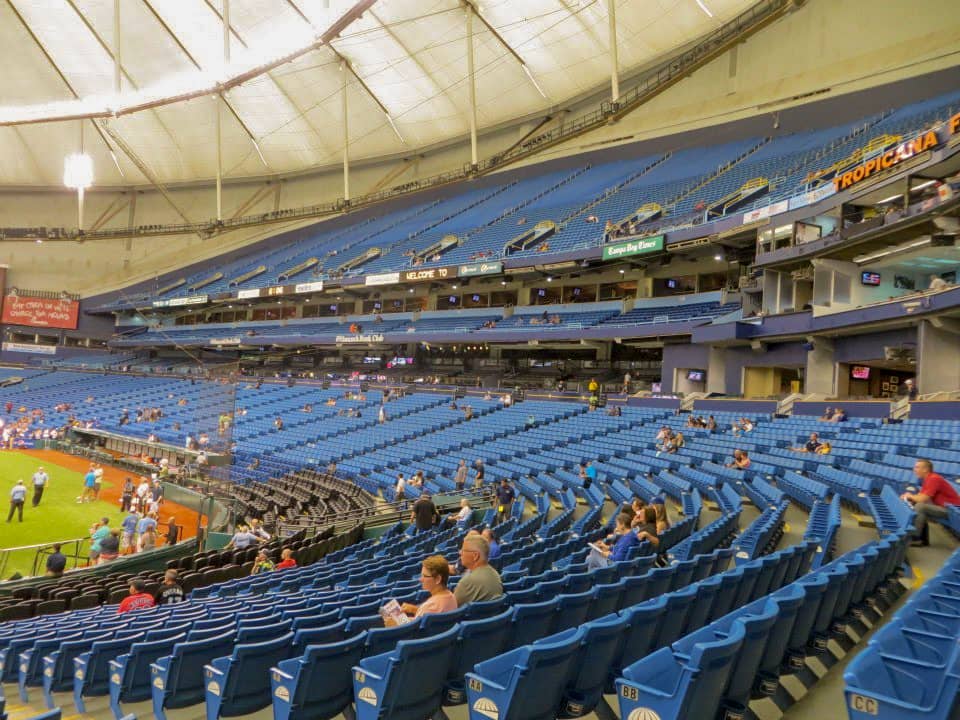
Rays await Guardians or White Sox in ALCS after sweeping Yankees; Game 1 Monday at Tropicana Field
4h ago
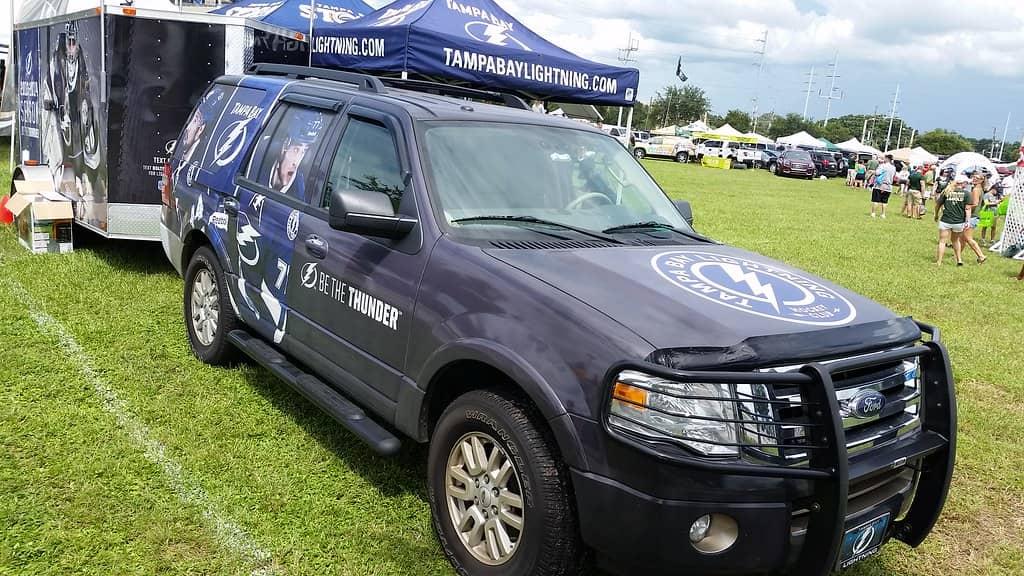
John Carlson scores twice, Dennis Hildeby makes 34 saves as Lightning hold off Wild 3-2
5h ago
Winless Dolphins host Bengals at Hard Rock Stadium seeking first win under Jeff Hafley
1d ago
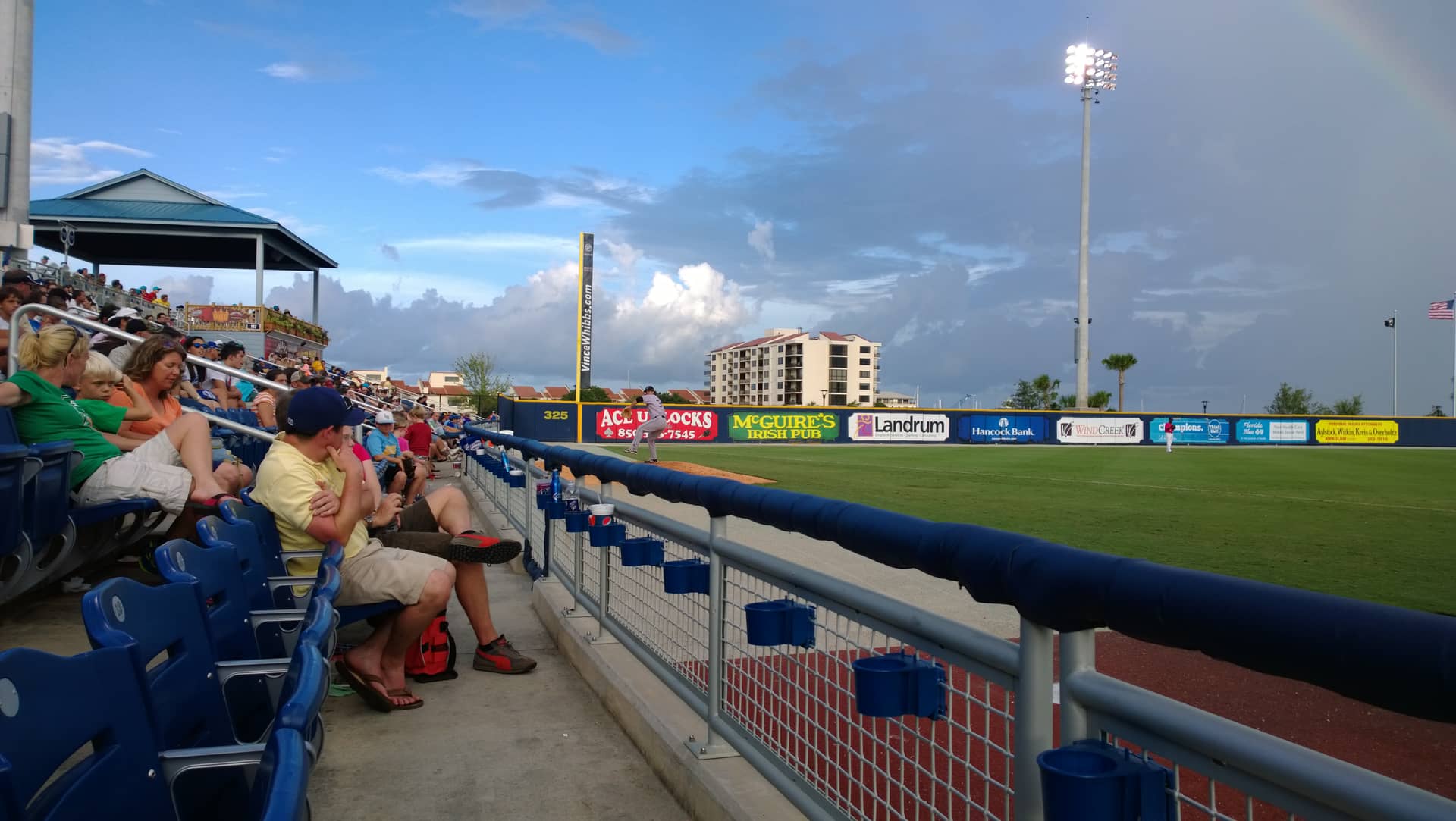
Hurricane Isaias Scrambles Florida Sports: FSU Cancels Pensacola Games, FAMU Moves to Friday
1d ago