Florida Property Tax Amendment Locked In for November Ballot After Final Filing
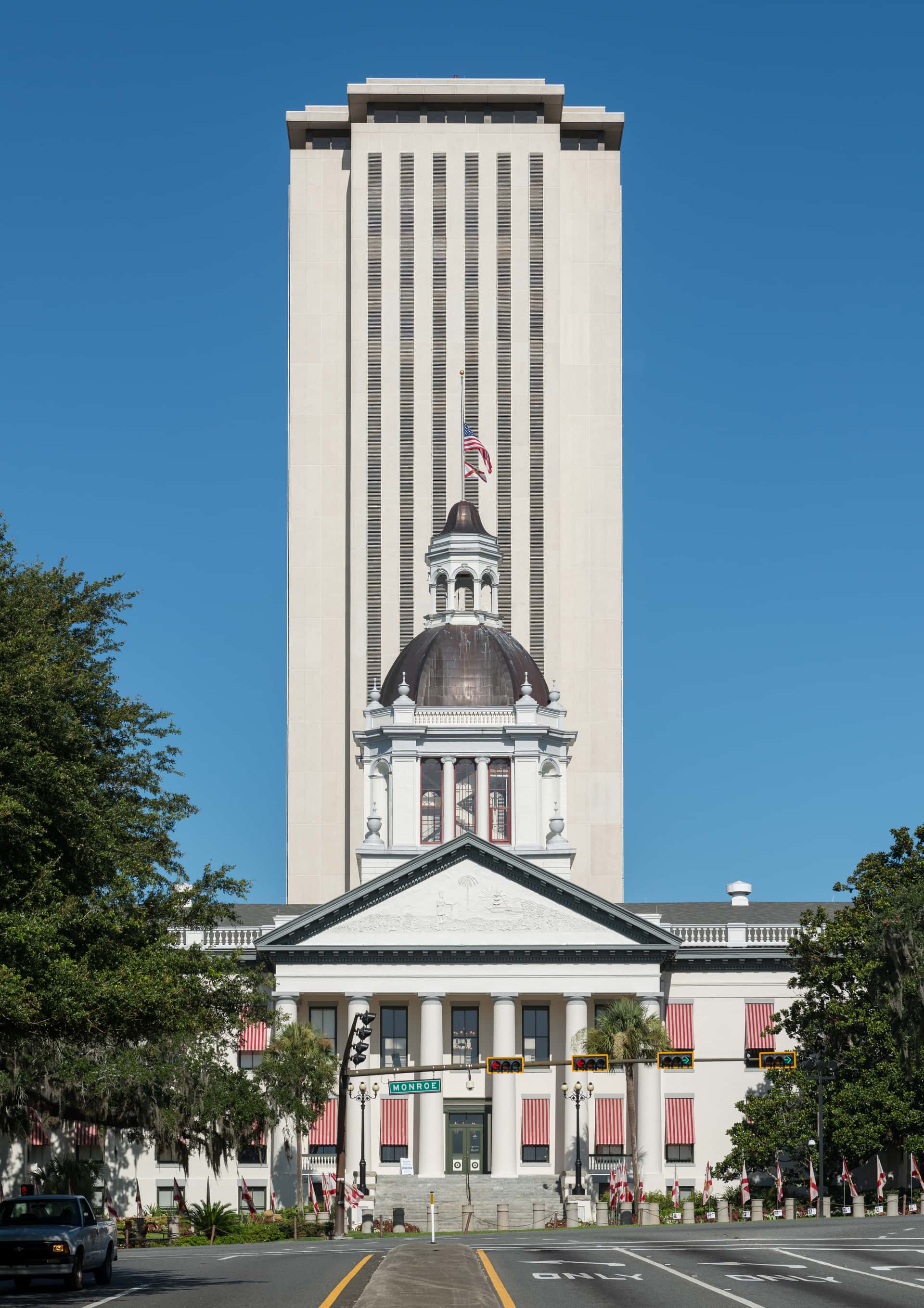
A proposed constitutional amendment that would sharply increase the homestead exemption for Florida homeowners has cleared its final procedural hurdle and is now formally bound for the November 2026 general election ballot. The measure, titled Save Our Homes from Excessive Property Taxes, was signed by the presiding officers of the Florida House and Senate and filed with Secretary of State Cord Byrd, completing the last step required to place the question before voters statewide.
The filing closes out a fast-moving sequence that began earlier this month, when the Legislature convened in a special session called by Governor Ron DeSantis to advance broad property tax relief. For Florida families who have watched their tax bills climb alongside rising home values, the amendment represents the most consequential change to homestead taxation in nearly two decades, and it now rests entirely in the hands of the electorate.
What the amendment would do
If approved, the measure would raise the amount of a homestead property's assessed value that is shielded from most property taxes. The proposal phases in over time, beginning with a $150,000 homestead exemption in 2027 and rising to $250,000 in 2028. Beginning in 2029, those exemption amounts would be indexed for inflation, allowing the shield to grow automatically as the cost of living increases rather than requiring the Legislature to revisit the figure each year.
The new exemptions carry an important limitation. They do not apply to school district levies, which typically account for roughly 40 percent of a Florida homeowner's total property tax bill. That means homeowners would continue paying the school portion of their taxes in full, while seeing relief on the county, municipal, and special district portions of their bills.
Florida's existing homestead protections already cap how quickly the assessed value of a primary residence can rise each year, a framework that has been in place since voters approved the original Save Our Homes provision. The new amendment builds on that foundation by expanding the flat-dollar exemption, a benefit that is worth proportionally more to owners of modestly priced homes.
How it cleared the Legislature
The amendment moved through Tallahassee as CS/HJR 1-F. It cleared the House by a vote of 75 to 26 and the Senate by a margin of 30 to 9, comfortably exceeding the three-fifths legislative threshold required to refer a constitutional amendment to the ballot. Because it is a joint resolution rather than a statute, the measure did not require the governor's signature to advance, though DeSantis has championed property tax relief as a centerpiece of his agenda.
The final filing with the Secretary of State is a ministerial but necessary act. Until the presiding officers signed and transmitted the resolution to Byrd's office, the measure was not yet officially certified for the ballot. With that step complete, county supervisors of elections can now prepare to include the question on ballots that will be mailed and printed ahead of the November 3 election.
The 60 percent threshold
Like all proposed amendments to the Florida Constitution, the measure must win the support of at least 60 percent of voters to take effect. That supermajority requirement, itself added to the constitution by voters in 2006, has become a meaningful obstacle for ballot initiatives in Florida, where several high-profile measures have drawn majority support but fallen short of the 60 percent mark.
Tax relief proposals have historically performed well with the Florida electorate, and the homestead exemption is among the most popular features of the state's tax code. Still, the 60 percent bar means proponents cannot take passage for granted, and the campaign over the measure is likely to intensify as November approaches.
A legal challenge over ballot language
The amendment is not advancing without controversy. A lawsuit has been filed challenging the way the question will be presented to voters, arguing that the ballot summary is biased and misleading. The challengers contend that the summary reads more like an advocacy pitch than a neutral description of what the amendment would actually do, potentially steering undecided voters toward a yes vote.
Ballot summary challenges are a recurring feature of Florida's amendment process. State law requires that the title and summary placed before voters be clear and not misleading, and courts have struck measures from the ballot in past cycles when they found the language fell short of that standard. The outcome of the pending suit could affect whether the measure appears as currently written, though the filing with the Secretary of State signals that backers are confident it will survive scrutiny.
What it means for Floridians
For a typical homestead owner, the practical effect of the amendment would be a reduction in the non-school portion of the annual tax bill, with the largest proportional benefit flowing to owners of lower- and middle-value homes. A homeowner in a $300,000 house would see a far larger share of their value exempted than under current rules, while the benefit to owners of very high-value properties would be capped by the flat-dollar structure.
Local governments, by contrast, have raised concerns about the revenue implications. County commissions, city councils, and special districts rely on property taxes to fund services ranging from law enforcement and fire protection to road maintenance and parks. A broader exemption shrinks the taxable base, which could force local officials to choose between raising millage rates, trimming budgets, or finding alternative revenue. Because the exemption excludes school levies, public education funding would be insulated from the most direct effects.
Analysts who study Florida's tax structure note that flat-dollar exemptions tend to deliver the most relief in counties with lower median home values, while the percentage-based Save Our Homes assessment cap does more for owners in fast-appreciating coastal markets. The combination of the two means the overall effect on any individual homeowner depends heavily on where they live and how long they have owned their home.
Local impact across the state
The stakes vary widely from region to region. In dense, high-cost markets such as Miami-Dade, Broward, and Palm Beach counties, where home values and tax bills are among the highest in the state, the expanded exemption would provide meaningful relief to long-time residents who have felt squeezed by rising assessments and insurance costs. In the Tampa Bay and Orlando metros, where rapid growth has pushed up valuations, the measure would similarly cushion homeowners against escalating bills.
In smaller and more rural counties, where home values are lower, the $250,000 exemption could shield a larger share of the average home's value, in some cases dramatically reducing the non-school tax owed. Local government budgets in those counties, however, are often thinner and more dependent on property tax revenue, which could sharpen the trade-offs that county commissioners face if the measure passes.
What's next
With the amendment now certified for the ballot, attention shifts to the campaign and the courtroom. Supporters are expected to frame the measure as overdue relief for homeowners battered by years of rising costs, while opponents and local government advocates are likely to emphasize the potential strain on county and municipal services. The pending lawsuit over the ballot summary adds a layer of uncertainty, and a court ruling could come before voters head to the polls.
Floridians will make the final decision on November 3. If at least 60 percent vote yes, the phased exemption increase would begin taking effect in 2027, with the full $250,000 shield arriving in 2028 and inflation indexing following in 2029. If the measure falls short, the current homestead framework would remain in place, and the debate over how to ease Florida's property tax burden would almost certainly return to Tallahassee in a future legislative session.
Spotted an issue with this article?
Have something to say about this story?
Write a letter to the editor