Florida Pushes Toward Launching a New College Accreditor as June Target Nears
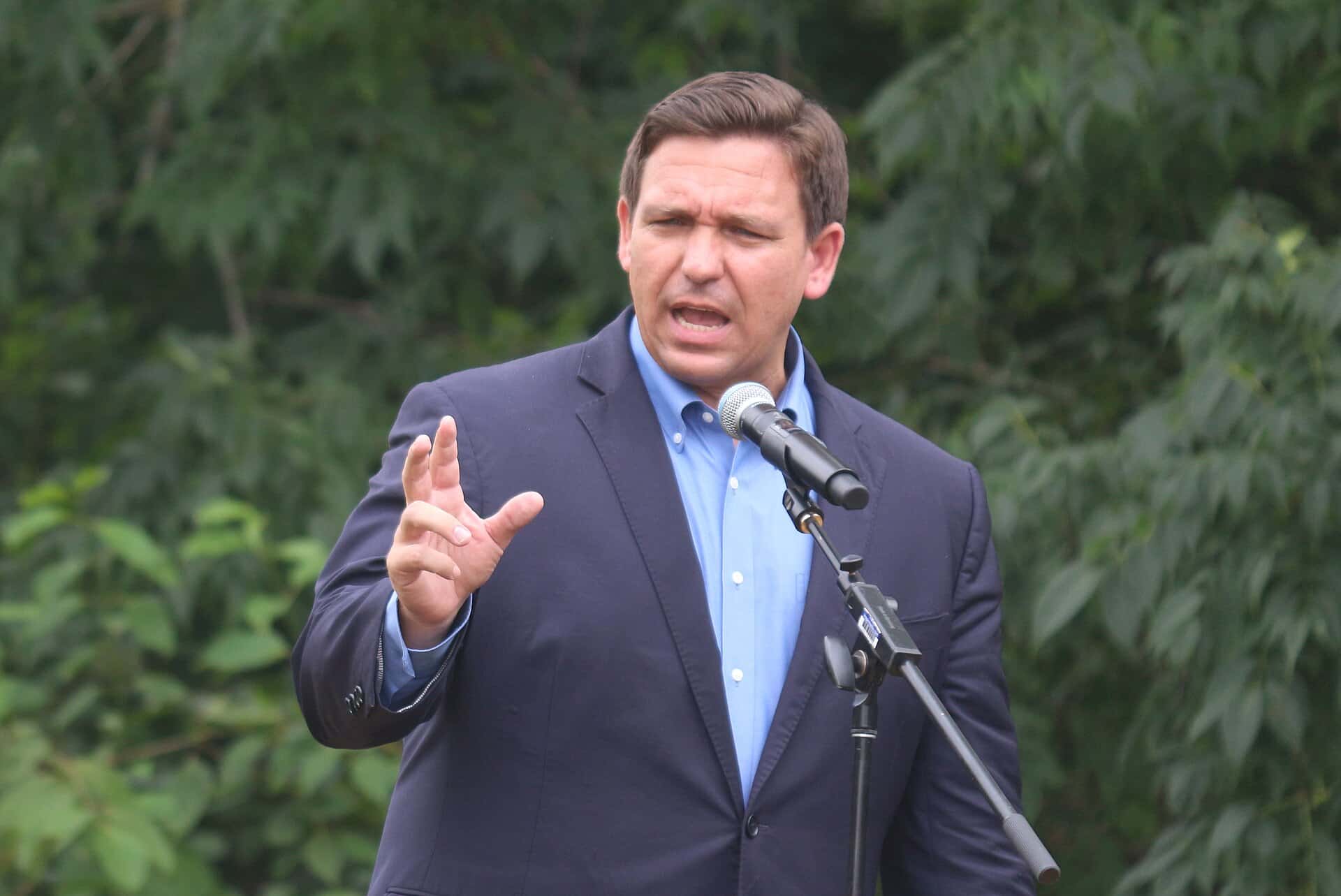
Florida is at the center of an effort to remake how public colleges and universities are accredited, with a new agency built by the state's university system and several partner states targeting June to begin accrediting institutions. The Commission for Public Higher Education represents one of the most direct challenges in years to the traditional accreditation system, and Florida's flagship campuses are poised to be among the first to test it.
What is being built
The Commission for Public Higher Education was created by a coalition of large public university systems, including the State University System of Florida alongside systems in Texas, Georgia, North Carolina, South Carolina, and Tennessee. The group has set an ambitious timeline, aiming to begin accrediting an initial set of institutions by June and to win recognition from the U.S. Department of Education in the years that follow.
Accreditation is the seal of approval that allows colleges to operate with credibility and, critically, to access federal financial aid for their students. Recognition from the U.S. Department of Education is the key that unlocks federal student aid eligibility, which is why the new commission's path to federal recognition is the decisive milestone. Beginning to accredit institutions is the first step; becoming a federally recognized accreditor is the longer-term goal that gives the new body real authority.
The states behind the commission have framed it as an alternative to what they describe as the existing accreditation establishment, which they argue has become too prescriptive on matters beyond academic quality. Supporters cast the new agency as a way to refocus accreditation on educational outcomes and institutional performance.
The structure of the commission reflects that ambition. Rather than a single regional body overseeing institutions within a defined geographic territory, the new agency draws together systems from across several states, pooling their administrative capacity and their reputations in an effort to build credibility quickly. Officials involved in the project have said the commission intends to develop its own standards, review processes, and teams of evaluators, the machinery that any accreditor must have in place before it can credibly judge whether a university meets the bar for quality and financial soundness.
Building that apparatus from scratch is a substantial undertaking. Established accreditors have spent decades refining their standards, training peer reviewers, and accumulating the institutional memory that lends their judgments weight. The new commission must assemble those capabilities on a compressed timeline while simultaneously persuading regulators, employers, and the academic community that its reviews carry the same rigor. Supporters argue that the scale and resources of the participating systems give the venture a running start that smaller startups would lack.
The Florida context
Florida has been at the leading edge of efforts to reshape higher education, and the new accreditor fits a broader agenda pursued by state leaders. The push gained momentum after state officials criticized the traditional accreditation process and argued that public universities should have an alternative aligned with their priorities. The governor has been a prominent champion of rethinking accreditation, and Florida's participation lends the project significant weight given the size of the state university system.
The State University System of Florida includes major research institutions and serves hundreds of thousands of students, so its involvement is not symbolic. If Florida's public universities ultimately seek accreditation through the new commission, it would mark a substantial realignment of how those institutions demonstrate their standing and qualify their students for federal aid.
The effort also reflects a multistate strategy. By banding together, the participating systems pool their scale and credibility, making the new accreditor harder to dismiss than a single-state venture would be. The coalition spans some of the largest public university systems in the South, collectively enrolling a vast number of students.
For Florida specifically, the venture caps several years of aggressive state involvement in the governance of public higher education. State leaders have reshaped boards of trustees, scrutinized curricula, and recruited new campus leadership, all part of a stated goal of aligning the university system more closely with the priorities of elected officials. An accreditor that the state helped design slots neatly into that arc, giving Florida a hand in writing the very standards against which its universities are measured rather than answering to a body it does not control.
Florida's public universities have also climbed in national rankings in recent years, a point state officials frequently cite as evidence that the system is performing well by conventional measures. Backers of the new accreditor argue that strong institutions deserve an oversight body that recognizes their achievements without imposing requirements they view as extraneous to academic quality. Critics counter that high rankings under the current system undercut the case that the existing accreditation framework is holding Florida schools back, raising the question of what problem the new commission is meant to solve.
How accreditation works and why it matters
Accreditation may sound like bureaucratic plumbing, but it has tangible consequences for students and institutions. Accreditors review colleges against standards covering academic quality, financial stability, governance, and student outcomes. A loss of accreditation can be catastrophic for a school, cutting off federal aid and undermining the value of its degrees.
For students, accreditation affects whether their credits transfer, whether their degrees are recognized by employers and graduate programs, and whether they can use federal grants and loans to pay tuition. That is why any change to the accreditation landscape draws intense scrutiny: the stakes for students are high, and disruption to aid eligibility would have immediate real-world effects.
The traditional system relies on regional and national accreditors recognized by the U.S. Department of Education. The new commission is attempting to insert itself into that framework, which means it must clear the federal recognition process to give its accreditation full force. Until that recognition is secured, questions about the practical authority of the new body will persist.
The federal recognition process is deliberately demanding. An aspiring accreditor must demonstrate that it has functioning standards, a track record of applying them, and the independence and competence to make sound judgments about the institutions it oversees. That review can take years, and a body cannot simply declare itself recognized; it must satisfy federal reviewers and advisory panels that scrutinize its operations. For the commission, beginning to accredit institutions in June would start building the very track record that federal recognition requires, but it does not shortcut the wait.
The transition also raises logistical puzzles for institutions caught between systems. A university cannot afford even a brief lapse in accreditation, because such a gap could interrupt students' access to federal aid and cast doubt on the validity of degrees and credits. For that reason, schools exploring the new accreditor are likely to maintain their existing accreditation while the new body works toward recognition, holding dual status until the path forward is certain. Managing that overlap, and eventually deciding when or whether to switch, will be one of the more delicate operational challenges of the entire effort.
Supporters and skeptics
Backers argue the new accreditor will streamline oversight and concentrate on academic results rather than what they view as ideological overreach. They contend that public university systems are well positioned to hold their own institutions to rigorous standards and that competition among accreditors can improve the system overall.
Skeptics, including some higher education observers, have raised concerns about whether an accreditor created and governed by the institutions it accredits can provide genuinely independent oversight. The potential for conflicts of interest is a recurring theme in the debate, as is the question of whether the new body can meet the federal government's standards for recognition. Those concerns will shape how regulators and the broader academic community receive the commission.
Critics also question how a system-built accreditor would handle a finding that one of its own member institutions had fallen short. Traditional accreditors derive part of their authority from their distance: they are separate organizations with no stake in any single school's success. An accreditor owned by the systems it reviews, opponents argue, could face pressure to soften unfavorable judgments or to overlook problems that an arm's-length reviewer would flag. Supporters respond that public university systems already hold their campuses accountable through governance and funding decisions, and that those existing relationships need not compromise an honest review.
The debate ultimately turns on differing views of what accreditation is for. One camp sees it primarily as a quality-control mechanism that protects students and taxpayers and that gains its legitimacy from independence. The other sees the current framework as having drifted into areas beyond academics, and views a state-aligned alternative as a corrective. Federal regulators, who hold the power to grant or withhold recognition, will effectively arbitrate between those visions when they evaluate whether the commission meets the legal standard for an accrediting agency.
What it means for Floridians
For Florida students and families, the immediate practical effect is limited while the commission works toward recognition, but the long-term implications are significant. If Florida's public universities migrate to the new accreditor, students will want assurance that their financial aid, credit transfers, and degree recognition remain secure throughout any transition. Institutions will be focused on avoiding any gap that could jeopardize aid eligibility.
The development also signals the direction of Florida higher education policy more broadly. The state has pursued a series of changes to governance, curriculum, and oversight at its public colleges, and the accreditation effort is among the most consequential. How it unfolds will influence the experience of students across the state university system for years to come.
What's next
The near-term marker is whether the commission meets its June target to begin accrediting an initial group of institutions. The far more important milestone is federal recognition, a multistep process that will determine whether the new accreditor carries the authority that comes with U.S. Department of Education approval. Until then, the project remains a work in progress with high ambitions and meaningful open questions.
Florida's role ensures the effort will stay in the spotlight. As one of the largest participants, the state's public universities are central to whether this experiment in accreditation reform succeeds or stalls, and students and educators across Florida have a direct stake in the outcome.
Spotted an issue with this article?
Have something to say about this story?
Write us a letterComments
No comments yet. Be the first to weigh in.
Related Coverage

OCPS Rejects Special Magistrate's Plan as School Board Takes Up Teacher Contract Impasse
2h ago

Judge Recommends Reprimand, Not Suspension, for Gainesville High Teacher Targeted by State Officials Over 'Dictator' Superlative
5h ago

Appeals Court Rules Escambia School Board Members Can Be Deposed Over Library Book Removals
8h ago

Orange County Public Schools Lost About 8,000 Students in a Year, and Roughly 5,000 Were Immigrants, District Data Show
1d ago