Florida Unveils Abraham Lincoln Statue in The Villages as America's 250th Anniversary Nears
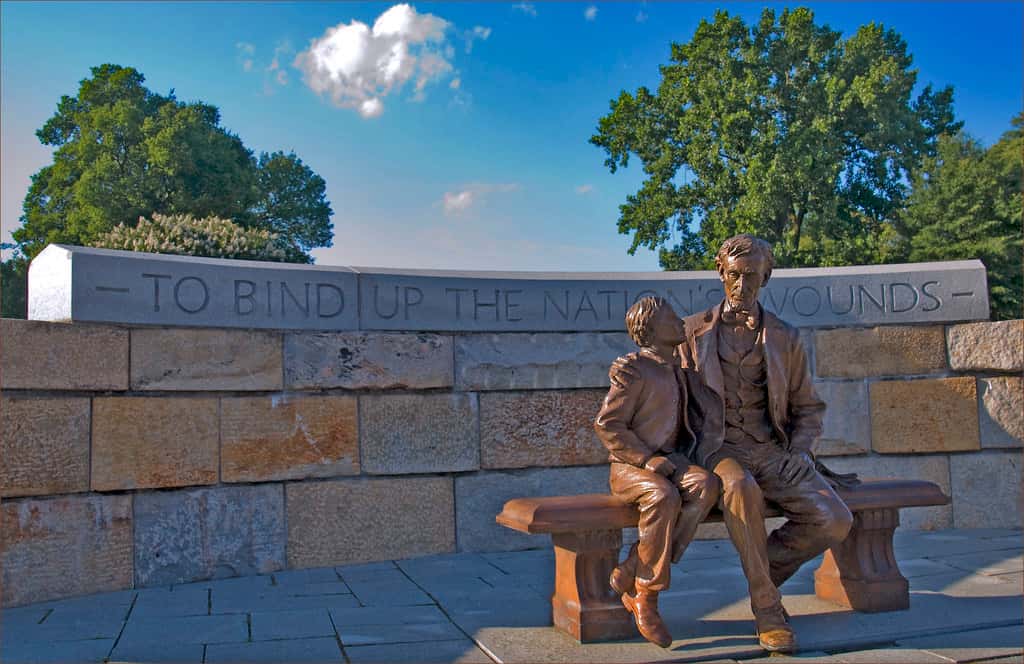
State officials unveiled a new statue of President Abraham Lincoln in The Villages, the sprawling Central Florida retirement community, as part of Florida's year-long observance of the 250th anniversary of American independence. Governor Ron DeSantis took part in the late-June unveiling, framing the monument as a tribute to one of the nation's most consequential leaders and as a marker in the state's broader semiquincentennial commemoration leading toward July 4, 2026.
What was unveiled
The statue depicts Abraham Lincoln, the 16th president, who led the United States through the Civil War and whose legacy is tied to the preservation of the Union and the abolition of slavery. The unveiling took place in The Villages, one of the largest and best-known planned retirement communities in the country, located in Central Florida. State officials presented the monument as an enduring tribute to Lincoln's place in American history.
The event was part of Florida's commemoration of the semiquincentennial, the 250th anniversary of the Declaration of Independence, which the nation marks in 2026. Florida has organized a series of activities and observances around the milestone, and the Lincoln statue unveiling fit into that program of events. The timing, in the final days of June, placed it just ahead of the Fourth of July holiday.
Public unveilings of monuments typically draw local dignitaries, community members, and, in this case, state leadership, and they are staged as civic occasions meant to connect residents with historical figures and themes. The choice of Lincoln reflects his standing as a unifying national figure widely honored across the political spectrum, which makes him a common subject for such commemorations.
The America 250 context
The year 2026 marks 250 years since the signing of the Declaration of Independence in 1776, a milestone the country is observing through commemorations at the national, state, and local levels. States have organized their own programs to mark the anniversary, and Florida's includes events, monuments, and educational efforts tied to the nation's founding and its history. The Lincoln statue is one element of that larger effort.
Commemorations of this kind serve civic and educational purposes, offering occasions to reflect on national history and the figures who shaped it. For a milestone as significant as the semiquincentennial, states often coordinate a calendar of events building toward Independence Day. Florida's participation situates the state within a nationwide observance that reaches its symbolic high point on July 4.
Honoring Lincoln within a semiquincentennial program links the founding era to the later test of the Civil War, connecting two defining chapters of American history. Lincoln is frequently invoked in national commemorations because his leadership is associated with preserving the union established in 1776 and with advancing the principle of freedom central to the nation's founding documents. That thematic resonance makes him a fitting subject for a 250th-anniversary tribute.
Monuments to Lincoln are found in communities across the country, from the memorial in the nation's capital to statues in town squares and public parks in many states. Their prevalence speaks to his broad place in American memory and to the way successive generations have chosen to honor him. Adding a Lincoln statue during the semiquincentennial year continues that long practice while tying it to the specific occasion of the 250th anniversary.
The semiquincentennial also arrives at a different moment than earlier national anniversaries. The bicentennial of 1976 unfolded across a country marking two centuries of independence, and the 250th observance builds on that tradition while reaching new generations of Americans. For Florida, a state whose population has grown substantially in the decades since the bicentennial, the milestone offers a chance to introduce the founding story to residents who have arrived from other states and countries. That demographic shift gives commemorations an added purpose beyond marking the date on the calendar.
The Florida setting
The Villages is a distinctive location for the monument. As one of the nation's largest retirement communities, it is home to a large, engaged population of older residents, many of whom are active in civic and political life. Public events there draw significant local participation, and the community has become a notable venue for civic and political gatherings in Central Florida.
Central Florida's growth and its concentration of residents make it a natural site for public commemorations intended to reach a broad audience. The region's mix of retirees, families, and workers gives events there wide visibility. Situating the Lincoln statue in The Villages places it in a community where it is likely to be seen and appreciated by a substantial number of residents and visitors.
Monuments and public art also become part of a community's identity and daily landscape, offering places for reflection and civic connection. A statue of a widely revered president adds to the civic character of the community and provides a focal point for observances of national history. For residents, such a monument can become a familiar landmark and a point of local pride.
Florida's place in the national story
Florida's connection to the founding era differs from that of the original thirteen colonies, yet the state has long marked national anniversaries as part of the broader American story. The semiquincentennial offers Florida an occasion to weave its own history into the national narrative, situating local commemorations within a story that stretches from 1776 to the present. Placing a Lincoln monument in a growing Central Florida community reflects that effort to make the anniversary tangible far from the sites where independence was first declared.
Public commemorations in Florida also reach an audience that spans the nation. As a major destination for visitors and new residents, the state hosts events that draw people from across the country, giving a monument in The Villages a reach beyond its immediate community. Observances staged in Florida during the anniversary year thus contribute to how the milestone is experienced by a wide and mobile population, one that carries impressions of the commemoration back to other states.
The state's approach also reflects a broader pattern in which local governments and community institutions take ownership of national anniversaries. Rather than leaving the observance to Washington alone, states and towns stage their own tributes, and monuments become one of the more lasting forms those tributes take. The Lincoln statue joins a tradition of local commemoration that gives national anniversaries a presence in everyday civic spaces.
The role of public monuments
Public monuments have long served as one of the primary ways communities record and honor their history. Statues of national figures translate abstract historical themes into a physical presence that residents encounter in the course of daily life, and they invite passersby to pause and consider the person and the events being commemorated. In that sense, the Lincoln statue functions as more than a decorative addition to a park, standing instead as a deliberate statement about the values a community chooses to honor.
Anniversaries have historically prompted waves of monument building, as communities seek durable ways to mark significant milestones. The semiquincentennial follows that pattern, and the dedication of a Lincoln statue during the anniversary year situates the monument within a well-established civic tradition. Such projects are often planned so that their unveilings coincide with meaningful dates, lending the occasion added weight and connecting the physical monument to the moment it commemorates.
Because monuments endure, they also shape how future residents understand their community's past. A statue dedicated during the 250th-anniversary year will carry that association forward, reminding later visitors of both the figure it depicts and the milestone during which it was installed. For a growing community like The Villages, adding such a monument contributes to the layered civic history that public spaces accumulate over time.
What it means for Floridians
For Florida residents, the semiquincentennial offers opportunities to engage with national history through local events, monuments, and programs. The Lincoln statue unveiling is one such opportunity, giving Central Florida residents a nearby connection to the broader anniversary. Commemorations like this invite reflection on the nation's founding and its subsequent history at a moment of national significance.
The observance also has a civic dimension, encouraging participation in shared traditions around Independence Day. As the Fourth of July approaches, communities across Florida hold their own celebrations, and the state's semiquincentennial program adds a layer of historical commemoration to the familiar holiday festivities. Residents can take part in a range of activities tied to the milestone.
For families and educators, anniversaries of this scale provide teachable moments about American history and the figures who shaped it. The pairing of the founding era with Lincoln's Civil War leadership offers a through-line that connects 1776 to later chapters of the national story. Monuments and events can serve as starting points for those conversations across generations.
A year of commemoration
Florida's semiquincentennial activities are spread across the year, building toward the July 4 anniversary and continuing the observance beyond it. The program reflects a nationwide pattern in which states and communities mark the 250th anniversary through their own initiatives. The Lincoln statue is one visible and lasting element of Florida's contribution to that national commemoration.
Public monuments installed during such anniversaries often outlast the events that inaugurate them, remaining as permanent features of the communities that host them. Long after the semiquincentennial year concludes, the Lincoln statue in The Villages will stand as a reminder of the 2026 observance and of the historical themes it was meant to honor. That permanence is part of the appeal of dedicating monuments during milestone anniversaries.
As the nation reaches the symbolic center of its 250th-anniversary year, commemorations in Florida and across the country underscore the enduring civic importance attached to the founding and to the figures associated with preserving and advancing its ideals. The unveiling in The Villages is a local expression of that national moment.
What's next
With the Fourth of July at hand, Florida communities are set to hold Independence Day celebrations that coincide with the semiquincentennial, giving the 2026 holiday added significance. The state's commemorative program is expected to continue through the year, with additional events and observances tied to the anniversary.
For residents of The Villages and Central Florida, the new Lincoln statue becomes a permanent addition to the community's public spaces, available for visitors and residents to see well beyond the anniversary year. Its unveiling marks one moment in a longer sequence of activities honoring the nation's history.
As commemorations continue nationwide, the semiquincentennial offers Floridians ongoing opportunities to connect with the nation's founding story. The Lincoln statue unveiling, staged just before the holiday, reflects how the milestone is being observed at the community level across the state during this historic year.
Spotted an issue with this article?
Have something to say about this story?
Write a letter to the editorComments
No comments yet. Be the first to weigh in.
Related Coverage

Disney Cruise Line Sets Oct. 7 Reveal for Disney Believe Homeport
10h ago

Orlando's Theme Park Market Cools Even as Epic Universe Fills Its First Full Year
3d ago
Orlando's Theme Park Balance Shifts as Universal's Epic Universe Reshapes the Market
4d ago

Orlando Theme Park Attendance Softens Into the Fall as Disney and Universal Report Different Results
Sep 22