Florida's 2026 Hurricane Season Opens Quiet, but Officials Urge Early Preparation
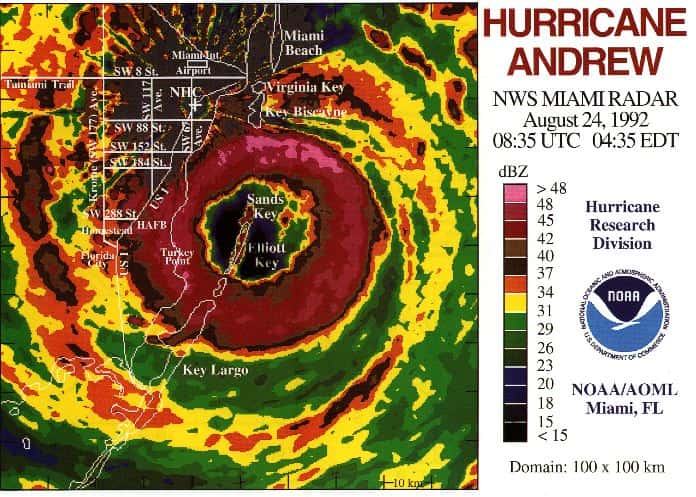
Florida is entering the 2026 Atlantic hurricane season with an unusually quiet opening week. As of the National Hurricane Center's tropical weather outlook issued Saturday, June 6, 2026, no tropical cyclone formation is expected across the North Atlantic, Caribbean Sea, or Gulf over the next seven days. For a state that lives and dies by the forecast each summer, the calm start offers a welcome moment to prepare rather than react.
The 2026 Atlantic hurricane season runs June 1 to November 30, the same six-month window that puts Florida in the crosshairs of nearly every storm that spins up in the basin. The early stretch of June often passes without significant activity, but officials are using the lull to press a familiar message: the time to get ready is before a storm appears on the map, not after.
The quiet forecast coincided with a stunning early-June weekend across South Florida, where residents enjoyed low rain chances and comfortable humidity, conditions that feel more like a gift than a typical subtropical summer. The pleasant weather, while a relief, can also lull residents into complacency at the very moment emergency managers want attention focused on planning.
Across the state, preparedness events and improving drought conditions added to a sense of cautious optimism, even as forecasters stressed that a calm first week says nothing about what the peak of the season may bring.
A Calm Start to the Season
The National Hurricane Center's seven-day outlook found no expected tropical cyclone formation anywhere in the North Atlantic, the Caribbean Sea, or the Gulf. That clean slate at the start of June means Floridians can watch the tropics without immediate concern, at least for the coming week.
Early-season storms, when they do form, often develop close to home in the Gulf or the western Caribbean rather than tracking across the open Atlantic. The absence of any such activity in the outlook removes one of the more common early threats to the Florida peninsula and the Gulf Coast for now.
Forecasters are careful to note that a seven-day outlook is exactly that, a short-term window. Conditions in the tropics can shift over the course of a few weeks, and the climatological peak of the season does not arrive until late summer and early fall. A quiet first week is no guarantee of a quiet season.
Still, the calm opening gives residents and officials breathing room to focus on readiness while the skies remain clear, a luxury that disappears the moment a system begins to organize offshore.
History offers a sobering reminder that quiet beginnings can give way to destructive seasons. Some of the most damaging storms to strike Florida have formed during otherwise unremarkable years, and a single landfalling major hurricane can define a season regardless of how many storms precede it. For that reason, forecasters treat the early calm as an opportunity rather than a forecast, urging residents to act while conditions allow.
A Stunning Weekend Across South Florida
South Florida greeted the new season with weather that felt almost out of season. The early-June weekend brought low rain chances and comfortable humidity, a departure from the muggy, storm-prone afternoons that typically define the region in summer. Residents took advantage of the rare break to enjoy the outdoors.
The pleasant conditions stemmed from a pattern that suppressed the usual afternoon thunderstorms and kept moisture levels lower than normal. For a region accustomed to daily downpours and oppressive humidity in June, the dry, comfortable air was a noticeable and welcome change.
Emergency managers, however, view stretches of perfect weather with a measure of wariness. Beautiful conditions can dull the sense of urgency that drives families to assemble supplies and review their plans. The contrast between a sunny weekend and the threat of a major storm can make preparation feel premature, even though it is anything but.
The message from officials is that the best time to prepare is precisely when the weather is calm and the stores are stocked, long before the rush that accompanies an approaching storm.
That window of pleasant weather can also be deceptive for newcomers. Florida continues to draw new residents from across the country, many of whom have never lived through a hurricane and may underestimate how quickly a storm can transform a sunny coastline into a dangerous one. Emergency managers make a point of reaching these households early, since unfamiliarity with evacuation zones and storm risk can prove costly when a system finally threatens.
Free Supply Distribution Events
To translate that message into action, hurricane preparedness supply distribution events were held June 6. In South Florida, four locations offered free emergency supplies, with the events organized by local media and community groups working to put essential items directly into residents' hands. A similar distribution took place in Tallahassee.
These giveaways are designed to lower the barriers to preparation, especially for households on tight budgets. Stocking a hurricane kit can be costly, and the distribution of free supplies helps ensure that vulnerable residents are not left without basic provisions when a storm threatens.
The involvement of local media and community organizations reflects a broader, grassroots approach to readiness that supplements official government efforts. By spreading events across multiple South Florida sites and into the Panhandle's capital, organizers aimed to reach residents in different parts of the state during the same critical early window.
Such events also serve an educational purpose, reminding the public that the season has begun and prompting conversations about evacuation routes, communication plans, and the supplies every household should keep on hand.
Building a Supply Kit
Officials consistently urge families to build supply kits well ahead of any threat. A well-stocked kit typically anticipates the loss of power and access to stores for several days, the most common consequences of a significant storm. Preparing in advance avoids the empty shelves and long lines that accompany a forecast cone.
Standard recommendations for a hurricane kit include the following essentials:
- Several days of drinking water and non-perishable food
- Flashlights, batteries, and a portable phone charger
- A battery-powered or hand-crank radio for updates
- A first-aid kit and a supply of necessary medications
- Copies of important documents stored in a waterproof container
Beyond the basics, families with infants, elderly relatives, or pets are advised to plan for their specific needs, from formula and diapers to medications and pet food. Tailoring a kit to the household ensures no critical item is overlooked in the chaos of a storm's approach.
Assembling supplies during the calm of early June, rather than in the frantic days before landfall, allows households to shop deliberately, compare options, and avoid the price spikes and shortages that follow a storm warning.
Know Your Zone and Check Your Coverage
Preparation extends well beyond supplies. Officials urge residents to know their evacuation zones, information that determines whether a household must leave or shelter in place when an order is issued. Knowing the zone ahead of time prevents confusion and delay during the high-pressure hours before a storm arrives.
Evacuation decisions hinge on a home's location, elevation, and vulnerability to storm surge, the leading cause of hurricane-related deaths. Residents who understand their zone in advance can act quickly and decisively when local officials call for evacuations, rather than scrambling to find the information amid a crisis.
Equally important is reviewing insurance before the peak of the season. Officials encourage homeowners and renters alike to confirm their coverage, understand their deductibles, and consider flood insurance, which is typically separate from standard homeowners policies. Many flood policies carry a waiting period, making early action essential.
With Florida's property insurance market still recovering from years of turmoil, a careful review of coverage takes on added importance. Confirming protection before a storm threatens can spare families painful surprises in the aftermath.
Drought Conditions Are Improving
Separately, Florida's drought conditions are improving as the season begins. The exceptional drought category, the most severe classification, was cut roughly in half by early June. The retreat of the worst conditions eases concerns about water supplies and wildfire risk that had built up during the dry months.
Despite that progress, the entire state remained classified as at least abnormally dry. The improvement reflects a partial recovery rather than a full reversal, and water managers continue to monitor conditions closely as the wet season ramps up across the peninsula.
The interplay between drought and hurricane season is complex. Heavy rains from tropical systems can quickly erase a drought, but they can also overwhelm dry, hardened soils that struggle to absorb sudden downpours, raising the risk of flooding. The current pattern leaves Florida walking a line between too little rain and too much.
For now, the easing of the most extreme drought is a positive development, even as the lingering dryness across the state underscores how variable Florida's water picture can be from season to season.
What's Next
The immediate outlook calls for continued calm, with no tropical development expected over the next seven days. That leaves a window for Floridians to finish preparations, from assembling kits to verifying evacuation zones and insurance coverage, before the tropics grow more active later in the summer.
The true test of the season lies ahead. The peak months of August through October account for the bulk of Atlantic activity, and forecasters caution that the quiet start offers no insight into what those months may hold. Residents are urged to treat the lull as preparation time, not a reason for complacency.
Emergency managers and community groups are expected to continue outreach throughout June and July, building on the early supply distribution events to keep readiness top of mind. The goal is a population that is prepared well before the first serious threat materializes.
As Florida settles into another six-month vigil over the tropics, the message from officials remains constant: the calm of early June is the ideal time to get ready. When the next storm forms, the households that prepared during the quiet weeks will be the ones best positioned to weather it.
Spotted an issue with this article?
Have something to say about this story?
Write us a letterComments
No comments yet. Be the first to weigh in.
Related Coverage
NOAA Winter Outlook Favors a Wet Florida Winter as a Very Strong El Niño Builds
1h ago

Storm-Force Low Off Southeast Coast Has 40% Chance to Turn Subtropical as Florida Coast Faces Tidal Flooding, Rough Surf
2d ago
Strong fall cold front brings Florida Saturday rain, cooler air and dangerous surf this weekend
5d ago
Hurricane Center Gives Atlantic Low Near Cabo Verde a 20% Chance as Florida Gets a Break After Isaias
Oct 12