Florida's 'Alligator Alcatraz' Winds Down as Detainees Are Moved Out and the Everglades Site Faces Demolition
The controversial migrant detention facility in the Florida Everglades known as Alligator Alcatraz is winding down operations, with roughly 1,400 detainees being moved out and the remote site slated for demolition. The closure of a facility that opened with significant fanfare less than a year ago marks a dramatic reversal, driven by mounting costs, and it carries direct implications for Florida's central role in the national immigration debate.
What is happening at the site
Companies hired by the state to operate the facility were notified that it is being shut down, with the remaining detainees expected to be removed in stages. State officials indicated that the approximately 1,400 people held at the site would be either transferred to other detention centers or deported as part of the wind-down, with attorneys reporting that detainee transfers had been ramping up.
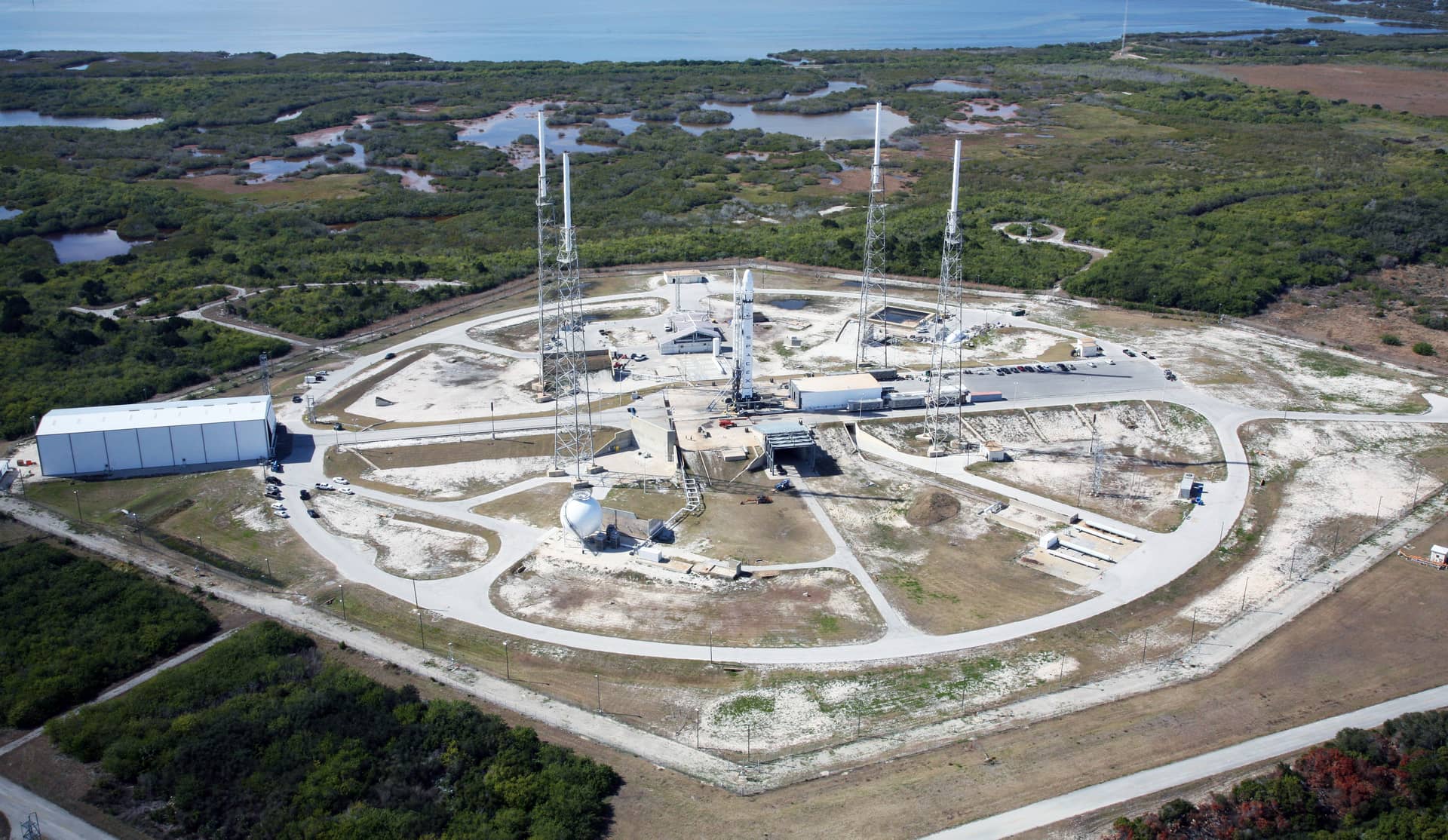
The closure followed a judicial process in which operations at the facility were ordered to wind down, and the Trump administration began moving detainees out. Once the population is cleared, state officials said the process to demobilize the site would begin, involving the removal of fencing, trailers, and other structures built in the middle of the Everglades.
That demobilization is expected to take an additional two to three weeks after the detainees are gone. According to plans for the property, the site is slated to revert to use as a small airport for training pilots once the detention infrastructure is dismantled.
The cost of the facility
A central factor in the closure was cost. The expense of operating the remote Everglades facility escalated to an estimated total approaching $1 billion, a figure that drew scrutiny over the value of maintaining a detention center in such an isolated and logistically challenging location.
The facility had been built quickly as a temporary detention center, and the practical difficulties of operating in the Everglades, far from established infrastructure, contributed to its high running costs. The decision to close reflects a calculation that the expense outweighed the benefits of keeping the site open.
The financial dimension placed the facility at the intersection of immigration policy and questions of taxpayer spending, with the closure framed in part as a response to the ballooning costs of an operation that had become difficult to justify on a cost basis.
A short and contentious history
Alligator Alcatraz opened in 2025 as a temporary detention center, and from the start it was a lightning rod for controversy. The facility's name and its location in the Everglades drew national attention, and critics raised concerns about conditions inside, including reports describing crowded conditions, heat, and other hardships endured by detainees.
The facility became emblematic of Florida's aggressive posture on immigration enforcement, aligning the state with federal efforts to expand detention and accelerate deportations. Its high profile made it a focal point in the broader national debate over immigration policy and the treatment of detainees.
Now, less than a year after it opened with considerable publicity, the facility is being dismantled. The rapid arc from opening to closure underscores the challenges of standing up large-scale detention operations quickly and the financial and legal pressures that can force a reversal.
What it means for Florida
For Florida, the closure is significant because the state has positioned itself at the forefront of immigration enforcement, and the Everglades facility was a centerpiece of that effort. Its wind-down does not end the broader enforcement push but removes one of its most visible symbols.
Families with loved ones held at the facility have voiced concern about what the closure means for detainees, particularly those who could be transferred to facilities far from Florida or deported. The transfers and removals carry real consequences for the people affected and for the relatives tracking their cases.
The closure also shifts the logistics of detention in the region. With roughly 1,400 people being moved to other detention centers or deported, the facility's shutdown redistributes that population and the responsibility for housing detainees elsewhere in the system.
The national context
The facility's closure unfolds against the backdrop of a national immigration enforcement landscape in which Florida has played an outsized role. The state's cooperation with federal authorities and its own enforcement initiatives have made it a key arena in the policy debate, and the rise and fall of the Everglades site is part of that larger story.
Immigration enforcement efforts in Florida have continued even amid legal challenges, with courts at times intervening in aspects of detention and enforcement operations. The wind-down of the facility, tied to a judicial process, illustrates the role the courts play in shaping how and where enforcement occurs.
For the broader national conversation, the closure of a high-profile detention center raises questions about the sustainability and cost of expanding detention capacity rapidly. The experience in the Everglades offers a case study in the practical and financial limits of such efforts.
The legal and political battle behind the closure
The wind-down of the facility did not happen in a vacuum. It followed sustained legal and political pressure, including litigation and a judicial process that resulted in operations being ordered to wind down. Civil rights organizations and immigrant advocacy groups had challenged the facility on multiple grounds, contesting both the conditions inside and the propriety of the operation.
Environmental advocates raised separate objections rooted in the facility's location in the heart of the Everglades, one of the most sensitive ecosystems in the country. Building a large detention operation in such an environment drew criticism from groups concerned about the impact on the wetlands, water, and wildlife, adding another front to the opposition.
The facility also became a symbol in the broader partisan debate over immigration. Supporters cast it as a necessary tool for an aggressive enforcement strategy, while opponents pointed to it as emblematic of an approach they viewed as cruel and wasteful. That polarization ensured the site remained in the national spotlight throughout its short existence.
The combination of mounting costs, legal challenges, and political controversy created the conditions for the closure. While the official rationale centered on the expense, the broader pressures surrounding the facility formed the backdrop against which the decision to shut it down was made.
The episode illustrates how detention policy plays out at the intersection of courts, budgets, and politics. The rise and fall of the Everglades facility offers a case study in how quickly an ambitious enforcement project can unravel when the legal, financial, and political headwinds align against it.
Questions that remain
The closure leaves several unresolved questions, beginning with the fate of the detainees being moved. Advocates and attorneys have sought clarity on where individuals are being transferred and how their pending immigration cases will proceed once they are relocated, since a move to a distant facility can complicate access to legal counsel and family support.
There are also lingering questions about the full accounting of the facility's costs. With the total expense reportedly approaching $1 billion, scrutiny over how the money was spent, and what the state and federal governments each contributed, is likely to continue. Transparency about those figures will shape the public's assessment of whether the experiment was a justifiable use of resources.
The broader policy question is whether Florida will pursue similar large-scale detention efforts in the future or treat the Everglades facility as a cautionary tale. The state's posture on immigration enforcement remains aggressive, but the financial and logistical difficulties of the Everglades site may inform how future capacity is built and where.
For the communities near the site, the conversion of the property back to a pilot-training airport raises its own set of considerations about land use and the environmental footprint left behind. How thoroughly the site is restored after the detention infrastructure is removed will be watched by environmental advocates who objected to building in the Everglades in the first place.
What's next
The immediate priority is completing the removal of the remaining detainees, who are being transferred or deported. Once the population is cleared, the demobilization of the site will proceed, with the dismantling of structures expected to take a few weeks.
After the detention infrastructure is removed, the property is slated to return to use as a pilot-training airport, a quiet end for a site that became a national flashpoint. For Florida, the closure marks the conclusion of one chapter in an immigration enforcement effort that remains central to the state's politics and its role in the national debate.
Spotted an issue with this article?
Have something to say about this story?
Write a letter to the editor