Florida's Manatees Remain at a Crossroads as Conservation Efforts Face New Pressures
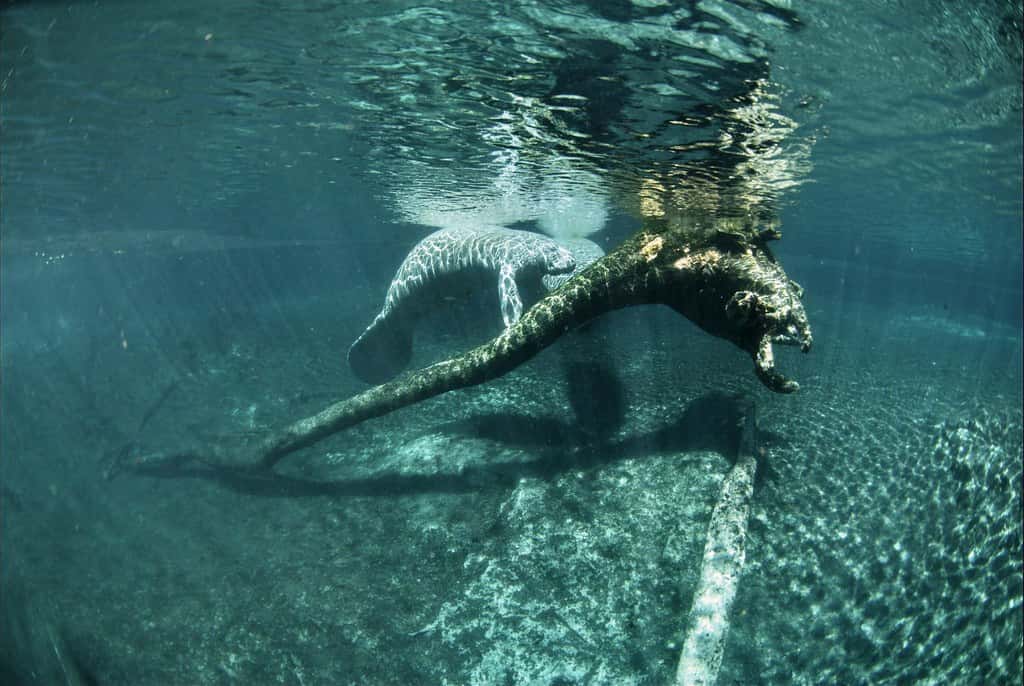
Florida's manatees, the gentle, slow-moving marine mammals that have become an emblem of the state's waterways, remain at a crossroads as conservation efforts confront persistent threats. Though decades of protection have helped their numbers recover from the brink, wildlife advocates warn that habitat loss, boat strikes, and the decline of seagrass continue to endanger a species still officially listed as threatened with extinction.
The manatee, sometimes called the sea cow, holds a special place in Florida's identity and its tourism economy. Few animals are as closely associated with the state's springs, rivers, and coastal lagoons, and few draw such consistent affection from residents and visitors alike. But the animal's future is far from secure, and recent years have underscored how vulnerable the population remains to changes in its environment, particularly the health of the seagrass beds it depends on for food. The story of the Florida manatee is, in many ways, the story of the state's waters, and the pressures the animal faces mirror the broader strains on Florida's coastal ecosystems.
A species that recovered, then faltered
Manatees were once hunted and heavily affected by human activity, and their numbers fell to alarmingly low levels in the 20th century. As Florida's population grew and its coastlines developed, the animals found themselves competing for space with an ever-expanding human presence, and the cumulative toll of collisions, habitat disruption, and environmental change pushed the species into serious decline. For much of the last century, the manatee's survival was genuinely in question.
Sustained conservation measures, including protected zones, boat speed restrictions, and habitat safeguards, helped the population rebound over the following decades, a recovery often cited as a conservation success story. Public awareness campaigns turned the manatee into a mascot for Florida's environmental movement, and the animal became a fixture of school curricula, license plates, and tourism marketing. That visibility helped sustain political and financial support for the protections that allowed the species to recover.
That progress led federal officials several years ago to reclassify the manatee from endangered to threatened, a designation indicating the species remained at risk but was no longer considered on the immediate verge of extinction. The change was controversial, with some advocates arguing it was premature given the ongoing threats the animals face. Critics of the reclassification cautioned that a recovered population is not the same as a secure one, and that the manatee's reliance on a narrow set of habitats left it exposed to sudden reversals.
More recent events have validated those concerns. An episode of elevated manatee deaths, driven largely by starvation linked to the loss of seagrass in key habitats, demonstrated how quickly the population's health can deteriorate when its food supply collapses. That crisis prompted extraordinary interventions, including supplemental feeding efforts, and renewed worry about the species' long-term prospects. The events served as a stark reminder that the manatee's recovery rests on an ecological foundation that can shift rapidly, and that a designation on paper offers little protection when the underlying habitat gives way.
The seagrass problem
At the heart of the manatee's challenges is seagrass, the underwater vegetation that forms the core of the animal's diet. Manatees are herbivores that consume large quantities of seagrass and other aquatic plants, and when those beds die off, the animals can starve, particularly in winter when they congregate in warm-water refuges. A single adult manatee eats a substantial amount of vegetation each day, and the animals depend on abundant, healthy beds to sustain themselves through the colder months when their movement and feeding options are limited.
Seagrass decline has been driven by poor water quality, including nutrient pollution that fuels algae blooms. When algae proliferate, they cloud the water and block the sunlight that seagrass needs to grow, killing off the beds that manatees rely on. The problem is especially acute in some of the lagoons and estuaries along Florida's coasts where manatees traditionally feed. Once the seagrass disappears from these areas, the loss can cascade, leaving stretches of once-productive habitat barren and unable to support the animals that gathered there for generations.
Improving water quality is therefore central to protecting manatees, linking the animal's fate to broader environmental efforts such as reducing pollution, managing water flows, and restoring ecosystems. Those efforts are complex and slow, and the recovery of damaged seagrass beds can take years even under favorable conditions. Restoration is not simply a matter of replanting; it requires addressing the sources of the pollution that killed the beds in the first place, a task that touches agriculture, development, wastewater management, and stormwater runoff across large watersheds.
The seagrass problem also illustrates the difficulty of managing a threat that unfolds gradually. Unlike a boat strike or a cold snap, the erosion of seagrass habitat can go unnoticed until the consequences become severe, and by then the damage may take years to reverse. That lag between cause and effect complicates the work of officials trying to protect the population before a crisis arrives.
Ongoing threats beyond food
Beyond starvation, manatees face other persistent dangers. Boat strikes remain a leading cause of manatee injury and death, as the slow-moving animals surface to breathe in waterways heavily used by recreational boaters. Speed zones and no-wake areas are designed to reduce these collisions, but enforcement and boater compliance remain ongoing challenges in a state with millions of registered vessels. Many surviving manatees carry the scars of past encounters with boats, a visible record of how frequently the animals and vessels share the same water.
Cold stress is another threat. Manatees cannot tolerate prolonged exposure to cold water, and unusually cold winters can cause cold-stress syndrome that sickens or kills them. The animals gather at warm-water sites, including natural springs and the discharge areas of power plants, during colder months, which concentrates them and makes the availability of those refuges important to their survival. That reliance on warm-water outflows creates its own uncertainty, since changes to power generation and the condition of natural springs can affect the refuges the animals have come to depend on.
Habitat loss from coastal development also reduces the areas available to manatees, and entanglement in fishing gear and ingestion of debris add to the hazards. The combination of these pressures means that even as the overall population has recovered from historic lows, individual animals continue to die from preventable causes each year. Each threat is manageable in isolation, but together they form a web of risk that keeps the species under continual strain.
These dangers also interact with one another in ways that compound the risk. An animal weakened by a lack of food may be less able to survive a cold winter, and a population concentrated at a shrinking number of warm-water refuges is more exposed to disease and local shortages of vegetation. Conservation officials must weigh these overlapping pressures when deciding where to focus limited resources.
What it means for Floridians
Manatees are more than a beloved wildlife symbol; they are an economic and ecological asset. Wildlife tourism centered on manatees, including guided viewing at springs and other gathering spots, supports local economies in several parts of the state. Protecting the animals therefore aligns with both conservation values and economic interests. Communities that host manatee viewing draw visitors from across the country and beyond, and the animals have become a durable part of the regional economy in the areas where they gather.
The manatee's dependence on clean water and healthy seagrass also makes it an indicator species, one whose health reflects the condition of Florida's coastal ecosystems more broadly. Problems that harm manatees, such as nutrient pollution and algae blooms, also affect fisheries, water quality, and the overall vitality of the waterways that define much of Florida life. When manatees struggle, it is often a sign that the waters around them are struggling too, and the animal's plight can serve as an early warning for problems that eventually reach people.
For residents, protecting manatees involves practical responsibilities, including observing boat speed zones, disposing of fishing line and debris properly, and supporting efforts to improve water quality. These everyday actions intersect with the larger policy work of restoring habitat and reducing pollution. Individual choices, from how boaters navigate marked channels to how households manage lawn fertilizer that can run off into waterways, add up across a state of millions of residents.
The role of policy and stewardship
The manatee's future will be shaped in large part by decisions made far from the water, in the arena of environmental policy and public spending. Restoring seagrass, improving water quality, and maintaining the warm-water refuges the animals rely on all require sustained investment and coordination among agencies, local governments, and the public. The challenge is not simply technical but political, since the measures that protect manatees often involve trade-offs with development, agriculture, and other interests that compete for the same land and water.
Stewardship also depends on the continued engagement of Floridians who care about the species. Volunteer monitoring, rescue and rehabilitation efforts, and public reporting of sick or injured animals all contribute to the broader work of keeping the population stable. The manatee's status as a cultural icon has helped sustain that engagement, giving the animal a constituency that extends well beyond professional conservationists and ensuring that its fate remains a matter of public concern.
What's next
Conservationists and wildlife officials continue to monitor manatee mortality, seagrass conditions, and the effectiveness of protective measures. The trajectory of the population will depend heavily on whether water quality improves enough to allow seagrass beds to recover, a process tied to broader environmental restoration across the state. Officials watch each winter closely, since a severe cold season or another sharp decline in food can quickly translate into elevated deaths.
The debate over whether the manatee's threatened status should be revisited is likely to continue, reflecting the tension between the species' long-term recovery and the acute crises that periodically strike. Advocates who believe the animal remains too vulnerable will keep pressing for stronger protections, while others weigh that recovery against the practical costs of the measures involved. For now, the manatee remains a symbol of both the successes and the fragility of Florida conservation, a reminder that even recovered species can remain at a crossroads when their habitat is under strain.
Spotted an issue with this article?
Have something to say about this story?
Write a letter to the editorComments
No comments yet. Be the first to weigh in.
Related Coverage

Record King Tides and Heavy Rain Swamp South Florida Streets as Water Managers Warn the Season Peaks Oct. 27
4h ago

Florida Loggerhead Sea Turtles Set Nesting Record as Leatherbacks Near New High
1d ago
Florida Anglers Get a 14-Day Fall Atlantic Red Snapper Season Starting Oct. 9
3d ago

King Tides Swamp South Florida Streets and Shut Down Two Miles of A1A
4d ago