Half of Florida Children Who Need Mental Health Care Cannot Get It
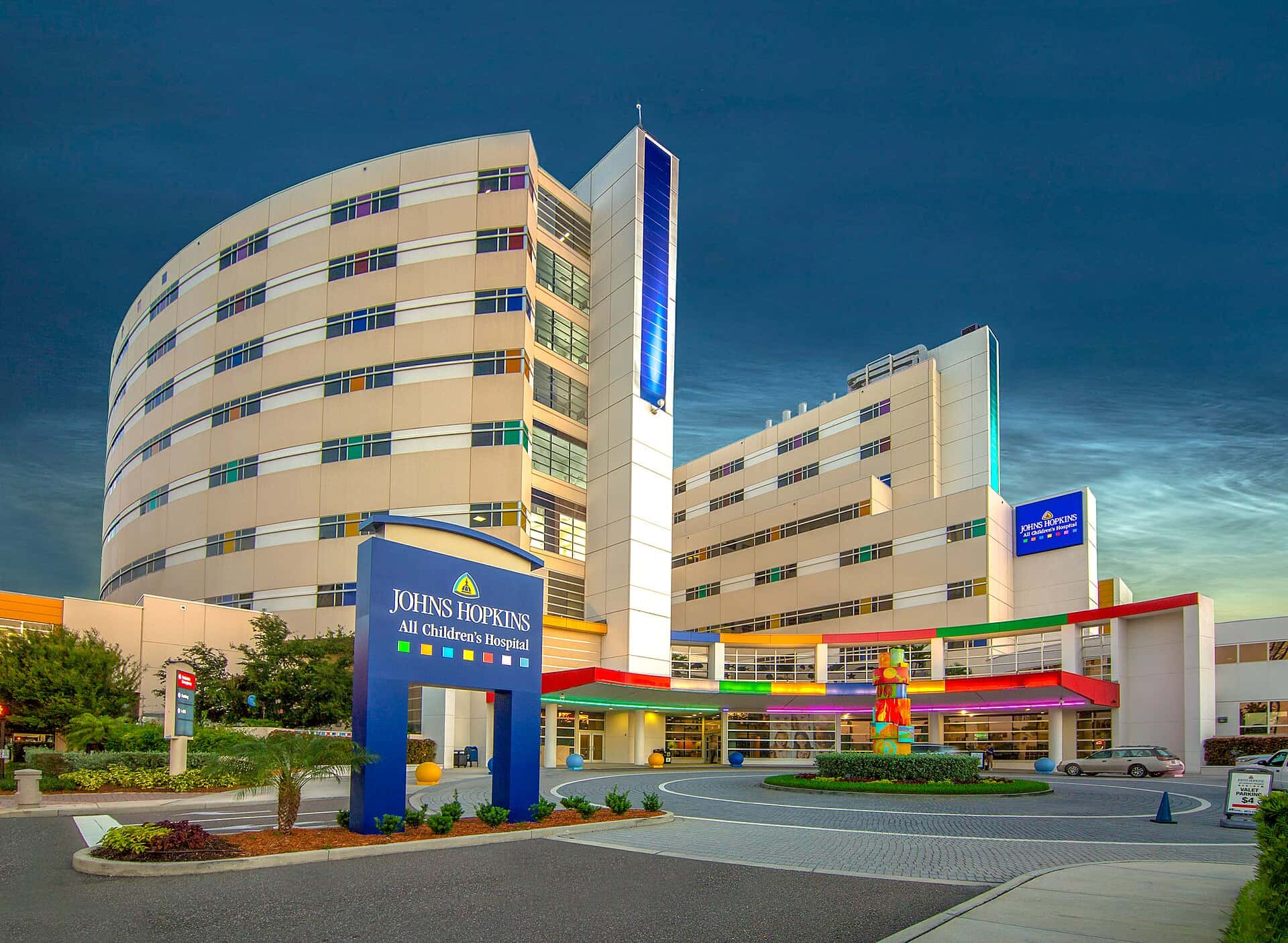
Only about half of the more than 400,000 Florida children with emotional, behavioral or developmental conditions are able to access the services they need, according to reporting on the state's pediatric behavioral health capacity. A shortage of child and adolescent mental health providers, who require more specialized training than clinicians who treat adults, can leave families waiting more than a year for assessment and treatment.
The gap is a workforce problem before it is a funding problem. Florida is designated as a Mental Health Professional Shortage Area, and analysis of provider capacity places the state's shortfall at 545 mental health practitioners, the third largest absolute gap in the country behind Texas and California. The Commonwealth Fund ranks Florida 32nd out of 51 states and jurisdictions for access to mental health care.
For pediatric care specifically, the constraint is tighter than the general figures suggest. Child and adolescent psychiatry requires fellowship training beyond general psychiatry residency, and the national pipeline producing those clinicians has not grown at anything approaching the rate of demand.
Why pediatric care is harder to staff
A child and adolescent psychiatrist completes medical school, a general psychiatry residency and then a subspecialty fellowship. That is a training pathway measured in more than a decade after undergraduate education, and the number of fellowship positions nationally is small relative to the population of children who need care.
Similar constraints apply across the pediatric behavioral health workforce. Psychologists working with children require training in developmental assessment. Clinical social workers and mental health counselors serving pediatric populations need supervised experience with children, which is not interchangeable with adult clinical hours.
Assessment for developmental conditions, including autism spectrum disorder, requires standardized instruments administered by clinicians trained in their use. Those evaluations are time intensive, frequently requiring multiple sessions, and the number of qualified evaluators is the binding constraint on how many children can be assessed in a year.
Reimbursement compounds the problem. Behavioral health services have historically been reimbursed at rates below comparable medical services, and pediatric behavioral health involves substantial unbillable time coordinating with parents, schools and pediatricians. Clinicians in private practice frequently limit or decline insurance participation as a result, which pushes families toward cash pay or toward the public system.
What a year long wait means
Delay in pediatric behavioral health is not neutral. Childhood and adolescence are developmental periods, and conditions that are treatable when addressed early frequently become more entrenched when they are not.
A child with an untreated anxiety disorder may begin refusing school, and school refusal that persists creates academic gaps and social isolation that outlast the original anxiety. A child with undiagnosed attention deficit hyperactivity disorder accumulates academic failure and disciplinary history that shapes their trajectory independent of the underlying condition.
Developmental assessment delay has a specific cost. Early intervention services are most effective when delivered early, and a year on a waiting list for an autism evaluation is a year of intervention not delivered during a period when it would have had the greatest effect.
Crisis is the outcome when access fails. Families unable to obtain scheduled outpatient care frequently end up in emergency departments, which are poorly configured for pediatric behavioral health and where children can board for extended periods waiting for an appropriate placement. Emergency care is the most expensive and least effective point of entry into the system.
The Florida context
Florida's behavioral health system for children spans several channels. Medicaid covers a large share of Florida children and is the largest payer for pediatric behavioral health in the state. Commercial insurance covers others, subject to network adequacy that varies substantially. School districts employ counselors, psychologists and social workers, though at ratios that generally fall short of professional recommendations.
The state's community mental health system, funded through the Department of Children and Families and administered through managing entities, provides services for uninsured and underinsured children. Capacity in that system is determined by appropriations, and demand consistently exceeds it.
Florida has invested in school based mental health funding in recent budget cycles, which has expanded the number of counselors and mental health professionals working in schools. School based services reach children who would not otherwise present for care, but school staff generally provide screening, brief intervention and referral rather than the sustained clinical treatment that a child with a diagnosed condition needs.
The referral chain is where the system breaks. School staff identify a need and refer, and the referral lands in a queue that is a year long. Identification without capacity produces documented need rather than delivered care.
Geographic disparity
The shortage is not distributed evenly. Analysis of Florida's provider capacity shows stark disparities between urban centers and rural counties, and some rural areas have no resident mental health providers at all.
A family in Miami-Dade, Broward, Hillsborough or Orange County faces a long wait. A family in a rural county in North Florida or the interior agricultural belt may face a wait plus a drive of an hour or more each way, repeated weekly for the duration of treatment. For families with a single vehicle and hourly employment, that combination makes treatment functionally unavailable regardless of whether a slot exists.
Telehealth has expanded access meaningfully for older children and adolescents, particularly for talk therapy and medication management. It works less well for young children, for developmental assessment requiring in person observation and standardized administration, and for families without reliable broadband, which remains a real constraint in parts of rural Florida.
What it means for Florida families
Families navigating the system have a few practical levers. Pediatricians are the most common entry point and are frequently the fastest, because many pediatric practices now provide behavioral health screening and can manage straightforward cases directly through integrated behavioral health arrangements.
Families should ask to be placed on multiple waiting lists rather than one, and should ask each practice whether it maintains a cancellation list. Slots open, and families reachable on short notice get them.
For children in public school, families can request an evaluation for special education eligibility in writing. That request triggers timelines under federal law that operate independently of the clinical waiting list, and eligibility can produce school based services and accommodations while a family waits for outpatient care.
The 988 Suicide and Crisis Lifeline operates around the clock for children and adolescents in crisis, and Florida operates mobile response teams that can respond in the community rather than requiring an emergency department visit. Families should know how to reach both before they are needed.
How the system is funded
Pediatric behavioral health in Florida is paid for through several channels that do not coordinate well with each other. Medicaid is the largest payer and covers a substantial share of the state's children, with services delivered through managed care plans that contract with the state.
Commercial insurance covers children in employer sponsored and marketplace plans. Federal parity law requires that mental health benefits be no more restrictive than medical benefits, but parity in coverage terms does not produce parity in access when the provider network is inadequate.
The Department of Children and Families funds the community behavioral health system through managing entities, which contract with local providers. That system serves uninsured and underinsured children and operates within an appropriation that has consistently been exceeded by demand.
What schools can and cannot do
Florida has expanded school based mental health funding in recent budget cycles, and districts employ counselors, school psychologists and social workers. Those staff conduct screening, provide brief intervention and make referrals.
What school staff generally do not provide is sustained clinical treatment. Ratios of students to counselors in Florida districts exceed professional recommendations, and the role is structured around caseload management and crisis response rather than ongoing therapy.
The gap between identification and treatment is where the system fails. A school that successfully screens a student and refers them has done its part, and the referral then enters a clinical system without the capacity to absorb it. Expanding school staffing without expanding clinical capacity increases documented need rather than delivered care.
Telehealth and its limits
Telehealth has expanded access to pediatric behavioral health meaningfully since it became widely reimbursed, and it addresses the geographic component of the shortage directly. A child in a rural county can see a clinician located in a metro area without the drive.
Its effectiveness varies by service and by age. Talk therapy and medication management for adolescents translate well to video. Play based therapy for young children, developmental assessment requiring standardized in person administration, and situations requiring physical examination do not.
Broadband access remains a real constraint. Telehealth requires a reliable connection and a private space in which to have a confidential conversation, and neither is available to every family. Households sharing limited space or relying on cellular data face practical barriers that a scheduling system does not capture.
What is next
Closing a workforce gap of this size takes years, because the constraint is training pipeline capacity rather than anything that can be adjusted quickly. Expanding fellowship positions, loan repayment programs tied to service in shortage areas, and reimbursement changes that make pediatric behavioral health financially viable are the levers available, and each operates on a multi year timeline.
Florida's state university system trains a substantial share of the state's behavioral health workforce, and expansion of psychiatry residency and fellowship capacity within that system is one of the more direct interventions available to state policymakers.
The Legislature considers behavioral health funding each session, and school based mental health appropriations have been a recurring item. Whether the next budget cycle addresses the clinical capacity that referrals depend on, rather than only the identification capacity in schools, is the question that determines whether the referral chain stops breaking at the same point.
Spotted an issue with this article?
Have something to say about this story?
Write a letter to the editorComments
No comments yet. Be the first to weigh in.
Related Coverage
Florida Attorney General James Uthmeier Sues Pfizer and CEO Albert Bourla Over COVID-19 Vaccine Claims
2h ago

Dengue Warnings Spread to Central Florida as Orange, Polk Confirm Local Cases
3d ago
Florida Heads Into Open Enrollment as the Nation's Biggest Test of Expired ACA Subsidies
4d ago

Florida Health Officials Issue Dengue Advisories in Polk and Orange Counties After Locally Acquired Cases
5d ago