Florida Home Prices Hold Steady as Summer Inventory Builds, June Data Shows
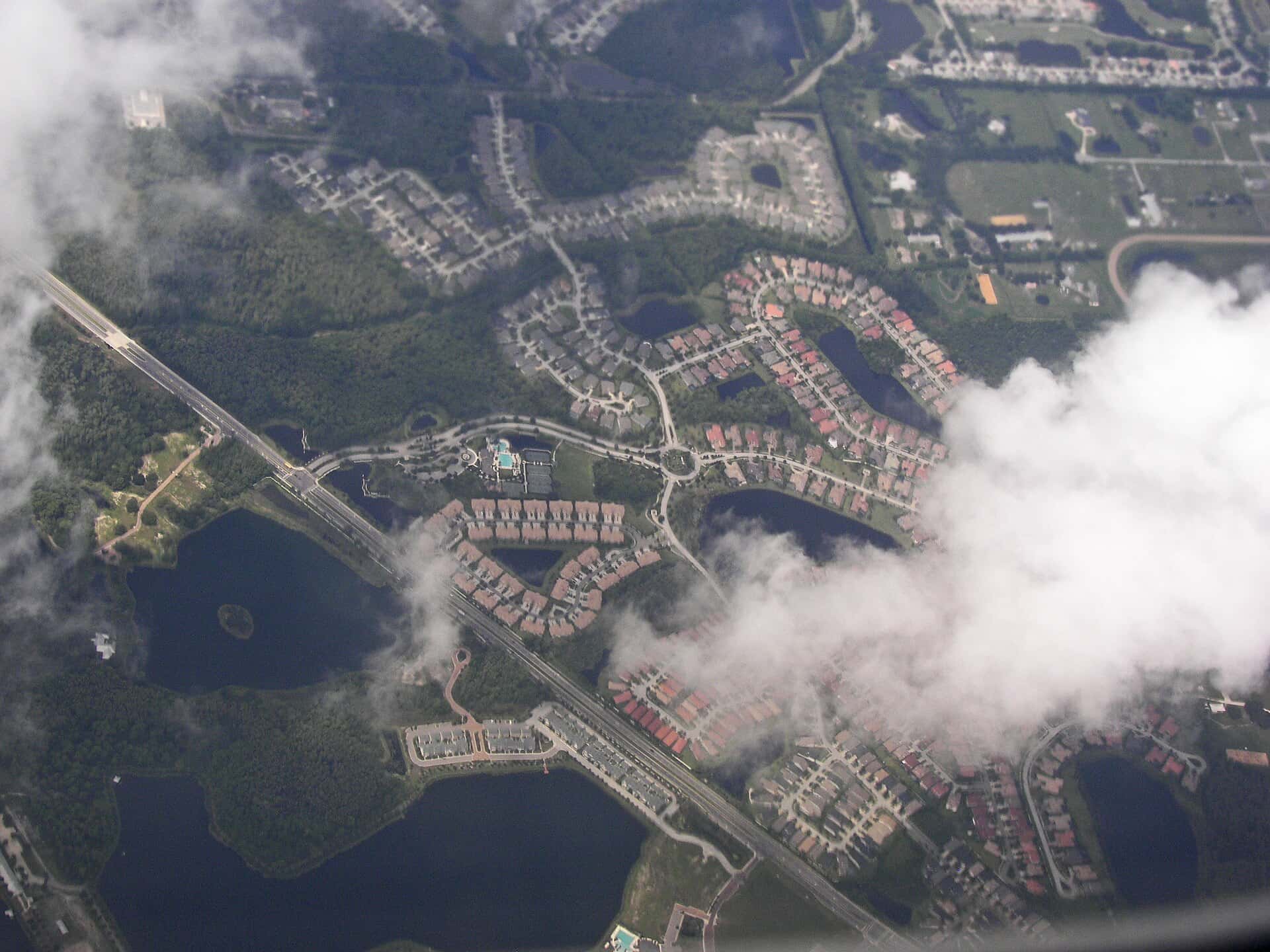
Florida's for-sale housing market cooled into a more balanced footing this summer, with the latest June data showing single-family home prices holding close to where they sat a year ago while the number of listings continued to build. After several years of steep price gains and painfully thin inventory, the shift gives buyers more room to negotiate even as affordability remains stretched by insurance costs and elevated mortgage rates.
The statewide median price for an existing single-family home sat near 425,000 dollars heading into June, according to figures compiled from Florida Realtors market data, a level that represents only a modest year-over-year change. Active inventory across the state moved to roughly a 4.7-month supply, closer to the six-month mark that economists traditionally describe as a balanced market than at any point in recent memory.
The numbers matter for millions of Floridians who have watched home values surge since 2020, pricing out first-time buyers and reshaping communities from the Panhandle to the Keys. A flatter price curve, paired with more choices on the market, suggests the frenzied conditions of the pandemic era have given way to something steadier, though far from cheap.
What the June numbers show
The headline figure is stability. Where recent years brought double-digit annual price jumps, the current data points to a market where the typical Florida single-family home is worth about what it was a year ago, with only small movements in either direction depending on the county. The statewide median listing price hovered near 424,000 dollars in June, according to widely tracked market data.
Inventory tells the more consequential story. The supply of homes available for sale has expanded steadily, and a 4.7-month statewide supply marks a meaningful loosening from the roughly two-month readings that were common during the peak of the boom. More listings mean sellers can no longer count on multiple offers within days, and price cuts have become a routine part of the negotiation.
Days on market have lengthened as well, and the balance of leverage has tilted back toward buyers in many communities. That does not mean prices are falling across the board, but it does mean the extraordinary seller's advantage of 2021 and 2022 has largely dissipated in the single-family segment.
Regional differences remain sharp
Florida is not one housing market but many, and the June data underscores how different the picture looks depending on the metro. In the Tampa Bay area, the median single-family sale price sat near 400,000 dollars, with inventory around a 3.9-month supply, tighter than the statewide average and a sign of continued demand in one of the state's fastest-growing regions.
South Florida shows a more layered story. In the Miami market, the median single-family price sat near 582,000 dollars, reflecting a slight year-over-year decline, while inventory expanded to roughly a 5.2-month supply for single-family homes. The condominium picture in Miami has loosened far more dramatically, with a supply approaching a full year, a dynamic tied to insurance costs, special assessments and stricter structural inspection requirements adopted after the Surfside collapse.
In Northeast Florida, boards reported a median single-family price near 420,000 dollars in June, a modest increase from the prior month across the region's counties. Taken together, the regional readings show a market that is normalizing at different speeds, with condo-heavy South Florida cooling faster than the single-family markets of the Gulf Coast and the northeast.
Why the market is loosening
Several forces are pushing Florida toward balance at once. Mortgage rates remain a central factor. With the Federal Reserve holding its benchmark rate in a range of 3.5 to 3.75 percent through the first half of the year, borrowing costs for homebuyers have stayed well above the levels that fueled the pandemic buying spree. Higher monthly payments have thinned the pool of qualified buyers and slowed the pace of sales.
Insurance is the second pressure point, and it is one that is nearly unique to Florida in its intensity. Even as the state's property-insurance market has stabilized and some carriers have filed for rate reductions, the cost of coverage remains a heavy line item that factors directly into what buyers can afford. For many households, the combined weight of the mortgage payment, property taxes and insurance premium sets the ceiling on their price range.
New construction has also added supply, particularly in the fast-growing suburban corridors of Central Florida and the Interstate 4 spine. Builders have continued to deliver homes and have leaned on incentives such as rate buydowns to move inventory, adding competition for existing homes and further easing the shortage that defined the market a few years ago.
What it means for buyers
For buyers who have been waiting on the sidelines, the current market offers something that was scarce during the boom: time and choice. With more listings and longer days on market, buyers can tour multiple homes, order inspections without waiving contingencies and negotiate on price and repairs in ways that were nearly impossible when bidding wars were the norm.
Affordability, however, remains the stubborn obstacle. A median price in the low 400,000s, combined with current mortgage rates and Florida's insurance costs, still puts homeownership out of reach for many working families, particularly first-time buyers without significant savings or equity from a prior sale. The market is more balanced, but it is not inexpensive.
Real estate professionals generally advise buyers to focus on the total monthly cost of ownership rather than the sticker price alone, given how much insurance and taxes vary from county to county and even property to property. In coastal and flood-prone areas, those carrying costs can swing a household's budget by hundreds of dollars a month.
What it means for sellers
Sellers are adjusting to a market that no longer rewards aggressive pricing. Homes that are priced ahead of the comparable sales in their neighborhood are sitting longer and often require reductions to attract offers. The data on price cuts and extended days on market signals that buyers have regained enough leverage to walk away from overpriced listings.
That does not spell a downturn for most sellers, who in many cases still hold substantial equity accumulated over the past several years. But it does mean that setting a realistic price from the start, and being prepared to negotiate on repairs and closing costs, has become essential to closing a deal in a reasonable time frame.
The condo segment, especially in South Florida, presents the sharpest challenge for sellers. Rising association fees, special assessments for structural work and higher insurance costs have made buyers cautious, lengthening the time it takes to sell older units and putting downward pressure on prices in some buildings.
The condo question in South Florida
Nowhere is the market's divergence more visible than in the South Florida condominium sector, where inventory has swelled far beyond the single-family market. In Miami, the supply of condos has climbed toward a full year, a level that signals a clear buyer's market and stands in sharp contrast to the tighter single-family picture. The imbalance has reshaped how the region's most common housing type is bought and sold.
Several forces specific to condos are driving the shift. Rising association fees, special assessments for structural repairs and higher insurance costs have made older units harder to sell, particularly in the wake of stricter inspection and reserve-funding requirements adopted after the Surfside collapse. Buyers have grown cautious about the long-term carrying costs of aging buildings, and that caution shows up in longer marketing times and softening prices.
The result is a two-track market within South Florida, where single-family homes hold their value while condos, especially older ones, face downward pressure. For buyers willing to navigate the added diligence that a condo purchase now requires, the segment offers opportunity, but the same factors that create that opportunity have made many buyers wary.
How this compares to the boom
The current market represents a marked departure from the frenzy of the pandemic years, when Florida drew a wave of new residents and prices surged at a pace that strained affordability across the state. In that period, listings vanished within days, bidding wars were routine and buyers frequently waived contingencies to win homes. The conditions rewarded sellers and left many buyers scrambling.
The shift toward balance reverses much of that dynamic without erasing the price gains that accumulated during the boom. Home values remain far above where they stood before the surge, and the equity built by longtime owners is largely intact. What has changed is the pace and the leverage, as the market has moved from a seller's advantage toward a more even footing.
For a state that absorbed extraordinary growth in a short span, the transition to a steadier market carries its own significance. It suggests that the forces that drove the boom have cooled and that Florida's housing market is settling into a more sustainable rhythm, even as the elevated price levels of the past few years persist.
The road ahead
The trajectory of Florida's housing market for the rest of 2026 hinges heavily on interest rates and insurance. The Federal Reserve's next policy meeting, scheduled for late July, will be watched closely, and any move toward lower rates could pull more buyers back into the market and tighten inventory again. Conversely, rates holding higher for longer would likely keep the market on its current balanced path.
Insurance developments will also shape demand. If the recent stabilization in the property-insurance market continues and rate reductions take hold, the improvement in affordability could bring hesitant buyers off the sidelines. Continued volatility, on the other hand, would keep coverage costs at the center of every purchase decision.
For now, the June data describes a Florida housing market that has found a steadier rhythm after years of turbulence. Prices are holding, inventory is building and the balance of power has shifted back toward the middle. For a state that has absorbed enormous population growth and price appreciation over the past several years, a period of stability may be the most consequential development of all.
Spotted an issue with this article?
Have something to say about this story?
Write a letter to the editorComments
No comments yet. Be the first to weigh in.
Related Coverage

Miami-Dade weighs $438 million South Miami redevelopment fund beyond Sunset Place
8h ago

Florida Chamber narrows 'Coolest Thing Made in Florida' to Hawkeye vs. ankle implant
12h ago

Publix Pays $83.3 Million for Airpark Plaza Near Miami International Airport, Extending Its Shopping Center Buying Spree
1d ago

Carnival Posts Record $1.9 Billion Quarter as Miami Cruise Giant Says 2027 Is Already Half Booked
1d ago