Forecasters Trim Hurricane Outlook as El Nino Builds, Raising Stakes for Florida Insurance
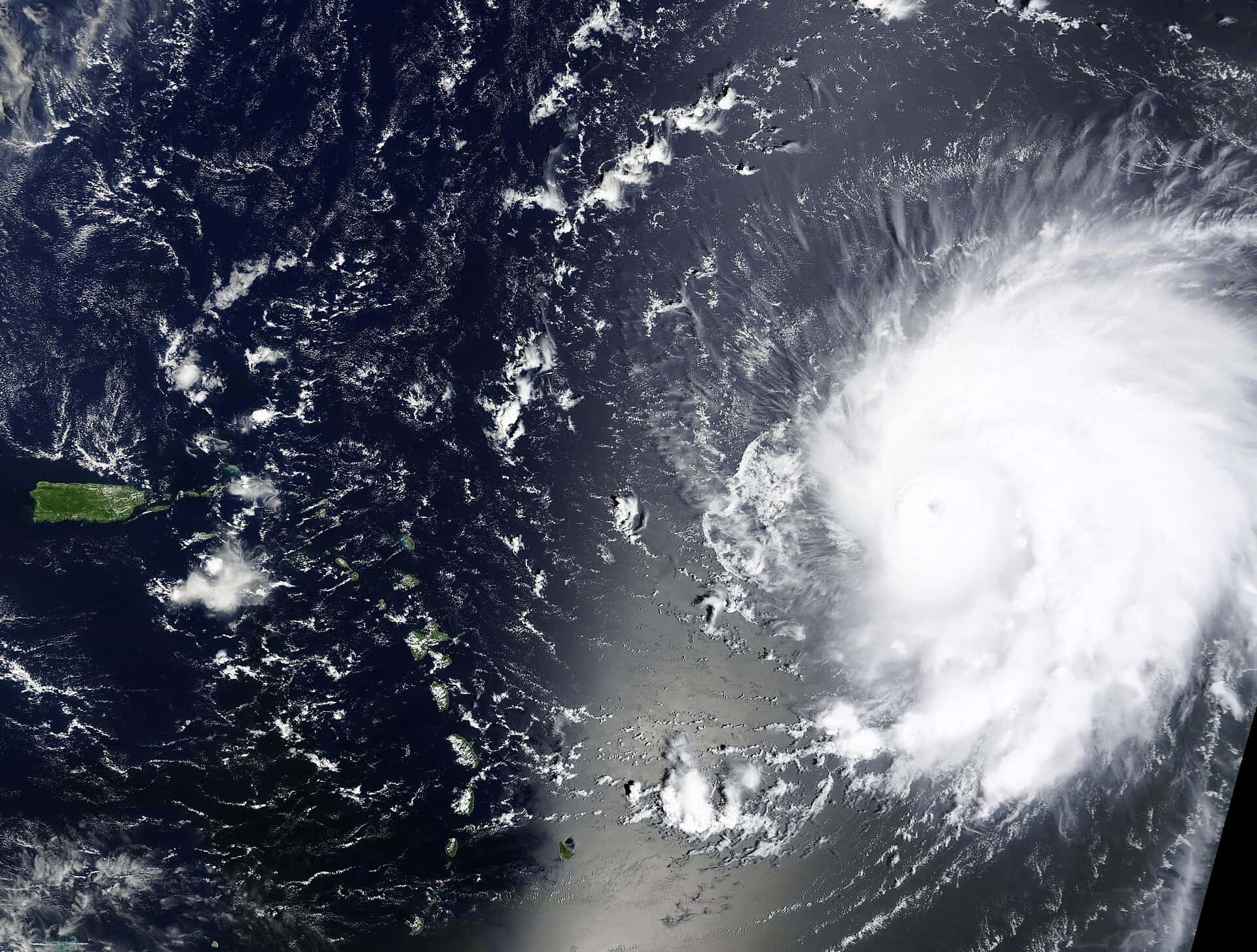
A leading hurricane forecasting team has trimmed its outlook for the 2026 Atlantic season, lowering the expected number of storms as a strengthening El Nino tilts conditions toward a quieter year. The revision, issued in early July, reinforces federal projections of a below-normal season and carries implications that extend beyond the weather into Florida's property-insurance market.
Colorado State University's tropical forecasting team, whose seasonal outlooks are closely watched, reduced its projected number of storms for the year, now anticipating a smaller tally of named systems and hurricanes than earlier in the season. The change reflects the influence of El Nino, a climate pattern that tends to suppress Atlantic hurricane activity.
For Florida, the most hurricane-exposed state in the nation, a below-normal forecast is welcome, though officials consistently caution that a quiet season overall offers no guarantee against a single devastating storm. The forecast also matters for a less visible reason: the trajectory of Atlantic activity influences the reinsurance and property-insurance markets that shape what Floridians pay to protect their homes.
The revised forecast
The Colorado State University team lowered its projection for the 2026 Atlantic hurricane season, now forecasting a reduced number of named storms and hurricanes, with a limited number expected to reach major-hurricane strength. The downward revision came as the team incorporated the developing climate conditions into its analysis.
The adjustment aligns with the federal outlook. The National Oceanic and Atmospheric Administration had projected a below-normal season, assigning the greatest probability to below-normal activity and forecasting a range of named storms, hurricanes and major hurricanes that pointed to a quieter-than-average year.
Seasonal forecasts are estimates of overall activity, not predictions of where or whether storms will strike. They provide a sense of the season's likely character, but they cannot foretell the path of any individual system. That distinction is central to how officials interpret and communicate the outlooks.
The role of El Nino
The key factor behind the trimmed forecast is El Nino, a climate pattern characterized by warmer waters in the Pacific that influences weather across the globe. In the Atlantic, El Nino conditions tend to increase wind shear, which can disrupt the formation and intensification of hurricanes, generally leading to reduced activity.
Forecasters have pointed to the expected development and strengthening of El Nino during the season as a reason to anticipate fewer storms. As the pattern intensifies, its suppressing effect on Atlantic hurricanes is likely to grow, supporting the case for a below-normal year even as other factors, such as warm ocean temperatures, could provide some counterweight.
The interplay of these forces makes seasonal forecasting a matter of weighing competing influences. A strengthening El Nino tilts the balance toward a quieter season, but the atmosphere is complex, and forecasters emphasize the uncertainty inherent in projecting activity months in advance.
Why a quiet season is not a guarantee
Florida officials are quick to warn that a below-normal seasonal forecast does not mean the state is safe. History offers sobering reminders that even quiet seasons can produce a single catastrophic storm, and it takes only one landfall to cause enormous damage. Preparedness, they stress, must not hinge on the seasonal outlook.
The distinction between overall activity and individual risk is crucial. A season with few storms can still be devastating for a community that lies in the path of one of them, while an active season might spare a particular area entirely. For any given location, the relevant question is not the total count but whether a storm strikes there.
Emergency-management officials consistently urge residents to prepare regardless of the forecast, maintaining supplies, knowing evacuation routes and staying informed. The message is that a quieter projected season is a reason for measured relief, not complacency, given the stakes of a direct hit.
The insurance connection
Beyond the immediate threat of storms, the seasonal outlook carries weight for Florida's property-insurance market, one of the most troubled and expensive in the country. The frequency and severity of hurricanes influence the costs borne by insurers and the reinsurance companies that backstop them, which in turn affect premiums.
A below-normal season, if it materializes, could ease some of the pressure on the market by limiting catastrophic losses, potentially contributing to a more stable environment for insurers and policyholders. The costs insurers face from major storms feed into the rates that homeowners ultimately pay, making the season's outcome relevant to household budgets.
Florida's insurance market has been a source of acute strain for residents, with high premiums and limited options challenging homeowners across the state. While a single quiet season cannot resolve those structural issues, the trajectory of hurricane activity is one of the factors that shapes the market's condition and the affordability of coverage.
The stakes for Florida
Florida's exposure to hurricanes is unmatched among U.S. states, given its long coastline, dense coastal development and geographic position. That vulnerability makes every seasonal forecast a matter of significant public interest, and a below-normal projection offers a measure of reassurance heading into the heart of the season.
The economic dimension amplifies the significance. Hurricanes threaten not only lives and property but the insurance market, the housing market and the broader economy of a state where coastal living is central. The interplay between storm activity and these economic systems means the forecast reverberates well beyond meteorology.
For Floridians, the outlook is a piece of information to weigh alongside their own preparations. A quieter projected season is encouraging, but the state's exposure demands vigilance, and the potential effects on insurance costs add another layer of relevance to the forecast.
How forecasts are made
Seasonal hurricane forecasts draw on an analysis of the atmospheric and oceanic conditions that influence storm activity, including climate patterns like El Nino, ocean temperatures and wind patterns. Forecasting teams weigh these factors to project the likely level of activity for a season, producing estimates of the number of named storms, hurricanes and major hurricanes.
The forecasts are probabilistic in nature, offering a sense of the season's likely character rather than certainty. They are updated as conditions evolve, which is why a team may revise its numbers during the season as patterns such as El Nino develop and clarify. The recent downward revision reflects that process, incorporating the strengthening climate signal into an updated projection.
Importantly, the forecasts describe overall activity across the basin, not the likelihood of a storm striking any particular location. That distinction is central to how officials interpret them, since a season's total activity says little about whether a given community will be affected. The forecasts inform planning at a broad level while leaving the local risk to be assessed as individual storms form.
Preparedness regardless of the forecast
Emergency-management officials in Florida consistently emphasize that preparedness should not depend on the seasonal outlook. Because a single storm can cause catastrophic damage, and because forecasts cannot predict where storms will go, residents are urged to prepare every year regardless of whether the season is projected to be quiet or active.
That preparation includes maintaining supplies, knowing evacuation routes and zones, securing insurance coverage and staying informed as storms develop. Officials stress that the time to prepare is before a storm threatens, and that a below-normal forecast is no reason to let those preparations lapse. The message is one of steady readiness rather than reaction.
For a state as exposed as Florida, that posture of constant vigilance is a matter of necessity. The history of destructive storms striking in otherwise quiet seasons has reinforced the lesson that the seasonal outlook offers guidance but not protection. Whatever the forecast suggests, the state's approach remains grounded in preparing for the possibility of a damaging storm.
Reading the season's rhythm
The Atlantic hurricane season follows a familiar rhythm, building through the summer toward a peak in the late summer and early fall before tapering off. The early part of the season had been quiet, and the trimmed forecasts suggest that a strengthening El Nino could keep activity subdued as the calendar moves toward the traditionally busiest weeks.
For Florida, that timing matters. The heart of the season is when the state faces its greatest exposure, and a below-normal outlook offers some reassurance heading into those weeks. Still, the state's history includes storms that formed and struck outside the statistical peak, a reminder that the calendar offers guidance rather than guarantees and that the threat persists throughout the season.
Forecasters will continue to refine their projections as the season progresses and as the strength of El Nino becomes clearer, and Floridians would do well to treat each update as a data point rather than a verdict. The only certainty the season offers is the need to be ready, and that readiness is what turns a favorable forecast into genuine peace of mind rather than a false sense of security.
What comes next
The peak of the Atlantic hurricane season typically arrives in the late summer and early fall, and the coming months will reveal whether the below-normal forecasts hold. Forecasters will continue to monitor El Nino and other conditions, updating their outlooks as the season progresses and the atmosphere evolves.
Florida will remain on alert regardless of the projections, with emergency-management officials maintaining their calls for preparedness. The state's approach does not waver based on the forecast, since the possibility of a damaging storm persists even in a quiet year.
For now, the trimmed outlook and the strengthening El Nino point toward a season that could bring fewer storms to the Atlantic. For Florida, that offers cautious encouragement, both for the immediate threat of hurricanes and for the insurance market that a quieter season could help stabilize. But the state's exposure ensures that the forecast is watched not with relief alone, but with the vigilance that its geography demands.
Spotted an issue with this article?
Have something to say about this story?
Write us a letterComments
No comments yet. Be the first to weigh in.
Related Coverage

U.S. Exports to Cuba Hit a Record $202.5 Million in August as Fuel Sold to Private Firms Makes America the Island's Top Supplier
1h ago
Seven Florida Cases Are Part of the Justice Department's Largest Push Yet to Strip Citizenship From Naturalized Americans
1h ago

Proposed 2030 Census Rule Could Cost Florida a House Seat, and Count Snowbirds as Floridians
2h ago
Alligator Alcatraz Is Closed, but Florida Is Still Chasing More Than $500 Million in Federal Reimbursement
6h ago