Florida Manatees Rebound as Seagrass Recovers From Devastating Die-Off
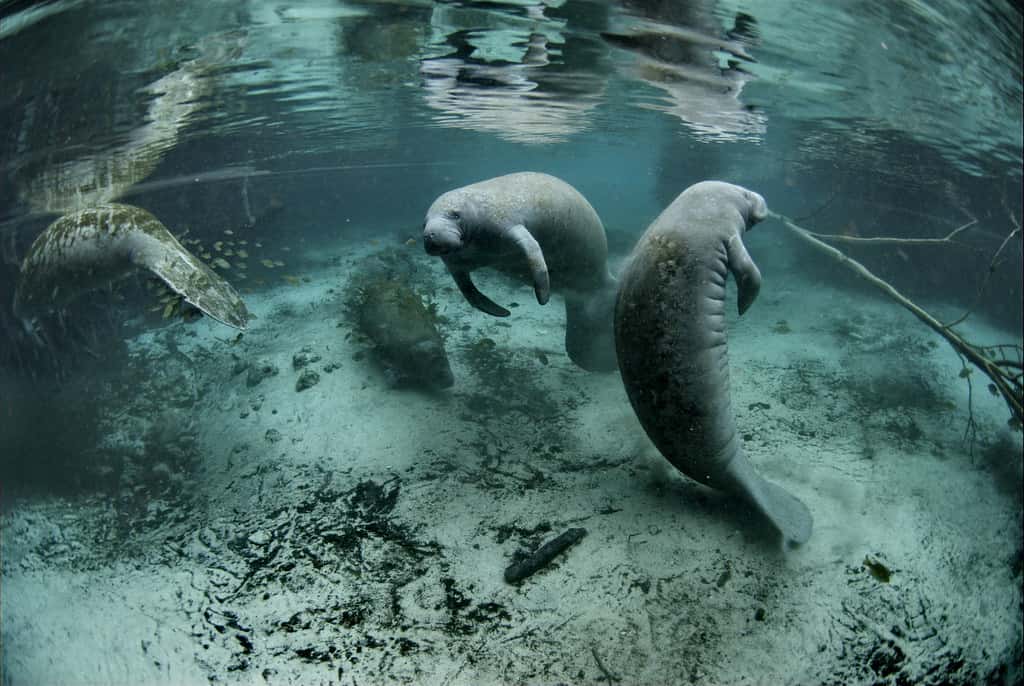
Florida's manatees are showing clear signs of recovery after one of the darkest chapters in the beloved sea cow's modern history, as state wildlife managers report that the seagrass beds the animals depend on are slowly regrowing and that mass starvation deaths have not recurred for two years. The turnaround marks a hopeful milestone for a species that came to symbolize the fragility of the state's coastal waters.
The crisis began earlier this decade when pollution-driven algae blooms wiped out vast meadows of seagrass in the Indian River Lagoon along Florida's Atlantic coast, robbing manatees of their primary food source. Hundreds of the animals starved, prompting federal officials to declare an Unusual Mortality Event and wildlife crews to launch an unprecedented supplemental feeding program during the coldest months.
Now the picture has brightened. The Florida Fish and Wildlife Conservation Commission and its partners report that seagrass coverage has improved in several key basins, that researchers have not documented a starvation death linked to a lack of forage in roughly two years, and that the emergency mortality event tied to the die-off has been formally closed. Wildlife advocates caution that the recovery is fragile, but the trend is unmistakably positive.
How the crisis unfolded
The manatee starvation event was rooted in decades of water-quality decline in the Indian River Lagoon, a 156-mile estuary stretching along Florida's east coast that is one of the most biologically diverse waterways in North America. Nutrient pollution from septic systems, fertilizer runoff and stormwater fed repeated algae blooms that clouded the water and blocked the sunlight seagrass needs to survive.
As the seagrass meadows collapsed, manatees that gather in the lagoon during winter, drawn by warm-water refuges near power plant outflows and natural springs, found little to eat. The result was a wave of starvation deaths that alarmed biologists and the public alike. In the worst year of the event, Florida recorded well over a thousand manatee deaths from all causes, a staggering toll for a species whose total population is estimated in the thousands.
The response was extraordinary. For the first time, wildlife officials fed wild manatees, distributing tons of lettuce at a warm-water site to keep animals alive through the winter. The intervention was controversial among some conservationists who worried about dependency, but managers described it as an emergency measure to prevent even greater losses.
Signs of recovery
The most encouraging development is the return of seagrass in parts of the lagoon system. State researchers have reported better seagrass coverage in certain basins compared with the depths of the die-off, a change that reflects both natural regrowth and targeted restoration work. Where the underwater meadows return, the foundation of the manatee's food supply is rebuilt.
Mortality figures have also improved. Wildlife officials say the elevated death counts that defined the crisis have receded, and that researchers have not tied a manatee death to starvation from lost forage in about two years. The federal mortality event that was declared at the height of the die-off has been administratively closed, a formal acknowledgment that the acute emergency has passed.
State assessments put the Florida manatee population in a broad range measured in the thousands, and while manatees still die from other causes, including boat strikes and cold stress, the absence of a repeat starvation event represents a significant stabilization. For a species that appeared to be spiraling only a few years ago, the shift is a meaningful reprieve.
The restoration work behind the numbers
The recovery has not happened by accident. Wildlife agencies, universities and local partners have invested in a network of projects aimed at rebuilding seagrass and improving the water quality that allows it to thrive. Efforts include seagrass nursery programs that grow plants for transplanting, living-shoreline projects that stabilize banks, and oyster-reef enhancements that filter the water.
Work has focused on several priority areas within the Indian River Lagoon, including basins in the northern reaches of the estuary, along with warm-water habitats that manatees rely on in winter. Restoration crews have replanted seagrass in targeted sites and worked to reduce the nutrient pollution that fuels the blooms in the first place, a slower and more difficult challenge that involves upgrading septic systems and controlling runoff.
Scientists emphasize that seagrass recovery is a long process. Meadows can take years to reestablish fully, and their survival depends on sustained improvements in water clarity. A single severe bloom could set back the gains, which is why managers stress that the current progress must be protected rather than taken for granted.
Why manatees matter to Florida
The manatee occupies a special place in Florida's identity and economy. The gentle, slow-moving mammals draw tourists to springs and coastal parks, support a wildlife-viewing industry, and serve as a barometer for the health of the state's waterways. When manatees suffer, it is often a sign that the estuaries and lagoons Floridians rely on for fishing, recreation and storm protection are in trouble.
The animals are also a legal and political flashpoint. Debates over their protected status, boat-speed zones and water-quality regulations have played out for decades, pitting conservation groups against boating and development interests. The starvation crisis intensified those debates and prompted renewed scrutiny of the pollution sources feeding the lagoon's decline.
Because manatees depend on the same coastal waters that support Florida's tourism economy and coastal communities, their recovery is intertwined with broader questions about how the state manages growth, wastewater and runoff. A healthier lagoon benefits not only the manatees but the millions of residents who live along Florida's coasts.
Cautions from advocates
Conservation groups welcome the improvement but warn against declaring victory. The seagrass recovery, while real, remains partial and uneven, and the underlying pollution problems that triggered the die-off have not been fully solved. A return of severe algae blooms could once again strip the lagoon of the vegetation manatees need.
Advocates also point to persistent threats beyond starvation. Boat strikes remain a leading cause of manatee deaths, and cold snaps can be deadly for animals that cannot reach warm-water refuges. As aging power plants that historically provided warm-water outflows are retired, managers face long-term questions about where manatees will shelter in winter.
The recovery, in other words, is a beginning rather than an end. Sustaining it will require continued investment in water quality, seagrass restoration and the warm-water habitats that manatees depend on, along with vigilance against the pollution that caused the crisis in the first place.
The warm-water challenge
One of the more complex long-term questions facing manatee managers has little to do with food and much to do with warmth. Manatees cannot tolerate prolonged cold, and during winter they congregate at warm-water sites, including the outflows of power plants and natural springs, to survive. Many of those artificial refuges are tied to aging industrial facilities.
As older power plants are retired over the coming years, the warm-water outflows that manatees have come to depend on could disappear, raising the prospect of a habitat gap during the coldest months. Wildlife officials have long recognized this looming issue, which requires planning for how manatees will find warmth as the industrial landscape changes.
Natural springs offer part of the answer, and protecting and restoring those spring habitats has become a priority. Ensuring that manatees have reliable warm-water refuges is a distinct challenge from the seagrass recovery, but it is equally important to the species' long-term survival, and it underscores how many factors must align for manatees to thrive.
A test of Florida's water policy
The manatee's fate is closely bound to the broader question of how Florida manages the water quality of its estuaries and lagoons. The starvation crisis was, at its root, a pollution problem, and the recovery depends on sustaining the improvements in water clarity that allow seagrass to grow. That makes the manatee a barometer for the success of the state's water policy.
Reducing the nutrient pollution that fuels algae blooms involves tackling difficult and expensive sources, from aging septic systems to fertilizer runoff and stormwater. Progress on those fronts tends to be gradual, and it requires sustained investment and coordination across many jurisdictions and interests, a challenge that extends well beyond wildlife management.
The stakes reach beyond the manatees themselves. The same waters that support the animals underpin fishing, recreation, tourism and the quality of life in coastal communities. A healthier lagoon benefits Floridians broadly, which is why the manatee recovery is often framed as part of a larger effort to restore the health of the state's signature waterways.
A conservation success in progress
The manatee's rebound stands as an example of what sustained conservation effort can achieve, even in the face of a severe crisis. The combination of emergency intervention, habitat restoration and water-quality work has helped pull the species back from a dire situation, offering a model of how coordinated action can respond to an environmental emergency.
Yet conservationists frame the recovery as a success in progress rather than a finished achievement. The gains remain fragile and depend on continued investment and vigilance, and the underlying challenges have not been fully resolved. The story of the manatee illustrates both the potential for recovery and the ongoing commitment required to sustain it, a lesson that applies broadly to the stewardship of Florida's natural resources.
What comes next
State wildlife officials say monitoring will continue closely through the coming winters, when manatees congregate and when any renewed food shortage would first become apparent. Researchers will track seagrass coverage, water quality and mortality figures to gauge whether the recovery holds or whether emergency measures might be needed again.
Longer term, the health of Florida's manatees will hinge on the state's ability to reduce the nutrient pollution flowing into its estuaries, a challenge that touches wastewater infrastructure, agriculture and development patterns across large watersheds. Progress on those fronts tends to be slow and expensive, but it is the foundation on which any lasting manatee recovery rests.
For now, Floridians have reason for cautious optimism. A species that was starving only a few years ago is finding food again, the seagrass is returning, and the emergency has eased. In a state where the fate of wildlife and the fate of coastal communities are deeply linked, the manatee's rebound is a sign that recovery is possible when restoration efforts take hold.
Spotted an issue with this article?
Have something to say about this story?
Write us a letterComments
No comments yet. Be the first to weigh in.
Related Coverage

Record Sargassum Season Fades as Key West and UM Researchers Prepare for the Next Wave
1d ago
Florida's New Stormwater Pollution Credit Rules Draw Fire From Environmentalists and Industry Alike
2d ago
Lead pellets from shot iguanas linked to first known crocodile poisoning death in Florida
5d ago

DeSantis and Cabinet protect more than 10,770 acres, from Putnam County woods to Martin County ranches
Oct 4