Florida Executes 74-Year-Old for 1982 Broward Killing, Its 10th Execution of the Year
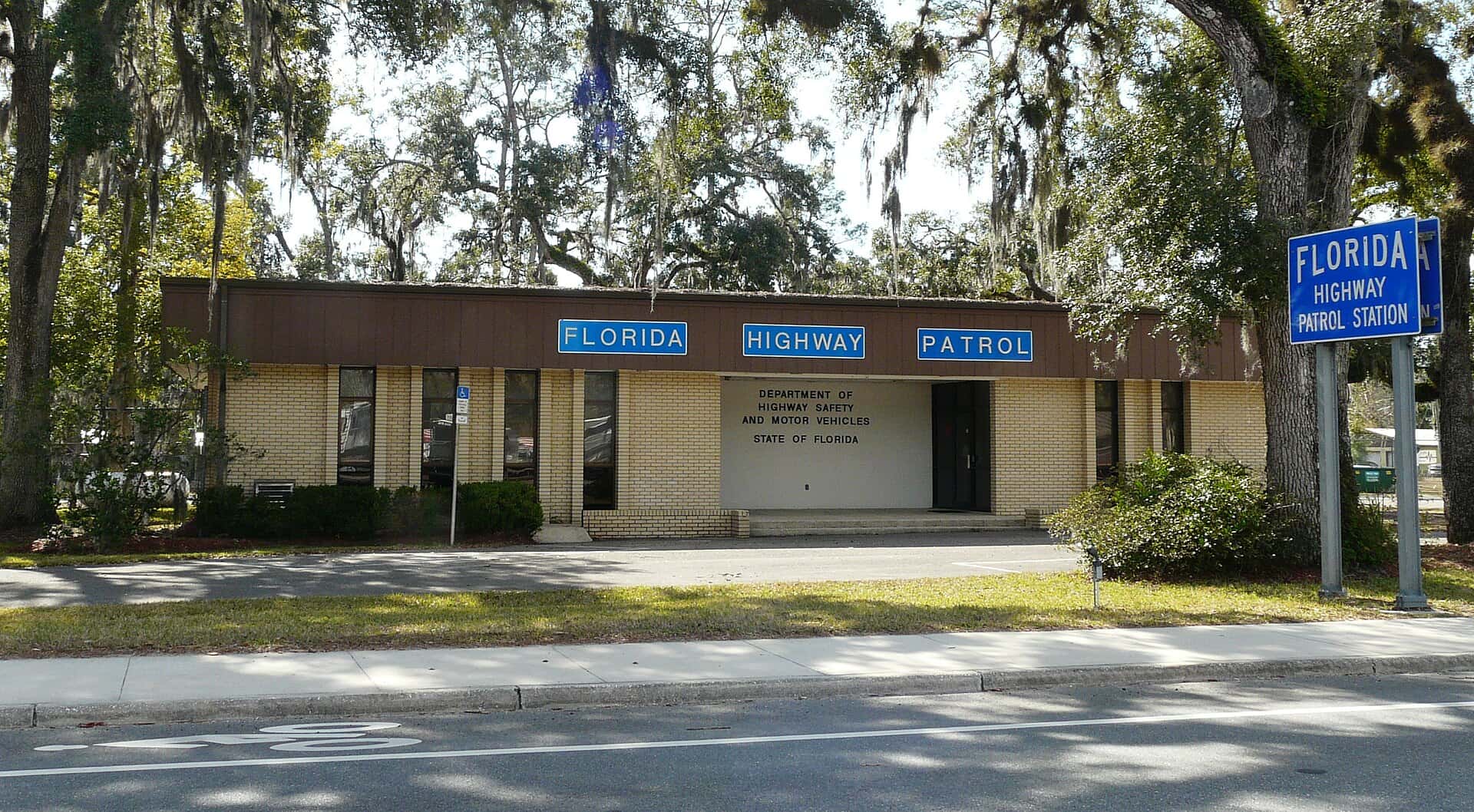
Florida carried out the execution of Dennis Sochor, a 74-year-old man convicted of a 1982 killing, marking one of the oldest executions in the state's modern history and the latest in a striking series of lethal injections this year. Sochor was pronounced dead in the evening at Florida State Prison near Starke following a three-drug injection, according to state officials.
Sochor was convicted in the killing of Patricia Gifford, an 18-year-old woman, on January 1, 1982, in a case that dated back more than four decades. According to accounts of the case, the killing occurred hours after the two had met at a New Year's celebration in Broward County, and Sochor was ultimately sentenced to death for the crime.
The execution adds to a remarkable pace of capital punishment in Florida this year, with the state carrying out its tenth lethal injection of 2026. Sochor's age placed him among the oldest inmates the state has executed in its modern history, part of a recent stretch in which Florida has put several older prisoners to death.
The execution
State officials said Sochor was pronounced dead in the evening at Florida State Prison near Starke after a three-drug lethal injection, the method Florida uses to carry out death sentences. The execution proceeded after the case had moved through the layers of legal review that precede any execution in the state.
According to accounts of the proceedings, Sochor expressed remorse before his death, offering apologies to the family of the victim and expressing sorrow for his actions. He also acknowledged those who had supported him over the years he spent in custody. The details reflect the solemn nature of an execution that closed a case decades in the making.
The execution was carried out under the authority of the state, following the exhaustion of the appeals and reviews available to Sochor over the many years since his conviction. It represents the final stage of a capital case that had persisted for more than four decades.
The 1982 case
The crime for which Sochor was executed dated to the first day of 1982. According to accounts of the case, Patricia Gifford, an 18-year-old woman, was killed hours after she and Sochor met at a New Year's celebration in Broward County. The killing led to his conviction and death sentence.
Cases of this age carry a long history through the courts. In the decades between the crime and the execution, capital cases typically pass through trials, appeals and post-conviction proceedings at both the state and federal levels. Sochor's case followed that lengthy trajectory before reaching its conclusion this week.
The passage of more than 40 years between the killing and the execution underscores the extended timelines that often characterize death-penalty cases. For the family of the victim, the resolution came only after decades, a span that reflects the deliberate and prolonged nature of capital litigation.
Among the oldest executed
Sochor's age of 74 placed him among the oldest inmates executed in Florida's modern history. State corrections records indicate that the oldest inmates the state had previously executed were younger, making the recent executions of older prisoners a notable development in the state's application of the death penalty.
The execution followed another this year in which Florida put to death a 74-year-old inmate, and the state is reported to have scheduled the execution of an 80-year-old prisoner later in the month, which would set a new mark for the oldest inmate executed by the state. The cluster of executions of older prisoners reflects the advanced age many death-row inmates reach after decades of appeals.
The advancing age of those being executed is a consequence of the long timelines involved. Inmates sentenced to death decades ago have grown old on death row as their cases wound through the courts, and the recent executions have brought several of these long-standing cases to a close.
A busy year for executions
Sochor's execution was Florida's tenth of the year, a pace that has drawn national attention and positioned the state at the forefront of capital punishment in the country. The frequency of executions in 2026 marks a significant increase over the numbers seen in many recent years.
The heightened pace reflects the movement of numerous long-pending cases toward their conclusion, as the state carries out death sentences that had been years or decades in the making. Each execution follows the completion of the legal process for that case, but the concentration of executions in a single year is a distinctive feature of 2026.
The volume of executions has made Florida a focal point in national discussions of the death penalty. As the state continues through its schedule, the pace has become a defining characteristic of its criminal-justice landscape this year, drawing scrutiny from observers across the spectrum of views on capital punishment.
How capital cases proceed
Under Florida law, first-degree murder can carry either a death sentence or life in prison without parole, and cases that result in a death sentence enter a lengthy process of review. That process includes direct appeals and post-conviction proceedings designed to examine the trial, the sentence and any claims of error.
The reviews take place in both state and federal courts, and they can extend over many years as courts consider the issues raised. Only after those avenues are exhausted does a case reach the point of an execution, which the state then schedules and carries out under its established procedures.
This structure is intended to provide safeguards in cases involving the ultimate penalty, allowing for the examination of claims before an irreversible sentence is carried out. The decades-long span of Sochor's case illustrates how extended that process can be, particularly for cases dating back many years.
The long road of appeals
The decades that passed between the 1982 killing and this week's execution illustrate the extended timelines that characterize capital cases in the United States. After a death sentence is imposed, a case enters a lengthy sequence of review, including direct appeals and post-conviction proceedings that examine the trial, the sentence and any claims of error that arise over the years.
Those reviews take place in both state and federal courts, and they can span many years as courts consider the issues presented. The process is designed to provide safeguards in cases involving the ultimate penalty, allowing claims to be examined before an irreversible sentence is carried out. Only after those avenues are exhausted does a case reach the point of execution.
For a case dating back more than four decades, that road was especially long. The passage of time is a defining feature of many death-penalty cases, and it explains how inmates come to be executed decades after their crimes, having grown old on death row as their cases moved through the courts toward a final resolution.
Florida's capital punishment system
Florida is among the states that actively employ the death penalty, and its system provides for capital punishment in cases of first-degree murder, where a sentence of death or life without parole may be imposed. The state carries out executions by lethal injection at Florida State Prison, following the completion of the legal process for each case.
The state's use of capital punishment has placed it prominently in the national landscape, and the pace of executions this year has drawn particular attention. As one of the most active states in carrying out death sentences, Florida's system and its application are subjects of ongoing scrutiny from observers across the range of views on the death penalty.
The framework governing capital cases reflects an effort to balance the finality of the sentence with the safeguards of extended review. Each execution follows years of legal proceedings, and the structure is intended to ensure that claims are heard before the state carries out its most serious punishment. The Sochor case, spanning more than 40 years, exemplifies that process from crime to conclusion.
Reporting on capital cases
Coverage of capital cases carries a responsibility to adhere to careful standards, grounding accounts in court records and official sources and preserving the presumption of innocence until conviction. In cases that have reached the point of execution, the conviction and sentence have been established through the legal process, and reporting reflects the outcome of that adjudication.
The facts of a decades-old case, including the crime, the trial and the appeals, form part of a public record that allows citizens to understand what the state has done and why. Accurate, sourced reporting on these cases ensures that executions are carried out with public awareness rather than in obscurity, contributing to the accountability that surrounds the state's most serious exercise of power.
The broader context
Sochor's execution comes amid a year in which Florida has been the nation's most active state in carrying out death sentences. The pace has renewed attention to the death penalty in Florida, a subject that has long been the source of intense debate among residents, officials and advocates on all sides.
Supporters of capital punishment view the carrying out of death sentences as the fulfillment of justice for grave crimes, while opponents raise concerns about the risk of error, the morality of the practice and its application. The state's active schedule this year has brought those debates back to the forefront.
For the family of Patricia Gifford, the execution brought a decades-long case to its end. For the state, it added to a year of unusual activity in capital punishment. And for the broader public, it served as a reminder of the weight and finality of the death penalty as Florida continues to carry out its sentences at a pace unmatched in the nation.
Spotted an issue with this article?
Have something to say about this story?
Write us a letterComments
No comments yet. Be the first to weigh in.
Related Coverage

Tamarac Man Held Without Bond on First-Degree Murder Charge in Stabbing Death of His Mother
1d ago
Brevard Sheriff's Homicide Agent Kevin Morris Killed by Wrong-Way Driver on I-95 While Heading to Mims Shooting Scene
1d ago
Jury Convicts Man of First-Degree Murder in Shooting Outside North Marion Middle School Awards Ceremony; Judge Imposes Life
2d ago

Jacksonville Man Gets Life for Killing Neighbor Who Lived on a Boat, Then Burning and Burying His Remains
2d ago