SpaceX Marks 600th Booster Reuse as Cape Canaveral's Launch Cadence Hits New Heights
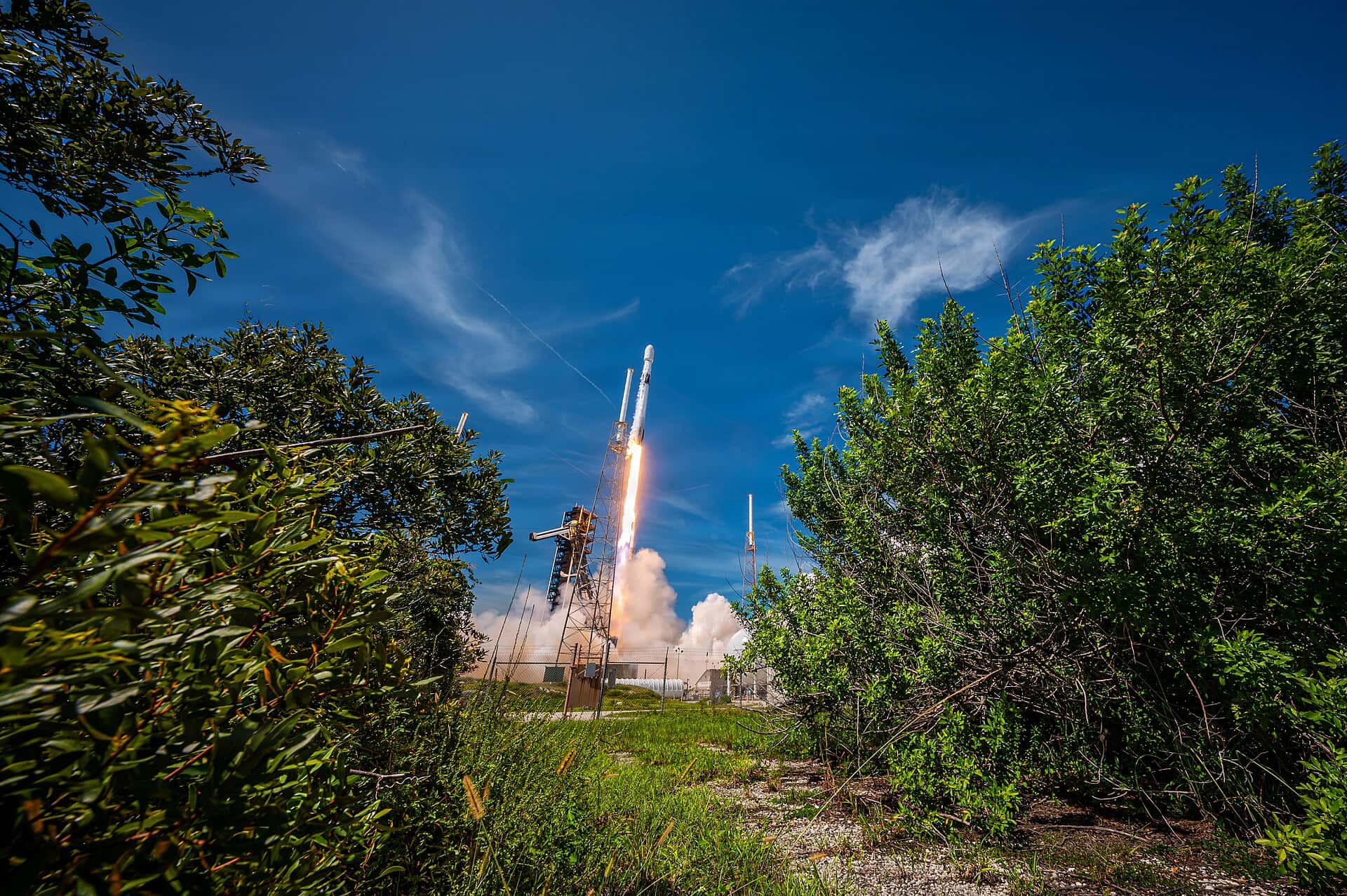
SpaceX added another milestone to its ledger this week, flying a Falcon 9 rocket from Cape Canaveral on the 600th reuse of one of its boosters. The predawn launch, carrying another batch of 29 Starlink broadband satellites toward low Earth orbit, marked the latest in a relentless cadence of flights that has turned Florida's Space Coast into the busiest launch site in the world.
The mission lifted off from Space Launch Complex 40 at Cape Canaveral Space Force Station, part of a launch tempo that has repeatedly rewritten records this year. Just days earlier, the company had flown a separate booster for a record 36th time, and its fleet of recovery drone ships and landing pads has logged hundreds of successful booster recoveries at sea and on land.
For Florida, the numbers are more than aerospace trivia. Each launch represents jobs, tax revenue and a steady stream of visitors drawn to the coast to watch rockets rise, and the accelerating pace has cemented the region's status as the center of America's commercial space boom.
The milestone in context
Reusing rocket boosters was once considered impractical, and for decades launch vehicles were discarded after a single flight. SpaceX built its business on reversing that assumption, landing and refurbishing boosters to fly again, a practice that has slashed the cost of reaching orbit and enabled a cadence that would have been unthinkable a generation ago.
Reaching the 600th reuse of a booster is a marker of how mature that reusability program has become. It reflects not just the ability to land rockets but to inspect, refurbish and re-fly them reliably, dozens of times in the case of the most-flown boosters. The routine nature of these landings, once spectacular novelties, is itself the story.
The pace has been staggering. The company has notched hundreds of booster landings overall, with individual vessels in its recovery fleet catching returning rockets over and over. The 600th reuse milestone arrives amid a year in which SpaceX has repeatedly extended its own records for how often a single booster can fly.
Why Florida is the launchpad
The Space Coast, centered on Cape Canaveral and the adjacent Kennedy Space Center in Brevard County, has been America's gateway to space since the earliest days of the space program. Its geography, with launches heading east over the Atlantic and a latitude that aids certain orbits, made it the natural home for the nation's rockets.
Today that legacy has fused with the commercial space era. SpaceX launches Starlink missions, crew and cargo flights and customer payloads from Florida on a near-constant basis, and it shares the coast with other operators building toward their own launch programs. The infrastructure, workforce and regulatory framework concentrated there make it difficult for any other location to match.
The result is a launch site operating at a tempo without precedent. The frequency of flights has become a defining feature of life in Brevard County, where sonic booms from returning boosters and the glow of predawn launches are part of the local rhythm.
The economic payoff
The launch boom has been an economic engine for Florida's Space Coast. The industry supports thousands of high-skilled jobs in engineering, manufacturing and operations, and it has spurred growth in the surrounding communities that house the workforce. Space Florida and local officials have worked to attract aerospace investment, betting on the sector as a pillar of the regional economy.
Tourism rides along with the rockets. Launch viewing has become an attraction in its own right, drawing spectators to beaches, parks and visitor centers to watch liftoffs, particularly for high-profile missions. That foot traffic benefits hotels, restaurants and businesses across the region, adding a tourism dimension to the industrial base.
The record cadence amplifies all of it. More launches mean more work for suppliers and contractors, more reasons for visitors to time a trip around a liftoff and more momentum behind the region's identity as the heart of American spaceflight. The Space Coast has effectively turned frequency into a competitive advantage.
The Starlink engine
Much of the launch volume is driven by Starlink, SpaceX's satellite internet constellation, which requires a continuous stream of launches to deploy and replenish thousands of satellites in low Earth orbit. This week's mission added 29 more satellites to that network, a typical payload for the workhorse Falcon 9.
The constellation has commercial significance for Florida and beyond, offering broadband to rural and underserved areas where traditional internet infrastructure is limited. For a state with remote agricultural regions and communities exposed to hurricanes that can knock out ground-based networks, satellite connectivity has practical appeal.
The sheer scale of the constellation guarantees a steady flight manifest, which in turn sustains the launch cadence that benefits the Space Coast. As long as Starlink requires regular replenishment, Florida's launch pads are likely to stay busy, reinforcing the economic and record-setting trends on display this week.
The reusability revolution
The milestone of a 600th booster reuse is best understood as a marker of how thoroughly SpaceX has upended the economics of spaceflight. For most of the space age, rockets were expendable, discarded into the ocean after a single use at enormous cost. Recovering and reflying boosters transformed that model, spreading the expense of building a rocket across many missions and driving the per-launch cost down to levels that made frequent flight commercially viable. The routine landings that once drew gasps are now the quiet foundation of an entire industry.
That transformation is what enables the launch cadence Florida now hosts. Without reusability, flying at the current pace would be prohibitively expensive and logistically impossible, since building a new booster for every mission could never keep up with demand. The ability to inspect, refurbish and refly a booster within a short turnaround is the engine behind the record numbers, and each reuse milestone reflects incremental gains in how quickly and reliably that process can be done.
The implications extend beyond a single company. By demonstrating that reusability works at scale, SpaceX has reshaped expectations across the aerospace sector, pushing competitors to pursue their own reusable systems and lowering the barrier to reaching orbit for a widening range of customers. That broader shift promises to keep Florida busy, as more operators seek to launch from the infrastructure and expertise concentrated on the Space Coast.
A crowded and growing launch coast
SpaceX may dominate the current cadence, but it shares the Space Coast with a widening field of operators building toward their own launch programs. Established aerospace companies and newer entrants alike are developing rockets and infrastructure in the region, drawn by the same advantages that made the coast America's launch capital. The result is a launch site that is not only busier than ever but increasingly diverse in the vehicles and missions it supports.
Government spaceflight remains a major presence alongside the commercial boom. NASA's exploration ambitions are anchored at the adjacent Kennedy Space Center, which continues to serve as a hub for the agency's efforts to return astronauts to deep space. That mix of commercial and government activity gives the region a breadth few other launch sites can match, layering crewed missions, cargo flights, satellite deployments and exploration hardware into a single, humming coastline.
State and local officials have worked deliberately to cultivate this ecosystem, treating aerospace as a strategic pillar of the regional economy. Efforts to attract investment, develop the workforce and streamline the infrastructure that supports frequent launches reflect a bet that the Space Coast's future lies in becoming ever more central to both commercial and national spaceflight. The record cadence on display is the payoff that bet is beginning to deliver.
A launch culture that defines the region
The relentless cadence has woven spaceflight into the fabric of daily life on Florida's Space Coast in a way few other places experience. Residents of Brevard County have grown accustomed to the rumble of launches, the sonic booms of returning boosters and the glow of predawn liftoffs, events that would draw crowds elsewhere but have become routine here. That familiarity is itself a marker of how central launch activity has become to the identity of the region.
The frequency also feeds a steady stream of visitors who plan trips around launches, turning liftoffs into tourism events that benefit local businesses. Beaches, parks and visitor centers fill with spectators hoping to witness a launch, and the surrounding hotels and restaurants capture the spending that comes with them. That tourism dimension, layered on top of the industrial and engineering jobs the sector supports, gives the Space Coast an economy uniquely tied to the rhythm of rockets, one that grows busier with each record the region sets.
Each milestone also serves as a reminder of how quickly the ordinary can become extraordinary in the space business. A 600th booster reuse would have been the stuff of science fiction not long ago, yet it now passes as one more entry in a busy launch log. That normalization of the once-impossible is perhaps the truest measure of how far the industry, and the Florida coast that hosts it, have come, and of how much further the current pace suggests they may still go.
What's next on the Space Coast
The pace shows no signs of slowing. SpaceX continues to schedule frequent Falcon 9 missions from Florida, and the broader Space Coast is preparing for an even busier future as additional launch programs mature. The region is on track for another record year of launches, extending a run of growth that has redefined its economy.
Beyond the current cadence, the coast is positioning for the next generation of spaceflight, including larger vehicles and expanded infrastructure. NASA's own exploration ambitions, anchored at Kennedy Space Center, add another layer of activity alongside the commercial launches, keeping Florida central to both government and private space efforts.
For now, the 600th booster reuse stands as a snapshot of how far the industry has come and how central Florida is to it. What began as an experiment in landing rockets has become a routine that powers a booming regional economy, one predawn launch at a time.
Spotted an issue with this article?
Have something to say about this story?
Write us a letterComments
No comments yet. Be the first to weigh in.
Related Coverage

Florida Voters Face Few New Rules on Nov. 3 as Other GOP States Roll Out Citizenship and ID Laws
11h ago

Florida Leads the Nation in ICE Detainer Arrests as Local Police Take a Growing Role, New Data Show
12h ago
Federal Government Again Asks Miami Judge to Toss Lawsuit by Nearly 1,000 Cubans With I-220A Papers
12h ago
Alvaro Pulido, Alex Saab's Longtime Partner, Heads to Miami Federal Court After Arrest in Venezuela Bribery Case
13h ago