Hillsborough Deputies Charge Tampa Man With Attempted Murder in Vehicle Case
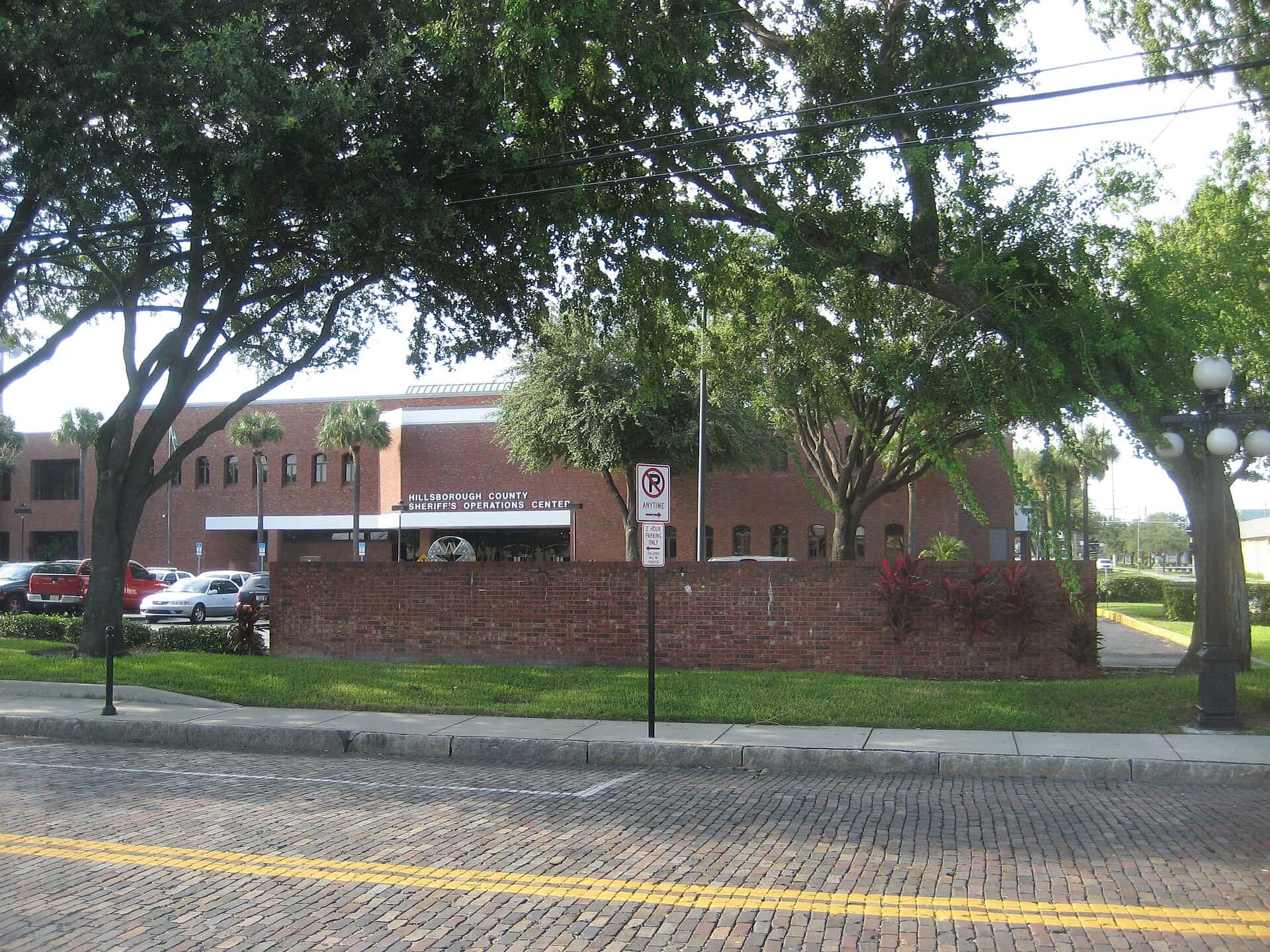
The Hillsborough County Sheriff's Office announced on June 16, 2026, that it had charged Levi Stevenson, 28, with attempted murder after he allegedly struck a woman with a vehicle in Tampa. According to the sheriff's office, the woman, described as Stevenson's girlfriend, was hit by a car on June 12, 2026, and taken to a hospital with injuries that were not life-threatening. The charge marks an accusation, not a finding of guilt, and the case will proceed through the courts where Stevenson is presumed innocent unless and until proven otherwise.
According to the Hillsborough County Sheriff's Office, deputies responded on June 12 to East 138th Avenue in Tampa, where they found that a woman had been struck by a vehicle. Investigators allege that Stevenson veered off the roadway, struck the woman with his vehicle, and then fled the area. Those allegations form the basis of the attempted-murder charge announced several days later, and they remain accusations that have not been tested in court.
The sheriff's office characterized the case as a domestic-violence matter, noting the relationship described between Stevenson and the woman. As with any pending charge, the accusations against Stevenson are allegations, and a charge is not evidence of guilt. The legal process that follows is designed to test those allegations, and the outcome will be determined by the courts rather than by the initial charging decision.
What the Sheriff's Office Alleges
The account released by the Hillsborough County Sheriff's Office centers on the events of June 12, 2026, on East 138th Avenue in Tampa. According to the sheriff's office, deputies were dispatched to the location after a woman had been struck by a car. When deputies arrived, they found that the woman had been injured and that she was subsequently transported to a hospital. The sheriff's office said her injuries were not life-threatening.
Investigators allege that the vehicle involved was driven by Stevenson and that he veered off the roadway before striking the woman. The sheriff's office further alleges that after the woman was struck, Stevenson fled the area rather than remaining at the scene. Those alleged actions, the deliberate striking of the woman and the departure that followed, underpin the decision to pursue an attempted-murder charge rather than a lesser offense.
It is important to emphasize that each of these specifics comes from the Hillsborough County Sheriff's Office and reflects the allegations as the agency has described them. Stevenson has been charged, but he has not been convicted, and the allegations remain unproven accusations at this stage. The presumption of innocence applies, and the burden rests with prosecutors to prove the charge beyond a reasonable doubt should the case proceed to trial.
How the Charge Was Announced
The Hillsborough County Sheriff's Office made its announcement on June 16, 2026, four days after the incident it described. The timing reflects the investigative work that typically precedes a formal charging announcement, during which deputies and investigators gather information, assess the available evidence, and reach a charging decision. In this case, the agency concluded that the circumstances warranted a charge of attempted murder.
Attempted murder is among the most serious charges in the Florida criminal code short of a completed homicide. The charge reflects an allegation that a person took action intended to cause death but that the victim survived. In the context described by the sheriff's office, the allegation is that the use of a vehicle to strike the woman constituted an attempt to kill her. Whether the evidence supports that characterization is a question that the legal process is designed to resolve.
The sheriff's office's announcement placed the case within the broader category of domestic violence, given the described relationship between Stevenson and the woman. That framing is significant because domestic-violence cases often involve particular legal procedures and protections, but it does not alter the fundamental principle that the charge is an accusation subject to proof. The agency's role at this stage is to investigate and charge; the determination of guilt or innocence belongs to the courts.
How a Charge Moves Through the Florida Courts
Once a charge such as attempted murder is filed, the case enters a legal process that unfolds over a series of stages. In Florida, a person who is arrested is typically brought before a judge for an initial appearance, where the court addresses matters such as the conditions of release and ensures the defendant is informed of the charges. From there, the case proceeds through the prosecutorial and pretrial phases.
The state attorney's office reviews the case and makes the formal charging decision, filing the document that sets out the charges the state intends to pursue. The defendant is entitled to legal representation, and if the defendant cannot afford an attorney, the court appoints one. Throughout these proceedings, the defendant is presumed innocent, and the state carries the burden of proving the charges beyond a reasonable doubt, the highest standard in the American legal system.
Pretrial proceedings may include the exchange of evidence between the prosecution and the defense, legal motions, and negotiations. Many cases are resolved before trial, while others proceed to a jury. A charge is an accusation, and it is the trial process, or a resolution reached through the legal system, that ultimately determines the outcome. Until such a determination is made, the accused retains the presumption of innocence that anchors the criminal-justice system.
Domestic Violence in Florida
The Hillsborough County Sheriff's Office described the case as involving domestic violence, a category that Florida law treats with particular attention. Domestic violence broadly encompasses certain offenses committed by one person against another with whom they share a domestic or familial relationship, including current or former intimate partners. Florida has established legal mechanisms intended to address these situations, including protective orders and specialized procedures.
Resources exist for individuals affected by domestic violence in Florida. The Florida Domestic Violence Hotline operates statewide, and the national domestic-violence hotline is available around the clock to provide support and connect individuals with services. Local certified domestic-violence centers across the state offer shelter, counseling, and assistance to those in need. These resources function independently of any individual criminal case and are available to anyone seeking help.
Discussing domestic violence in general terms is distinct from drawing conclusions about any particular case. The allegations against Stevenson remain unproven, and nothing about the general context of domestic violence in Florida establishes the facts of this specific matter. The purpose of providing such context is to inform readers about the broader issue and the resources available, not to characterize the merits of a pending charge that the courts have yet to resolve.
The Presumption of Innocence
A foundational principle of the American legal system is that a person charged with a crime is presumed innocent. That presumption remains in place throughout the legal process and is overcome only if the state proves the charges beyond a reasonable doubt before a judge or jury. The charge announced by the Hillsborough County Sheriff's Office places Stevenson within that process, but it does not establish his guilt.
The distinction between a charge and a conviction is more than a technicality. A charge reflects a determination by law enforcement that there is a basis to bring a case forward. A conviction, by contrast, reflects a finding, after the full legal process, that the state has met its burden of proof. Between those two points lies the entire apparatus of the courts, designed precisely to test accusations and to protect against wrongful punishment.
For that reason, the allegations described by the sheriff's office should be understood as the agency's account of what it believes occurred, not as established fact. Stevenson is accused of attempted murder, and the case against him will be litigated through the legal system. The eventual outcome, whatever it may be, will be the product of that process rather than of the initial charging announcement.
The Broader Context of the Case
The case unfolds in Hillsborough County, the populous Tampa Bay county served by the Hillsborough County Sheriff's Office. The agency is among the largest law-enforcement organizations in the state, responsible for patrolling unincorporated areas and responding to a wide range of incidents across the county. Its handling of this case follows the standard pattern of investigation followed by a charging decision and a public announcement.
Cases involving allegations of violence between intimate partners often draw particular scrutiny from law enforcement, given the recognized risks associated with such situations. The sheriff's office's decision to pursue an attempted-murder charge reflects the seriousness with which it has characterized the allegations. At the same time, the seriousness of a charge does not diminish the procedural protections afforded to the accused, and the legal process will proceed accordingly.
As the case moves forward, additional information may emerge through court filings and proceedings. Authorities have released the account described above, attributing the specifics to the Hillsborough County Sheriff's Office. Details beyond what the agency has provided remain undisclosed, and any further developments will become known as the case advances through the courts. Until then, the available information consists of the allegations as the sheriff's office has framed them.
What's Next
The case against Levi Stevenson will proceed through the Hillsborough County court system, where the attempted-murder charge will be reviewed by prosecutors and litigated through the legal process. As a pending matter, the charge represents an accusation that the state must prove, and Stevenson is presumed innocent unless and until a court determines otherwise. The next steps will include the standard pretrial proceedings that accompany a serious felony charge in Florida.
For anyone affected by domestic violence, help is available regardless of the status of any criminal case. The national domestic-violence hotline and Florida's network of certified domestic-violence centers offer confidential support and services around the clock. Those resources stand apart from the criminal-justice process and are accessible to anyone seeking assistance. As for the case itself, the courts will determine its outcome, and the public account at this stage rests entirely on the allegations described by the Hillsborough County Sheriff's Office.
Spotted an issue with this article?
Have something to say about this story?
Write a letter to the editor