Hurricane Center Flags First Atlantic System of 2026 as NOAA Forecasts a Below-Normal Season
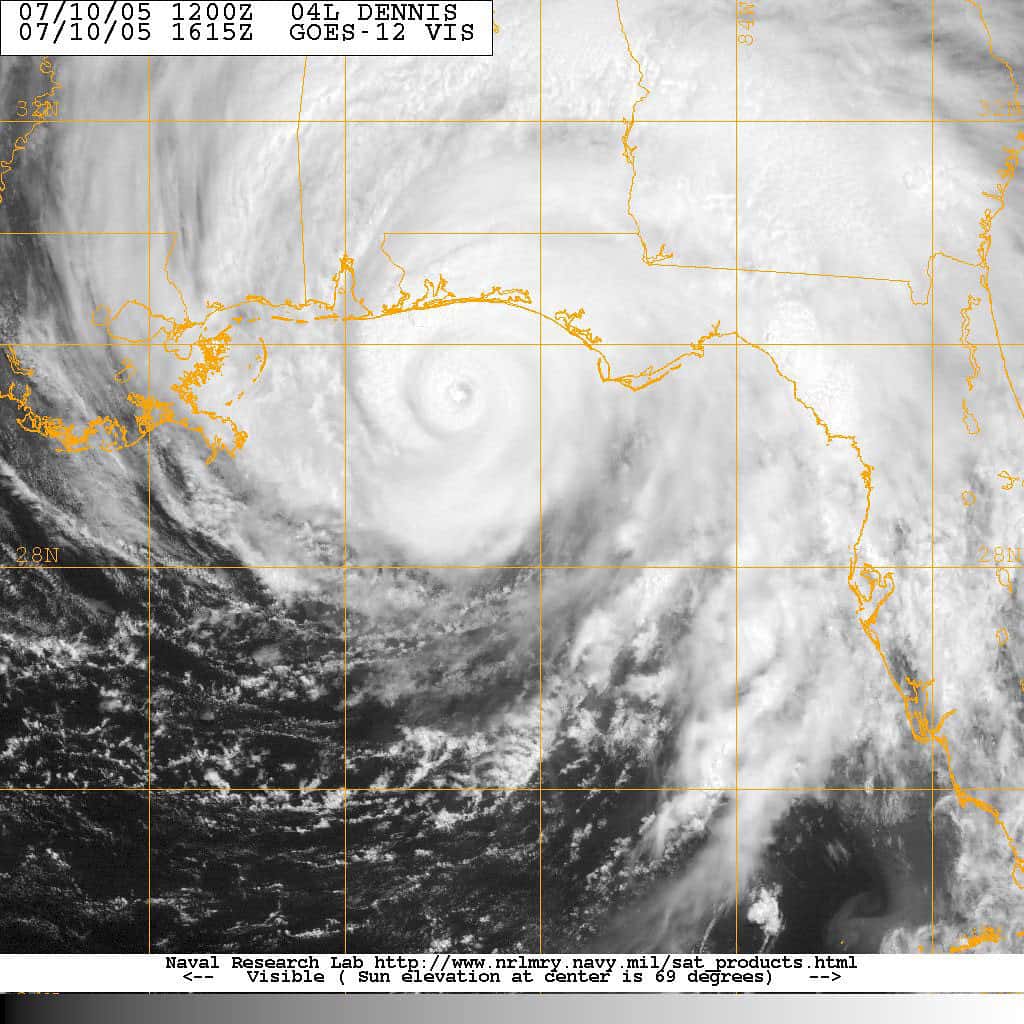
The National Hurricane Center has begun tracking the first Atlantic basin system of the 2026 season, a broad area of low pressure expected to develop over the Bay of Campeche, even as the National Oceanic and Atmospheric Administration maintains a forecast for a below-normal season overall. Florida emergency officials are using the early-season activity as a prompt to remind residents that a quieter-than-average season still leaves the state exposed, and that preparation should not wait for a storm to threaten the coast.
What the hurricane center is watching
In its tropical outlook this week, the National Hurricane Center identified a broad area of low pressure that could form over the Bay of Campeche, in the southwestern Gulf, as the season's first system with a chance to organize. Forecasters cautioned that conditions are not expected to be favorable for significant development, and the system was projected to move inland over eastern Mexico by late in the weekend.
For Florida, the immediate threat from this particular disturbance is minimal, given its projected track toward Mexico rather than the eastern Gulf or the peninsula. The system matters less as a direct danger than as a marker that the Atlantic season, which runs from June 1 through November 30, has begun in earnest and that the basin is waking up after the quiet spring.
The distinction between a watch and a warning, and between a disturbance and a named storm, is central to reading these early bulletins accurately. A broad area of low pressure with a low chance of development is not a storm, and a tropical outlook is not an advisory for a specific area. Floridians tracking the tropics should rely on official National Hurricane Center products rather than informal forecasts that can overstate the threat.
NOAA's below-normal outlook
NOAA's seasonal outlook for 2026 calls for a below-normal Atlantic hurricane season, with roughly a 55 percent chance of below-normal activity. The agency forecast a total of 8 to 14 named storms, of which 3 to 6 could become hurricanes, including 1 to 3 major hurricanes of Category 3 strength or higher. Those ranges sit below the long-term averages that define a typical season.
The forecast reflects a combination of climate signals. NOAA cited the expected development and intensification of El Nino during the season, a pattern that tends to suppress Atlantic hurricane activity by increasing wind shear that disrupts developing storms. At the same time, Atlantic ocean temperatures are expected to run slightly warmer than normal and trade winds somewhat weaker than average, factors that can support development and partly offset El Nino's dampening effect.
Seasonal forecasts describe the basin as a whole, not the risk to any single location. A below-normal season can still produce a devastating landfall, and a single major hurricane striking a populated stretch of the Florida coast would outweigh any favorable seasonal average for the people in its path. Emergency managers consistently stress that it only takes one storm to define a season for a community.
The Florida stakes
No state has more at risk from Atlantic hurricanes than Florida. Its long coastline, dense coastal population, exposure to both the Gulf and the Atlantic, and concentration of property in low-lying areas make it uniquely vulnerable. The state's property insurance market, its building codes, and its emergency management apparatus are all shaped by the recurring threat of landfalling storms.
The insurance dimension is especially acute. Years of hurricane losses contributed to instability in Florida's property insurance market, and the severity of each season feeds directly into the cost and availability of coverage. A quiet season supports stabilization, while a destructive one can reverse hard-won gains. Homeowners, insurers, and policymakers all watch the tropics with the market in mind as well as physical safety.
Hurricane preparedness also intersects with Florida's growth. The state has added residents rapidly, including many who have never experienced a major storm, raising the importance of public education about evacuation zones, supply kits, and the difference between watches and warnings. Newer residents in particular may underestimate how quickly conditions can deteriorate and how essential early preparation is.
What officials are urging
State and local emergency management agencies use the start of the season to push preparedness messaging: know your evacuation zone, assemble supplies, secure important documents, and have a plan for pets and medical needs. Those steps are most effective when taken before a storm is bearing down, when stores are stocked and roads are clear, rather than in the rush of a last-minute scramble.
Evacuation guidance in Florida is zone-specific, a point officials emphasize repeatedly. An evacuation order for a county does not mean every resident must leave; it applies to designated zones based on storm surge risk and local geography. Residents are urged to learn their specific zone in advance so they can act decisively and avoid both unnecessary evacuation and dangerous delay when an order is issued.
Power outages, flooding, and supply disruptions are recurring features of Florida hurricanes even when wind damage is limited. Officials encourage households to prepare for the possibility of days without power and to keep enough water, food, and medication on hand to ride out the immediate aftermath. Generators, when used, must be operated outdoors to avoid carbon monoxide poisoning, a leading cause of post-storm deaths.
What it means for residents
For most Floridians, the practical message of the first system of 2026 is simply that the season has arrived and the time to prepare is now. The Bay of Campeche disturbance poses little direct threat to the state, but it serves as a useful reminder to complete preparedness steps before the heart of the season in August and September, when activity historically peaks.
A below-normal seasonal forecast should not breed complacency. Some of Florida's most destructive hurricanes have occurred in seasons that were otherwise quiet, and the seasonal average says nothing about where storms will track. Residents who treat every season as a potential threat, regardless of the forecast, are best positioned to weather whatever develops.
The interplay between hurricane risk and the cost of living in Florida, particularly insurance and rebuilding costs, makes the season relevant even to residents who are never directly struck. A quiet season eases pressure on the insurance market and the state budget, while an active one can ripple through household finances across the state, underscoring why the tropics command such close attention.
Lessons from recent seasons
Florida's recent history offers a clear lesson about the limits of seasonal forecasts: the number of storms predicted for a season says nothing about where they will strike. Quiet seasons have produced devastating individual landfalls, and active seasons have sometimes spared the state entirely. For residents, that history reinforces the importance of treating every season as a potential threat regardless of the forecast.
The state has also learned hard lessons about the cascading effects of major storms, from prolonged power outages and water disruptions to the strain on the insurance market and the long road of rebuilding. Each significant landfall has tested Florida's emergency response, its infrastructure, and its financial systems, and those experiences have shaped the preparedness messaging that officials deliver each June. The cumulative knowledge informs how the state approaches each new season.
Building codes are among the most important legacies of past storms. Florida strengthened its construction standards significantly after major hurricanes, and newer homes built to current codes generally fare better in high winds. That investment in resilience pays dividends when storms strike, reducing damage and speeding recovery, and it underscores the value of preparation that extends beyond the individual household to the built environment itself.
Preparing the household
For individual households, preparedness begins with a plan and a kit assembled before any storm threatens. Officials recommend a supply of water, non-perishable food, medications, batteries, and other essentials sufficient to last several days, along with copies of important documents and a plan for communication and evacuation. Assembling these resources early, when stores are stocked and lines are short, is far easier than scrambling as a storm approaches.
Knowing one's evacuation zone is among the most important steps a Florida resident can take. Because orders are zone-specific and based on storm surge risk, residents who understand their zone in advance can respond appropriately when an order is issued, neither evacuating unnecessarily nor remaining in danger. Local emergency management agencies provide tools to look up zones, and officials urge residents to do so before the season's first threat.
Households with special considerations, including those with pets, medical needs, or limited mobility, require additional planning. Shelters, transportation, and medical continuity all demand advance arrangements, and the time to make them is before a storm is bearing down. The recurring message from emergency managers is that preparation is most effective when it is completed early, turning a potential crisis into a manageable situation.
What's next
Forecasters will continue monitoring the Bay of Campeche system as it moves toward Mexico and will watch for the next areas of potential development as the season progresses. Activity typically increases through the summer and peaks in the late summer and early fall, when conditions in the Atlantic are most conducive to storm formation.
NOAA and the National Hurricane Center will update their assessments as the season unfolds, and Florida's emergency management agencies will continue their preparedness campaigns. Residents are encouraged to follow official sources for advisories and to treat seasonal forecasts as background, not as a guarantee of safety for any particular area.
The opening of the 2026 season is a routine but important milestone. For Florida, the lesson of every June is the same: prepare early, know your zone, and respect the tropics, because a single storm can change everything regardless of what the seasonal numbers suggest.
Spotted an issue with this article?
Have something to say about this story?
Write us a letterComments
No comments yet. Be the first to weigh in.
Related Coverage

King Tides Peak on Florida's Atlantic Coast With Coastal Flood Warnings, Dangerous Surf and Gusty Winds
4h ago
NOAA Winter Outlook Favors a Wet Florida Winter as a Very Strong El Niño Builds
3d ago

Josephine Heads Out to Sea, but Florida's Atlantic Coast Faces Strong Winds, King Tide Flooding and Dangerous Surf This Weekend
5d ago
Strong fall cold front brings Florida Saturday rain, cooler air and dangerous surf this weekend
Oct 15