Iran's Strait of Hormuz Blockade Sends Florida Gas Prices to Four-Year High and Disrupts Port Trade
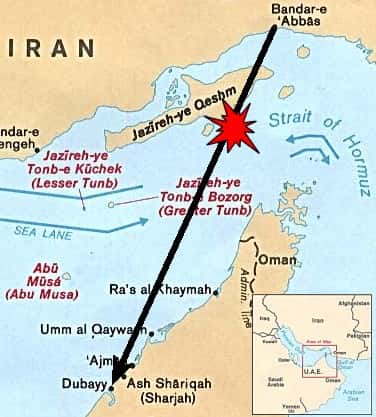
Iran's closure of the Strait of Hormuz, the narrow waterway through which approximately 25 percent of the world's seaborne oil trade normally passes, has produced a sustained fuel price shock that is hitting Florida families, businesses, and industries hard as the state approaches the Memorial Day holiday weekend. Gas prices at Florida pumps have climbed more than a dollar per gallon since the crisis began in late February, reaching a four-year high according to AAA data, which is projecting a record 2.7 million Floridians taking to the roads for Memorial Day despite those elevated costs.
The disruption began on February 28, 2026, when the United States and Israel launched military operations against Iran that resulted in the death of Iranian Supreme Leader Ali Khamenei. Iran's Islamic Revolutionary Guard Corps responded by announcing the closure of the Strait of Hormuz on March 4, boarding and attacking merchant ships attempting to pass through the waterway and laying sea mines in the strait's shipping lanes. The action was described by Secretary of State Marco Rubio as a criminal act under international law, given that the strait is an internationally recognized waterway through which vessels of all nations have navigated rights.
The practical effect for global energy markets has been severe. The International Energy Agency characterized the supply disruption as the largest in the history of global oil markets, exceeding even the 1970s oil shocks that reshaped the world economy. North Sea Dated crude oil prices surged from pre-crisis levels to a high of approximately $144 per barrel before volatility set in, with prices eventually settling around $110 per barrel as markets assessed the likely duration of the closure and the extent to which alternative supply routes could partially offset the lost volume. The impact has flowed directly into what Floridians pay at gas stations, grocery stores, and utilities.
Florida Gas Prices at a Four-Year High
The price increase of approximately $1.16 per gallon at the pump since the crisis began reflects both the direct cost of higher crude oil prices and the compounding effect of elevated fuel transportation and storage costs. Florida does not produce oil and relies on refined petroleum products delivered through pipelines, tankers, and truck fleets, meaning that supply chain disruptions have a magnified effect on the state's fuel market compared to oil-producing states that can substitute domestic production for disrupted imports.
For a Florida household with two cars each traveling 1,000 miles per month at an average fuel efficiency of 28 miles per gallon, the $1.16 price increase translates to approximately $83 in additional monthly fuel costs compared to pre-crisis levels. For commercial truck drivers, delivery companies, construction firms, and agricultural operations that depend heavily on diesel fuel, the impact is proportionally more severe, as diesel prices have risen at least as much as gasoline and the volume of fuel consumed is substantially higher.
The Memorial Day travel season, traditionally the unofficial start of Florida's heavy summer tourism period, is arriving with fuel prices at their highest point in four years. AAA's projection of 2.7 million Florida residents on the roads represents a modest increase from prior-year Memorial Day totals despite the price surge, suggesting that the state's tourism culture and the significance of the holiday weekend are strong enough to override the financial deterrent for most Florida families. However, economists note that the elevated prices are likely suppressing some discretionary driving and shifting destination choices for budget-conscious travelers.
Florida Ports and the Shipping Slowdown
Florida's major seaports, including PortMiami, Port Everglades in Fort Lauderdale, Port Tampa Bay, and Port Canaveral, are experiencing the broader effects of a global shipping market that has been severely disrupted by the Hormuz closure. Ships that would have transited the strait carrying petroleum products, liquefied natural gas, fertilizers, and manufactured goods have been diverted to longer routes around the southern tip of Africa or are sitting idle, creating port congestion across major global hubs and delaying cargo deliveries in both directions.
The practical effect for Florida's ports is higher shipping costs for everything from imported consumer goods to the automotive and industrial products that move through Port Everglades and Port Tampa Bay. Shipping line surcharges imposed to cover the higher insurance costs and longer voyage times associated with alternative Hormuz bypass routes have added meaningfully to the cost of importing goods into Florida, a reality that is beginning to appear in the prices of consumer products sold at Florida retail outlets.
PortMiami, which handles significant volumes of perishable food imports from Latin America and the Caribbean alongside the cruise industry's supply chain, has been working with shipping agents and cargo owners to manage schedule disruptions caused by the global fleet reallocation triggered by the Hormuz closure. Port officials have indicated that operations remain functional and that the port is not experiencing the kind of structural capacity constraints that would cause extended cargo backlogs, but that the increased cost environment is a challenge for all parties in the port community.
The Cruise Industry Faces Higher Fuel Costs
Florida's position as the cruise capital of the world, with PortMiami and Port Everglades handling the majority of global cruise departures and returns, has created a particular exposure to elevated marine fuel prices. The cruise lines based in or primarily operating from Florida, including Carnival Corporation, Royal Caribbean Group, and Norwegian Cruise Line, consume enormous quantities of bunker fuel to power their fleets across global itineraries.
Carnival Corporation, which is headquartered in Miami and is the world's largest cruise company by passenger capacity, saw its fuel costs increase substantially as a result of the Hormuz-driven oil price surge. The company, like its competitors, uses financial instruments to hedge against fuel price volatility, but those hedges provide only partial protection over a shock of this duration and magnitude. The elevated fuel cost environment is squeezing cruise industry margins and has prompted some lines to impose fuel surcharges on bookings, passing a portion of the cost increase to passengers.
The broader economic significance of the cruise industry to Florida is substantial. Cruise operations generate tens of billions of dollars in economic activity for Florida's port communities annually, supporting jobs in provisioning, ground transportation, hotel accommodations for arriving and departing passengers, and the retail and dining establishments that serve the cruise embarkation experience. A sustained period of elevated operating costs that reduces cruise line profitability has secondary effects throughout this economic ecosystem.
Agriculture and Fertilizer Supply Chains
Florida's agricultural sector, which produces significant quantities of citrus, sugarcane, tomatoes, peppers, and other crops, depends heavily on nitrogen fertilizers including urea and ammonia, large quantities of which normally transit the Strait of Hormuz from major producing countries in the Persian Gulf region. The strait carries approximately 30 to 35 percent of globally traded urea and 20 to 30 percent of ammonia, meaning that the closure has created meaningful fertilizer supply disruptions for farmers around the world, including in Florida.
Florida farmers who applied fall fertilizer applications before the crisis began entered the spring growing season with existing inventory in many cases, limiting the immediate impact. However, the reduced availability of Gulf-origin fertilizers on global markets has pushed prices upward even for supplies arriving from alternative sources, and farmers planting summer crops are facing input cost increases that compound the fuel cost pressure already affecting their operations. The Florida Department of Agriculture and Consumer Services has been monitoring the situation and communicating with the agricultural sector about supply availability and alternative sourcing options.
The sugarcane industry in South Florida, centered in Palm Beach and Hendry counties and representing one of the largest sugar-producing operations in the United States, has significant diesel fuel and fertilizer requirements across its large-scale mechanized farming operations. The combined impact of higher diesel and fertilizer costs on large-scale Florida agricultural operations is a concern that the industry has flagged with state and federal officials as a source of production cost pressure that could affect food prices and farm profitability through the growing season.
The Insurance Market and Global Trade Uncertainty
The global marine insurance market, which is responsible for covering ships and cargo transiting the world's shipping lanes, has been severely stressed by the Hormuz crisis. The combination of active mine warfare in the strait, the IRGC's attacks on merchant vessels, and the unprecedented number of ships stranded in and around the affected waters, estimated at more than 1,550 vessels with approximately 22,500 mariners aboard, has created insurance pricing challenges that have persisted throughout the crisis.
Oscar Seikaly, chief executive of NSI Insurance Group, a Florida-based maritime insurance firm, has publicly noted that the volatility of conditions around the strait makes it nearly impossible to price maritime risk responsibly when conditions can change by the hour. That assessment reflects a broader market reality: when underwriters cannot confidently model the probability and magnitude of a loss event, they either price very conservatively, effectively excluding coverage, or withdraw from the market entirely. The result has been a gap in insurance availability that has deterred some commercial shipping companies from attempting alternate-route voyages even when the routes themselves are technically open.
What's Next
The trajectory of Florida's fuel prices and port trade disruption depends heavily on when and how the Strait of Hormuz is reopened to commercial shipping. Diplomatic negotiations led by Secretary of State Rubio and other international partners have been focused on securing conditions under which Iran's restrictions would be lifted and safe passage restored for commercial vessels. The complexity of those negotiations, which involve Iranian security demands, international sanctions frameworks, and the broader context of the conflict that triggered the closure, means that a near-term resolution remains uncertain.
Florida households and businesses can expect elevated fuel prices to persist through at least the near term, as the physical supply chain adjustments required to fully offset the Hormuz disruption, including expanded use of longer alternative routes, increased domestic production, and strategic reserve releases, take time to work through global markets. The Memorial Day travel weekend will provide a visible data point for how Florida consumers are responding to the price environment, and the economic data from that period will inform state officials' and business leaders' assessments of the disruption's ongoing economic impact on the Florida economy.
Spotted an issue with this article?
Have something to say about this story?
Write us a letterComments
No comments yet. Be the first to weigh in.
Related Coverage

Isaias Shuts Pensacola and Okaloosa Airports as Airlines Waive Fees and Tolls Lift on Panhandle Bridges
5h ago

Ex-CIA official pleads guilty in $194 million fraud, will forfeit $102 million in Palm Beach and Hobe Sound real estate
6h ago

11th Circuit voids septic permit ban in Indian River Lagoon manatee case after federal 'harm' rule rollback
6h ago

Trump ties disaster aid to midterm campaign as Hurricane Isaias nears Florida Panhandle
1d ago