Marco Rubio Defends State Department Budget and Foreign Policy Agenda as Florida's Voice in Washington
Secretary of State Marco Rubio, the former Florida senator now serving as the nation's top diplomat, appeared before multiple congressional committees this month to defend the State Department's budget request for the coming fiscal year and to outline an ambitious foreign policy agenda. For Floridians, Rubio's testimony carried added significance: the issues he addressed, from international conflicts to global supply chains, touch a state with deep international ties and a large diaspora population.
Rubio's appearances before House and Senate committees offered a window into the priorities of American foreign policy and into the role of a Floridian at the center of it. Having represented Florida in the Senate for years before becoming Secretary of State, Rubio brings to the post a familiarity with the state's distinctive international concerns, from its Latin American connections to its strategic military and space assets.
The budget testimony
Rubio testified before several congressional panels, including committees in both the House and the Senate, on the State Department's budget request for the next fiscal year. The hearings are part of the annual appropriations process through which Congress sets funding levels for federal agencies, and the Secretary of State's testimony is a key moment for defending the department's priorities and explaining how it intends to use its resources.
In his testimony, Rubio laid out the administration's foreign policy priorities and made the case for the funding needed to carry them out. The budget process involves negotiation between the executive branch, which proposes funding, and Congress, which appropriates it, and the Secretary's appearances give lawmakers the chance to question the administration's approach and priorities directly.
The State Department's budget funds a wide range of activities, from diplomacy and embassies to foreign assistance and international programs. How those funds are allocated reflects the administration's foreign policy choices, and the testimony gave Rubio the opportunity to explain and defend those choices before the lawmakers who control the purse strings.
Foreign policy on the agenda
Rubio's testimony touched on significant international developments. He addressed tensions between India and Pakistan, two nuclear-armed nations, describing diplomatic efforts to de-escalate conflict between them. Managing relations between major powers and preventing dangerous escalations is a core function of American diplomacy, and Rubio's remarks underscored the high-stakes nature of the role.
The Secretary also highlighted an initiative focused on protecting supply chains critical to advanced technology, a coalition of nations cooperating on the materials and components essential to the development of artificial intelligence and other strategic technologies. Securing supply chains has become a central concern of foreign and economic policy, reflecting the recognition that technological competitiveness depends on reliable access to key inputs.
These priorities reflect the broad scope of the Secretary of State's responsibilities, spanning traditional diplomacy, conflict management, and the emerging challenges of technology and supply-chain security. Rubio's agenda, as outlined in his testimony, reflects an effort to position American foreign policy to address both longstanding geopolitical concerns and newer strategic challenges.
The Florida connection
For Florida, Rubio's prominence in Washington is significant. As a former senator from the state, he understands Florida's distinctive international concerns, particularly its deep connections to Latin America and the Caribbean. Florida is home to large communities with roots in Cuba, Venezuela, Haiti, Colombia, and other nations across the hemisphere, and U.S. policy toward those countries resonates powerfully in the state.
Rubio has long been associated with a hard line on the authoritarian governments of Cuba and Venezuela, positions that have strong support among many Florida voters with ties to those nations. As Secretary of State, his approach to Latin American policy carries direct implications for Florida's diaspora communities, who watch developments in their home countries closely and have a personal stake in American policy toward the region.
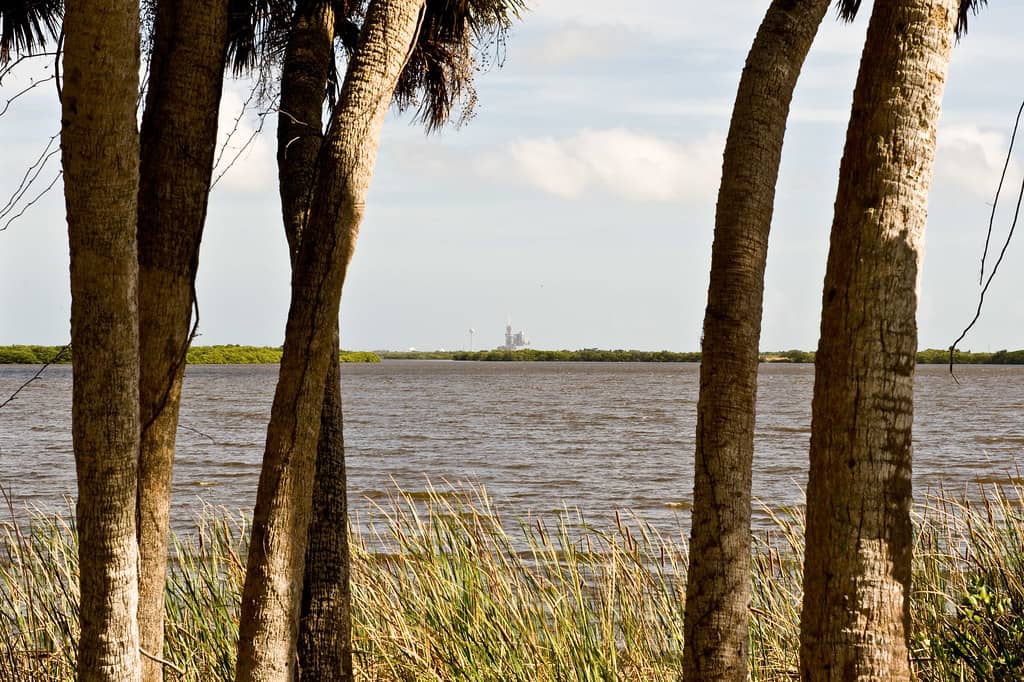
Beyond the diaspora connection, Florida's strategic assets give it a stake in foreign policy. The state hosts major military installations, the nation's primary spaceport at Cape Canaveral, and significant trade and travel links to the rest of the world. Decisions made in Washington about defense, space, and international commerce ripple through Florida's economy and communities.
Why it matters for Floridians
Foreign policy can seem distant from daily life, but for Florida it is often personal and economic. The state's large immigrant communities follow U.S. policy toward their home countries with intense interest, and shifts in that policy can affect families, businesses, and the flow of people and resources across borders. A Floridian leading American diplomacy gives the state a familiar voice on those issues.
Florida's economy is also deeply international. The state's ports handle enormous volumes of trade, its tourism industry draws visitors from around the world, and its agricultural and other sectors depend on global markets. Foreign policy decisions about trade, sanctions, and international relations affect these economic engines, making the State Department's agenda relevant to Florida's prosperity.
The state's role in national defense and space adds another dimension. Florida's military bases and its spaceport are integral to American security and to the space program, and foreign and defense policy decisions affect their missions and funding. The intersection of Florida's strategic assets with national policy gives the state a direct interest in the work of the federal government's national security agencies.
The political dimension
Rubio's service as Secretary of State represents a notable trajectory for a politician who built his career representing Florida. His rise to one of the most senior positions in the federal government reflects both his individual prominence and Florida's growing weight in national politics, as the state has become an increasingly important player on the national stage.
His tenure is watched closely both for its policy substance and for what it signals about the direction of American foreign policy. As a high-profile figure with a long record on international issues, Rubio's approach to the major challenges facing the country carries weight, and his congressional testimony is one of the venues where that approach is scrutinized and debated.
For Florida, having one of its own in such a prominent role is a source of attention and, for many, pride. Regardless of political affiliation, Floridians have a connection to a Secretary of State who once represented them, and his decisions on the world stage carry an added resonance in the state he called home throughout his political career.
What's next
The budget process Rubio's testimony fed into will continue as Congress works through appropriations for the coming fiscal year. The final funding levels for the State Department will emerge from negotiations between the administration and lawmakers, shaping the resources available for American diplomacy and foreign assistance in the year ahead.
On the policy front, the international challenges Rubio addressed, from major-power tensions to supply-chain security, will continue to demand attention. American diplomacy will be tested by ongoing conflicts and emerging strategic competition, and the Secretary of State will remain at the center of efforts to navigate those challenges. The outcomes will have consequences far beyond Washington.
For Florida, the work of its former senator as the nation's top diplomat will continue to carry particular significance, especially on issues touching the state's diaspora communities, its economy, and its strategic assets. As Rubio pursues his agenda, Floridians have reason to pay close attention to the foreign policy decisions being made by one of their own in Washington.
Spotted an issue with this article?
Have something to say about this story?
Write a letter to the editor