Miami Gardens Set for Seven 2026 World Cup Matches as Tournament Opens
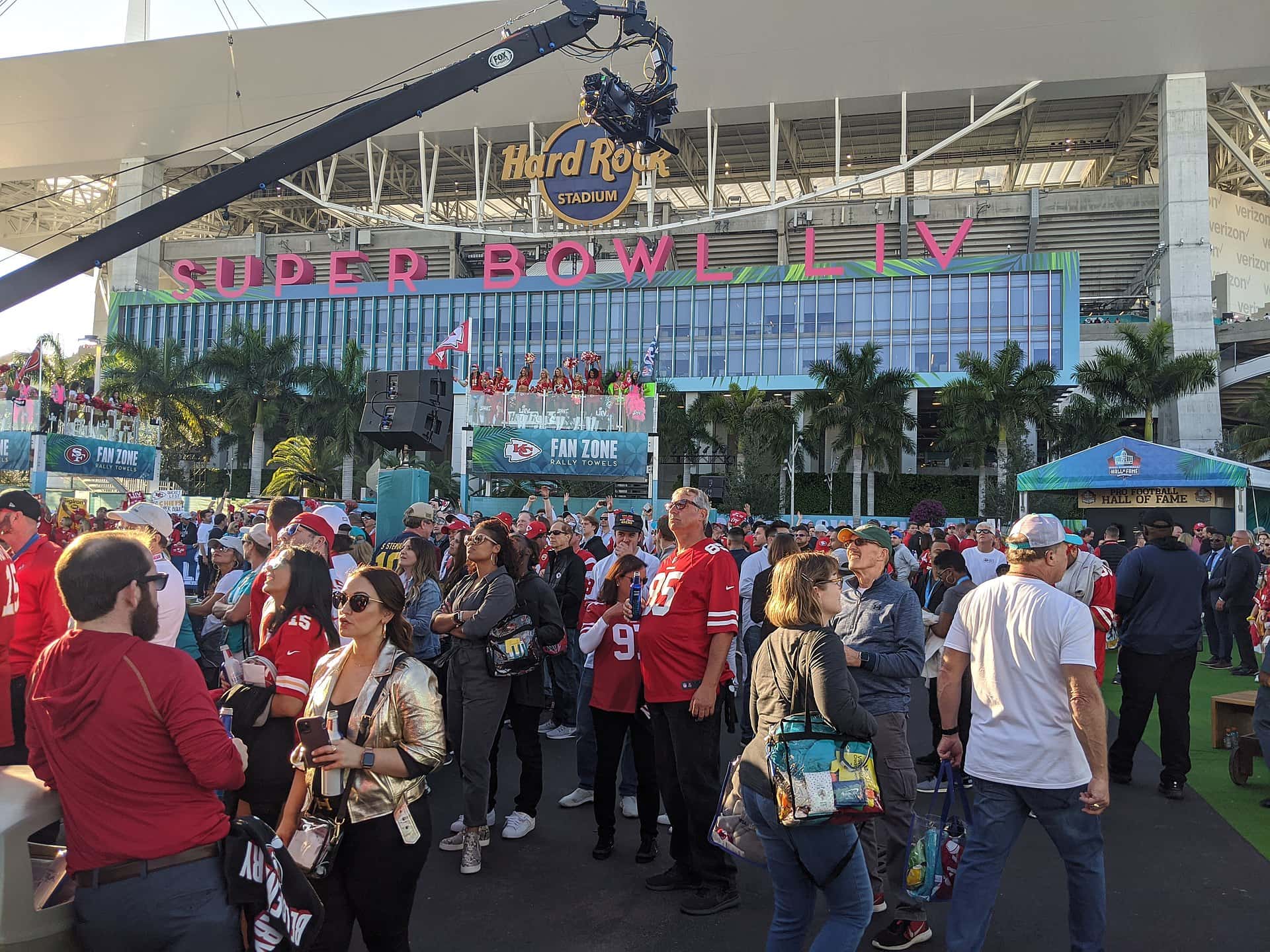
The 2026 FIFA World Cup kicked off June 11 across the United States, Mexico, and Canada, and for South Florida the tournament arrives as one of the largest concentrated economic and logistical undertakings the region has ever staged. Hard Rock Stadium in Miami Gardens, operating under the tournament name Miami Stadium, is scheduled to host seven matches between June 15 and July 18, a slate that ranks Miami among the busiest venues of the entire competition. For Floridians, that translates into a roughly five-week stretch of packed crowds, full hotels, strained roadways, and a global television spotlight aimed directly at the region.
The scale of Miami's role is striking. Many host cities draw a modest handful of group-stage fixtures, but the seven matches assigned to Miami Gardens span the full arc of the tournament, from the opening rounds through a knockout match, a quarterfinal, and the third-place final on July 18. That breadth all but ensures a continuous stream of international visitors across the heart of the summer travel season rather than one brief surge, stretching both the economic benefit and the operational burden over many weeks.
For local officials, businesses, and residents, the World Cup is at once an opportunity and a stress test. Fans arriving from South America, Europe, and beyond promise a substantial boost to the hotels, restaurants, rideshare drivers, and broader hospitality sector that anchor the South Florida economy. At the same time, the event demands coordinated planning across transportation, public safety, and emergency services on a scale rarely required outside hurricane response. How the region balances those two realities will shape its reputation as a global host for years to come.
The Miami Match Slate
Miami's seven matches begin in the group stage and run deep into the knockout rounds. The opening fixtures at the venue include Saudi Arabia against Uruguay on June 15, Uruguay against Cabo Verde on June 21, Scotland against Brazil on June 24, and Portugal against Colombia on June 27. Those four group-stage matches bring together national teams with passionate, far-traveling fan bases, several of them known for turning host cities into rolling festivals of color and noise.
The appeal of those matchups is considerable. Brazil and Portugal in particular carry enormous global followings, and a Scotland-Brazil meeting or a Portugal-Colombia clash offers the kind of marquee draw that fills stadiums and fan zones alike. South American sides such as Uruguay and Colombia also enjoy deep support among South Florida's large Latin American communities, meaning several of the matches will feel close to home games for the visiting teams.
Beyond the group stage, Miami Gardens is set to host a Round of 32 match on July 3, a quarterfinal on July 11, and the third-place final on July 18. The knockout fixtures raise the stakes sharply, both competitively and logistically, because the participating teams will not be known until the tournament unfolds. That uncertainty complicates planning for hotels, transit agencies, and security officials alike, since the popularity and fan profile of a given matchup can shift dramatically depending on which nations advance.
The July 18 third-place final hands Miami a high-profile closing role just one day before the championship match is staged elsewhere. Hosting one of the last fixtures of the entire tournament keeps South Florida in the global spotlight through nearly the final day of play, an extended window of attention that local tourism leaders are eager to exploit.
The structure of the slate also spreads demand across the calendar in a way that benefits the region. With matches falling in mid-June, late June, and across July, the influx of visitors arrives in waves rather than a single crush, giving hotels, restaurants, and transit operators repeated opportunities to capture spending. That distribution helps the region sustain elevated activity over a longer stretch of the summer, deepening the tournament's economic footprint.
A Tourism and Hospitality Windfall
The economic case for hosting rests on visitor spending. Each match draws tens of thousands of attendees, many traveling from outside Florida and staying multiple nights. International visitors in particular tend to extend their trips, pairing a match with broader vacations built around beaches, dining, nightlife, and attractions across South Florida. That pattern multiplies the impact far beyond the stadium gates.
Hotels stand among the biggest potential beneficiaries. A seven-match slate spread over five weeks should sustain elevated occupancy and room rates through a period that already overlaps with the region's normal summer tourism. Restaurants, bars, retailers, and entertainment venues across Miami-Dade and neighboring counties are positioned to capture spending from fans filling the days between matches. Rideshare drivers, tour operators, and event-services workers are likely to see demand climb as well.
The benefits reach into less visible corners of the economy. Temporary hiring for security, hospitality, cleaning, and event operations can deliver a short-term employment lift, while local suppliers tied to the stadium and surrounding venues stand to gain. Fan-zone activations and watch parties that typically accompany World Cup duties can push economic activity into neighborhoods well beyond Miami Gardens, broadening the reach of the tournament's spending.
Tourism officials also see value that outlasts the matches themselves. Visitors who enjoy their time in the region may return for future vacations or recommend the destination to others, turning a single trip into a longer-term relationship. The exposure the tournament generates, paired with positive visitor experiences, can feed the pipeline of future travel that sustains the hospitality industry well after the final whistle in July.
Strain on Hotels and Transit
The same surge that drives the windfall also places real pressure on the region's infrastructure. Hotel capacity, while substantial across South Florida, can tighten quickly when several high-demand matches cluster, lifting prices and pushing some visitors toward accommodations farther from the stadium. That dispersion in turn increases demand on roadways and transit as fans travel longer distances to reach Miami Gardens.
Transportation may be the most acute challenge. Hard Rock Stadium sits in a part of Miami-Dade County where access leans heavily on highways and local roads that already carry heavy traffic. Concentrating tens of thousands of additional travelers around match times tests the capacity of the road network, parking, and supplemental transit options. Officials commonly respond with traffic-management plans, designated routes, and pushes toward shared or public transportation, yet the sheer volume can still produce significant congestion.
The summer timing adds another complication. June and July in South Florida bring intense heat and the early weeks of hurricane season, factors that affect crowd safety, scheduling, and contingency planning. Organizers and local agencies must prepare for the chance that weather could disrupt match-day operations, requiring flexible plans for fan safety and transportation under difficult conditions.
Security and Multi-Agency Coordination
Hosting World Cup matches is a major security operation that draws together local, state, and federal agencies. Large international sporting events are treated as high-profile gatherings requiring layered planning around crowd control, access screening, emergency medical response, and protection of both spectators and visiting dignitaries. For Miami Gardens, that means coordination among municipal police, county sheriffs, state agencies, and federal partners.
The international character of the event heightens the complexity. Visiting teams, officials, and prominent attendees may require specialized protection, and the global attention on the tournament raises the cost of any security lapse. Agencies typically build unified command structures to manage communication and response across jurisdictions, a model familiar from other large events but demanding when applied across seven separate match days over five weeks.
Crowd management extends well beyond the stadium itself. Fan zones, transit hubs, hotels, and entertainment districts all become focal points where large groups gather, each demanding planning and a visible safety presence. The task is to maintain security without dampening the celebratory atmosphere that makes the World Cup a draw in the first place, a balance host cities work hard to strike.
South Florida in the Global Spotlight
Beyond dollars and logistics, the World Cup offers South Florida an unmatched platform for global exposure. Matches broadcast to audiences worldwide place the region's skyline, beaches, and brand before hundreds of millions of viewers. For a place that markets itself aggressively as an international destination, that visibility carries long-term value that can outlast the tournament itself.
The region's deep international connections make it a natural host. South Florida's large communities with ties to Latin America, the Caribbean, and Europe give many participating nations a built-in local following, lending matches an authentic, home-crowd energy. That cultural resonance can sharpen the fan experience and reinforce the area's identity as a global crossroads, a narrative tourism officials are eager to amplify.
Staging seven matches, including marquee and knockout fixtures, can also strengthen the region's case for future large-scale events. A smooth tournament burnishes the reputation of the stadium and the host community, while a major stumble could complicate later bids. The stakes reach beyond this summer to South Florida's standing in the competitive market for global events.
What's Next
With the tournament underway, attention turns to the first matches in Miami Gardens, beginning June 15. The early group-stage fixtures will offer a real-world test of the transportation, security, and hospitality plans that officials have spent months preparing, and they will set the tone for the weeks ahead. How those opening matches unfold, on the field and around the venue, will shape expectations for the busier knockout rounds.
As play continues, the identities of teams advancing to Miami's July fixtures will come into focus, clarifying the scale and profile of the crowds the region can expect. The quarterfinal on July 11 and the third-place final on July 18 represent the high points of Miami's hosting role, and the demand they generate will hinge heavily on which nations remain in contention.
For Floridians, the coming weeks bring a rare convergence of opportunity and challenge. The economic upside could be substantial, but so are the demands on infrastructure and public safety. The lasting measure of Miami's World Cup will be whether the region captures the windfall and the global spotlight while managing the strain, leaving South Florida better positioned for the major events that may follow.
Spotted an issue with this article?
Have something to say about this story?
Write us a letterComments
No comments yet. Be the first to weigh in.
Related Coverage

Federal organ donation crackdown nears as Florida groups await rankings and Tampa nonprofit appeals court loss
2h ago

Air defense systems deployed at Mar-a-Lago as intelligence memo to Rubio warns of advanced Iranian plots
2h ago

South Florida Federal Judge Enters $668,390 Penalty Against Honduran Woman Who Ignored Deportation Order
19h ago
RFK Jr. and Dr. Oz Unveil Rewritten Federal Alzheimer's Plan at Broward Health as Florida Cases Near 580,000
20h ago