NAS Pensacola Reopens Weekday Gates as Naval Aviation Museum Returns to Daily Hours
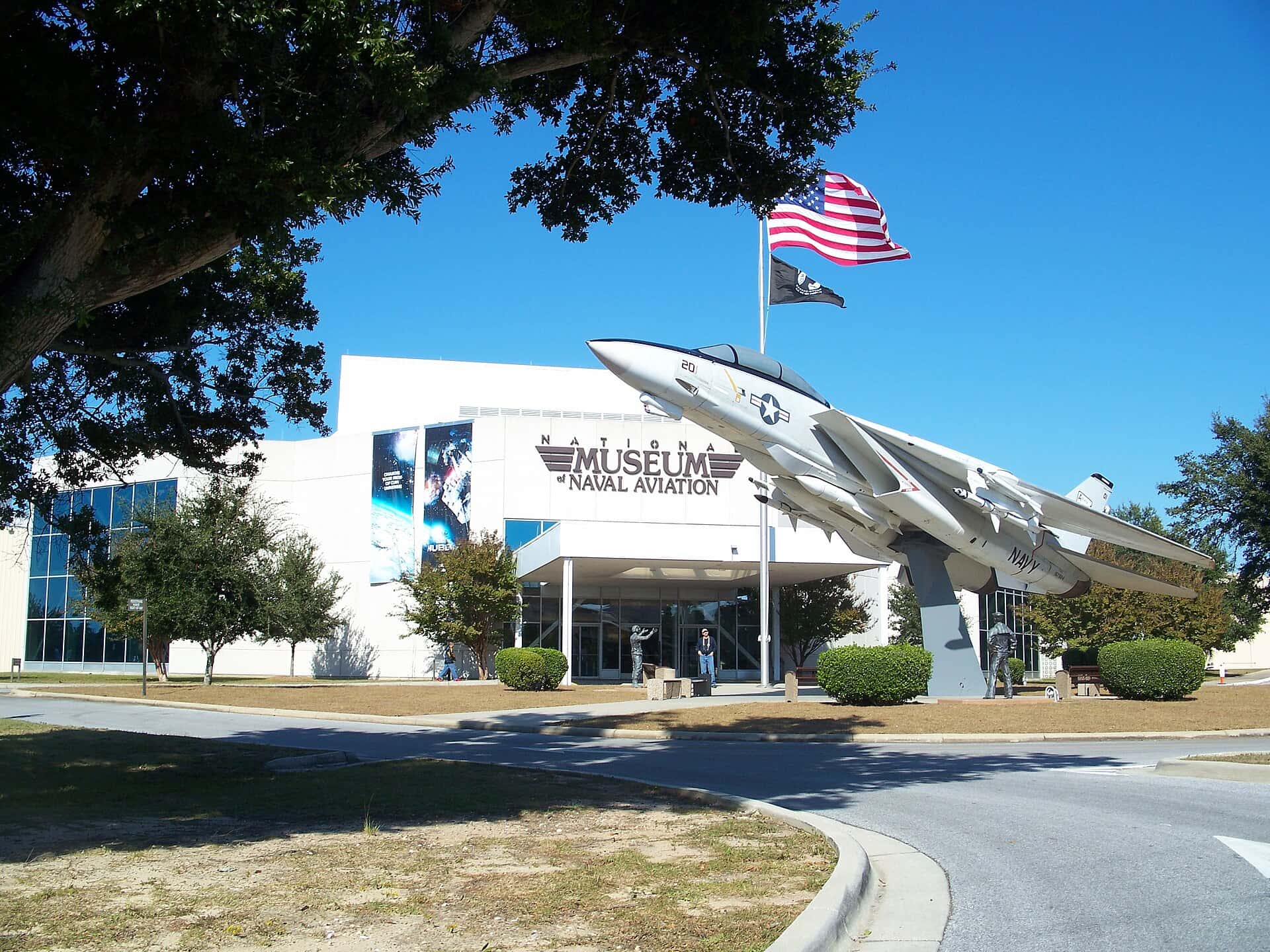
Naval Air Station Pensacola resumed daily public visitation to its primary tourist attractions on Friday, May 1, 2026, ending a roughly two-month period during which the installation had restricted civilian access to weekends only. The change restores routine weekday visits to the National Naval Aviation Museum, the Pensacola Lighthouse, and the small set of other public-interest sites inside the historic Navy base, a major draw for both the Florida panhandle tourism economy and the worldwide audience of aviation enthusiasts who travel to Pensacola each year.
The reopening matters far beyond the gates of the base. NAS Pensacola is the cradle of U.S. Navy aviation, the home of the Blue Angels flight demonstration squadron, and a critical training pipeline for student naval aviators. The National Naval Aviation Museum, located on the installation, is the largest naval aviation museum in the world and one of the most visited tourist destinations in the western Florida panhandle. A shift from weekends-only to daily access changes the calculus for tour operators, school field trip planners, and visitors building Pensacola travel plans around museum hours.
What changed on May 1
Under the new posture, the West Gate on Blue Angel Parkway is open to public visitation from 9 a.m. to 3 p.m. daily. Visitors aged 18 and older must present a REAL ID-compliant driver's license or a valid passport, along with vehicle registration and proof of insurance for any vehicle entering the base. The Navy directs the public to use the West Gate exclusively for visitation, with other gates reserved for personnel and credentialed contractors.
The reopening covers the National Naval Aviation Museum, the Pensacola Lighthouse and Maritime Museum, and the historic Fort Barrancas area maintained by the National Park Service. All three sites had been operating on weekends-only access since March, when the base tightened public visitation as part of a force protection posture adjustment. Navy officials at the time did not publicly detail the specific threat or operational consideration that prompted the restriction, citing standard operational security practice.
Public access for tour bus operators, school groups, and large organized visits requires advance coordination with base public affairs and security personnel. The Navy advises visitors to allow extra time at the West Gate for security screening during peak tourist months, particularly during the Blue Angels home show season and on weekends when family traffic surges. Coast Guard veterans, retired military personnel, and other categories of credentialed visitors continue to have access through their regular processes and are not subject to the West Gate visitor-hours restriction.
The Navy also continues to operate a separate visitor escort process for groups that need to access portions of the base outside the public-interest sites. Researchers, contractors, journalists, and visiting officials use that process for credentialed entry, and base security manages those visits through its established protocols. The May 1 reopening covers public visitation specifically and does not change the credentialed access procedures that operate alongside the visitor program.
Why this matters for Florida
The Pensacola visitor economy is tightly linked to access to the base and its museums. Escambia County tourism data has consistently identified the National Naval Aviation Museum among the top attractions in the western panhandle, and Visit Pensacola has built marketing campaigns around the combination of beaches, downtown historic districts, and the Navy aviation experience. Restricted weekday access during March and April effectively cut the museum's available visitation window in half, with measurable effects on hotel, restaurant, and rental car bookings tied to museum trips.
The Naval Aviation Museum itself is the largest naval aviation museum in the world, housing more than 150 restored aircraft across roughly 350,000 square feet of exhibit space. The collection ranges from early biplanes flown by the first generation of naval aviators to modern jet aircraft and spacecraft. Among its most photographed displays are the suspended F-4 Phantom, the F-14 Tomcat, and the famous A-4 Skyhawks of the Blue Angels formation hanging from the museum atrium.
Beyond the tourism math, NAS Pensacola is a strategic asset for the Department of the Navy and a major employer in Escambia County. The installation supports primary flight training for Navy, Marine Corps, and Coast Guard pilots; serves as headquarters for Naval Education and Training Command; and houses several other tenant commands. Daily public access is a sign that the base's operational rhythm has returned to a steady state, an important signal both to the local economy and to the broader Navy enterprise.
Reaction from Pensacola officials and the museum
Escambia County and City of Pensacola officials welcomed the change. The county's tourism development arm had publicly tracked the impact of the weekends-only posture on visitor data, and the spring tourism cycle is a critical window for hotels, restaurants, and attractions across the western panhandle. The Naval Aviation Museum Foundation, the nonprofit that supports the museum's exhibits and programming, has spent the past two months adjusting staffing and event calendars to fit the constrained access window.
The Pensacola Lighthouse and Maritime Museum, a separate nonprofit that operates on the base, also benefits from the restored daily access. The lighthouse tour, a steep climb up the 19th-century structure that overlooks Pensacola Bay, has been a fixture of panhandle tourism for decades. Its operators have similarly coordinated with the base on staffing and tour schedules as access conditions have shifted.
Members of the Florida congressional delegation representing the panhandle have used NAS Pensacola access decisions as touchpoints for advocacy on base infrastructure, force protection investment, and the relationship between the Navy and the surrounding community. The Pensacola area has hosted Navy aviation operations since 1914, and the relationship between the base and the city is one of the longest continuous military-community partnerships in the country.
Broader context
Public visitation policies at U.S. military installations have varied considerably over the past decade, reflecting evolving security postures and a changing threat environment. The 2019 shooting at NAS Pensacola, in which a Saudi national in U.S. military training killed three sailors and wounded several others, prompted a comprehensive review of base access policies across the Navy and adjustments to vetting procedures for foreign military students. Periods of tightened access at NAS Pensacola and other installations have generally been tied to specific operational considerations rather than to any single policy shift.
The REAL ID requirement now in effect for adult visitors reflects a broader federal push to standardize identification at federal facilities. The Department of Homeland Security has been steadily extending REAL ID enforcement to federal buildings, airports, and military installations, and the May 1 reopening posture at NAS Pensacola formalizes that requirement for civilian access. Visitors without a REAL ID-compliant license can present a U.S. passport, passport card, or other federally accepted identification.
NAS Pensacola is not the only Florida installation that hosts public-interest sites. NAS Jacksonville, NAS Whiting Field, and Patrick Space Force Base each have varying levels of public access tied to museums, memorials, or special events. The patterns vary by installation, mission, and the specific facilities involved, and the Navy generally publishes current access details through base public affairs channels and the museum's own communications. Across all installations, the trend over the past two decades has been toward tighter standardized access controls, balanced with sustained commitments to community engagement and public education programming.
The Naval Aviation Museum's status as the largest naval aviation museum in the world places it in a particular category. Museums associated with active military installations elsewhere, including the Air Force museum at Wright-Patterson in Ohio and the National Museum of the Marine Corps near Quantico, Virginia, manage similar relationships between public access and base security. Each museum has developed its own visitor management approach in coordination with its host installation, and Pensacola's daily-access model represents one of the more visitor-friendly arrangements among major military museums in the United States.
What visitors should know
The National Naval Aviation Museum publishes operating hours separately from the base gate hours. Visitors should check the museum's website for current exhibition information, IMAX schedules, and special events before traveling. The museum is admission-free, supported by the Naval Aviation Museum Foundation, though some special exhibits, the on-site IMAX theater, and certain programming carry separate fees.
Parking is available adjacent to the museum after passing through the West Gate, and the museum's grounds include outdoor static displays in addition to the indoor exhibit halls. The Blue Angels practice schedule, when the squadron is in season at NAS Pensacola, is a major draw for visitors and is published on the squadron's website. Practice sessions are open to the public and typically held on the museum's flightline area.
For visitors planning multi-day trips, Pensacola Beach, the historic district downtown, and the National Park Service's Gulf Islands National Seashore are within easy driving distance of the base. The combination of beaches, history, and military aviation is the central marketing message of Visit Pensacola and the surrounding tourism economy, and the restored daily museum access removes a meaningful constraint on visitor itineraries.
What is next
The Navy retains the discretion to adjust public access at any time based on operational considerations, weather events, or force protection requirements. Past practice has been to communicate access changes through the base's public affairs office and the museum's social media channels, and tourism operators in the area generally track those announcements closely. Visitors are encouraged to verify access status before traveling, particularly for trips that depend on a specific date.
The Naval Aviation Museum Foundation has signaled plans for expanded programming during the summer tourism season, including special exhibitions and educational programs designed to draw school groups during the early summer travel window. With daily access now in place, the museum can run its full slate of programming without the calendar gaps imposed by the weekends-only posture.
For the broader Pensacola region, the May 1 reopening represents a return to the normal operational and tourism rhythm that the western panhandle has relied on for decades. Hotel operators, restaurant owners, and tour businesses can plan summer staffing and inventory around predictable visitor flows, and the museum and lighthouse can build their year around the assumption of daily public access. The episode also serves as a reminder that the relationship between active military installations and their host communities involves continuous, sometimes invisible coordination on questions of access, security, and community life.
The museum's place in the wider Florida tourism portfolio also matters. State tourism marketing through Visit Florida and the regional development organizations routinely features the Naval Aviation Museum among the panhandle's signature attractions, alongside beaches, fishing, and historic downtowns across the Gulf Coast. The combination is a recognizable selling point for road trips and multi-stop vacations that bring visitors to the western panhandle for several days at a time. With daily access restored, those marketing campaigns can deliver on the expectation of consistent weekday availability that travelers from out of state rely on when planning trips.
Spotted an issue with this article?
Have something to say about this story?
Write us a letterComments
No comments yet. Be the first to weigh in.
Related Coverage

Isaias Shuts Pensacola and Okaloosa Airports as Airlines Waive Fees and Tolls Lift on Panhandle Bridges
7h ago

Ex-CIA official pleads guilty in $194 million fraud, will forfeit $102 million in Palm Beach and Hobe Sound real estate
8h ago

11th Circuit voids septic permit ban in Indian River Lagoon manatee case after federal 'harm' rule rollback
8h ago

Trump ties disaster aid to midterm campaign as Hurricane Isaias nears Florida Panhandle
1d ago