NASA Names Artemis III Crew as Florida's Kennedy Space Center Prepares for Return to the Moon
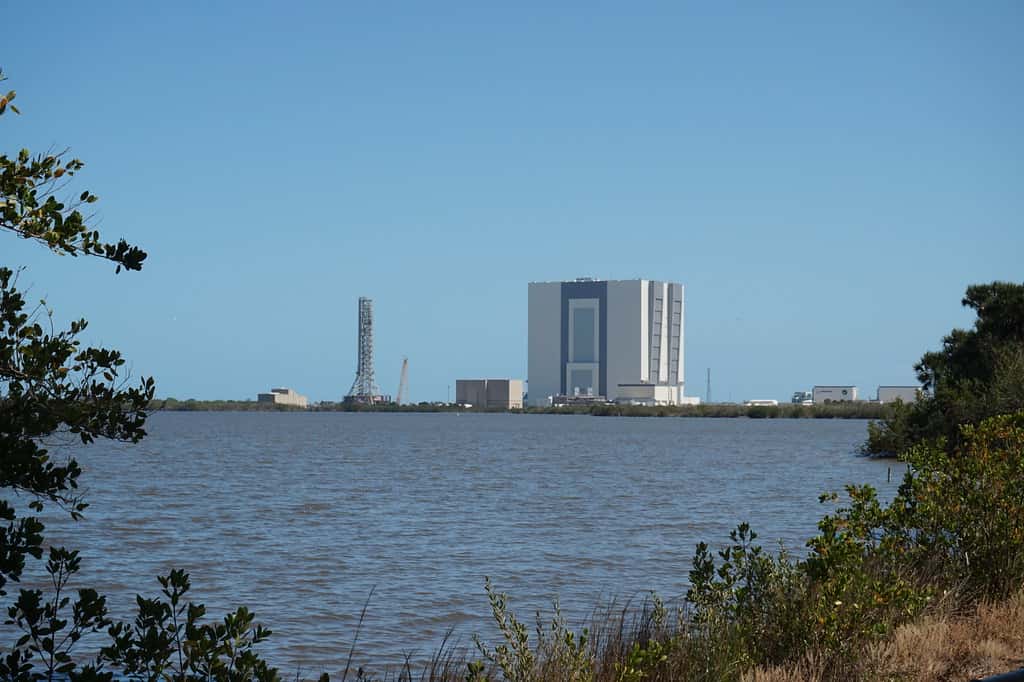
NASA has named the four astronauts who will fly on Artemis III, the mission designed to return humans to the surface of the Moon, marking a major milestone in the agency's lunar ambitions and putting a renewed spotlight on Florida's Kennedy Space Center. The crew announcement, made at a live event, advances a program that aims to land astronauts on the Moon for the first time in more than half a century, with the journey beginning from Florida's Space Coast.
For Florida, the Artemis program is more than a national endeavor. Kennedy Space Center, on the state's Atlantic coast, serves as the launch site for the most ambitious human spaceflight missions in generations, anchoring a regional economy built around aerospace and drawing global attention to the Space Coast.
The crew announcement
NASA introduced the four astronauts assigned to Artemis III during a live event, providing an update on the mission alongside the crew reveal. The announcement represents a significant step in the program's progression, moving from planning and hardware development toward the human element of the mission to the Moon.
Naming a crew gives the program a human face and a tangible sense of momentum. The astronauts will undergo extensive training for a complex mission that involves not only traveling to the Moon but also testing the systems and procedures required to land and operate on the lunar surface, building on the foundation laid by earlier Artemis flights.
The crew announcement follows the progression of the Artemis program through its earlier stages, including the uncrewed and crewed test flights that have validated the systems needed for a lunar landing. With a crew now assigned, Artemis III moves closer to becoming the mission that returns humans to the Moon.
Florida's central role
Artemis III will launch four astronauts from Kennedy Space Center aboard the Orion spacecraft, carried by the Space Launch System rocket. That launch site makes Florida the literal starting point for humanity's return to the Moon, reinforcing the Space Coast's status as the heart of American human spaceflight.
Kennedy Space Center has been the launch site for the nation's most storied space missions, from the Apollo program that first carried humans to the Moon to the Space Shuttle era and the current age of commercial and exploration spaceflight. The Artemis program continues that legacy, with the massive SLS rocket and Orion spacecraft processed and launched from the Florida facility.
The presence of Artemis at Kennedy sustains a vast aerospace ecosystem along the Space Coast, supporting jobs, contractors, and a regional identity built around the space industry. Each major mission reinforces Florida's position at the center of the nation's spaceflight efforts.
The mission's ambitions
Artemis III is designed to test critical capabilities needed to deliver astronauts to the lunar surface and bring them home safely. The mission involves rendezvous and docking procedures between the Orion spacecraft and commercial human landing systems, technologies essential to the broader goal of establishing a sustained human presence on and around the Moon.
The program represents a collaboration between NASA and commercial partners, with companies developing the landing systems and other components needed for lunar operations. The mission will test technologies including a new generation of spacesuits being developed for moon landings, part of the extensive preparation required for surface operations.
The stakes are high. A successful Artemis III would mark the return of humans to the Moon after a gap of more than 50 years, a feat with profound scientific, technological, and symbolic significance. It would also lay the groundwork for the program's longer-term ambitions, including a sustained lunar presence and eventual missions to Mars.
The Florida context
For Florida, the Artemis program carries economic and cultural weight. The Space Coast economy depends heavily on the aerospace industry, and major missions like Artemis III drive activity across the region, from the technical workforce at Kennedy Space Center to the tourism that launches attract.
Rocket launches have become a signature draw for visitors to Florida's Atlantic coast, with crowds gathering to witness the spectacle of liftoffs. A mission as historic as a crewed return to the Moon would generate enormous public interest, drawing spectators and media attention to the region on a global scale.
The program also reinforces Florida's identity as a state at the forefront of space exploration. Alongside the busy schedule of commercial launches from companies operating on the Space Coast, the Artemis missions keep Florida central to the nation's spaceflight ambitions, a source of pride and economic vitality for the region.
A new chapter in lunar exploration
The return of humans to the Moon would mark a profound milestone, reopening a frontier that has not seen human visitors in more than half a century. The Apollo program first carried astronauts to the lunar surface, and the Artemis effort aims to build on that legacy with a sustained and more ambitious approach to exploration.
Unlike the Apollo missions, which were focused on reaching the Moon during a specific era, the Artemis program envisions a longer-term presence and a stepping stone toward deeper space exploration, including eventual missions to Mars. This broader ambition gives the program a scope that extends well beyond a single landing.
For Florida, serving as the launch point for this new chapter reinforces the state's enduring connection to human spaceflight. From the Apollo era through the present, Kennedy Space Center has been at the center of the nation's boldest space endeavors, and the Artemis program continues that storied role into a new age of exploration.
What it means for Floridians
For residents of the Space Coast and the broader state, the Artemis program means continued investment in the aerospace sector that underpins much of the regional economy. The jobs, contracts, and activity associated with major missions support communities built around the space industry.
For Floridians more broadly, the program offers a connection to one of the most ambitious undertakings in human exploration, launching from their own state. The sense of participation in a historic endeavor, and the opportunity to witness launches firsthand, are part of what makes living near the Space Coast distinctive.
The tourism and public interest generated by the missions also benefit the regional economy, drawing visitors and attention. As the Artemis program advances toward its lunar landing, Florida stands to share in both the excitement and the economic activity that accompany humanity's return to the Moon.
The Artemis program's broader goals
Artemis III is one mission within a larger program designed to return humans to the Moon and establish a sustained presence there, with an eye toward eventual missions to Mars. The program builds incrementally, with each flight testing and validating the systems and procedures needed for the more ambitious goals that follow.
Earlier Artemis missions laid the groundwork, including an uncrewed test flight that validated the Space Launch System rocket and Orion spacecraft, followed by a crewed mission designed to test those systems with astronauts aboard. Artemis III represents the step at which the program aims to return humans to the lunar surface, a milestone that has not been achieved in more than half a century.
The program's longer-term vision extends beyond individual landings to the establishment of infrastructure that could support a continued human presence around and on the Moon. That includes plans for a lunar outpost and the development of technologies and partnerships needed to sustain operations far from Earth over extended periods.
For Florida, the program's multi-mission structure means a sustained pipeline of activity at Kennedy Space Center, supporting the aerospace workforce and economy over many years. Each mission in the program represents work for the Florida facilities that process and launch the hardware, embedding the Space Coast in the long arc of the lunar effort.
The commercial space dimension
The Artemis program reflects a new era of spaceflight in which NASA works closely with commercial partners. Private companies are developing critical components, including the human landing systems that will carry astronauts to the lunar surface and the spacesuits they will wear, marking a shift from the fully government-run programs of the past.
This collaboration is part of a broader transformation of the space industry, particularly evident on Florida's Space Coast, where commercial launch activity has surged alongside the government programs. Companies operating from the region conduct a busy schedule of launches, complementing the high-profile exploration missions and building a diverse space economy.
The integration of commercial capabilities into the Artemis program aims to leverage private-sector innovation and efficiency, sharing the work of returning to the Moon among government and industry. The approach reflects confidence in the maturing commercial space sector and its ability to contribute to ambitious exploration goals.
For Florida, the commercial space boom has added a dynamic dimension to the Space Coast economy, with companies establishing operations and conducting frequent launches from the region. The combination of NASA's exploration missions and the bustling commercial launch business has reinforced Florida's position at the forefront of the new space age, creating jobs and activity across the sector.
What's next
With the crew named, the Artemis III mission moves into an intensive period of training and preparation as NASA and its partners continue developing and testing the systems required for the lunar landing. The timeline will depend on the progress of that work, including the readiness of the landing systems and other critical components.
For Kennedy Space Center and the Florida Space Coast, the road ahead is one of preparation for a mission that would write a new chapter in the history of exploration. As Artemis III takes shape, Florida remains the launch pad for humanity's return to the Moon, a role that keeps the state at the center of the nation's boldest spaceflight ambitions.
Spotted an issue with this article?
Have something to say about this story?
Write a letter to the editor