NASA Names Artemis III Crew, Setting Up Florida for the Next Giant Leap
NASA has unveiled the crew that will fly Artemis III, the next major crewed mission in the agency's program to return astronauts to the Moon, and the announcement once again puts Florida's Kennedy Space Center at the center of America's deep-space ambitions. The four-person crew was introduced during an event at the Johnson Space Center in Houston, but when the mission flies, it will lift off from the Space Coast, the launch site that has anchored the nation's human spaceflight program for generations.
The crew announcement is a milestone moment for the Artemis program and a reminder of Florida's indispensable role in space exploration. While astronaut training and mission control are based in Texas, the rockets that carry crews beyond Earth depart from Florida's Atlantic coast. The Artemis III mission, targeted to launch in the coming year, will mark another chapter in the long history of human spaceflight written from the Sunshine State.
The crew NASA named
According to NASA, the Artemis III crew consists of four astronauts, with veteran NASA astronaut Randy Bresnik named as commander and European Space Agency astronaut Luca Parmitano, an Italian who has flown to the International Space Station, serving as pilot. NASA astronauts Andre Douglas and Frank Rubio round out the crew as mission specialists, and astronaut Bob Hines is set to train alongside the crew as a backup.
The inclusion of an ESA astronaut underscores the international character of the Artemis program, which brings together partners from around the world in the effort to return to the Moon and venture deeper into space. International cooperation has become a defining feature of modern human spaceflight, and the crew composition reflects the collaborative nature of the undertaking. Each crew member brings distinct expertise to a complex mission.
NASA described the mission as a critical step in the broader Artemis architecture, with objectives that include testing the systems and hardware needed for future lunar operations and demonstrating the capabilities of the Orion spacecraft. The agency framed the flight as foundational for the missions that will follow, building toward the goal of sustained human exploration of the Moon and, eventually, Mars.
The Florida context
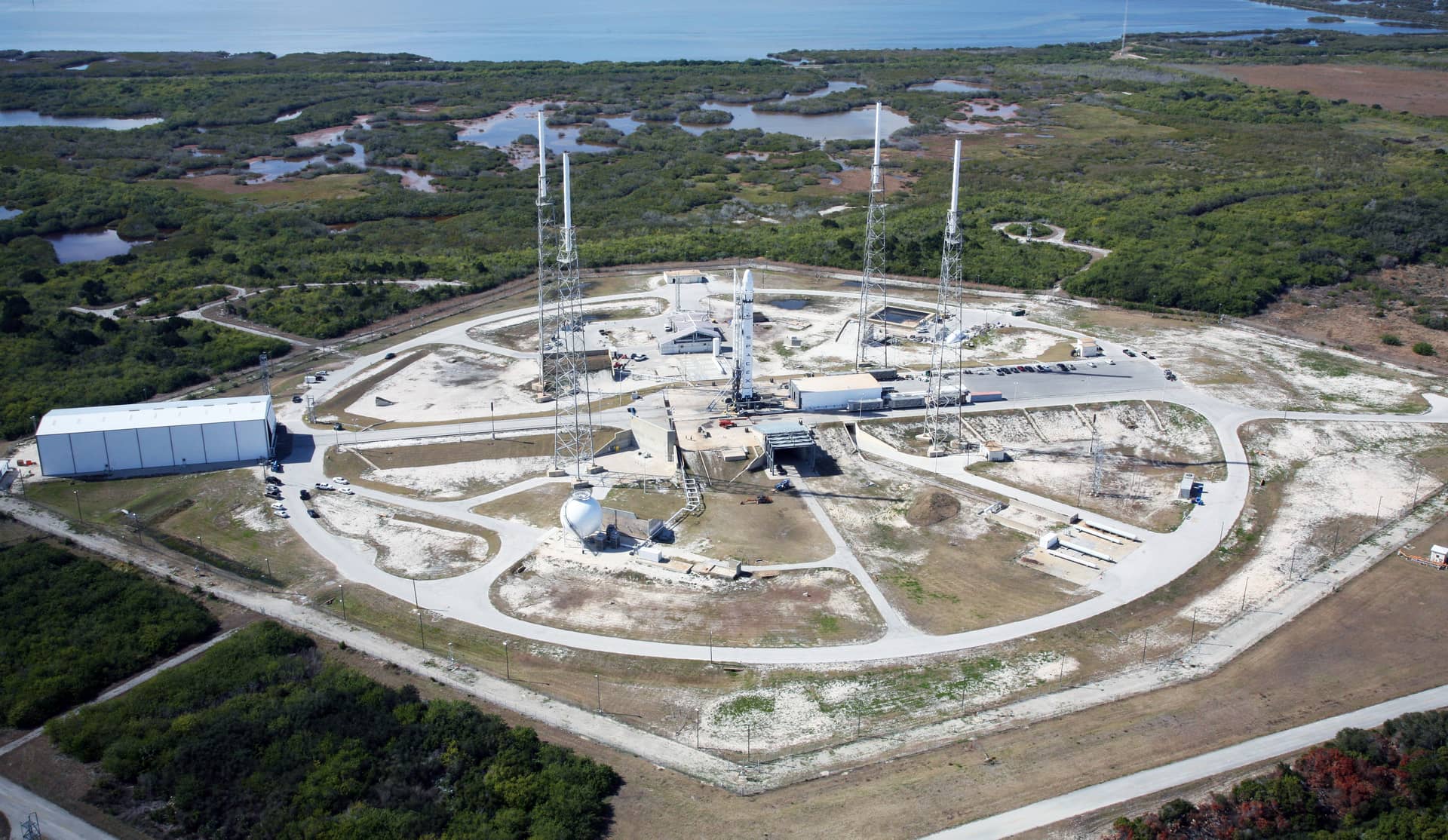
Kennedy Space Center, on Florida's Space Coast, is the launch site for the Artemis program's crewed missions, continuing a legacy that stretches back to the Apollo era. The same Florida coastline that witnessed the launches to the Moon in the twentieth century is now the departure point for the program intended to return humans there. That continuity gives Florida a unique place in the story of American spaceflight.
The Artemis program has driven significant activity at Kennedy Space Center, from infrastructure investments to the workforce that prepares and launches the missions. The center's facilities have been adapted and built out to support the powerful rockets and spacecraft of the Artemis era, and the program sustains thousands of jobs in the region. The economic and civic importance of the center to the Space Coast is profound.
For Florida, hosting the launches of humanity's return to the Moon is a source of pride and economic vitality. The visibility of the Artemis missions, watched by audiences around the world, shines a spotlight on the state and reinforces its identity as the home of American human spaceflight. Each crewed Artemis launch from Kennedy will be a global event centered on Florida.
What the mission aims to accomplish
The Artemis program represents the United States' effort to return astronauts to the Moon and establish a sustained presence there, with an eye toward eventual human missions to Mars. Artemis III is a key step in that progression, tasked with advancing the systems and operations required for lunar exploration. NASA has positioned the mission as essential groundwork for the more ambitious goals that follow.
The mission will test critical capabilities, including the performance of the Orion spacecraft and the hardware involved in lunar landing operations. Demonstrating these systems with a crew aboard is a necessary precursor to landing astronauts on the lunar surface in subsequent missions. The careful, step-by-step approach reflects the complexity and risk inherent in deep-space human exploration.
NASA has emphasized that the Artemis missions build on one another, each validating capabilities that the next will rely on. The program's architecture involves the powerful Space Launch System rocket, the Orion crew vehicle, commercially developed lunar landers, and an array of supporting systems. Artemis III's role is to prove out elements of that architecture as the program advances toward landing crews on the Moon.
What it means for Floridians
For Florida, and especially the Space Coast, the Artemis III crew announcement is a marker on the road to another headline launch from Kennedy Space Center. The mission will bring renewed attention and activity to the region, from the preparations leading up to launch to the global audience that will tune in when the rocket lifts off. The economic and tourism benefits of such launches are substantial.
The program also sustains the high-skill aerospace workforce that has become a pillar of the Space Coast economy. Engineers, technicians, and support personnel involved in Artemis represent the kind of skilled jobs that Florida has worked to cultivate. The continuation of the program provides stability and opportunity for that workforce and the communities built around it.
Beyond the economics, the Artemis missions offer inspiration. Floridians have a front-row seat to humanity's return to the Moon, witnessing the launches from their own state. For students and aspiring scientists and engineers, the visible reality of an active deep-space program close to home can spark interest in careers that drive the future of exploration. The state's role in Artemis connects its residents directly to one of the era's great endeavors.
International partners and the broader program
The inclusion of a European Space Agency astronaut on the Artemis III crew highlights the deeply international character of the program. The effort to return to the Moon is not a solely American undertaking but a collaboration involving partners from around the world, who contribute hardware, expertise, and personnel. That cooperation reflects a model of space exploration built on shared investment and shared ambition among allied nations.
International partnerships strengthen the program in multiple ways, distributing costs, pooling technical capabilities, and building the diplomatic relationships that sustain long-term exploration. The presence of partner astronauts on crews symbolizes that collaboration and ensures that the benefits and achievements of the program are shared. For Florida, hosting the launches of these international missions reinforces the state's role as a gateway not just for American spaceflight but for a global endeavor.
The broader Artemis architecture involves a complex array of elements, from the powerful rocket that lifts the crew to the spacecraft that carries them, the landers that will eventually reach the lunar surface, and the supporting systems that make sustained exploration possible. Each component represents years of development and the work of many organizations. Artemis III fits into this larger structure as one mission in a sequence designed to build capability step by step.
The program's ultimate ambitions extend beyond the Moon to eventual human exploration of Mars, with lunar missions serving as a proving ground for the technologies and techniques that deeper exploration will require. The Moon offers a destination close enough to test capabilities while presenting many of the challenges of operating in deep space. Florida's launch facilities anchor this expansive vision, positioning the state at the foundation of humanity's reach toward more distant worlds.
The naming of a crew also carries symbolic weight that resonates beyond the technical milestones. Astronauts become the public face of a mission, embodying the human dimension of exploration in a way that hardware and schedules cannot. The four individuals assigned to Artemis III now carry the hopes of a program designed to extend human presence deeper into space, and their training and preparation will be followed closely in the months leading to launch.
For Florida, each step toward launch brings the prospect of the kind of event that draws the eyes of the world to the Space Coast. The buildup to a crewed Artemis launch generates anticipation that ripples through the region, from the workers who prepare the vehicle to the spectators who gather to witness liftoff. That sense of occasion, rooted in Florida's long history as the launch site for American exploration, is part of what makes the state's role in the program so significant.
The announcement also rekindles public interest in space exploration, a fascination that has endured since the earliest days of the space age. Crewed missions capture imaginations in a way that uncrewed launches rarely do, drawing attention from people who might otherwise pay little notice to the steady cadence of rockets leaving Florida's coast. That renewed engagement benefits the broader space enterprise, building public support for the investments that exploration requires.
The road ahead
With the crew named, the Artemis III mission moves further into its preparation phase, as the astronauts train and the hardware is readied for flight. The targeted launch in the coming year will be preceded by extensive testing and integration, the meticulous work that precedes any crewed mission. Kennedy Space Center will be the focal point as the launch approaches.
The broader Artemis program continues to progress toward its ultimate goals, with missions planned to land astronauts on the lunar surface and to establish the infrastructure for sustained exploration. Each step depends on the success of those before it, and Artemis III carries the responsibility of advancing the program toward its boldest objectives. The stakes for the mission are high.
For Florida, the announcement is a reminder that the state remains at the leading edge of human spaceflight. As the Artemis program builds toward returning astronauts to the Moon, the launches will continue to depart from the Space Coast, keeping Florida central to the next chapter of exploration. The next giant leap, when it comes, will begin on a Florida launch pad.
Spotted an issue with this article?
Have something to say about this story?
Write a letter to the editor