NOAA Budget and Staffing Cuts Raise Concerns for Hurricane Forecasting as Florida Faces Storm Season
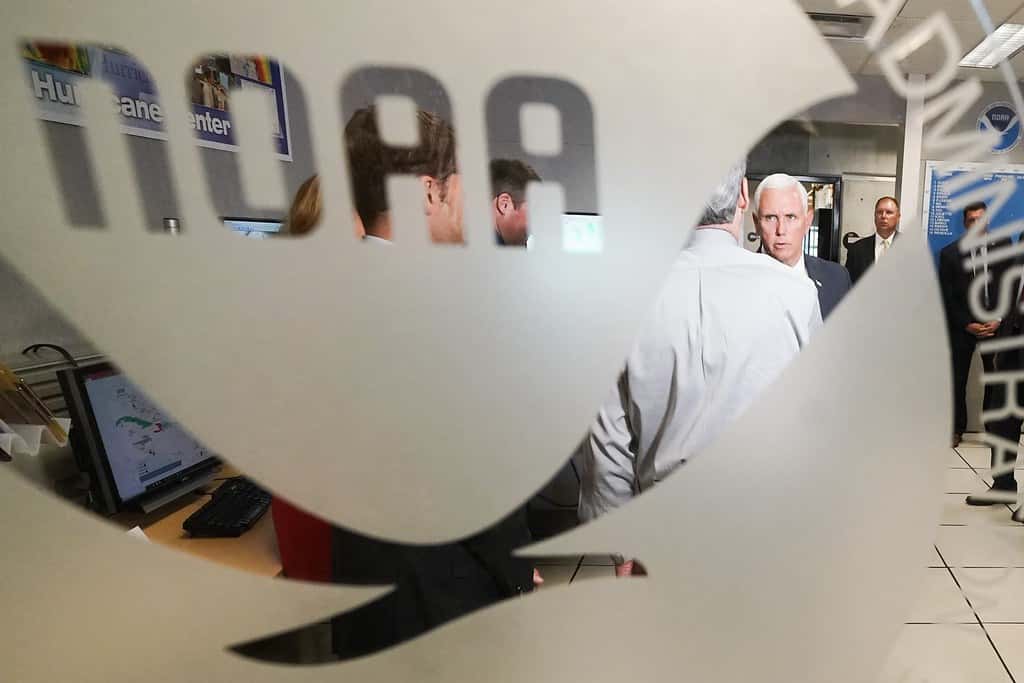
Reductions to NOAA's budget and workforce have raised concerns among scientists and emergency officials about the agency's hurricane forecasting capacity, just as Florida enters the most dangerous stretch of storm season. With Florida bearing the nation's highest cumulative hurricane risk, any erosion in the quality or timeliness of forecasts carries direct consequences for a state that relies on accurate warnings to protect lives and property.
The concerns center on a combination of budget pressures, staffing shortages at weather forecast offices, and questions about the data sources that feed hurricane prediction. For Florida, where forecasting drives evacuation decisions and emergency response, the debate over NOAA's resources is not abstract but a matter of public safety as the basin moves toward its peak months.
The budget and staffing picture
The federal budget process has put pressure on NOAA, the agency that houses the National Weather Service and the National Hurricane Center. Proposals to cut the agency's budget significantly, including reductions to its research arm, drew alarm from scientists, though Congress ultimately approved a budget that rejected many of the deepest proposed cuts while still landing below the previous level.
Beyond the dollars, staffing has emerged as a pressing concern. Reports indicate that a substantial number of NOAA positions have been eliminated or left vacant, including roles tied to forecasting and research. Nearly half of weather forecast offices have been described as critically understaffed, with a significant share lacking a meteorologist-in-charge, raising questions about the capacity to maintain round-the-clock forecasting during demanding periods.
Staffing shortages can strain the ability of forecast offices to issue timely warnings, conduct the detailed analysis that severe weather requires, and sustain operations during the intense, sleepless stretches that accompany a landfalling hurricane. For a state like Florida, where storm threats can demand continuous monitoring, those capacity concerns are particularly acute.
The satellite data question
Among the more technical concerns is the availability of specialized satellite data used in hurricane forecasting. Microwave satellite scans, which allow forecasters to peer into the structure of storms even at night and through cloud cover, are a valuable tool for assessing intensity and organization, especially for systems far from land.
Questions have been raised about the continued availability of certain microwave data from defense satellite systems, with a hurricane specialist estimating that one such source provides a large share of the microwave scans available to forecasters. Any reduction in that data stream could limit forecasters' ability to monitor storms during critical periods, particularly the overnight hours when other observations are scarce.
Forecasters rely on a suite of data sources to build their predictions, and microwave imagery is one important input among many. Concerns about gaps in that data underscore the broader anxiety about whether the forecasting enterprise will have the tools it needs during the heart of the season.
Florida's stake in forecasting
No state depends on hurricane forecasting more than Florida. The accuracy and timeliness of forecasts shape decisions that affect millions of residents, from when and where to order evacuations to how emergency managers position resources and how families decide whether to shelter or flee.
The state is home to critical pieces of the national forecasting infrastructure. The Atlantic Oceanographic and Meteorological Laboratory in Miami studies hurricanes and supports weather forecasts, while a cooperative institute serves as a technical backbone for the National Hurricane Center, hosting researchers who support hurricane prediction. Concerns about funding and staffing touch these Florida-based operations directly.
Hurricane forecasting has improved dramatically over the decades, with track and intensity predictions growing more accurate and saving countless lives. Scientists worry that cuts and shortages could stretch the forecasting system and threaten the steady progress that has made modern hurricane warnings so effective, a regression that would be felt most acutely in vulnerable states like Florida.
The Florida context
The timing of the concerns, at the outset of hurricane season, amplifies their significance. Florida's exposure to tropical systems means that the quality of forecasting directly affects the state's ability to prepare for and respond to storms, and any weakening of that capacity arrives at a moment of heightened vulnerability.
Emergency management in Florida is built around the forecasts and warnings issued by the National Hurricane Center and local weather offices. Evacuation orders, shelter openings, resource staging, and public communication all depend on accurate, timely information. The forecasting system is the foundation on which the state's hurricane response is built.
The debate also intersects with broader questions about preparedness and disaster response capacity. Concerns have been raised not only about forecasting but about the federal government's overall readiness to support states during disasters, adding to the unease as Florida and other coastal states face the season ahead.
Florida's forecasting institutions
Florida is home to some of the nation's most important hurricane forecasting and research institutions, giving the state a direct stake in the health of the broader forecasting enterprise. The National Hurricane Center, based in Florida, serves as the authoritative source for tropical weather forecasts and warnings for the Atlantic basin.
The state also hosts research facilities that contribute to the science of hurricane prediction, including a laboratory in Miami that studies hurricanes and supports forecasting, and a cooperative institute that provides technical support for the National Hurricane Center. These institutions employ researchers whose work underpins the forecasts on which the public depends.
Concerns about funding and staffing therefore touch Florida not only as a state that relies on forecasts but as a home to the institutions that produce them. The presence of these facilities makes the debate over forecasting resources especially relevant to the state, both for the jobs involved and for the forecasting capability they sustain.
What it means for Floridians
For Florida residents, the concerns underscore the importance of personal preparedness regardless of the state of federal forecasting resources. Building supply kits, knowing evacuation zones, and staying informed through official channels remain essential steps that individuals can take to protect themselves.
The forecasting system remains the authoritative source for storm information, and the National Hurricane Center continues its work of monitoring the tropics and issuing forecasts and warnings. Residents should continue to rely on official forecasts while recognizing the importance of the resources that make those forecasts possible.
For the state and its emergency managers, the concerns highlight the value of robust forecasting infrastructure and the potential consequences of any erosion in capacity. The quality of hurricane warnings is a public safety issue of the highest order in Florida, and the debate over NOAA's resources reflects what is at stake.
How modern hurricane forecasting works
Hurricane forecasting is a complex enterprise that draws on a vast array of data and sophisticated computer models. Forecasters at the National Hurricane Center synthesize observations from satellites, aircraft, buoys, and other sources to assess a storm's current state and to project its future track and intensity.
Satellites provide a continuous view of the tropics, monitoring for developing systems and tracking storms across the ocean. Specialized instruments, including the microwave sensors at the center of recent concerns, allow forecasters to see structural details that visible imagery cannot reveal, particularly at night. Hurricane hunter aircraft fly directly into storms to gather data that satellites cannot provide.
This wealth of observational data feeds the computer models that forecasters use to generate predictions. The models have grown increasingly sophisticated, and their improvement has driven much of the dramatic progress in forecast accuracy over recent decades. The quality of the forecasts depends on both the data feeding the models and the human expertise interpreting their output.
The interconnected nature of this system means that weaknesses in any component, whether data availability, computing resources, or staffing, can affect the final product. Concerns about budget and personnel cuts touch on the human expertise and infrastructure that underpin the forecasting enterprise, raising worries about the system's ability to maintain its hard-won accuracy.
The stakes of forecast accuracy
The accuracy and timeliness of hurricane forecasts translate directly into outcomes for communities in a storm's path. Better forecasts allow for more precise evacuation orders, reducing both the risk to those who must leave and the cost and disruption of evacuating areas that ultimately are not affected. Every improvement in accuracy saves lives and resources.
For Florida, where evacuations can involve large populations and complex logistics, the precision of forecasts is especially consequential. Officials must balance the need to protect residents against the enormous undertaking of moving people out of harm's way, and they rely on accurate forecasts to make those high-stakes decisions with confidence.
The progress in forecasting over the decades has been a public safety triumph, with improved track and intensity predictions giving communities more time to prepare and enabling more targeted responses. That progress represents the accumulated benefit of sustained investment in research, technology, and expertise, the very areas where concerns about cuts have been raised.
Any erosion in forecast quality would carry real consequences for the communities that depend on accurate warnings. The concerns about NOAA's resources are ultimately concerns about preserving the capabilities that protect lives and property, capabilities that Florida and other vulnerable states cannot afford to see diminished as they face the recurring threat of tropical storms.
What's next
As the season progresses toward its peak in August through October, the performance of the forecasting system will be tested by whatever storms develop. The concerns about budget and staffing will be weighed against the system's ability to deliver the accurate, timely forecasts on which Florida depends.
The longer-term questions about NOAA's funding and workforce will continue to play out in the federal budget process and in the agency's operations. For Florida, the outcome matters profoundly, as the state's safety during hurricane season rests in significant part on the strength of the nation's weather forecasting enterprise.
Spotted an issue with this article?
Have something to say about this story?
Write a letter to the editor