NOAA Forecasts a Below-Normal Hurricane Season, but Florida Is Warned Not to Let Its Guard Down
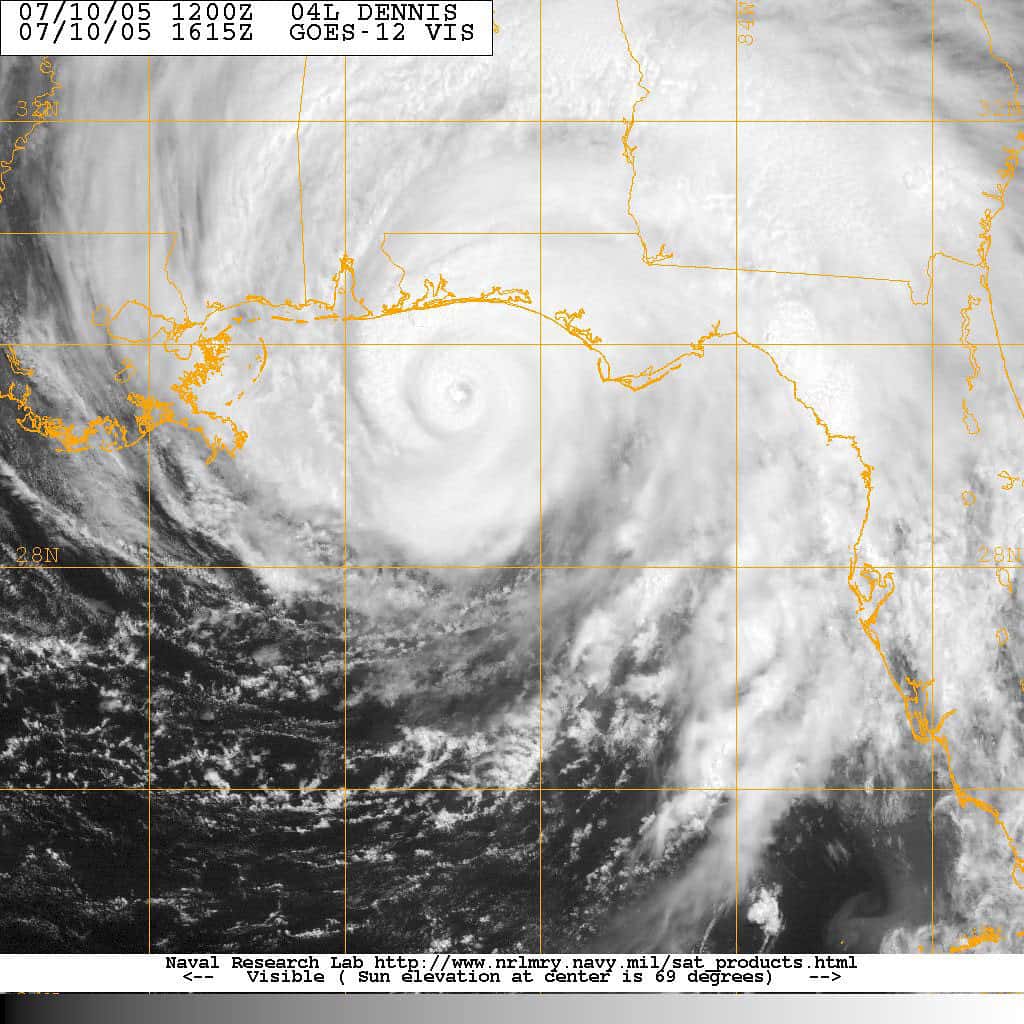
Federal forecasters are predicting a below-normal 2026 Atlantic hurricane season, a forecast that might tempt Floridians to breathe easier as the season gets underway. But emergency management officials are delivering a pointed counter-message: a below-normal forecast is no guarantee of a quiet season for any particular community, and it takes only one storm to devastate a region. For a state that lives with hurricane risk every year, complacency can be deadly.
The forecast from the National Oceanic and Atmospheric Administration reflects the broad conditions expected to shape storm activity across the Atlantic basin this season. But seasonal forecasts describe the overall number and intensity of storms, not where they will go, and the history of Florida hurricanes is full of damaging storms that struck during seasons that were otherwise unremarkable.
What the forecast says
NOAA's outlook calls for below-normal tropical activity in the Atlantic basin for the 2026 season, meaning forecasters expect fewer named storms and hurricanes than in an average year. The forecast is based on an assessment of the climate conditions that influence hurricane development, including ocean temperatures and atmospheric patterns that can either favor or suppress storm formation.
The early part of the season has been relatively quiet, consistent with the below-normal forecast. The first named storm of the year, Tropical Storm Arthur, formed earlier in the season offshore from the Texas coast, and forecasters had not been anticipating new tropical development in the basin in the immediate term. That early calm aligns with a forecast for reduced overall activity.
Seasonal forecasts are valuable for understanding the broad outlook, but they come with important caveats. They predict the overall level of activity across the entire basin over the whole season, not the path of any individual storm or the risk to any specific location. A below-normal season can still produce major hurricanes, and those storms can still make landfall in populated areas.
Why a quiet forecast can mislead
The central caution from emergency officials is that seasonal totals do not determine the risk to any given community. A season with fewer storms overall can still feature a storm that strikes Florida directly, and the damage from a single major hurricane can be catastrophic regardless of how many other storms formed that year. The number of storms matters far less than whether one of them hits home.
Florida's history bears this out. The state has been struck by devastating hurricanes during seasons that produced relatively few storms, and a below-normal forecast has never been a reliable predictor of safety for any particular region. The unpredictability of where storms will track means every coastal and inland community must prepare as if it could be hit, regardless of the seasonal outlook.
This is why officials emphasize preparation over forecasts. The seasonal outlook is useful context, but it should not drive individual decisions about readiness. Whether the season is forecast to be busy or quiet, the steps a family or community must take to be prepared are the same, because the risk to any specific location cannot be predicted months in advance.
The Florida stakes
No state has more at stake during hurricane season than Florida. The peninsula's long coastline, dense population, and exposure on both the Atlantic and Gulf sides make it uniquely vulnerable to tropical systems. Hurricanes have repeatedly caused enormous damage and loss of life in Florida, and the threat is a defining feature of life in the state from June through November.
The risks extend beyond wind. Storm surge, the wall of water a hurricane pushes ashore, is often the deadliest hazard, and Florida's low-lying coastal areas are especially susceptible. Inland flooding from heavy rainfall, tornadoes spawned by storms, and prolonged power outages add to the dangers. A single hurricane can disrupt entire regions for weeks or longer.
The economic stakes are also immense. Hurricanes affect Florida's property insurance market, its housing market, its tourism industry, and the budgets of governments at every level. The state's insurance market, in particular, is highly sensitive to storm activity, and a major landfall can reverberate through premiums and the availability of coverage. The financial consequences of hurricanes extend far beyond the immediate damage.
The preparation message
Emergency management officials use the start of every hurricane season to urge Floridians to prepare, regardless of the forecast. The core preparations are well established: having a plan for where to go and what to do if a storm threatens, assembling supplies of water, food, medications, and other essentials, and knowing one's evacuation zone and the routes out of harm's way.
Understanding evacuation zones is particularly important, and officials stress that evacuation orders are zone-specific. When authorities order evacuations, they target particular zones based on the threat, and residents need to know which zone they live in to respond appropriately. Not every resident of a county under an evacuation order needs to leave; the orders apply to specific areas based on the danger.
Officials also emphasize the distinction between watches and warnings, which carry different meanings. A watch indicates that hazardous conditions are possible, while a warning means they are expected. Understanding that difference helps residents respond appropriately as a storm approaches, taking the right actions at the right time as the threat develops.
What it means for Floridians
For Floridians, the practical takeaway is to prepare now, early in the season, rather than waiting for a storm to threaten. The below-normal forecast does not change the fundamental need for readiness, because the forecast says nothing about whether a storm will strike any particular community. Preparation is the one thing within residents' control.
Families are encouraged to review their hurricane plans, check and replenish their emergency supplies, and confirm their evacuation zones before a storm is on the horizon. Doing this work in advance, when there is no immediate threat and no rush, ensures that residents can respond calmly and effectively if a storm does approach later in the season.
The message is especially important for newer Florida residents, who may not have experienced a major hurricane and may underestimate the risk. With the state's population continually growing, many residents face the prospect of a serious storm for the first time, and ensuring they understand the dangers and the necessary preparations is a priority for emergency officials.
What's next
The hurricane season runs through the end of November, with activity typically peaking in the late summer and early fall. The early-season calm and the below-normal forecast describe the outlook, but the season's true character will only be known as it unfolds. Forecasters will continue to monitor the basin and issue advisories as systems develop.
Florida's emergency management agencies will remain on alert throughout the season, ready to respond to any threat. Their work, from monitoring storms to coordinating evacuations to managing recovery, is central to protecting the state when hurricanes strike. The preparation they urge residents to undertake complements that institutional readiness.
For now, the guidance is clear and consistent: take the forecast as context, not comfort, and prepare as if a storm could come, because in Florida, it always could. The below-normal outlook is welcome, but it changes nothing about the fundamental reality of life in a hurricane-prone state. As officials never tire of repeating, it only takes one storm, and preparation is the best defense.
Spotted an issue with this article?
Have something to say about this story?
Write a letter to the editor