Orlando Magic Take 3-1 First-Round Lead Before Pistons Force Historic Comeback
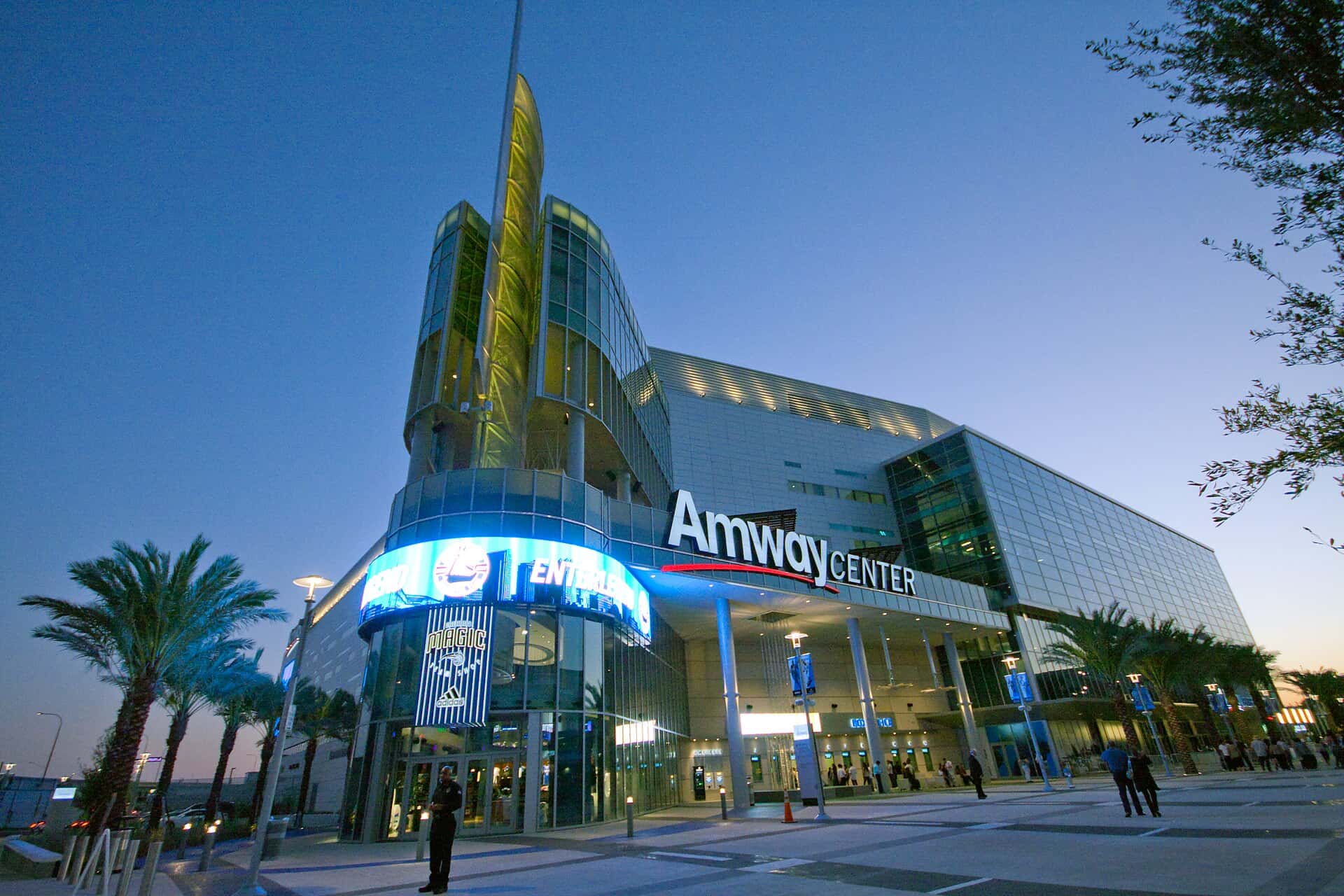
The Orlando Magic appeared headed for the second round of the NBA playoffs after a 113-105 victory over the Detroit Pistons in Game 3 at the Kia Center on May 3. The win gave the eighth-seeded Magic a 3-1 series lead in the Eastern Conference First Round and put a stunning postseason upset within reach. The Pistons, who finished the regular season as the No. 1 seed in the East at 60-22, responded by winning the next three games to advance, capping the comeback with a 121-108 victory in Game 7 on May 12 at Little Caesars Arena.
The reversal cemented an unusual piece of league history. Detroit became only the second franchise to overcome a 3-1 series deficit against the same opponent twice. The Pistons previously rallied past the Magic from a 3-1 hole in the 2003 first round, when Orlando held a 3-1 advantage before losing three straight to end the series. That earlier collapse remains the most painful in Magic franchise history, and the 2026 sequel reopened wounds for a fanbase that had spent the better part of two decades believing it was lifted.
For the Magic, the series will be remembered for two different storylines. The first is the Game 3 victory and the broader Games 2 through 4 stretch in which Orlando outplayed the East's top seed for nearly nine consecutive quarters. The second is the back-end collapse, in which Detroit star Cade Cunningham took control of the series and the Magic's offense lost its rhythm in the half-court. Both arcs will follow the franchise into a summer that already includes a head-coaching evaluation and a max-extension decision for All-Star forward Paolo Banchero.
How the Series Tipped
Detroit took Game 1 at Little Caesars Arena 118-104 behind 34 points from Cunningham. The result followed the regular-season script in which the Pistons swept the four-game season series 4-0 and won the head-to-head matchup by an average margin of 11.5 points. Most postseason projections treated the series as a likely four- or five-game victory for Detroit, with the Magic's youth and recent injury history viewed as compounding disadvantages.
Orlando responded by stealing Game 2 in Detroit 106-100, with Banchero scoring 33 points and adding 12 rebounds. The Magic's defense held Cunningham to 6-of-19 shooting from the floor and limited Detroit to 38 percent shooting overall. The win shifted the series tone immediately. Magic head coach Jamahl Mosley adjusted his defensive matchups, putting wing defender Jonathan Isaac on Cunningham for much of the second half and using a smaller lineup around Banchero in the middle stretches of the fourth quarter.
The series moved to Orlando for Games 3 and 4, and the Magic took both. The Game 3 victory on May 3 was the first home playoff win for the franchise since 2020. Wing Franz Wagner posted 28 points, six rebounds, and seven assists, anchoring the offense while Banchero managed foul trouble. The crowd at the Kia Center, which sold every available seat for both home games, gave the series a different feel from the Detroit-controlled opener.
Game 4 on May 5 went to overtime, with Orlando winning 117-114 behind a 38-point performance from Banchero. The result placed Detroit in the deepest postseason hole the Pistons had faced since the 2008 Eastern Conference Finals. Mosley, in a postgame statement issued by the team, said the Magic had earned the lead by executing the game plan rather than relying on any single individual performance.
The Pistons' Push Back
Detroit head coach J.B. Bickerstaff made several adjustments before Game 5 at Little Caesars Arena on May 7. The Pistons shifted to a smaller starting lineup, replacing center Jalen Duren with stretch forward Tobias Harris to better defend the Magic's three-point spacing. Cunningham was assigned ball-handler duties for nearly the entire game, with point guard Jaden Ivey moving to an off-ball role to create catch-and-shoot opportunities.
The new alignment produced an immediate result. Detroit won Game 5 by a score of 124-110, with Cunningham posting 42 points, eight assists, and just two turnovers in 41 minutes. The Pistons shot 51 percent from the floor and held Orlando to 39 percent. The home crowd, energized by the avoid-elimination scenario, helped Detroit pull away in a 32-19 third quarter that turned a six-point halftime lead into a 19-point advantage.
Game 6 in Orlando on May 9 followed a similar script. Detroit won 112-103, with Cunningham again leading all scorers at 35 points. The Pistons' bench outscored Orlando's reserves by 24 points, with second-year guard Marcus Sasser adding 18 points on 7-of-10 shooting. Banchero's 26-point effort was the only Magic player to clear the 20-point threshold, a sign that the offense had again grown dependent on individual creation rather than the ball movement that defined the team's early-series wins.
Game 7 in Detroit
The deciding game on May 12 at Little Caesars Arena was tight through three quarters. Detroit led by four heading into the fourth before pulling away with a 32-19 closing period. Cunningham scored 14 of his 38 points in the final quarter, including a stretch of three consecutive isolation buckets between the 6:08 and 4:21 marks that pushed the lead from five to 11.
Orlando's offensive collapse in the half-court doomed the comeback effort. The Magic shot just 4-of-17 from three-point range in the fourth quarter and committed seven turnovers in the same span. Wagner, who had averaged 24.3 points through the first six games of the series, was limited to 11 points on 4-of-13 shooting. Banchero finished with 22 points but missed 10 of his 18 field goal attempts.
Detroit's bench depth was the difference. Harris contributed 19 points off the bench, and reserve forward Isaiah Stewart added 11 rebounds in 22 minutes. The Pistons outscored Orlando 39-14 in bench production, the largest such gap of any Game 7 in the past decade. The final 121-108 margin understated the gap between the teams in the second half, when Detroit outscored Orlando 65-44.
Where Banchero Went
Banchero finished the series averaging 26.4 points, 10.1 rebounds, and 4.3 assists, the strongest playoff numbers of his three-year career. The performance reinforced his standing as the franchise cornerstone and the central figure in any roster decisions Orlando makes this summer. The 22-year-old forward is eligible for a five-year, $260 million max extension this offseason and is widely expected to sign the deal when free agency opens on July 1.
The Magic's broader scoring picture remains less stable. Wagner's 22.6 points-per-game average in the series came on inefficient shooting splits of 41 percent overall and 31 percent from three. Point guard Jalen Suggs, who returned to the rotation in March after missing two months with a left knee injury, played just 18 minutes per game and shot 36 percent from the field. Veteran guard Cole Anthony provided the most consistent secondary scoring at 13.7 points per game, but the bench beyond Anthony produced limited reliable offense.
According to the team's exit interview release, Mosley described the offseason as a chance to address the half-court offense and the three-point shooting profile of the roster. The Magic finished 25th in the league in three-point percentage during the regular season at 34.1 percent, a number that proved critical in the series-deciding stretch when the half-court attack had to generate consistent points without transition opportunities.
Mosley's Postseries Message
Mosley spoke briefly with reporters after Game 7 and issued a longer written statement the following day. According to that statement, the head coach said the series demonstrated how close the Magic had come to advancing beyond the first round for the first time since 2010, but acknowledged that the team had been outplayed in the closing three games. He emphasized that the experience would benefit the team's younger core in future postseason runs.
The Magic's coaching situation appears stable despite the collapse. Mosley, who is under contract through the 2027 season, was named the Eastern Conference Coach of the Month for January and was the runner-up for the league's Coach of the Year award in 2024. The team's front office, led by president of basketball operations Jeff Weltman and general manager Anthony Parker, has consistently expressed confidence in Mosley's player development work and his ability to guide the Magic's young core.
Detroit advances to face the Boston Celtics in the Eastern Conference Semifinals beginning May 15. The matchup pits the East's top two seeds and projects as the most-watched second-round series in the conference. The Celtics, who eliminated the Charlotte Hornets in five games, enter the series as the defending Eastern Conference champions and the betting favorite for the title.
What's Next for the Magic
The Magic's offseason will be defined by the Banchero extension, the head-coaching evaluation, and the roster moves needed to address the half-court shooting issues. Orlando enters the summer with three first-round picks in the 2026 draft, including the No. 8 overall selection that came from the team's 41-41 regular-season record. The franchise also has approximately $14 million in cap space after accounting for Banchero's expected max deal.
The draft offers immediate help if Orlando can find a shot creator. Several mock drafts have linked the Magic to Duke guard Kon Knueppel or Rutgers wing Ace Bailey at No. 8. Both players project as floor-spacing wings who would address the shooting gap that defined the playoff loss. The team's two other first-round picks, at No. 24 and No. 28, give Weltman flexibility to consolidate into a higher selection if the draft board cooperates.
Free agency presents fewer obvious options. The Magic's cap space will be limited after Banchero's extension, and the team's mid-level exception of approximately $14 million will be the primary tool for outside additions. Veteran shooting guards such as Malik Beasley and Tim Hardaway Jr. could become targets if Orlando prioritizes immediate shooting over long-term flexibility. According to the team's exit interview release, the front office's preference is to add a veteran shooter who can complement Banchero and Wagner in the half-court offense.
Central Florida Reaction
The series loss landed especially hard in Central Florida, where the Magic have been the region's only major professional sports anchor since the franchise's founding in 1989. Local broadcaster FanDuel Sports Network Florida reported its highest playoff ratings in five years, with the Game 4 overtime victory peaking at a 7.4 household rating across the Orlando market. The Kia Center hosted three of the largest crowds in arena history during the series, with Game 4 drawing an announced attendance of 19,514.
Several civic leaders also weighed in on the series. The Orlando mayor's office issued a release after Game 4 commending the Magic's playoff effort and noting the economic impact of the home playoff games on downtown Orlando businesses. According to that release, the three home games combined to generate roughly $14 million in direct visitor spending across the Sports and Entertainment District. The team's home playoff dates also produced the highest single-night downtown parking revenue in the past two years.
Spotted an issue with this article?
Have something to say about this story?
Write us a letterComments
No comments yet. Be the first to weigh in.
Related Coverage
Rays await Guardians or White Sox in ALCS after sweeping Yankees; Game 1 Monday at Tropicana Field
1h ago

John Carlson scores twice, Dennis Hildeby makes 34 saves as Lightning hold off Wild 3-2
2h ago
Winless Dolphins host Bengals at Hard Rock Stadium seeking first win under Jeff Hafley
22h ago
Hurricane Isaias Scrambles Florida Sports: FSU Cancels Pensacola Games, FAMU Moves to Friday
1d ago