Orlando theme-park wars: Disney sounds more confident on Epic Universe as bookings rebound
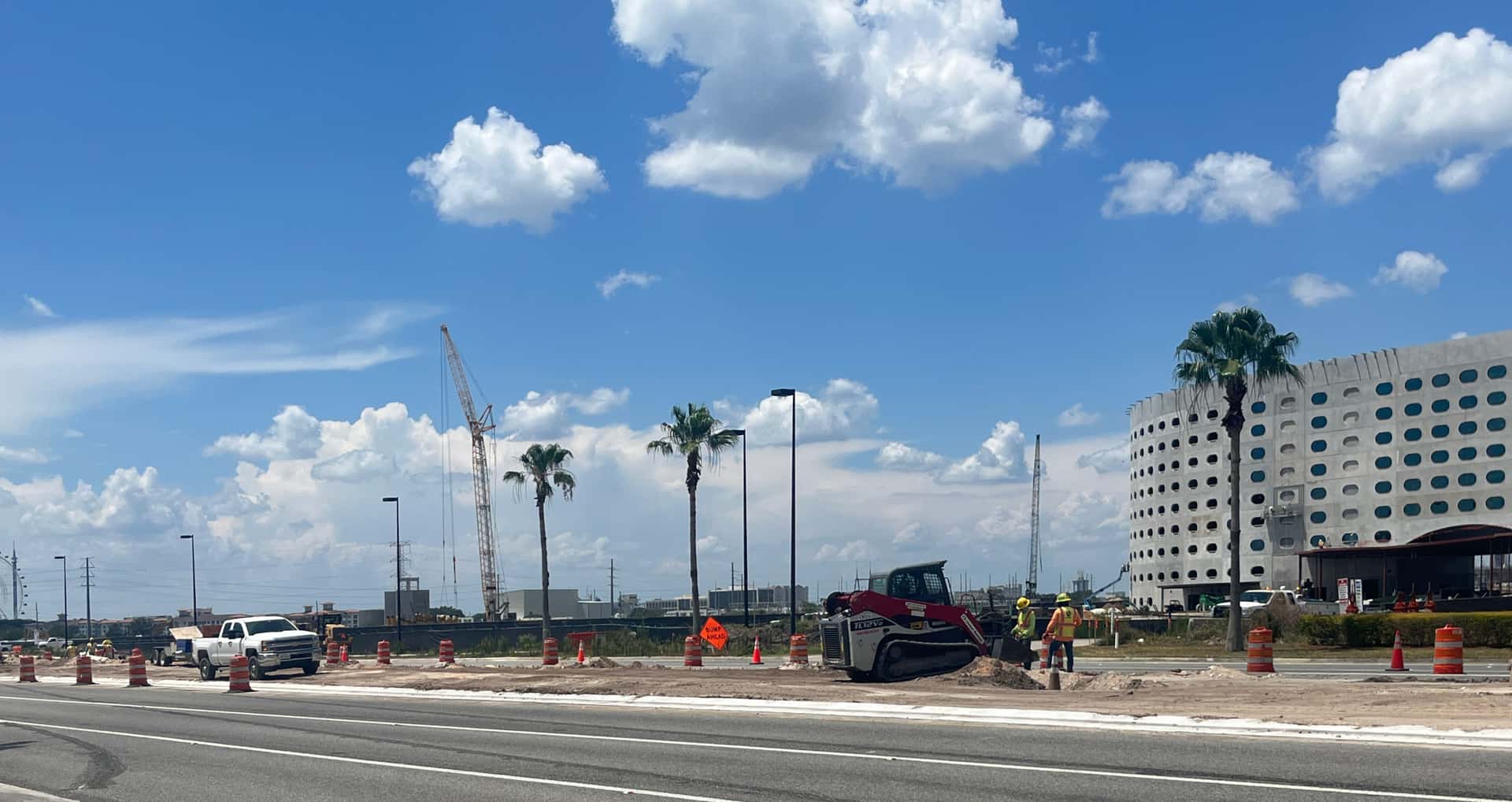
Walt Disney World executives are projecting a notably more confident tone heading deeper into 2026 about the competitive pressure from Universal Orlando's newest park, Epic Universe. After roughly a year of absorbing the impact of a major new rival just down the road, Disney leadership signaled on the company's latest earnings call that the toughest stretch may be behind it, even as Universal presses ahead with an aggressive expansion across Central Florida.
On that call, Disney CFO Hugh Johnston told investors that the company expects international visitation and what he described as "Epic-related headwinds" to ease in coming quarters as Disney laps the period when those impacts first hit. He added that Walt Disney World bookings are "pacing up strongly," a phrase that landed as a clear signal of optimism after months of speculation about how a freshly opened competitor would reshape the Orlando market.
For Central Florida, the stakes extend well beyond the rivalry between two corporate giants. The region's economy is woven tightly around its theme parks, and shifts in booking momentum ripple through hotels, restaurants, transportation, and the tens of thousands of workers whose livelihoods depend on visitor traffic. When Disney signals that demand is firming, the effects are felt across the tourism corridor.
The renewed confidence comes at a moment when the competitive map in Orlando is being redrawn. Universal Orlando opened Epic Universe, its newest park, about a year ago, and the company is now in full expansion mode, with another new park slated to open in July and additional projects planned for Orlando over the next several years.
What Disney executives actually said
The most closely watched comments came from Johnston, who framed the Epic Universe impact as a temporary drag rather than a permanent realignment of demand. By telling investors the company expects "Epic-related headwinds" to ease, Disney effectively acknowledged that the new park had pulled some attention and visitors, while arguing that the effect would fade as the calendar moved past the initial novelty period.
The accompanying remark that bookings are "pacing up strongly" was the more forward-looking signal. Booking pace is a key metric for theme-park operators because it offers an early read on demand months before guests actually arrive, helping the company plan staffing, capacity, and pricing. A strong pace suggests Disney sees momentum building rather than eroding.
It is worth noting that these were measured, investor-facing comments rather than a declaration of victory. Disney did not claim the competitive threat had disappeared, only that the company expected to lap the period of sharpest impact. According to the company's framing, the easing of international visitation pressure is also part of the picture, suggesting Disney views several factors as converging in a more favorable direction.
For Florida observers, the language matters because Disney rarely speaks in absolutes about competition. The shift from caution to cautious optimism, even in carefully chosen phrases, marks a change in posture from the more guarded tone that surrounded Epic Universe's debut.
The mention of lapping the period of sharpest impact also speaks to how operators measure competitive disruption. When a major new rival opens, the comparison against the prior year, before that rival existed, can make results look weaker even if underlying demand is healthy. As the calendar moves past the first full year of Epic Universe, those year-over-year comparisons grow more favorable, which is part of what Disney appears to be signaling. For Floridians watching the regional economy, that distinction matters, because it suggests the resort's underlying performance may be steadier than headline comparisons alone would imply.
Universal's expansion push
While Disney recalibrates its messaging, Universal Orlando is moving forward on multiple fronts. Epic Universe, which opened about a year ago, was only the beginning of a broader buildout. The company has a new park scheduled to open in July and has outlined plans for further expansions in Orlando over the next several years.
That pace of investment reflects a long-term bet on Central Florida as a growth market rather than a saturated one. Each new gate adds capacity to a region that has historically absorbed rising visitor numbers, and it intensifies the competition for guests who often plan multi-day trips spanning more than one resort.
There are also signs, though unconfirmed, that Universal is planning additional attractions. A Universal permit reportedly hints at a possible new Dark Universe ride, according to reports, though Universal has not officially announced any such attraction. Industry watchers tend to scrutinize permit filings for clues about future projects, but such documents are not the same as a public commitment, and the details remain speculative.
What is clear is that Universal's strategy of continuous expansion changes the competitive dynamic Disney faces. Rather than a single new park to contend with, Disney is now responding to a rival that appears intent on adding capacity and experiences on a recurring basis.
Operational notes for visitors
Guests planning trips this summer should be aware of a handful of operational changes at Universal. The MEN IN BLACK Alien Attack ride at Universal Studios Florida is closed from June 1 to 16, 2026, and is scheduled to reopen on June 17. Closures of this kind are routine in the theme-park business, often tied to maintenance or refurbishment, but they can affect itineraries for visitors with specific must-do attractions.
At Epic Universe, the Celestial Park Cosmos Fountain is undergoing electrical updates, according to reports. Such work on a signature feature of a new park underscores that even recently opened venues require ongoing maintenance, and visitors may encounter temporary changes to the guest experience as crews complete the updates.
For families budgeting time and money around an Orlando trip, these details can be more than minor inconveniences. Travelers increasingly research ride availability before booking, and operators publish closure schedules in part to manage expectations. Checking official park calendars ahead of a visit remains the most reliable way to avoid surprises.
None of these closures appear to signal anything beyond normal operations. They are mentioned here because they are concrete, verified details that affect the summer experience for the millions of visitors moving through Central Florida's parks.
Why this matters for Central Florida's economy
The competition between Disney and Universal is not a zero-sum spectacle for the region: it is an economic engine. Theme-park tourism supports an enormous base of jobs, from ride operators and hospitality staff to construction crews building the next wave of attractions. Universal's expansion alone implies continued hiring and capital investment across Orlando.
Tourism also feeds public coffers. Visitor spending generates tourist development tax revenue that local governments rely on for infrastructure, marketing, and convention-related projects. When booking pace strengthens and new parks open, the resulting visitor volume can lift those collections, with downstream effects on regional budgets.
Crowd patterns are another consideration. A second major resort actively adding parks can redistribute where and when visitors go, potentially smoothing or shifting peak periods across the region. For local businesses outside the park gates, including hotels, restaurants, and retailers, those patterns shape demand throughout the year.
Perhaps the clearest beneficiary of the rivalry is the visitor. Sustained competition tends to push operators to invest in new experiences and compete on value, which can translate into more to do for the same trip. That dynamic is part of what keeps Central Florida a leading destination.
The bigger competitive picture
Stepping back, the story unfolding in Orlando is one of two operators making long-term bets on the same market at the same time. Disney's more confident tone suggests it believes it can hold its position even as Universal expands, while Universal's building spree reflects confidence that the regional market can support more capacity.
The interplay is likely to define Central Florida tourism for years. Disney's emphasis on booking pace and the easing of Epic-related pressure indicates a belief that initial disruption gives way to a more stable competitive equilibrium. Universal's continued investment signals a contrary view that the market still has room to grow.
Both narratives can be true at once. A larger overall destination, with more parks and more reasons to visit, can lift total visitation even as the two companies compete intensely for individual guests. For Florida, the combination of more attractions and steady demand is generally a favorable outcome.
Much of how this plays out will depend on factors outside either company's full control, including international travel trends and broader consumer spending. Disney's own commentary tied its outlook in part to international visitation, a reminder that global conditions remain a meaningful variable for Orlando's parks.
What's next
The most immediate milestone is Universal's new park opening in July, which will provide a fresh test of how the Orlando market absorbs additional capacity. Its reception, including crowd levels and guest response, will offer early evidence about the durability of the region's growth.
Investors and industry watchers will also be looking to Disney's coming quarters to see whether the company's expectation that "Epic-related headwinds" will ease holds up, and whether the strong booking pace translates into the visitor numbers executives are projecting. Those results will help clarify whether Disney's renewed confidence is well placed.
For visitors, the practical near-term items are simpler: the MEN IN BLACK Alien Attack ride reopens June 17, and travelers should check official park calendars for the status of attractions such as the Cosmos Fountain before planning their days. As both resorts continue to build, the menu of options in Central Florida will keep expanding.
Whether Universal's announced and reported projects, including the possible Dark Universe ride that has not been officially confirmed, materialize as expected will shape the next chapters of the rivalry. For now, the region appears positioned for continued investment, competition, and growth, with Florida's tourism economy standing to benefit from both companies' ambitions.
Spotted an issue with this article?
Have something to say about this story?
Write us a letterComments
No comments yet. Be the first to weigh in.
Related Coverage

St. Pete Pride Asks Supporters to Raise $289,000 by Nov. 30 to Erase Its Deficit Before the 25th Anniversary
1d ago

Joe Redner, Tampa's 'Strip Club King' and longtime courtroom combatant, dies at 86
4d ago

SeaWorld Orlando closes Mako after fatal fall on similar Georgia coaster
5d ago

Orlando Approves $12.6 Million Pulse Memorial Contract, With Construction Set to Begin Nov. 25
Oct 14