PortMiami Cruise Building Boom Anchors Florida's Busiest Ports
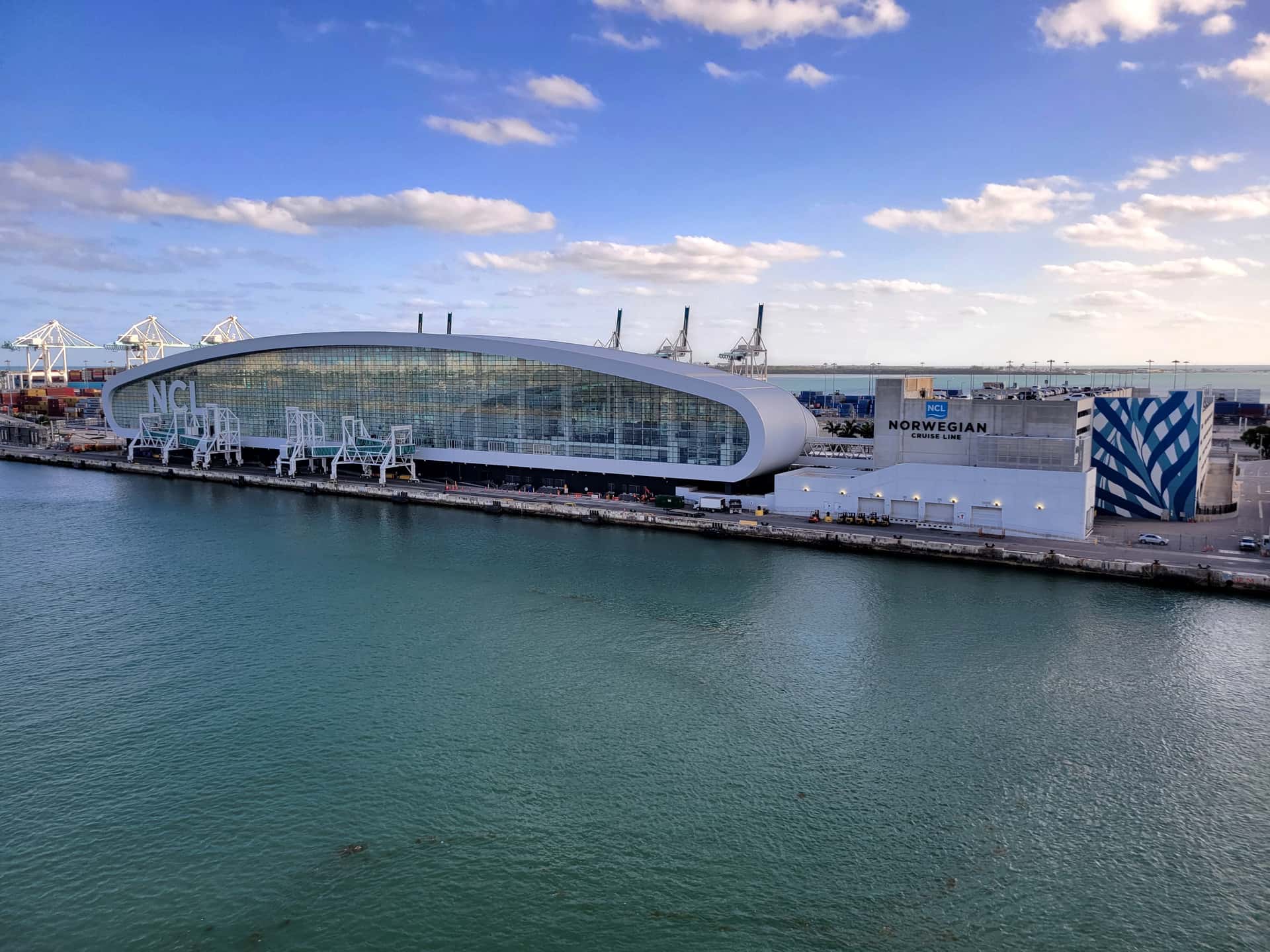
Florida's cruise industry, the powerhouse behind the world's busiest cruise ports, is in the middle of a building boom, and PortMiami sits squarely at its center. Royal Caribbean broke ground on January 7, 2026 on a new $345 million Terminal G, a facility designed to handle the company's largest Icon-class ships and to process roughly 7,000 passengers per ship call, with completion targeted for late 2027.
The investment is among the most visible signs of an industry pouring money into Florida's coastline. Terminal G is being built to accommodate the next generation of mega-ships, vessels so large that they require purpose-built infrastructure to move thousands of travelers on and off in a single day. For PortMiami, long branded as the cruise capital of the world, the project is a statement of confidence in continued growth.
Miami's draw for the industry runs deeper than its terminals. The city is home to the world's largest cluster of cruise-line headquarters, with Carnival, Royal Caribbean, MSC, Norwegian, Celebrity and Oceania all anchored in or around South Florida. That concentration of corporate firepower makes the region not just a departure point but the strategic brain of global cruising.
For Florida, the stakes are enormous. Cruise tourism feeds an economic ecosystem of jobs, tax revenue and infrastructure spending that stretches from PortMiami to Port Everglades and Port Canaveral, and the current wave of construction signals that the industry expects that ecosystem to keep expanding.
Terminal G and the era of mega-ships
Royal Caribbean's Terminal G is built for scale. According to the company's announced plans, the $345 million facility is designed around its Icon-class vessels, the largest cruise ships the line operates, and is meant to process roughly 7,000 passengers per ship call. Moving that many people efficiently requires a terminal engineered from the ground up for volume, and that is precisely what the project promises to deliver.
The January 7, 2026 groundbreaking set a construction timeline pointing toward completion in late 2027. That horizon reflects the complexity of building modern cruise infrastructure, which must integrate boarding systems, baggage handling, security screening and ground transportation on a footprint capable of absorbing surges of thousands of travelers within hours.
The decision to build for Icon-class ships reflects a broader industry bet on bigger vessels. As cruise lines launch ever-larger ships, the ports that can accommodate them gain a competitive edge, and Miami's willingness to invest in that capacity helps cement its position at the top of the global cruise hierarchy. Terminal G is, in effect, Miami future-proofing its standing.
For travelers, the practical promise is a smoother experience: faster boarding, less congestion and facilities built for the realities of mega-ship cruising. For Miami, the terminal represents both a near-term construction project and a long-term anchor for an industry that defines much of the port's identity.
Miami as the headquarters of global cruising
What truly distinguishes Miami is the density of cruise-line headquarters clustered in the region. Carnival, Royal Caribbean, MSC, Norwegian, Celebrity and Oceania all call South Florida home, giving the area the world's largest concentration of cruise corporate operations. That cluster is a magnet for talent, capital and decision-making that few other places can rival.
The headquarters effect goes beyond the ships themselves. Executive offices, marketing teams, technology operations and support functions employ large numbers of Floridians in roles that have nothing to do with sailing. The industry's corporate presence diversifies the local economy and roots the cruise business in the community in a way that a port alone never could.
That concentration also gives Florida outsized influence over the direction of global cruising. Decisions made in Miami boardrooms ripple across the world's oceans, and the policies, pricing and product changes that shape the industry are often hatched within a short drive of PortMiami. The region is not just where ships leave; it is where the business is run.
For South Florida, the headquarters cluster represents a durable economic asset. While individual ports compete for ship calls, the corporate presence provides a stable foundation of high-value employment and investment that reinforces the region's claim to be the undisputed capital of the cruise world.
Recent industry moves ripple through Florida
June 2026 brought a series of corporate moves that, as reported, illustrate how quickly the industry adjusts its offerings. Carnival rolled out a revamped loyalty and rewards program, reported to have taken effect June 1, recalibrating how the line recognizes and retains its most frequent guests. Such programs are central to an industry that depends heavily on repeat customers.
Royal Caribbean, for its part, made tweaks to its suite-guest dining policies in mid-June, according to reports, adjusting the perks and arrangements available to passengers booking premium accommodations. These kinds of refinements, while modest individually, reflect the constant tuning that cruise lines undertake to balance guest expectations against operating costs.
Because these moves were reported rather than independently confirmed here, the specifics are best treated as the companies have described them. What they share is a common thread: the major lines, headquartered in Florida, are continuously reshaping the customer experience, and those decisions emanate from the same South Florida corridor that hosts the industry's terminals.
For Florida observers, the takeaway is less about any single policy than about the pace of change. An industry investing hundreds of millions in new terminals is also fine-tuning loyalty programs and dining perks, a sign of a business simultaneously building for the future and competing hard for today's passengers.
The economic footprint across Florida's ports
Cruise tourism's economic weight in Florida is difficult to overstate. PortMiami, Port Everglades and Port Canaveral together form a trio of the busiest cruise gateways anywhere, and the activity they generate cascades through the state's economy in the form of jobs, spending and tax revenue. The terminals are only the most visible piece of a much larger machine.
The employment picture spans a wide range of roles. Longshore workers, terminal staff, transportation providers, hospitality workers and the vast network of suppliers that provision ships all depend on a steady flow of sailings. When a port adds capacity, as PortMiami is doing with Terminal G, it expands the base of jobs that the industry supports across the region.
Tax revenue and infrastructure investment compound the impact. Ports channel funds into facilities, roads and supporting systems, and the public coffers benefit from the economic activity that cruising generates. For local governments, a thriving cruise sector is both a revenue source and a justification for continued investment in port infrastructure.
The geographic spread matters too. While Miami commands attention, Port Everglades in Broward County and Port Canaveral on the Space Coast carry enormous volumes of their own, ensuring that the benefits, and the responsibilities, of the cruise boom are distributed across multiple Florida regions rather than concentrated in a single city.
Infrastructure, tourism and the road ahead
The building boom raises the question of how Florida's ports will manage the growth they are courting. Larger ships and bigger terminals bring more passengers, more vehicles and more demand on the roads, parking and transit systems that feed the docks. Accommodating mega-ships is not only a matter of building a terminal but of ensuring the surrounding infrastructure can absorb the crowds.
Tourism is the engine driving these investments. Cruise passengers often arrive a day or more early or stay after their sailings, filling hotels, restaurants and attractions throughout South Florida and along the coast. The spending generated by these travelers extends the economic benefit well beyond the port gates and into the broader visitor economy.
The competitive dynamic among ports and lines also shapes the trajectory. As cruise companies build ever-larger ships, the ports that invest in matching capacity stand to capture more business, while those that lag risk losing ship calls to better-equipped rivals. Florida's willingness to build, exemplified by Terminal G, reflects a determination to stay ahead of that curve.
For residents and policymakers, the boom presents both opportunity and challenge: how to maximize the economic upside of cruising while managing its footprint on traffic, the environment and local communities. The answers will determine whether the current wave of construction translates into durable, well-managed growth.
A model the rest of Florida watches
PortMiami's investment in Terminal G is being watched closely by other Florida ports that compete for the same ships and passengers. As the cruise capital sets the pace with purpose-built facilities for mega-ships, the example pressures rival ports to consider their own upgrades, shaping a statewide dynamic in which one port's expansion can spur others to follow.
That competitive pressure ultimately benefits the broader Florida economy. A network of ports investing to stay current keeps the state at the forefront of the global cruise business, ensuring that the jobs, tax revenue and tourism spending tied to cruising remain anchored in Florida rather than migrating to competitors elsewhere along the coastlines of the country.
The clustering of corporate headquarters in South Florida reinforces that advantage. With the major lines based in the region and the busiest ports a short distance away, Florida holds a combination of strategic and operational strengths that few rivals can match, a position the Terminal G project is designed to protect and extend into the next decade.
What's next
The immediate milestone on the horizon is the completion of Royal Caribbean's Terminal G, targeted for late 2027, which will mark a significant expansion of PortMiami's capacity to handle the industry's largest ships. Until then, construction will be a visible feature of the port, a daily reminder of the bet the industry is placing on continued growth.
Beyond Terminal G, the broader pattern of investment across PortMiami, Port Everglades and Port Canaveral suggests that the cruise building boom is far from over. As long as the major lines remain headquartered in South Florida and continue launching larger vessels, the pressure to expand and modernize Florida's ports is likely to persist.
The defining question for the state is whether it can sustain the infrastructure, workforce and tourism economy that a growing cruise industry requires. With billions in economic activity riding on the answer, Florida's ports, and the communities around them, have every incentive to get the balance right as the next chapter of cruising takes shape.
Spotted an issue with this article?
Have something to say about this story?
Write a letter to the editorRelated Coverage
FEMA Approves $37 Million More for Florida Recovery, Pushing the Year's Total Past $835 Million
12h ago

DHS Watchdog Finds Everglades Detention Site Failed Federal Standards
14h ago
The Fed's First Rate Hike Since 2023 Lands Hard on Florida Homebuyers
1d ago
DHS Watchdog Reports Overcrowding and Punitive Practices at South Florida Detention Sites
1d ago