Rick Scott and Elizabeth Warren Introduce Bipartisan Permanent Lobbying Ban
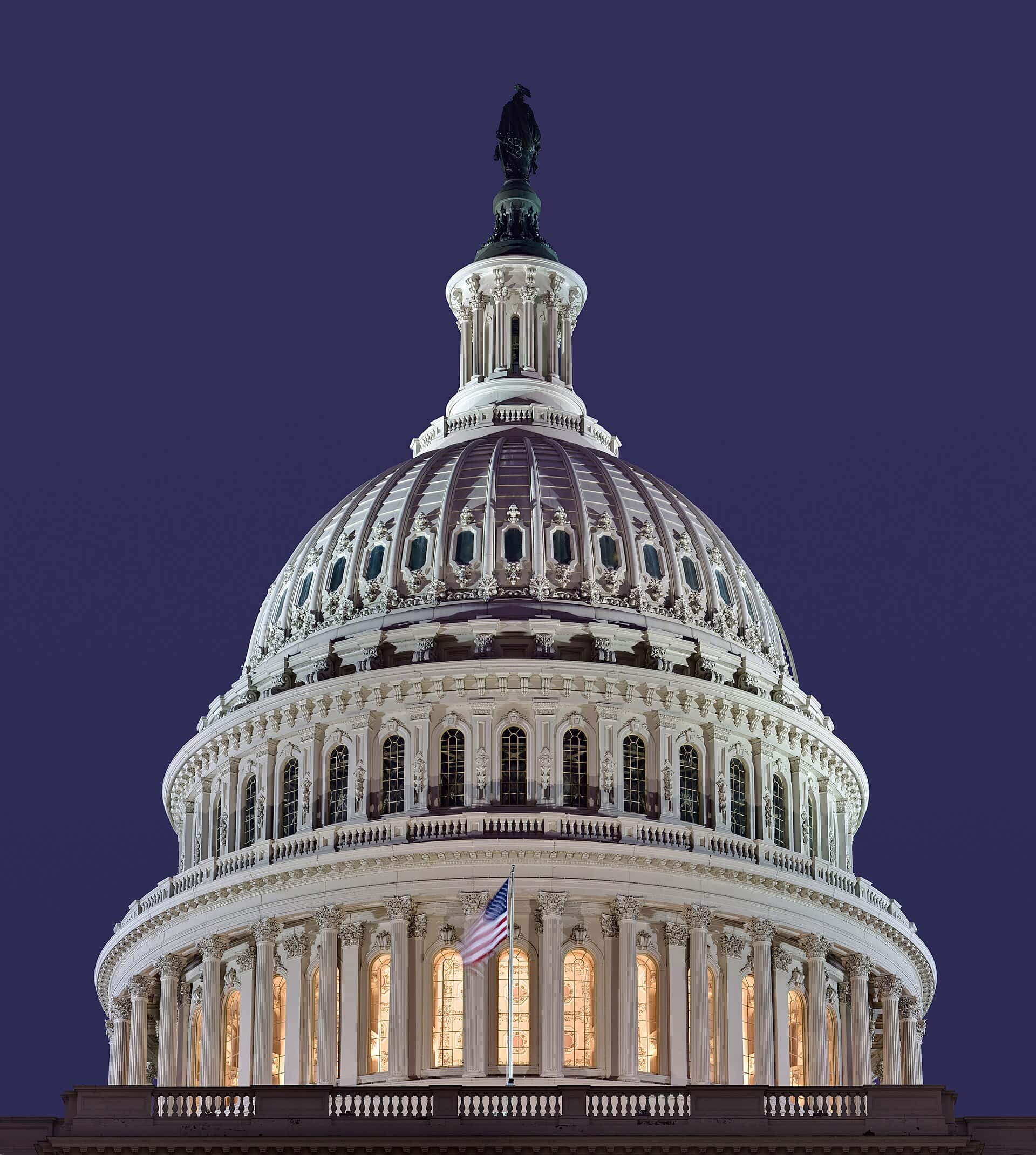
Florida Senator Rick Scott and Massachusetts Senator Elizabeth Warren introduced bipartisan legislation on May 13, 2026, that would permanently bar former members of Congress from lobbying their former colleagues. The bill, S.4524, would amend Title 18 of the U.S. Code, eliminate the current one-year cooling-off period for departing House members and two-year cooling-off period for departing senators, and create criminal penalties for violators. The Florida senator served as the lead Republican sponsor in a pairing that highlights an unusual cross-aisle alignment on government ethics reform.
For Florida, the bill carries direct political weight because of Scott's continued role as one of the state's two senior federal officials. Scott has built a national profile around themes of government reform and accountability, and Florida voters across the political spectrum have shown sustained interest in measures that limit perceived self-dealing in Washington. The new bill positions Scott as the public face of a high-visibility ethics initiative that Warren has championed for years.
The senators introduced the legislation against a backdrop of repeated public polling that shows broad support for stricter rules governing the movement of former lawmakers into K Street lobbying jobs. According to the Senate Office of Public Records, dozens of former members of Congress have registered as lobbyists in recent years, and the so-called revolving door has long drawn criticism from both ends of the ideological spectrum.
What the bill would do
S.4524 would amend Title 18 of the U.S. Code, the federal criminal code, to make it a crime for former members of Congress and certain elected officers of Congress to engage in lobbying activities directed at the legislative branch. The current statutory framework imposes a one-year ban on lobbying for departing House members and a two-year ban for departing senators. The new bill would replace those finite cooling-off periods with a permanent prohibition.
The legislation would impose both monetary fines and potential jail time for violators. According to the summary released by Senator Scott's office, the bill defines lobbying activities broadly enough to capture not only formal registered lobbying but also informal influence work that would currently fall outside Lobbying Disclosure Act reporting requirements.
The bill targets the most senior tier of legislative branch officials, including former senators, former representatives, and the elected officers who lead the institutional operations of each chamber. It does not extend the permanent ban to staff members or to administration officials, who operate under separate ethics rules that have evolved through a mix of executive orders and statute over the past two decades.
The bill's drafters anticipated likely workarounds. The text reaches not only formal client representation but also strategic consulting that would direct other registered lobbyists to take specific actions on Capitol Hill. That structure is meant to prevent former members from operating behind the scenes through advisory roles that produce the same influence outcomes without triggering the statutory definitions of lobbying activity that current law uses.
Why Scott is leading the Republican side
Senator Scott has built his Senate brand around government accountability and ethics reform themes since taking office in 2019. His office's release on the new legislation describes the bill as a logical extension of earlier proposals to limit conflicts of interest and self-dealing among federal officials. The Florida senator has previously introduced legislation aimed at restricting congressional stock trading and at imposing term limits on members of Congress.
Scott's pairing with Warren reflects a deliberate strategy of seeking bipartisan vehicles for ethics legislation that might otherwise stall along party lines. Warren has long advocated for sweeping restrictions on the movement of lawmakers into lobbying and consulting work, and her cosponsorship gives the bill credibility with progressive members who might otherwise view a Scott-led measure with skepticism.
The Florida senator's office also framed the bill as a response to concerns raised by constituents about the perceived gap between the public service mission of Congress and the post-government careers of departing members. Scott has previously discussed the lobbying revolving door at town halls in Florida and in remarks on the Senate floor.
The senator's earlier ethics work has not always gained traction in the Senate, but the new bill arrives in a period when the chamber has shown some appetite for incremental reform. According to recent Senate floor schedules and committee activity, members from both parties have spent the spring discussing a broader package of accountability measures that could provide procedural cover for the Scott and Warren legislation.
Why this matters for Florida
Florida voters have shown strong support across party lines for ethics and accountability measures aimed at federal officials. State-level term limits, which voters approved decades ago, reflect a sustained appetite for structural reforms designed to limit the entrenchment of incumbents. The new federal legislation extends that broader political conversation into the post-service careers of lawmakers.
The state's congressional delegation includes a mix of members who arrived from business, military, and elected state-level backgrounds. Several Florida members have transitioned into private-sector roles after leaving Congress, and the state's politically active retirement communities, particularly in central and southwest Florida, have repeatedly demanded that Congress confront the financial incentives that shape post-service careers.
Florida is also home to a sizable contingent of lobbying firms and government affairs practices, particularly in Tallahassee, Tampa, and Orlando. Those firms often hire former state legislators and members of Congress to handle client portfolios that touch federal agencies and the state government. A permanent federal lobbying ban would not affect state-level lobbying, but it would reshape the pool of available talent for federal practices and could prompt firms to restructure how they organize their congressional outreach work.
Several Florida-based industries with significant federal lobbying interests would also need to adjust. The state's defense contractors, agriculture cooperatives, cruise lines, hospitality and resort operators, and aerospace companies all maintain Washington representation that frequently includes former members of Congress or their senior staff. The bill would reshape the contours of those relationships if it became law.
Bipartisan dynamics in the Senate
The Scott and Warren pairing is notable for its ideological reach. The Florida Republican and the Massachusetts Democrat occupy distant positions on most major policy questions, and their joint sponsorship signals that ethics reform retains the capacity to attract cross-aisle coalitions in a polarized Congress. Several other senators have expressed interest in joining as cosponsors, according to remarks from senators on the floor in the days following the introduction.
Past attempts to tighten the revolving door rules have generally struggled to clear procedural hurdles in the Senate. Lobbying reform legislation has historically faced resistance from members who see the existing cooling-off periods as adequate or who worry that broader restrictions could discourage qualified candidates from running for federal office. The Scott and Warren pairing is designed to push past those objections by demonstrating broad support.
The Senate Homeland Security and Governmental Affairs Committee has jurisdiction over the bill and is expected to hold hearings if leadership chooses to advance it. The committee has handled prior ethics legislation and includes members from both parties who have publicly supported tighter restrictions on the post-service activities of former officials.
Reactions from Florida officials and observers
Reactions from Florida's other senior federal officials have generally been supportive. Members of the state's congressional delegation who have signed onto ethics legislation in past sessions are widely expected to support the new bill. State-level officials in Tallahassee, including the governor's office, typically welcome federal-level ethics legislation that aligns with the state's own term limits framework and that reinforces the broader political narrative around government accountability.
Florida-based government reform organizations have publicly praised the introduction. According to recent statements from those groups, the bill addresses a long-standing concern that voters across the political spectrum have raised about the long-term incentives shaping congressional service. Several of the groups have offered to provide testimony or research support during the committee process.
Florida business associations and lobbying firms have offered more measured public responses. Several firms with both state and federal practices have indicated they will wait to see whether the bill advances before evaluating any potential impact on their staffing or organizational structures. The state's largest lobbying firms have built business models that combine current and former officials across multiple branches of government, and a permanent federal ban would affect only a portion of their work.
Local impact across the state
For Florida's congressional district offices, the bill represents the kind of high-visibility ethics measure that constituents frequently raise at town halls and in office correspondence. Members of the state's House delegation who plan to seek reelection have an incentive to engage with the legislation either as supporters or as critics, given the bipartisan visibility of the introduction.
For Florida's broader political ecosystem, the bill underscores the continued strength of accountability themes in state and federal campaigns. Candidates for state office and for federal seats in Florida have routinely incorporated ethics reform messaging into their campaigns, and the new federal bill provides additional material for that messaging in the coming election cycle.
For the state's universities and policy research centers, the bill offers a substantive subject for academic study. Florida-based political scientists, law school faculty, and public policy programs have produced research on the effects of lobbying restrictions and on the broader question of how former lawmakers transition into private-sector careers. That research could become more visible if the bill advances and triggers a national conversation about the structure of post-service careers in Washington.
What is next
The Senate Homeland Security and Governmental Affairs Committee is expected to be the first stop for the bill if leadership chooses to advance it. The committee process typically includes hearings with outside witnesses, markup sessions to refine bill language, and a committee vote that determines whether the legislation moves to the full Senate floor.
A companion bill in the House would be needed for the legislation to reach the president's desk. Members of the House Oversight Committee who have previously championed ethics reform are widely expected to take up companion legislation, and Florida members of the House have been actively engaged on accountability measures in recent sessions. The Florida House delegation includes several members who would be natural sponsors for the House version of a permanent lobbying ban.
Public attention to the bill is expected to intensify as the election cycle progresses. Senator Scott has previously used ethics legislation to anchor campaign messaging, and the Warren cosponsorship gives the bill resilient cross-aisle visibility. Whether the legislation ultimately reaches a Senate floor vote will depend on procedural decisions by leadership and on whether the bipartisan coalition behind the introduction can be extended across enough members to overcome the procedural obstacles that have historically slowed lobbying reform measures in Congress.
Florida voters will likely see the bill referenced in candidate forums, campaign advertising, and constituent communications over the months ahead. The combination of a high-profile Florida senator and a high-profile Massachusetts senator as co-sponsors gives the legislation political durability across the partisan divide that has often defined congressional debates, and observers in the state expect the Scott office to continue using the bill as a focal point for its broader reform agenda regardless of whether it advances on the Senate floor this year.
Spotted an issue with this article?
Have something to say about this story?
Write us a letterComments
No comments yet. Be the first to weigh in.
Related Coverage

Isaias Shuts Pensacola and Okaloosa Airports as Airlines Waive Fees and Tolls Lift on Panhandle Bridges
3h ago

Ex-CIA official pleads guilty in $194 million fraud, will forfeit $102 million in Palm Beach and Hobe Sound real estate
4h ago

11th Circuit voids septic permit ban in Indian River Lagoon manatee case after federal 'harm' rule rollback
4h ago
Trump ties disaster aid to midterm campaign as Hurricane Isaias nears Florida Panhandle
23h ago