Secretary of State Rubio Returns to Miami for U.S.-Italy Investment and Innovation Forum
Secretary of State Marco Rubio returned to his hometown of Miami on June 22, 2026, to deliver remarks at the Italy-U.S. Business, Investment, Science and Innovation Forum, an event that highlighted South Florida's growing role as a hub for international commerce and diplomacy. For Rubio, a Miami native and former United States senator from Florida who now serves as the nation's top diplomat, the visit was a homecoming that underscored the connections between his current role on the world stage and his Florida roots.
The forum brought together business, investment, science, and innovation interests from Italy and the United States, with Miami serving as the venue for the gathering. The choice of Miami reflects the city's emergence as a center for international business and as a gateway between the United States and the wider world. Rubio's participation lent the event prominence and tied the highest levels of American foreign policy to economic activity centered in South Florida.
For Florida, the visit offered a reminder of the state's significance in national and international affairs, embodied in a Cabinet secretary who hails from Miami and built his political career representing the state. Rubio's presence at an international forum in his hometown linked Florida's economic ambitions to the conduct of American diplomacy, illustrating how the state's interests and figures are woven into the nation's engagement with the world.
The forum in Miami
The Italy-U.S. Business, Investment, Science and Innovation Forum convened in Miami with Rubio among the speakers, bringing together participants focused on strengthening economic and scientific ties between the two nations. Forums of this kind serve as venues for fostering business relationships, attracting investment, and promoting collaboration in areas such as science and innovation. The presence of the Secretary of State signaled the importance attached to the gathering and to the bilateral relationship it addressed.
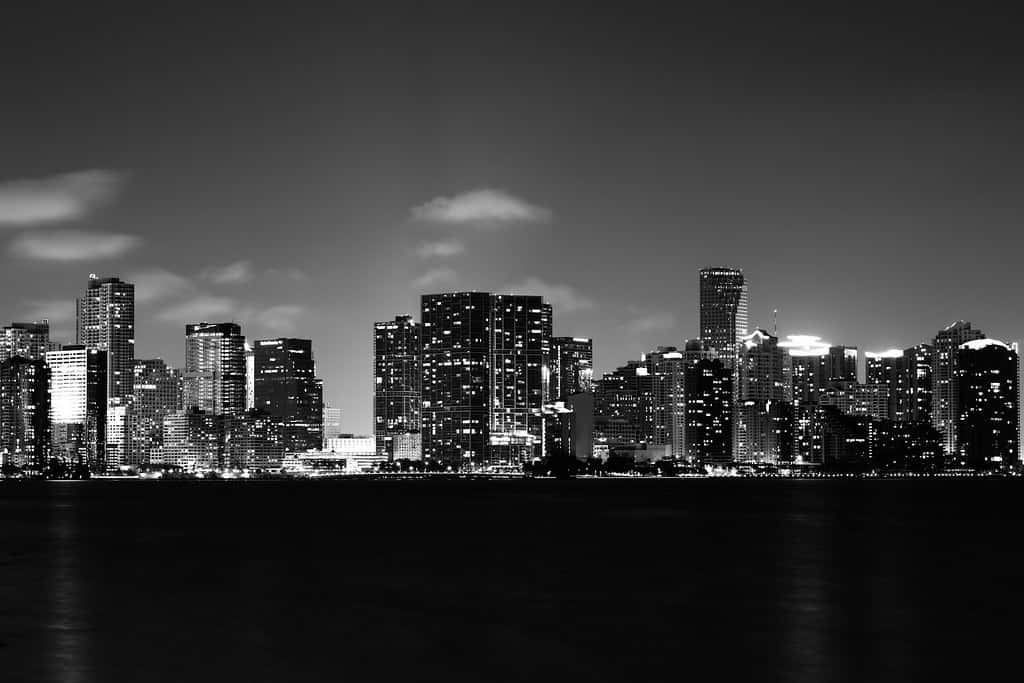
Miami's selection as the host city reflects the metropolitan area's standing as a center for international commerce, particularly as a connection point between the United States, Latin America, and increasingly other parts of the world. The city has cultivated a reputation as a destination for business, finance, and trade, drawing companies and investment from across the globe. Hosting an international forum of this nature reinforces that reputation and showcases Miami's capabilities on a global stage.
The focus on business, investment, science, and innovation aligns with the priorities of economic diplomacy, which seeks to advance national interests through commercial and scientific engagement. By promoting ties in these areas, the forum aimed to deepen the relationship between the United States and Italy in ways that could yield economic benefits. Miami's role as the venue positioned South Florida at the center of that effort.
Rubio's Florida roots
Marco Rubio's path to becoming Secretary of State runs directly through Florida. Born in Miami in 1971 to Cuban immigrants, Rubio rose through Florida politics, winning election to the United States Senate in 2010 and representing the state until he resigned to take up his Cabinet post. His career has been deeply intertwined with Florida and with the Cuban-American community of South Florida, giving him a personal and political connection to the region.
Rubio's background as the son of Cuban immigrants and his roots in Miami's Cuban-American community have shaped his political identity and his perspectives, particularly on issues related to Latin America and the Cuban diaspora. South Florida is home to a large and politically engaged Cuban-American population, and Rubio's rise reflected the community's prominence in the state's politics. His return to Miami as Secretary of State carried resonance given those connections.
As a former senator who represented Florida for well over a decade, Rubio brings to his diplomatic role a familiarity with the state's interests and concerns. His transition from representing Florida in the Senate to serving as the nation's chief diplomat illustrates the pathways by which the state's political figures reach the highest levels of national government. His hometown visit linked his current responsibilities to the place that launched his career.
South Florida as a global gateway
Miami has increasingly positioned itself as a global city and a gateway for international business, finance, and trade. The metropolitan area's connections to Latin America have long made it a hub for commerce with the region, and its appeal has broadened to attract business and investment from Europe and beyond. The hosting of international forums and the presence of multinational activity reflect Miami's evolution into a center of global engagement.
The city's role as a gateway has economic implications for the broader region and state, as international business activity generates jobs, investment, and economic growth. Miami's status as a destination for global commerce draws companies, talent, and capital, contributing to the dynamism of the South Florida economy. The forum featuring Italian and American interests is an example of the kind of activity that flows through the city in its capacity as an international hub.
South Florida's diverse and internationally connected population is part of what makes the region attractive for global business. The area's cultural and linguistic diversity, its connections to communities around the world, and its role as a crossroads of the Americas all contribute to its appeal as a place to do business across borders. Those characteristics underpin Miami's emergence as a global city and its capacity to host events like the U.S.-Italy forum.
What it means for Florida
The forum and Rubio's participation highlight Florida's place in the national and international economic landscape. The state's largest metropolitan area serving as the venue for a bilateral economic forum, addressed by a Cabinet secretary, underscores Florida's significance in commerce and diplomacy. The activity reinforces the state's economic connections to the wider world and its role as a destination for international business.
For Florida's economy, the cultivation of international business ties offers opportunities for growth and investment. Events that attract global interest to the state can yield business relationships, investment, and economic activity that benefit the region. The state's leaders have long sought to position Florida as a hub for international commerce, and gatherings like the forum advance that objective by showcasing the state to international partners.
The visit also illustrates how Florida's political figures carry the state's profile to the national stage. Rubio's prominence as Secretary of State, combined with his Florida roots, keeps the state visible in national affairs and connects its interests to the conduct of American foreign policy. His hometown appearance is a reminder of the ways in which Florida and its figures are embedded in the broader currents of national and international life.
The broader diplomatic context
As Secretary of State, Rubio leads American diplomacy across a wide range of issues and relationships, and economic engagement is one component of that work. Strengthening commercial and scientific ties with allies and partners, including Italy, is part of the broader effort to advance national interests through diplomacy. The forum in Miami represents one instance of that economic dimension of foreign policy.
The relationship between the United States and Italy spans economic, scientific, and strategic dimensions, and forums that bring together interests from both nations contribute to deepening those connections. Bilateral engagement of this kind supports cooperation in areas of mutual interest and can yield benefits for both countries. The participation of the Secretary of State signals the value placed on the relationship and on the economic ties the forum sought to advance.
The conduct of economic diplomacy through events like the Miami forum reflects a recognition that commercial and scientific collaboration are integral to international relationships. By promoting investment, business ties, and innovation partnerships, such efforts aim to build mutually beneficial connections. Rubio's role in addressing the forum placed the weight of his office behind that effort, in a setting that also held personal significance for him.
What's next
The relationships and discussions fostered at the forum may yield further economic engagement between the United States and Italy, with Miami having served as a stage for advancing those ties. The outcomes of such gatherings often unfold over time as the connections made translate into business activity and collaboration. South Florida's role as a venue for the forum positions it to benefit from any economic activity that results.
For Rubio, the visit to Miami was one episode in his broader work as Secretary of State, which encompasses a wide range of diplomatic responsibilities. His engagement with economic diplomacy, including events like the forum, is part of a portfolio that spans the full scope of American foreign relations. His hometown appearance connected that work to his Florida roots in a way that resonated locally.
For Florida and South Florida, the forum reinforced the region's standing as a center for international business and its connections to the wider world. Miami's continued emergence as a global city positions it to host more such gatherings and to deepen its role in international commerce. The visit by the Secretary of State, a son of Miami, underscored the ways in which Florida is woven into the fabric of national and international affairs.
Spotted an issue with this article?
Have something to say about this story?
Write a letter to the editor