Senate Passes Protect College Sports Act With Ashley Moody Amendment Backed by Miami, FSU and USF
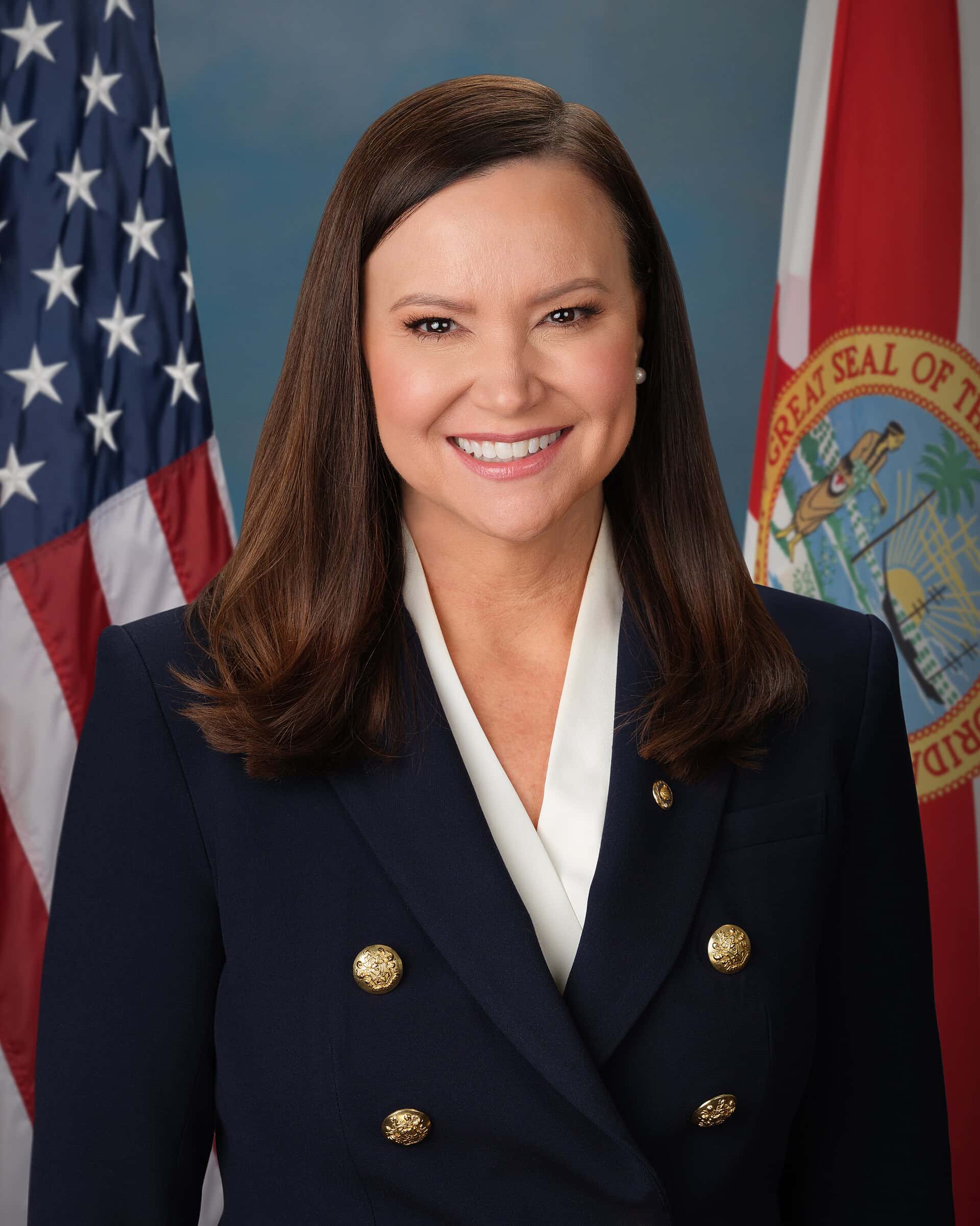
Florida's public and private universities are now one House vote away from a national rulebook for college athletics after the U.S. Senate passed the Protect College Sports Act 77-22 on Monday, Sept. 28, with an amendment from Florida Sen. Ashley Moody that raises the cap on athletic conference membership from 19 schools to 20. Moody's office said the change was backed by the University of Miami, Florida State University and the University of South Florida, three programs with a direct stake in how the major conferences can grow.
The bill, championed by Sen. Ted Cruz of Texas and Sen. Maria Cantwell of Washington, is the first sweeping federal legislation governing college athletics to clear either chamber of Congress. It would give the NCAA an antitrust exemption to enforce limits on athlete pay, bar athletes from being classified as employees, cap name, image and likeness payments and agent fees, and limit how much schools can spend on athletes each year, according to summaries of the bill published after the vote.
For Florida, home to programs in the Southeastern Conference, the Atlantic Coast Conference, the Big 12 and several other leagues, the outcome in the House will shape recruiting budgets, conference realignment and the financial planning of athletic departments from Gainesville to Tallahassee to Coral Gables.
What the Senate passed
The Senate approved the bill after nearly six hours of debate and consideration of seven floor amendments, according to the Senate Commerce Committee, which Cruz chairs. The 77-22 margin reflected unusual bipartisan agreement on a subject that has divided lawmakers for years, as courts dismantled the NCAA's old amateurism rules and states passed their own name, image and likeness laws.
At the center of the bill is an antitrust exemption for the NCAA and its conferences. Summaries from ESPN, The Hill and Sportico describe the exemption as designed to let the association enforce a cap on how much teams can pay their athletes, along with other eligibility and competition rules that have been repeatedly challenged in court in recent years.
The bill also includes a prohibition on classifying college athletes as employees, a central demand of the NCAA and many university presidents, who have argued that employee status would upend scholarship models and Title IX compliance. Athletes' advocates and labor groups have opposed that provision, arguing that it locks in limits on athlete bargaining power.
Other provisions, as described in published summaries, cap the amount athletes can be paid for their name, image and likeness, limit agent fees to 5 percent, and limit school spending on athletes to $50 million a year. The bill also includes long-term scholarship guarantees that allow athletes to return to finish degrees for up to 10 years after their eligibility ends, and permits athletes to transfer once without sitting out a season.
Moody's amendment and Florida schools
Moody took to the Senate floor to offer an amendment lifting the bill's cap on conference membership from 19 to 20 schools. The amendment passed by voice vote and was included in the final legislation, according to her office. Moody then voted for the bill on final passage.
In a release after the vote, Moody's office framed the amendment as a defense of Florida universities and said Miami, Florida State and USF had supported the effort. A hard cap on conference size matters because realignment has repeatedly reshaped where Florida schools play. The ACC, home to Miami and Florida State, expanded to include Stanford, California and SMU in 2024. USF, which plays in the American Athletic Conference, has made no secret of its ambitions to join a power conference as it builds an on-campus football stadium in Tampa.
A one-school difference in the cap may sound modest, but conference commissioners and university leaders weigh realignment decisions years in advance, and a federal ceiling written into law would be far harder to change than a conference bylaw. Raising the cap to 20 preserves room for a league to add another member without running into the statutory limit.
Moody, appointed to the Senate in January 2025 to fill the seat vacated by Secretary of State Marco Rubio, is on the ballot in November in a special election for the remainder of the term. The college sports vote gave her a high-profile legislative win with a clear Florida connection in the final stretch of that campaign.
What it could mean for Florida athletic departments
Florida has one of the most diverse collections of college athletic programs in the country. The University of Florida competes in the SEC. Florida State and Miami are in the ACC. UCF plays in the Big 12. USF and Florida Atlantic are members of the American Athletic Conference, and Florida International plays in Conference USA. Florida A&M and Bethune-Cookman compete in the Southwestern Athletic Conference, and schools such as Florida Gulf Coast, Jacksonville, North Florida and Stetson compete at the Division I level outside the Football Bowl Subdivision.
A $50 million annual cap on spending on athletes would be far above what most of those schools spend, but it would be a meaningful limit for the wealthiest programs, which since the House v. NCAA settlement have begun sharing revenue directly with athletes. Athletic directors at power-conference schools have said publicly that the new financial model has strained budgets and forced cuts or reorganization in other areas.
Caps on name, image and likeness payments and agent fees would also affect the booster collectives that have become central to recruiting at Florida schools. Collectives tied to programs across the state have raised money from donors to pay athletes for endorsements and appearances, and a federal cap would put a ceiling on what those arrangements can offer, depending on how the final rules are written and enforced.
The ban on employee status would end, at least under federal law, the debate over whether Florida athletes could be treated like workers. Supporters argue that the clarity will protect scholarships and smaller sports. Opponents argue that it shifts power back to institutions just as athletes were gaining leverage.
The state law question
Florida was among the first states to adopt a name, image and likeness law, passing legislation in 2020 that took effect in 2021, and lawmakers later amended it to give schools more flexibility to help athletes find deals. The Protect College Sports Act is intended to set national rules for college athletics, which supporters have long argued is necessary to replace the patchwork of state laws that schools say makes it impossible to run a fair national competition.
How the federal bill interacts with Florida's statute will depend on the final text that emerges from the House and any conference negotiations. University counsel offices across the state are expected to review the Senate-passed language closely, particularly provisions that govern how schools can be involved in arranging deals for athletes.
The bill would also affect how athletes, schools and the NCAA handle disputes. An antitrust exemption would limit lawsuits that have reshaped college sports in recent years, including the litigation that produced the House settlement. Critics argue that Congress should not shield the NCAA from antitrust law; supporters argue that without some protection, every rule becomes a target for litigation.
Reaction and the politics
President Donald Trump praised the Senate's passage of the bill, according to The Hill, adding White House support to a measure that still faces uncertainty in the House. Senate supporters from both parties described the vote as a landmark, while the 22 senators who voted no included lawmakers who raised concerns about the antitrust exemption and the employee-status ban.
Athlete advocacy groups have argued that the bill gives the NCAA and conferences too much control, and some labor organizations have opposed the employee-status prohibition. University presidents and conference commissioners, by contrast, have spent years lobbying Congress for exactly this kind of federal framework.
In Florida, where college football is a statewide preoccupation and where several programs sit at the intersection of realignment and new revenue-sharing obligations, the bill's fate will be watched closely by boosters, administrators and athletes alike.
The House picture
The bill now moves to the House of Representatives, where it is expected to face more pushback and potential amendments, according to coverage from ESPN and CBS Sports. The House has considered its own college sports legislation, known as the SCORE Act, and House leaders will need to decide whether to take up the Senate bill, amend it, or negotiate a compromise.
Florida's 28-member House delegation will play a role in that debate. Several members represent districts that include major universities, among them Gainesville, Tallahassee, Tampa, Orlando, Boca Raton and Miami-Dade County. Any House changes would require the Senate to vote again or a conference agreement to reconcile the two chambers' versions.
The calendar is tight. Congress is operating under a stopgap spending law that runs through Dec. 11, and lawmakers are scheduled to spend much of October campaigning ahead of the Nov. 3 midterm elections. That leaves a narrow window in a lame-duck session for the House to act this year.
What's next
House leaders have not announced a date for floor action on the Senate-passed Protect College Sports Act. Watch for statements from the House Energy and Commerce and Education and Workforce committees, which have jurisdiction over college sports legislation, and for any signal from House leadership on whether the chamber will take up the Senate bill as written.
Florida universities, including Miami, Florida State and USF, which supported Moody's amendment, are expected to continue lobbying to keep the 20-school conference cap in any final version. Athletic departments across the state will also be studying the spending cap, NIL limits and transfer rules as they plan budgets for the 2027 recruiting cycle.
If Congress does not finish the bill before the current session ends in January, the legislation would have to be reintroduced and passed again in the new Congress, a prospect that supporters are eager to avoid after reaching a Senate deal that took months to negotiate.
Spotted an issue with this article?
Have something to say about this story?
Write a letter to the editorComments
No comments yet. Be the first to weigh in.
Related Coverage

UN Security Council Extends Haiti Gang Suppression Force Through March 2027 as Florida Diaspora Watches
2m ago
Rick Scott Renews Push to Send ACA Subsidies to Consumers as Florida Reels From Coverage Losses
2h ago

New Treasury Cuba Sanctions Rules Take Effect, Ending Group and Educational Travel Licenses
4h ago

NASA and SpaceX Target Thursday Crew-13 Launch From Cape Canaveral After Dragon Leak Delay
4h ago