September Deadline Looms for Flood Insurance Program That Millions of Floridians Depend On
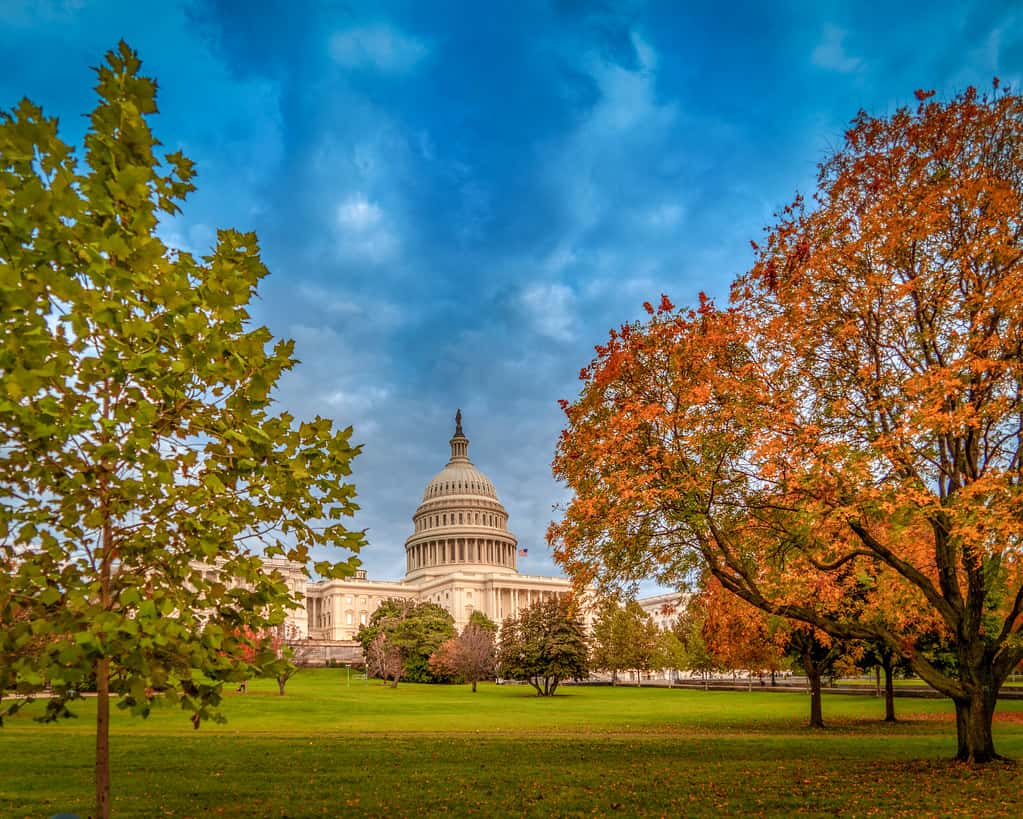
A federal program that underpins flood insurance for millions of property owners is set to expire on September 30, 2026, unless Congress acts to reauthorize it, and Florida, as the program's largest market, has more at stake than any other state. The National Flood Insurance Program, administered by the Federal Emergency Management Agency, provides the flood coverage that standard homeowners policies exclude, and its authorization runs only through the end of September after lawmakers extended it earlier in the year.
The looming deadline creates uncertainty for a Florida real estate market in which flood insurance is often a prerequisite for closing a home sale. If Congress fails to reauthorize the program by the deadline, the authority to issue new flood insurance contracts would lapse, halting the sale of new policies even as existing ones remain in force until they expire. For a state where flood risk is pervasive and where the program is deeply woven into property transactions, the consequences of a lapse could be significant.
The reauthorization question is a recurring one, as the program operates under temporary authorizations that Congress must periodically renew. Past lapses and last-minute extensions have created repeated episodes of uncertainty for property owners, buyers, and the real estate industry. With the next deadline approaching, attention turns to whether lawmakers will act in time and to the broader debate over reforming a program that faces long-standing financial and structural challenges.
The deadline and what a lapse would mean
The National Flood Insurance Program's current authorization extends through September 30, 2026, following legislation that extended it earlier in the year. Congress must reauthorize the program by the deadline to maintain its authority to issue new flood insurance contracts. If lawmakers do not act, that authority would lapse, with consequences that fall most heavily on the property transactions that depend on new policies.
A lapse would not immediately cancel existing flood insurance policies, which would continue until the end of their terms. The primary effect would be on the issuance of new policies, which would stop during a lapse. That distinction matters because the most acute impact would fall on people trying to buy property or to obtain new coverage, rather than on those who already hold active policies. Even so, the disruption to new transactions could be substantial.
The real estate industry has warned that a lapse could disrupt property sales on a significant scale, because flood insurance is frequently required to complete a transaction in flood-prone areas. National estimates have suggested that a lapse could affect a large number of property sales each day, translating into tens of thousands of closings each month nationwide. Florida, with its extensive participation in the program, would bear a disproportionate share of that disruption.
Why Florida has the most at stake
Florida is the largest market for the National Flood Insurance Program, reflecting the state's extensive exposure to flood risk and the prevalence of flood insurance among its property owners. The state's low-lying geography, lengthy coastline, and vulnerability to hurricanes and heavy rainfall make flooding a pervasive concern, and the program is the primary source of flood coverage for many Florida properties. That reliance means a lapse would hit the state especially hard.
Flood insurance is often a requirement for obtaining a mortgage on a property in a designated flood zone, and many Florida properties fall within such zones. Lenders typically require flood coverage as a condition of financing in these areas, which makes the availability of new policies essential to completing home purchases. A lapse that halted new policies would therefore interfere with the ability of buyers to secure financing and close on properties.
The importance of flood insurance to Florida's real estate market means that uncertainty around the program's authorization reverberates through the broader economy. Real estate transactions support a wide range of activity, and disruptions to the market affect not just buyers and sellers but the many businesses and workers connected to real estate. Florida's exposure to the program's fate is thus both a matter of individual property owners and of the state's economic activity.
The Florida flood risk context
Florida's vulnerability to flooding stems from its geography and climate. Much of the state sits at low elevation, and its extensive coastline exposes it to storm surge from hurricanes and tropical systems. Heavy rainfall, common in the state's subtropical climate, can produce inland flooding as well. The combination of these factors makes flood risk a defining feature of property ownership in much of Florida.
The state's exposure has been heightened by patterns of development in flood-prone areas and by concerns about rising sea levels and changing weather patterns. As communities have grown in low-lying and coastal areas, more property and more people have come into harm's way. The reliance on the federal flood insurance program reflects the scale of the risk and the limited availability of flood coverage from private insurers in many cases.
Flood damage is among the most costly and common natural disasters, and the federal program exists in part because private insurers have historically been reluctant to offer flood coverage at affordable rates given the risk. The program's role as the primary provider of flood insurance for many properties underscores its importance to Florida, where the need for such coverage is acute. The program's continued operation is therefore a matter of significant consequence for the state.
The reform debate
Beyond the immediate reauthorization deadline, the National Flood Insurance Program faces long-standing debates over its financial condition and structure. The program has accumulated significant debt, in part because the premiums it charges have not always covered the cost of the claims it pays, particularly after major flooding events. Those financial challenges have fueled discussion about how to reform the program to put it on a more sustainable footing.
Reform proposals have included measures to cap annual premium increases, to incorporate affordability provisions for lower- and middle-income policyholders, to increase investment in flood mitigation, and to enhance transparency around the program's risk rating methods. The introduction of new approaches to setting premiums based on individual property risk has been a particular source of attention, as it has changed the costs facing some policyholders. The reform debate touches on the balance between financial sustainability and affordability.
For Florida, the reform debate is consequential because the state's property owners are among the most affected by the program's premiums and policies. Changes to how the program prices risk, caps increases, or invests in mitigation would have direct effects on Florida homeowners. The state's stake in the program extends not only to its continued authorization but to the terms under which it operates, making the broader reform discussion important to Floridians.
What it means for Floridians
For Florida property owners who hold flood insurance, the immediate question is whether the program will be reauthorized before the deadline, ensuring continuity in their coverage and the availability of new policies. Existing policyholders would see their current coverage continue during a lapse, but the inability to obtain new policies would affect those seeking coverage for the first time or in connection with a property purchase. The uncertainty surrounding the deadline is itself a source of concern.
For Floridians buying or selling property, the program's status is particularly significant because flood insurance is often required to complete a transaction. A lapse that halted new policies could complicate or delay closings, affecting buyers, sellers, and the real estate professionals who facilitate transactions. The timing of the deadline, falling during a period of active real estate activity and the heart of hurricane season, adds to the stakes.
The broader implications for Florida's economy and housing market mean that the program's fate matters even to those not directly involved in a transaction. Disruptions to the real estate market ripple outward, and the program's role in enabling property sales connects it to the economic activity that real estate supports. The reauthorization question is thus a matter of wide consequence for the state.
What's next
Attention will focus on whether Congress acts to reauthorize the program before the September 30 deadline, a question that has produced repeated episodes of uncertainty in the past. Lawmakers have at times extended the program at the last minute or allowed brief lapses before restoring authorization. The pattern of temporary extensions means that the program's status often remains in doubt until close to the deadline.
The reauthorization process may also intersect with the broader debate over reforming the program, as lawmakers weigh whether to pair a renewal with changes to the program's structure and finances. Reform proposals addressing premiums, affordability, mitigation, and transparency could feature in the discussion. How Congress balances the immediate need to maintain the program against the longer-term questions of reform will shape the outcome.
For Florida, the months leading to the deadline will be a period of watching and waiting as the state's significant stake in the program hangs on congressional action. Property owners, buyers, sellers, and the real estate industry have an interest in a timely reauthorization that maintains the availability of flood coverage. The program's importance to a state defined by its flood risk ensures that the deadline will be closely followed across Florida.
Spotted an issue with this article?
Have something to say about this story?
Write a letter to the editor