SpaceX Tests New Reentry Capsule From Cape Canaveral as Florida's Launch Cadence Accelerates
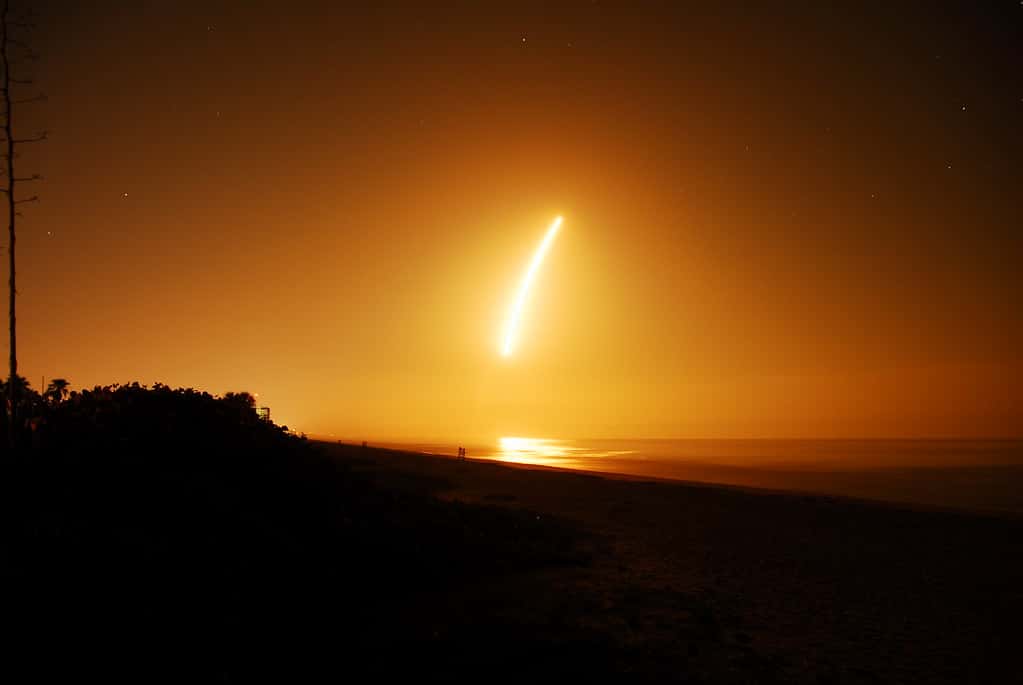
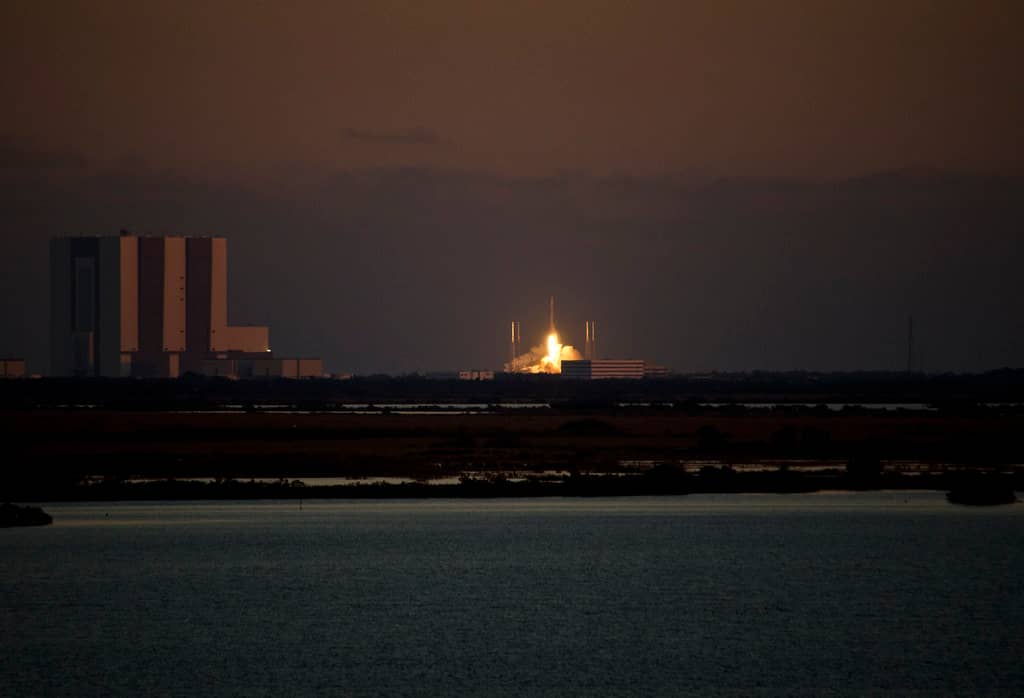
SpaceX launched a Falcon 9 rocket carrying a demonstration of its new uncrewed reentry capsule, named Starfall, from Cape Canaveral Space Force Station on June 23, 2026. The mission, lifting off from Space Launch Complex 40, marked another milestone in SpaceX's rapid pace of launches from Florida's Space Coast and showcased the company's continued development of new spacecraft technologies. The Starfall demonstration is aimed at advancing capabilities for returning payloads from orbit, a capacity with significant implications for the future of spaceflight.
The launch is the latest entry in a relentless cadence of missions flying out of Florida, where SpaceX and other operators have turned the Space Coast into the busiest launch region in the country. The drumbeat of Falcon 9 flights, carrying Starlink satellites, government payloads, commercial missions, and now technology demonstrations like Starfall, has made rocket launches a routine feature of life along Florida's Atlantic coast. Each mission reinforces the state's central role in the new era of commercial spaceflight.
For Florida, the surge in launch activity has translated into economic growth, job creation, and a renewed identity as the heart of American spaceflight. The Space Coast, anchored by Cape Canaveral Space Force Station and NASA's Kennedy Space Center, has experienced a resurgence driven by the commercial space industry, and missions like the Starfall demonstration are part of the activity fueling that revival. The state's investment in its space sector continues to pay dividends.
The Starfall demonstration
The Starfall mission carried a demonstration of SpaceX's new uncrewed reentry capsule, a spacecraft designed to test capabilities related to returning from orbit. Reentry technology is a critical component of spaceflight, governing how payloads and eventually crews can be safely brought back through the atmosphere to Earth. A demonstration mission allows the company to test the systems and validate the design in actual flight conditions before applying the technology to operational missions.
Technology demonstration flights play an important role in the development of new spacecraft, providing real-world data that cannot be fully replicated in ground testing. By flying the Starfall capsule, SpaceX gains insight into how the spacecraft performs during the demanding conditions of launch and the return through the atmosphere. The results inform refinements to the design and advance the technology toward operational readiness.
The development of reusable and recoverable spacecraft has been a central theme of SpaceX's approach to spaceflight, and a reentry capsule fits within that broader emphasis on capabilities that reduce cost and expand what is possible in orbit. The ability to return payloads from space opens possibilities for applications ranging from research to manufacturing in orbit, and the Starfall demonstration represents a step in developing that capability. The mission reflects the company's continued push to advance the frontiers of spaceflight technology.
Florida's launch surge
The Starfall launch is one of many missions flying out of Cape Canaveral, where SpaceX maintains an extraordinary cadence of flights. Earlier in June, the company launched a batch of Starlink satellites from the same region, part of the steady stream of missions that build out its broadband satellite constellation. The frequency of launches from Florida has reached levels that would have seemed extraordinary not long ago, transforming the Space Coast into a hub of near-constant activity.
The volume of launches reflects the growth of the commercial space industry and SpaceX's dominant position within it. The company's reusable rockets, which return to be flown again, have lowered the cost of access to space and enabled a launch rate that supports its satellite constellation and a wide range of customers. Florida's spaceports, with their established infrastructure and favorable launch geography, are the primary base for much of this activity.
The Space Coast's geography makes it well suited for launches, with the Atlantic Ocean providing a clear path for rockets heading to orbit and the established facilities of Cape Canaveral and Kennedy Space Center supporting the operations. The concentration of launch infrastructure in a single region has allowed Florida to capture a large share of the nation's space activity. As the launch rate continues to climb, the state's prominence in the industry grows correspondingly.
The economic impact for Florida
The growth of the space industry has been a significant economic boon for Florida, particularly for the Space Coast region of Brevard County and the surrounding area. The industry supports a wide range of jobs, from engineers and technicians to the many roles in the supporting businesses that serve the launch operations. The resurgence of spaceflight activity has revitalized a region that experienced difficult times after the end of the Space Shuttle program.
The Space Coast's economy is closely tied to the fortunes of the space industry, and the current boom has brought renewed prosperity. The activity at the spaceports generates economic ripples through the region, supporting housing, retail, and services as the industry workforce grows. Florida has actively cultivated its space sector, recognizing the economic value of being the nation's primary launch hub and working to attract and retain space companies.
Beyond the immediate region, the space industry contributes to Florida's broader economy and to its identity as a center of high-technology activity. The presence of leading space companies and the constant launch activity reinforce the state's position in an industry that is expanding rapidly. The economic benefits extend to tourism as well, with launches drawing spectators to the Space Coast to witness the spectacle of rockets lifting off.
The national space context
The activity at Cape Canaveral is part of a broader transformation in American spaceflight, characterized by the rise of commercial companies and a dramatically increased pace of launches. SpaceX has been at the forefront of this shift, but it operates within an ecosystem that includes other commercial providers, NASA, and the Space Force, all of which have a presence on Florida's Space Coast. The collaboration and competition among these entities drive the industry forward.
The commercial space era has changed how the nation approaches access to orbit, with private companies taking on roles that were once the exclusive domain of government agencies. SpaceX's reusable rockets and frequent launches exemplify this new model, in which commercial efficiency has lowered costs and increased the tempo of activity. Technology demonstrations like Starfall reflect the continued innovation that characterizes the commercial space sector.
Florida's central role in this national enterprise gives the state a stake in the direction of American spaceflight. As the primary base for launch activity, Florida hosts the missions that advance the nation's capabilities in space, from satellite deployments to crewed missions to technology demonstrations. The state's spaceports are where much of the future of American spaceflight is being built, mission by mission.
What it means for Floridians
For residents of the Space Coast and the broader region, the launch activity is both an economic engine and a part of daily life. Rocket launches have become regular events, visible across a wide area and woven into the rhythm of the community. The industry's growth has brought jobs and investment, and the constant activity at the spaceports is a source of regional pride and identity.
The economic benefits of the space industry extend opportunities to Floridians in technical and supporting fields, and the sector's growth has implications for education and workforce development in the state. Florida's universities and training programs feed talent into the industry, and the demand for skilled workers creates pathways into well-paying careers. The space sector's expansion thus connects to broader efforts to build a high-technology economy in the state.
For Floridians beyond the Space Coast, the state's prominence in spaceflight is a point of distinction and a contributor to its economy and reputation. The launches that lift off from Cape Canaveral place Florida at the center of one of the most dynamic industries of the era, and the activity reinforces the state's identity as a place where the future of space is being shaped. The Starfall demonstration is one thread in that larger story.
What's next
SpaceX's relentless launch schedule will continue, with additional Falcon 9 missions and other flights planned from Cape Canaveral in the weeks and months ahead. The cadence of launches shows no sign of slowing, and the Space Coast will remain the busiest launch region in the country. Each mission adds to the body of activity that has made Florida synonymous with spaceflight in the commercial era.
The Starfall capsule demonstration will yield data that informs the further development of the technology, and the results will shape how SpaceX advances its reentry capabilities. Technology demonstrations are steps in a longer development process, and the lessons from the Starfall flight will feed into the company's broader efforts. The progress of such programs reflects the continued innovation driving the space industry forward.
For Florida, the future of the space sector looks bright, with sustained launch activity, ongoing investment, and the state's established position as the nation's primary spaceport. The economic and cultural significance of the industry to the Space Coast and to the broader state ensures that spaceflight will remain a defining feature of Florida's landscape. The launches lifting off from Cape Canaveral, including the Starfall demonstration, are part of an enterprise that continues to grow and to shape the state's future.
Spotted an issue with this article?
Have something to say about this story?
Write a letter to the editor