FWC Says Northeast Florida Bloom Was Not Red Tide After Lab Analysis
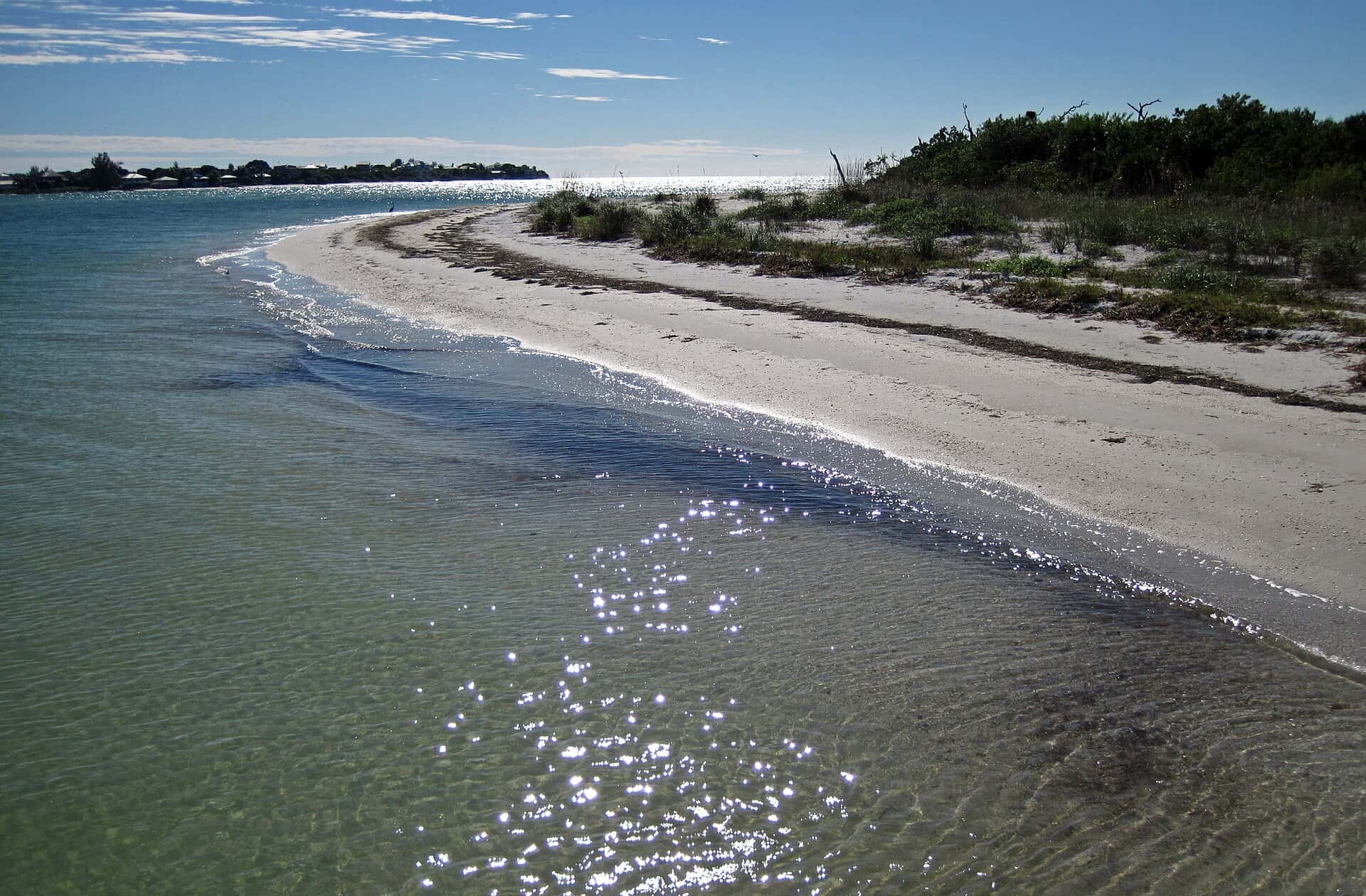
The Florida Fish and Wildlife Conservation Commission has corrected the record on an algae bloom observed off Northeast Florida in recent weeks, reporting that genetic and toxin analyses identified the organism as Karenia papilionacea rather than Karenia brevis, the species that causes Florida red tide. The agency updated its statewide status report with the corrected information on September 2.
The distinction is consequential. Karenia papilionacea produces substantially less toxin than Karenia brevis, if any at all, and the commission reported that no brevetoxins were detected in Northeast Florida counties during the bloom. Brevetoxins are the compounds responsible for the respiratory irritation, fish kills, and marine mammal deaths associated with red tide events.
Elsewhere in the state, the commission reported that Karenia brevis was observed at background concentrations in a single sample from Northwest Florida, and that respiratory irritation suspected to be related to red tide was not reported anywhere in the state over the reporting week.
Why species identification matters
Several members of the Karenia genus occur in Gulf and Atlantic waters, and they can be difficult to distinguish under a microscope. Cell shape and size overlap enough that visual identification alone can produce errors, which is why the commission's laboratories run genetic analysis and toxin assays on samples from significant blooms.
The public health implications diverge sharply between species. A Karenia brevis bloom at high concentration produces aerosolized toxins that cause coughing, throat irritation, and difficulty breathing for people near the shoreline, with the most severe effects among people with asthma and other chronic respiratory conditions.
A bloom of a low-toxin or non-toxin species may produce discolored water and may still affect dissolved oxygen levels if it is dense enough, but it does not carry the same respiratory hazard. Issuing a red tide warning for the wrong organism erodes public trust in the warnings that matter, which is why the correction was published.
How Florida monitors blooms
The commission's Fish and Wildlife Research Institute in St. Petersburg operates the state's harmful algal bloom monitoring program, combining routine sampling, reports from partner agencies and volunteers, satellite imagery, and laboratory analysis.
Water samples are collected at fixed monitoring stations and in response to reports of discolored water, fish kills, or respiratory irritation. Samples are analyzed for cell counts, which are then reported in categories running from not present through background, very low, low, medium, and high concentrations.
Satellite imagery provides broader spatial coverage but cannot identify species. It detects chlorophyll signatures and water color anomalies that indicate a bloom of something, which then directs sampling effort. The combination of remote sensing for detection and laboratory work for identification is what makes the system function.
What red tide does when it occurs
Karenia brevis blooms are a recurring feature of the Gulf coast, particularly off Southwest Florida, where conditions favor their development and persistence. They are naturally occurring, documented in Spanish accounts from the sixteenth century, but their intensity and duration can be affected by nutrient inputs from land.
The effects during a significant bloom are severe and multi-dimensional. Fish kills wash ashore in quantities that require municipal cleanup operations. Respiratory irritation affects beachgoers and coastal residents. Marine mammals, including manatees and dolphins, can be poisoned through the food web.
Manatees are particularly vulnerable because brevetoxins can cause seizures that lead to drowning. Documented manatee die-offs attributed to red tide have occurred repeatedly since record-keeping began, with major events in 1996, 2003, 2005, 2013, 2018, and 2021 among others.
The economic effects are equally real. Coastal tourism economies in Southwest Florida have absorbed severe losses during extended bloom events, with hotel cancellations, restaurant closures, and charter fishing shutdowns concentrated in the same weeks that would normally carry peak revenue.
The nutrient question
Whether and how much human activity intensifies red tide has been one of the more contested questions in Florida environmental science. Blooms initiate offshore in nutrient-poor water, which argues against a purely land-based cause. But blooms that move inshore encounter nutrient-rich coastal water, and there is evidence that this can extend and intensify them.
Nutrient sources along Florida's coast include agricultural runoff, septic systems, stormwater, and treated wastewater discharge. Lake Okeechobee releases through the Caloosahatchee River deliver nutrient loads to the Southwest coast during high-water periods, which is one of the reasons Everglades restoration and red tide are frequently discussed together.
Research efforts in recent years have focused on both improved forecasting and on mitigation technologies, and Florida has funded work through university partnerships and dedicated state programs. The consensus remains that blooms cannot be prevented outright, which makes early detection and accurate public information the practical tools available.
What residents and visitors should know
The commission publishes a statewide red tide status report that is updated regularly and broken out by region and by sampling location. That report, not secondhand accounts or social media, is the authoritative source on current conditions.
County health departments issue their own advisories when conditions warrant, and several coastal counties maintain beach condition reporting systems that combine red tide status with bacteria testing results and general water conditions.
People with asthma, chronic obstructive pulmonary disease, or other chronic respiratory conditions should check status before visiting a beach during bloom season, and should be aware that onshore winds carry aerosolized toxins inland from the water line. Symptoms typically resolve after leaving the area.
Fish caught during a red tide event should not be eaten if the fish was found dead or distressed. Shellfish harvesting areas are closed by the Florida Department of Agriculture and Consumer Services when conditions require, and those closures should be observed, because shellfish concentrate toxins and cause a distinct illness.
The other blooms Florida tracks
Red tide is the most publicized harmful algal bloom in Florida, but it is not the only one, and the distinctions matter for both health guidance and geography.
Blue-green algae, more precisely cyanobacteria, blooms in fresh water rather than salt water. Lake Okeechobee, the St. Lucie and Caloosahatchee rivers, and various inland lakes have experienced severe cyanobacteria blooms, some producing microcystin, a liver toxin that poses risks through contact and ingestion.
Because cyanobacteria and red tide occur in different water types, they are monitored by different programs and generate different advisories. The Florida Department of Environmental Protection handles freshwater algal bloom sampling, while the Fish and Wildlife Conservation Commission handles marine harmful algal blooms.
Occasionally the two overlap in public perception, particularly on the Southwest coast, where nutrient-rich freshwater discharges from Lake Okeechobee reach the Gulf through the Caloosahatchee. Residents experiencing both a freshwater bloom upstream and a marine bloom offshore in the same summer reasonably see one problem, though the science treats them separately.
Economic stakes on the Gulf coast
The financial consequences of an extended red tide event fall heavily on a specific stretch of Florida, and they arrive fast.
Southwest Florida's coastal economy runs on visitors who come for beaches and fishing. A bloom that produces fish kills and respiratory irritation eliminates both simultaneously, and the timing of blooms has frequently coincided with the winter season when the region earns the largest share of its annual revenue.
Hotel cancellations begin as soon as images circulate. Charter fishing operations cancel trips. Restaurants that depend on visitor traffic reduce staff hours. Commercial fishing and shellfish harvesting stop when closures are imposed.
Recovery lags the bloom itself. Visitors who cancel a trip do not automatically rebook once conditions clear, and the reputational effect of a widely covered event persists into the following season. That lag is why regional tourism organizations invest heavily in communicating current conditions accurately, including when conditions are good.
How the public can help monitoring
Florida's harmful algal bloom surveillance depends substantially on reports from people who are on the water, because the state's coastline is far too long for any agency to sample comprehensively.
The commission maintains reporting channels for the public to describe discolored water, fish kills, and respiratory irritation, and those reports direct sampling effort. A report from a charter captain who notices dead fish on a stretch of coast can be the first indication of a developing bloom.
Volunteer sampling programs supplement this. Trained volunteers collect water samples at fixed locations on a regular schedule, which produces a baseline that makes anomalies easier to detect. Those programs operate through partnerships with universities, county governments, and nonprofit organizations.
Beach condition reporting systems in several counties combine agency data with lifeguard and staff observations, giving visitors a practical picture of what to expect at a specific beach on a specific day.
The value of all of it depends on people using the official sources rather than secondhand accounts. A photograph of discolored water circulating online tells you nothing about what organism is present, whether toxins are involved, or whether the condition persists. Only the laboratory data answers those questions, and the correction issued for the Northeast Florida bloom is a direct illustration of why.
What's next
The commission will continue its routine sampling and will update the statewide status report as conditions change. Fall is a period when Gulf coast blooms have historically initiated or intensified, and monitoring effort reflects that.
For Northeast Florida specifically, the identification of the bloom organism as a low-toxin species removes the immediate public health concern, though the commission has continued monitoring the area. Discolored water can persist after the underlying bloom subsides.
The broader lesson from the correction is worth holding onto. Early reports of a bloom describe what is visible, and what is visible does not identify a species. Laboratory confirmation takes time, and in this instance the confirmation produced a considerably better answer than the initial assumption.
Spotted an issue with this article?
Have something to say about this story?
Write us a letterComments
No comments yet. Be the first to weigh in.
Related Coverage

Residents Sue Miami-Dade to Force a Public Vote on Superyacht Marina at Former Miami Seaquarium
20h ago

Florida Panther Deaths Reach 14 in 2026 as Two Young Females Die on Collier and Hendry Roads
4d ago

71-Year-Old Man Killed by Nearly 12-Foot Alligator While Fishing at Winter Garden Park
6d ago

Extreme Drought Vanishes From Florida Map After a Week of Rain
6d ago