Tampa Bay Lightning Eliminated by Canadiens in Seven-Game Thriller, Season Ends in First Round
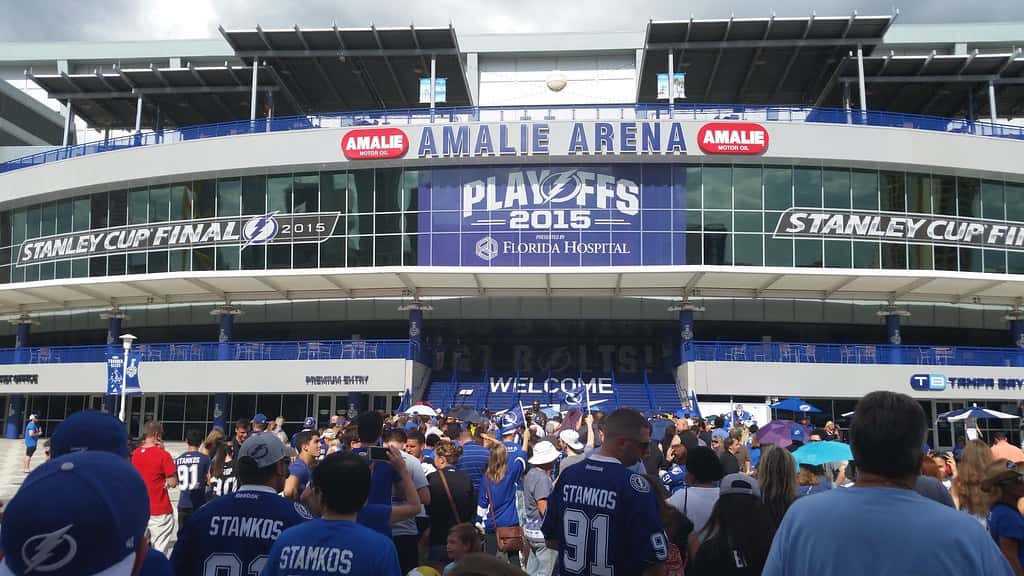
Lightning Season Ends in Stunning First-Round Exit
The Tampa Bay Lightning, who entered the 2026 Stanley Cup Playoffs as the No. 2 seed in the Eastern Conference and one of the presumed contenders to make a deep postseason run, were eliminated in the first round by the Montreal Canadiens. Game 7 was played May 3, 2026, with Montreal claiming a 2-1 victory to win the series four games to three. The loss ended a Tampa Bay season that carried high expectations and leaves a franchise that has defined NHL excellence for much of the past decade searching for answers heading into the offseason.
The final margin was a single goal, consistent with every other game in the series. All seven contests were decided by one goal, a development that underscored how closely matched the two clubs were despite the seeding gap. It marked the first time in a seven-game playoff series since 2015 that every game was decided by a single goal, a statistical rarity that captured the grinding, defensive nature of the matchup from the opening puck drop through the final horn of Game 7.
For Tampa Bay fans who watched the Lightning advance to three Stanley Cup Finals and win back-to-back championships in 2020 and 2021, the exit represented a sharp and painful reminder that postseason hockey respects neither reputation nor regular-season records once the playoffs begin. The Canadiens, a younger and hungrier team, seized the moment when it mattered most.
Game 7 Breakdown: Montembeault Stands Tall
Game 7 unfolded as a tight defensive battle from the outset, matching the tone of the series as a whole. Montreal goaltender Sam Montembeault turned in a performance that will be remembered as one of the defining moments of his career, stopping 28 of the 29 shots he faced to secure the series victory. His positioning, his composure under sustained Tampa Bay pressure in the third period, and his ability to make crucial saves at critical moments defined the outcome as much as any goal scored.
Kaiden Guhle was the standout skater for the Canadiens, recording two assists in the deciding game and playing with the physicality and vision that Montreal's defensive corps has emphasized over the past two seasons of rebuilding. Guhle's ability to move the puck efficiently out of the defensive zone and contribute offensively on transitional plays gave Montreal the kind of balanced performance that postseason teams require from their blue-liners.
The Canadiens set an NHL record in Game 7, managing only nine shots on goal while still claiming victory. The record for fewest shots in a playoff win underscored the efficiency of Montreal's game plan: limit Tampa Bay's offensive zone time, absorb pressure, make the Lightning shoot from the perimeter, and capitalize on limited opportunities. The strategy demanded near-perfect execution and Montembeault delivered exactly that, turning aside everything Tampa Bay generated until the final buzzer confirmed Montreal's place in the second round.
A Series Defined by One Goal at a Time
The seven-game series between Tampa Bay and Montreal was defined by its relentless closeness. Not once across seven games did either team pull away to a multi-goal margin that felt safe. Every contest went down to the final minutes with the outcome in genuine doubt, producing a first-round series that rivaled anything the postseason has offered in terms of sustained tension and competitive intensity.
Tampa Bay won Games 1, 3, and 6 to stay alive on multiple occasions, forcing the decisive seventh game. Montreal won Games 2, 4, 5, and ultimately Game 7, demonstrating an ability to win the games that mattered most. The Lightning's failure to close out the series in Game 6, when they had a chance to end things on home ice, proved decisive. A win in that game would have spared them the pressure of a road trip to Montreal for a potential deciding contest, but instead the series returned to Tampa Bay for Game 7.
The fact that every game was decided by one goal placed enormous pressure on goaltending on both sides throughout the series. Both Montembeault and the Lightning's goaltender were tested repeatedly in high-leverage situations, and the margins were thin enough that any single save, any single redirect, any single turnover could have swung the series in either direction. That such a closely contested series produced a clear winner in seven games speaks to the unpredictability that makes postseason hockey compelling.
Historical Rivalry Context
The 2026 first-round series was the fifth postseason meeting between the Tampa Bay Lightning and the Montreal Canadiens in franchise history. Heading into the series, Tampa held a commanding 3-1 advantage in all-time playoff series against Montreal. The Canadiens' only prior series win came in the 2014 Conference Quarterfinals, a result that has stood as the lone exception to Tampa's dominance in the matchup until now.
The most prominent chapter in this rivalry before 2026 was the 2021 Stanley Cup Final, when the Lightning defeated the Canadiens to claim their second consecutive championship. That series, played in the bubble era's aftermath with fans gradually returning to arenas, cemented Tampa's status as a dynasty and reinforced the narrative that Montreal, for all its historic championship tradition, could not match the Lightning's modern-era depth and coaching.
The 2026 series rewrote that recent script in decisive fashion. Montreal's victory shifted the all-time playoff series record to 3-2 in Tampa's favor, narrowing what had been a comfortable advantage. More importantly, it broke a string of Tampa dominance in the matchup and suggested that the Canadiens have rebuilt to a level where they can compete with and defeat the best teams in the Eastern Conference.
Lightning Enter as No. 2 Seed, Exit with Questions
The circumstances of Tampa Bay's elimination carry particular weight because of how the Lightning entered the playoffs. As the No. 2 seed in the Eastern Conference, they had earned one of the best records in the conference during the regular season and were widely projected to advance well beyond the first round. The expectation in Tampa was not merely survival but a genuine run at the Stanley Cup Final, a goal the franchise has reached three times in the past six years.
Instead, the Lightning fell to a team seeded seventh in the Eastern Conference, a club that many analysts viewed as dangerous but still a round or two away from being a true championship contender. Montreal's success reflects the danger of dismissing teams built on youth, speed, and cohesion regardless of seeding. The Canadiens played without the weight of championship expectation and executed a disciplined game plan across seven games to pull off one of the more notable upsets of the 2026 postseason's opening round.
For Tampa Bay, the loss raises immediate questions about the team's construction and trajectory. The core players who carried the Lightning to their championship years are collectively older, and the margins in elite postseason hockey have narrowed. Coaching, depth, goaltending, and the ability to sustain playoff-level intensity across weeks of competition all factor into how teams advance, and the Lightning came up short in each of those dimensions against a Montreal team that outworked and outlasted them.
Offseason Evaluation Awaits
The Lightning organization now faces an offseason evaluation of considerable scope. Management will need to assess whether the current roster configuration, with its reliance on veterans who have carried the team through championship runs, is still capable of sustaining a playoff contender in the Eastern Conference. The salary cap implications of the team's existing commitments will also factor heavily into any decisions made about roster construction ahead of the 2026-27 season.
Coaching adjustments and lineup decisions during the series will also be subject to review. The inability to generate more than nine shots against in the decisive game, even from the opponent's perspective, reflects a Tampa Bay offense that was unable to create sustained pressure when it mattered most. Whether that reflects individual player limitations, systemic issues in the team's offensive structure, or simply the excellence of Montembeault on a given night will be a central question during the offseason.
Tampa Bay's fan base and ownership group are accustomed to a high standard of playoff performance after the successes of the past decade. An opening-round exit against a seventh-seeded opponent will accelerate conversations about what changes are necessary for the Lightning to remain among the Eastern Conference's elite contenders. Those conversations will begin immediately and will shape the decisions management makes between now and the start of training camp for the 2026-27 season.
Montreal Advances, Tampa Reflects
While the Lightning regroup, the Canadiens celebrate an upset victory that validates the direction of their rebuild. Montreal's front office has invested in speed, youth, and defensive structure over the past several seasons, and the reward is a second-round appearance built on one of the toughest possible draws: a seven-game series against the Eastern Conference's second seed in which every game was decided by one goal.
For Tampa Bay, the sting of elimination is familiar enough after years of deep playoff runs, but the context of this exit makes it sting more sharply. Losing in the first round as a No. 2 seed to a team running on youth and momentum represents a setback that demands a genuine response from the organization, not a minor adjustment at the margins. The Lightning built their reputation on making the right decisions at critical moments, and the next series of decisions, made in the quiet of an early summer rather than under playoff pressure, may prove just as important to the franchise's future as any of the championships that came before.
The 2026 postseason will continue without Tampa Bay, and the Lightning will watch the remainder of the Stanley Cup Playoffs as observers. For a franchise that has spent much of the past decade as a participant in the sport's most important games, that role will be an uncomfortable one. The work of returning to championship contention begins now.
Spotted an issue with this article?
Have something to say about this story?
Write us a letterComments
No comments yet. Be the first to weigh in.
Related Coverage
Rays await Guardians or White Sox in ALCS after sweeping Yankees; Game 1 Monday at Tropicana Field
22h ago

John Carlson scores twice, Dennis Hildeby makes 34 saves as Lightning hold off Wild 3-2
1d ago
Winless Dolphins host Bengals at Hard Rock Stadium seeking first win under Jeff Hafley
1d ago
Hurricane Isaias Scrambles Florida Sports: FSU Cancels Pensacola Games, FAMU Moves to Friday
1d ago