Ten Years After Pulse, Orlando Marks the Anniversary as a Permanent Memorial Finally Takes Shape
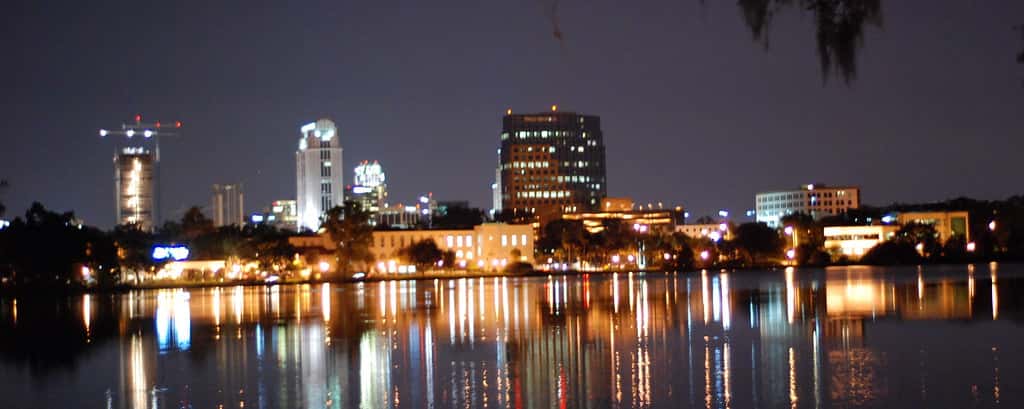
Orlando paused on June 12, 2026, to mark 10 years since a gunman opened fire inside the Pulse nightclub, killing 49 people and wounding more than 50 others in what remains one of the deadliest attacks on the LGBTQ community in American history. A decade later, survivors, victims' families, and a city that was forever changed gathered in remembrance even as the long and painful effort to build a permanent memorial finally moved toward construction.
A decade of mourning and resilience
In the early hours of June 12, 2016, what began as a celebratory night at the downtown Orlando club ended in horror. The 49 people killed were largely young, many of them Latino, and the attack landed with particular force on Central Florida's LGBTQ and Hispanic communities. The anniversary each year reopens those wounds while also reaffirming the bonds that formed in the aftermath.
To mark the 10th anniversary, Governor Ron DeSantis directed that flags at the Capitol and at state and local buildings be flown at half-staff on June 12 from sunup to sundown in remembrance of the victims. The gesture joined a series of remembrances across Orlando and beyond, where survivors and families have spent a decade carrying both grief and a determination that the dead not be forgotten.
Survivors have spoken in the run-up to the anniversary about how their lives have changed over 10 years, describing the long arc of physical recovery, mental health struggles, and the work of rebuilding. For many, the milestone is less a moment of closure than a marker of endurance, a measure of how far they have come and how much the loss still weighs.
The long road to a memorial
For years, the effort to create a permanent memorial at the Pulse site was marked by frustration. Plans were repeatedly delayed by escalating costs, the disruption of the COVID-19 pandemic, disorganization, and a breakdown of trust surrounding the now-defunct onePulse Foundation, the organization that had once led the memorial effort. The result was a decade in which the site stood as an interim memorial without the permanent tribute many had hoped to see.
That changed in 2026. The original building and site were demolished to make way for construction of a permanent memorial. Before the demolition, the Pulse sign was removed and preserved, and various items and artifacts from inside the building were taken out, with some intended to become part of the permanent memorial, including a portion of the club's dance floor.
According to plans for the project, construction of the permanent memorial is expected to begin in the fall of 2026, with an anticipated dedication and opening sometime in 2027. After years of false starts, the timeline offers families and survivors a concrete path toward a lasting place of remembrance.
What the site has meant to the community
In the absence of a finished memorial, the Pulse site itself became a gathering place, a destination for mourners, allies, and visitors who left flowers, messages, and tributes. The interim memorial absorbed a decade of grief and solidarity, becoming sacred ground for a community that refused to let the attack define it only by loss.
The demolition of the building was an emotional and contested step. For some, removing the structure where loved ones died was a necessary part of moving toward a dignified permanent tribute. For others, the physical building itself held meaning, and its loss marked another difficult passage in a long process of grieving.
The preservation of the sign and pieces of the dance floor reflects an effort to carry tangible fragments of the original space into the new memorial, linking what is built next to the place where the tragedy occurred. How those artifacts are incorporated will shape how future visitors connect with the history.
The broader impact on Florida
The Pulse attack reverberated far beyond Orlando, reshaping conversations in Florida and nationally about gun violence, hate, and the safety of LGBTQ spaces. It galvanized advocacy and activism, and it left a lasting imprint on how Central Florida understands itself, with the slogan of Orlando United becoming a rallying cry in the days and years after.
For Florida's Hispanic communities, the attack carried added resonance because so many of the victims were Latino, including many of Puerto Rican descent. The anniversary remains a moment of shared mourning that crosses the lines of identity that the gunman targeted, uniting communities in remembrance.
A decade on, the attack also stands as a reference point in ongoing debates over public safety and inclusion. The way the state and the city choose to memorialize Pulse, and the values that memorial embodies, will speak to how Florida remembers one of the darkest days in its history.
Honoring the 49
At the center of every remembrance are the 49 people who were killed, each with a name, a family, and a story. Anniversary observances have consistently emphasized reading those names aloud, a ritual that insists on individual humanity against the scale of the tragedy. The survivors and more than 50 wounded are remembered alongside them.
Families have spent 10 years keeping their loved ones' memories alive through scholarships, foundations, and public advocacy. Their persistence has been a driving force behind the memorial effort and behind the broader insistence that Pulse remain a place of remembrance rather than a footnote.
The 10th anniversary, falling at a moment when construction of the permanent memorial is finally on the horizon, blends grief with a measure of hope that the promise of a lasting tribute will at last be fulfilled.
A lasting imprint on policy and place
The Pulse attack left an imprint that extended beyond grief into the realms of policy and public life. It intensified national debates over gun violence, hate crimes, and the safety of LGBTQ spaces, debates that have continued in the decade since. The attack became a reference point in discussions about how to prevent mass shootings and protect vulnerable communities.
For Florida specifically, the tragedy reverberated through conversations about public safety and inclusion. The targeting of an LGBTQ venue, and the predominantly Latino identities of many victims, brought questions of identity, belonging, and protection to the forefront in a state with large and diverse communities.
The way the attack is memorialized carries its own significance. The decisions about how to honor the victims, what the permanent memorial will embody, and how the story is told to future generations reflect broader values about remembrance and meaning. The memorial under development will become a physical expression of those choices.
The site itself has taken on layered meaning over the decade, from the place of the tragedy to an interim gathering space and now to the location of a planned permanent tribute. Its transformation mirrors the community's journey from the immediate shock of the attack toward a lasting form of commemoration.
A decade on, the attack remains woven into Orlando's identity and into the broader national memory. The persistence of remembrance, year after year, reflects a collective determination that the 49 lives lost, and the impact on survivors and families, will not fade from public consciousness.
How the community marks the day
Each anniversary of the attack brings a series of observances across Orlando and beyond, centered on remembrance and community. Vigils, moments of silence, and the reading of the 49 victims' names have become traditions that insist on honoring each individual life lost rather than allowing the scale of the tragedy to blur them together.
Survivors and families have been at the heart of these gatherings, often sharing reflections on the decade since the attack and the long road of recovery. Their presence transforms the anniversary from a public commemoration into a deeply personal one, grounding the remembrance in the experiences of those most affected.
The broader community, including allies and supporters far from Central Florida, joins in the observances, reflecting the way the attack resonated nationally and internationally. The phrase Orlando United, which emerged in the aftermath, has continued to capture the spirit of solidarity that the city has sought to embody.
The 10th anniversary, with the permanent memorial finally moving toward construction, blends the rituals of remembrance with a measure of forward-looking hope. For a community that has marked this day for a decade, the prospect of a lasting tribute adds new meaning to the observances even as the grief endures.
What's next
With construction expected to begin in the fall of 2026 and a dedication anticipated in 2027, the coming months will bring the most visible progress in years toward a permanent Pulse memorial. The design, the incorporation of preserved artifacts, and the governance of the project will all be closely watched by a community that has endured repeated setbacks.
For survivors and families, the anniversary is both a return to a day of unimaginable loss and a step toward a future in which the 49 are honored in a permanent, public way. As Orlando looks ahead to the memorial's construction, the work of remembering continues, carried by those who lived through the attack and by a city determined that the names of the dead endure.
Spotted an issue with this article?
Have something to say about this story?
Write a letter to the editor