DeSantis Signs Florida's $117.6 Billion 2026-27 Budget With Tax Relief for Families, Schools, and Drivers
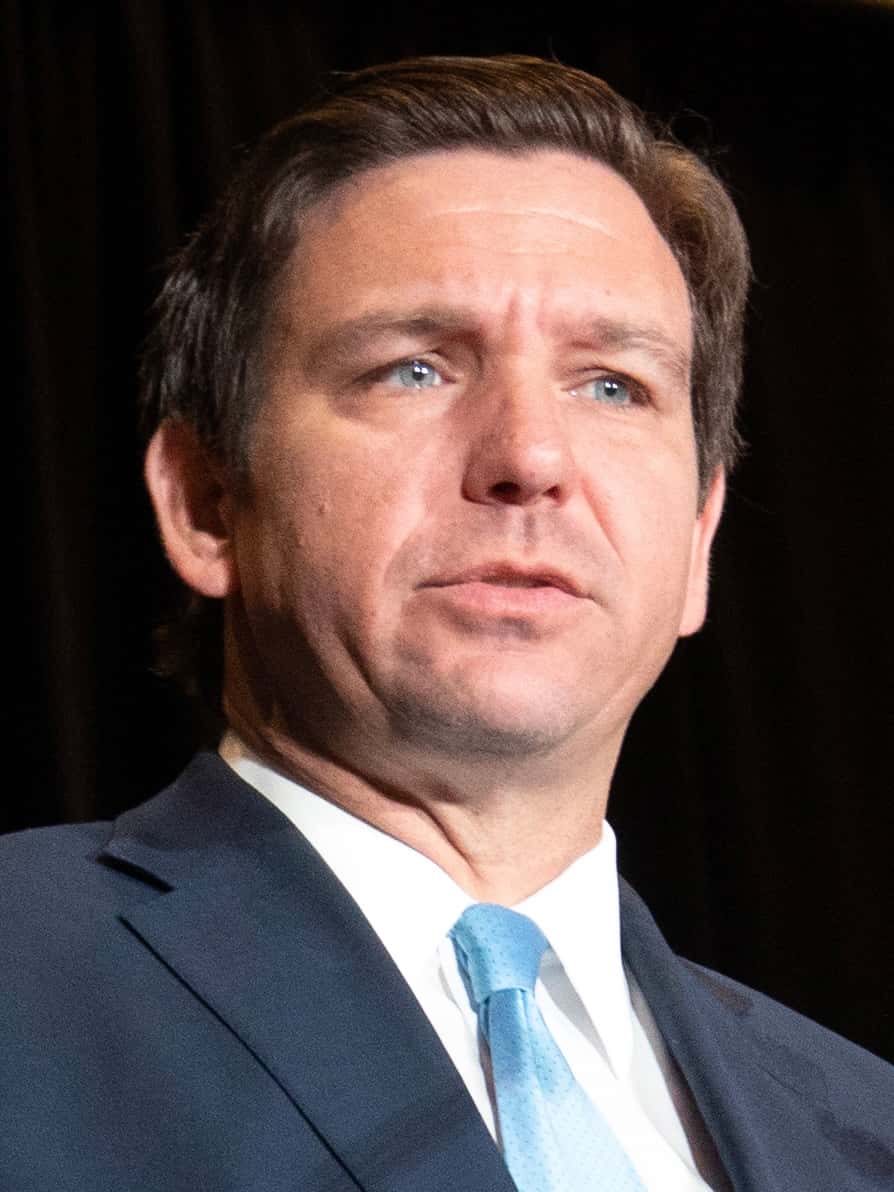
Governor Ron DeSantis has signed Florida's Fiscal Year 2026-2027 state budget, a $117.6 billion spending plan that took effect July 1, 2026, and delivers a package of tax breaks aimed squarely at families, schools, and drivers. The Governor's office framed the plan as the fourth consecutive year of declining state spending, a milestone it tied to what it called nearly eight years of fiscal discipline. For Floridians, the practical stakes are immediate: classroom dollars, road projects, and a bundle of sales tax holidays that shape household budgets from the school year through the holidays.
The signing capped a budget cycle that ran into a special session earlier in 2026 before lawmakers settled on the final figure. The plan is smaller than the spending level the state carried at the height of its post-pandemic surpluses, a point the administration highlighted as evidence of restraint. Supporters cast the reduction as prudent stewardship of a slowing revenue picture, while critics questioned whether trimming outlays would strain services that many residents rely on.
Beyond the top-line number, the budget travels with a companion tax package that reshapes several recurring consumer breaks. Some sales tax holidays that Floridians had come to expect year to year are now permanent fixtures in state law. Other provisions target hurricane resilience and back-to-school costs, two pressures that weigh heavily on households.
A $117.6 Billion Plan Takes Effect
The $117.6 billion budget covers the fiscal year that began July 1, 2026, and runs through June 30, 2027. According to the Governor's office, the plan continues record investments in education, infrastructure, public safety, environmental conservation, and economic opportunity while lowering overall spending for a fourth straight year. The administration also emphasized debt reduction and what it called record reserves, positioning the state to absorb shocks from storms or an economic downturn.
State officials said the budget maintains a strong savings cushion, a recurring theme in the Governor's messaging on fiscal management. Reserves matter in Florida in a way they do not in every state, because a single major hurricane can force emergency spending on debris removal, shelter operations, and rebuilding. Keeping money in reserve, the administration argued, protects taxpayers from having to raise revenue in the middle of a crisis.
The path to the final number was not smooth. Lawmakers and the Governor's office spent months negotiating priorities, and the process stretched into a special session before the two chambers reconciled their differences. The result reflects compromises across education, transportation, and health care.
The Veto Total and What It Cut
DeSantis issued a round of line-item vetoes before signing the plan, striking spending that lawmakers had tucked into the budget for their home districts. The exact size of those vetoes has been reported differently depending on the source. The Governor's office cited nearly $810 million in line-item vetoes, while some outlets reported a higher figure closer to $1.6 billion. Readers should treat the total as a range rather than a single settled number until the state publishes its final veto list.
Most of the vetoed items were local projects that individual legislators requested, the kind of member spending that governors of both parties have historically trimmed. According to reports, the cuts touched community programs, local infrastructure requests, and assorted appropriations that the administration judged to be lower priorities. Lawmakers whose projects were struck can seek to revive them in future budgets, though there is no guarantee of success.
The veto exercise is a familiar ritual in Tallahassee, and it doubles as a statement of priorities. By removing hundreds of millions in district-specific spending, the administration reinforced its message of restraint even as it preserved large statewide investments. The difference between the two reported veto totals underscores how much the framing depends on which line items are counted and how they are categorized.
For residents, the veto total is less important than what survived. The budget that took effect keeps the marquee investments in schools, roads, and the environment intact, which means the day-to-day impact on classrooms and commutes flows from what stayed in the plan rather than what came out.
Record K-12 Funding and Teacher Raises
Education remains the single largest piece of the budget, with about $30 billion directed to the K-12 public school system. The Governor's office described the per-student investment as the highest in state history, citing a figure of $9,338 per student. That funding flows to Florida's 67 county school districts, which use it for salaries, operations, transportation, and classroom resources.
Teacher pay drew particular attention. The plan includes roughly $1.56 billion for teacher salaries, and within that total about $200 million is targeted specifically to teachers with 10 or more years of experience. That carve-out responds to a long-running complaint from veteran educators, who have argued that recent raises concentrated on starting salaries while leaving mid-career and senior teachers behind.
Whether the increase is enough remains contested. Critics, including some teacher advocates, said the additional money still falls short of what is needed to keep Florida competitive on pay and to stem turnover in hard-to-staff subjects and regions. Supporters countered that the state has repeatedly raised its education investment and that the new money for experienced teachers addresses a specific gap that earlier budgets left open.
For families, the education numbers translate into the resources their local schools can put toward keeping experienced teachers in the building, staffing classrooms, and funding programs. The salary money in particular could influence whether districts in fast-growing or high-cost areas can hold onto the educators they have already trained.
Roads, Moving Florida Forward, and Drivers
Transportation is the budget's other heavyweight, with a spending plan approaching $16 billion. A significant share is tied to the Moving Florida Forward initiative, the state's push to accelerate major road projects rather than spread them over many years. The idea is to pull construction timelines forward, easing congestion sooner in the corridors where growth has outpaced the road network.
Florida's population boom has strained highways and interchanges across the state, from Interstate 4 in Central Florida to the arteries feeding Tampa Bay, Southwest Florida, and the Southeast metro areas. By front-loading money into these projects, the state aims to shorten the wait for relief on some of its most clogged routes. Drivers in the fastest-growing counties are the most direct beneficiaries.
The transportation budget also funds routine maintenance, bridges, and safety improvements that rarely make headlines but keep the network functioning. For commuters and freight haulers alike, the reliability of these systems affects daily costs and travel times. The state's ports and logistics corridors, which anchor a large share of Florida's economy, depend on the same infrastructure investments.
A Tax Package Aimed at Households
Signed alongside the budget, the companion tax package reshapes several consumer breaks that Floridians encounter throughout the year. The most consequential change is that the back-to-school and disaster-preparedness sales tax holidays are now permanent under state law, rather than being renewed on a year-by-year basis. The Governor's office cast the permanence as certainty for families who plan purchases around these windows.
The back-to-school holiday runs from July 20 to August 20, 2026, a full month during which qualifying clothing, school supplies, learning aids, and personal computers are exempt from sales tax. For families with multiple school-age children, the savings on a month of qualifying purchases can add up quickly. The disaster-preparedness break, meanwhile, lowers the cost of the supplies Floridians stock ahead of hurricane season.
The package also makes permanent a set of exemptions that had drawn broad support, covering baby and toddler products, diapers, sunscreen, insect repellent, and admission to Florida State Parks. Several of those items, from sunscreen to bug spray, are close to necessities in a subtropical climate, and the exemptions reduce recurring costs for households across the state. Making them permanent removes the annual uncertainty over whether the breaks would return.
Taken together, the household provisions form the most visible part of the tax package for ordinary Floridians. Unlike the abstract debate over reserves and veto totals, these are line items that show up on a receipt, and the state estimates the combined breaks will leave meaningful money in consumers' pockets over the course of the year.
Guns, Gear, and Home Hardening
The tax package includes a Second Amendment sales tax holiday running from September 1 to December 31, 2026. During that window, firearms, ammunition, crossbows, and a range of camping and fishing supplies are exempt from sales tax. State estimates put the savings at roughly $40 million. According to reports, the exemption also extends to certain firearm accessories, and it renews a holiday that Florida first adopted in a prior cycle.
A separate and newly created provision offers a home-hardening sales tax refund of up to $500 per eligible residential property. The refund applies to impact-resistant windows and doors purchased between July 1, 2026, and June 30, 2029, a multi-year window that gives homeowners time to plan upgrades. According to legislative analyses, eligibility is tied to homesteaded, site-built homes below a set value threshold, so not every property will qualify.
The home-hardening refund speaks directly to Florida's central vulnerability. Storm-resistant windows and doors can reduce damage during hurricanes and, in some cases, lower insurance premiums, which means the refund doubles as both a tax break and a resilience incentive. For homeowners weighing whether to invest in impact-rated products, the refund lowers the upfront cost of a project that can pay off during the next major storm.
Together, the Second Amendment holiday and the home-hardening refund show the package reaching beyond back-to-school shoppers to hunters, anglers, and homeowners preparing for the next hurricane season. Each provision carries its own eligibility rules, and the state's guidance will govern exactly which purchases qualify.
Reserves, Everglades, and Public Safety
Beyond the marquee items, the budget continues large investments in the environment and public safety. The Governor's office pointed to more than $9 billion committed over time toward Everglades restoration and water quality improvements, part of a long-running effort to repair Florida's signature ecosystem and protect the water supply that millions of residents depend on. Clean water is both an environmental and an economic priority in a state built on tourism and coastal living.
Public safety funding covers law enforcement, first responders, and school safety programs, areas the administration has repeatedly prioritized. In a state exposed to hurricanes and other emergencies, the readiness of first responders is tightly linked to how well communities recover from disasters. The budget's reserves reinforce that readiness by keeping money available for emergency needs.
The administration also emphasized debt reduction as a companion goal to the reserves. Paying down obligations, officials argued, lowers long-term costs and strengthens the state's financial position. Together, the reserves, debt reduction, and environmental spending form the backdrop against which the more visible tax breaks and salary increases play out.
What's Next
With the budget now in effect, attention turns to implementation. The back-to-school holiday runs first, from July 20 to August 20, followed by the Second Amendment holiday from September 1 through the end of the year. The home-hardening refund window opened July 1 and extends through mid-2029, so homeowners have time to plan qualifying purchases and gather the documentation the state will require.
The final veto list will clarify the total that DeSantis struck and settle the gap between the roughly $810 million the Governor's office cited and the higher figure some outlets reported. Lawmakers whose local projects were cut may look to restore them when the next budget cycle begins, setting up a fresh round of negotiation in Tallahassee.
For families, the most immediate effects will show up at the checkout counter and in local schools. As districts put their share of the $30 billion education allocation to work and shoppers take advantage of the permanent sales tax holidays, the budget's real-world impact will become clearer over the months ahead. The state's guidance on each tax provision will govern the fine print, and Floridians planning big purchases should confirm the current rules before they buy.
Spotted an issue with this article?
Have something to say about this story?
Write us a letterComments
No comments yet. Be the first to weigh in.
Related Coverage

Florida ordered license plate readers off state roads, but Palm Beach County's sheriff kept his
1h ago

Florida mistakenly released two Deportation Depot detainees, then returned them to custody
2h ago

Clearwater approves $7.5 million FrankCrum settlement over erased Black cemetery as residents seek resolution
4h ago

Byron Donalds calls for a multi-tier property tax system beyond Amendment 3
5h ago