Universal's Epic Universe Marks One Year as Orlando's Theme Park War Reshapes the Region
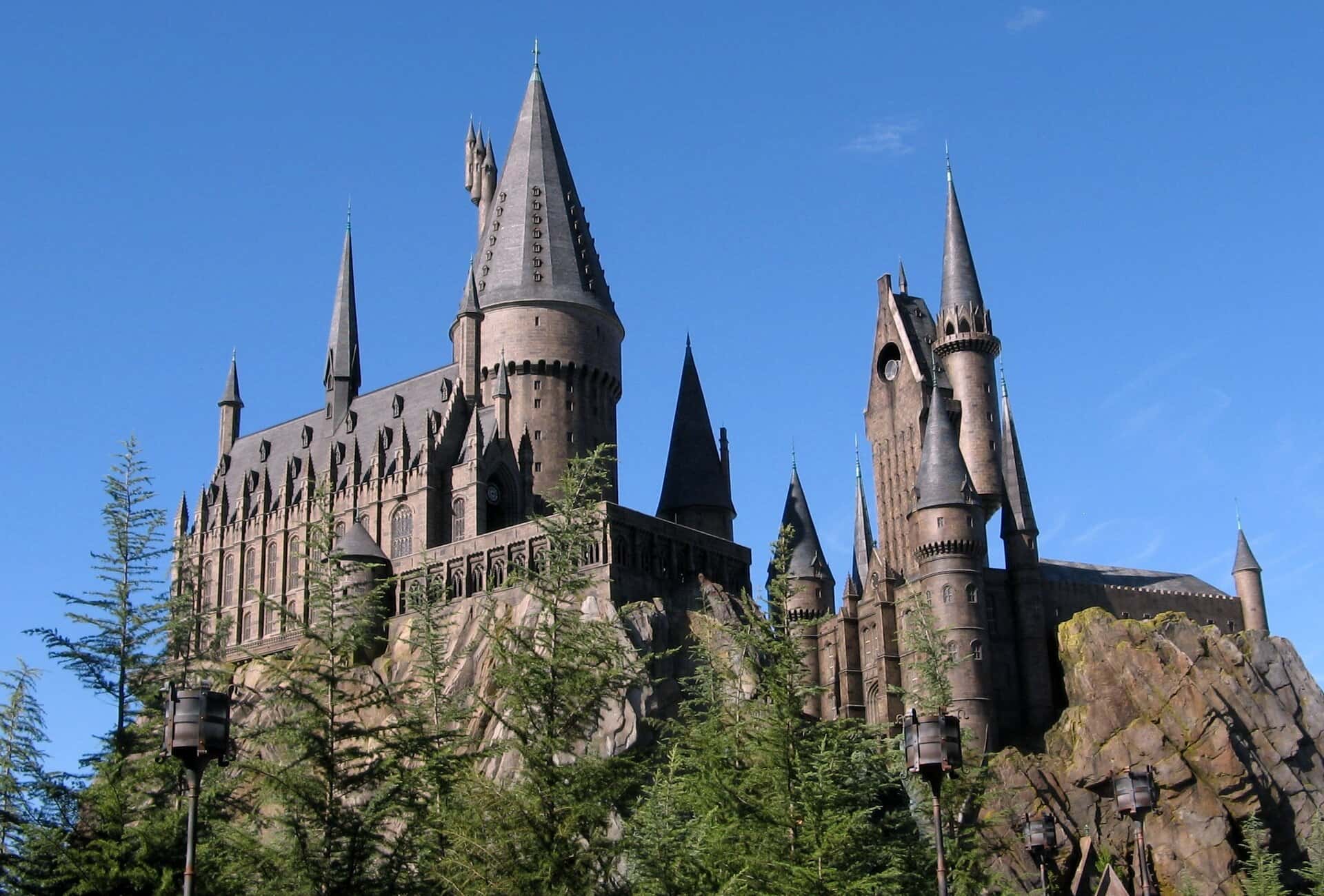
Universal Orlando's Epic Universe has marked its first year of operation, a milestone for the most significant addition to the theme park capital of the world in a quarter century. When Epic Universe opened, it became the first major new park to debut in the Orlando area in 25 years, a development that reshaped the competitive landscape of Central Florida tourism and forced even Disney to recalibrate its expectations. One year in, the park is settling into its role as a permanent fixture in a region that draws tens of millions of visitors annually.
The anniversary arrives with Universal continuing to evolve the park, refine the guest experience and lean into a summer slate built around Hollywood spectacle. The first year offered lessons about what works and what needed adjustment, and the park enters its second year with changes designed to smooth the experience and keep visitors coming back to a region where competition for tourist dollars is fierce.
A landmark first year
Epic Universe represented a major bet by Universal, a sprawling new gate intended to transform the resort from a multi-day destination into a true rival to the scale of its competitors. Its opening as the first major new Orlando park in 25 years was a genuine event in an industry where new parks are rare and enormously expensive, and the first year served as the proving ground for whether the investment would pay off.
Over its initial 12 months, the park drew the crowds and attention that such a debut commands, and Universal has spent the year tuning the experience based on real-world operation. Among the developments has been the introduction of an open hub concept for the park's central area, Celestial Park, allowing more flexible access and reflecting the kind of operational adjustment common as a new park matures from its opening configuration.
The park has also continued to add to its lineup of experiences and characters, keeping the offering fresh for repeat visitors. That steady evolution is characteristic of how major parks operate, layering in new elements to give guests reasons to return rather than treating the opening-day configuration as final.
The Orlando theme park war
Epic Universe's debut intensified the long-running rivalry between Universal and Disney, the two giants that anchor Central Florida tourism. The arrival of a major new Universal gate represented a direct challenge to Disney's dominance, expanding Universal's footprint and giving visitors a compelling reason to allocate more of their Orlando trip, and their budget, to Universal properties.
Disney, for its part, has signaled that it views the disruption as part of the normal competitive landscape and believes the biggest effects of Epic Universe's opening may already be easing. That framing suggests Disney sees the new competition as significant but manageable, a recalibration rather than an existential threat, even as it adjusts to a marketplace where Universal's presence has grown.
The competition ultimately benefits Central Florida by deepening its appeal as a destination. More world-class attractions give visitors more reasons to choose Orlando over competing destinations, and the rivalry pushes both companies to invest, innovate and improve. For a regional economy built on tourism, a healthy contest between its two anchors is a feature, not a bug.
The Florida context
Tourism is the lifeblood of Central Florida and a pillar of the statewide economy. The theme parks employ tens of thousands of workers, drive demand for hotels, restaurants and transportation, and generate tax revenue that ripples through state and local budgets. A new park of Epic Universe's scale adds capacity to that engine, supporting jobs and spending across the region.
The Orlando area's identity as the theme park capital of the world rests on the concentration of major attractions, and Epic Universe reinforced that status by adding a marquee gate to an already dense cluster. The park's first year is therefore not just a corporate milestone but an economic one, expanding the region's capacity to attract and serve visitors.
Florida's tourism economy does face headwinds, including the cost of travel and shifts in international visitation, factors that Disney has cited in discussing its own outlook. The performance of Epic Universe and the broader Orlando market is tied to those larger trends, and the parks' fortunes are a useful barometer of the health of Florida's most important visitor-driven industry.
Summer spectacle and the road ahead
As Epic Universe enters its second year, Universal Orlando is leaning into a summer program built around the golden age of the Hollywood blockbuster, with a particular spotlight on the films of Steven Spielberg. The centerpiece is an exhibit celebrating Spielberg's blockbusters at Universal Studios Florida, highlighting props and behind-the-scenes stories from some of his most iconic films, a draw aimed at the peak summer travel season.
That programming reflects Universal's broader strategy of using its film heritage as a competitive asset, translating cinematic intellectual property into immersive park experiences. The summer slate is designed to maximize attendance during the busiest travel months and to give visitors fresh reasons to plan an Orlando trip around Universal properties, including Epic Universe.
Universal's ambitions extend beyond Orlando, with the company developing new destinations elsewhere, but Epic Universe remains the flagship of its recent expansion. The park's continued evolution, from operational tweaks like the open hub concept to new attractions and seasonal programming, will shape its trajectory and its impact on the regional market in the years ahead.
What it means for Floridians
For Central Florida residents, the parks are both an economic engine and a part of daily life. Many Floridians work in the tourism industry or in businesses that depend on it, and the addition of Epic Universe has expanded employment and economic activity in the region. The parks also offer recreation for residents themselves, many of whom hold annual passes and visit regularly.
For the statewide economy, the health of the Orlando theme park market is a meaningful indicator. Tourism generates substantial state revenue, and the performance of the marquee parks influences everything from hotel occupancy to airport traffic. A thriving, competitive theme park sector strengthens one of Florida's most important economic pillars.
For visitors, including Floridians planning a getaway, the intensified competition means more choices and more investment in attractions. The rivalry between Universal and Disney pushes both to improve, which benefits guests through new experiences and ongoing enhancements to existing ones, even as the cost of a theme park vacation remains a real consideration for many families.
The economics of a new theme park
Building a major theme park is among the largest investments a company can make in the entertainment industry, requiring years of planning and billions of dollars in capital. Epic Universe represented exactly that kind of commitment, a bet that the Orlando market could support another major gate and that drawing visitors to a new park would generate returns over decades. The first year was the initial test of whether that enormous investment would pay off.
The payoff extends well beyond ticket sales at the new park itself. A new gate encourages visitors to extend their stays, book more hotel nights and spend more across a resort's properties, increasing the total value of each visit. For Universal, Epic Universe was designed to transform its Orlando operation into a destination capable of filling a multi-day vacation on its own, capturing a larger share of visitors' time and spending in a market it had long shared with a larger rival.
The competitive response from the established players is part of the calculation. A new park of significant scale shifts the dynamics of the entire market, prompting rivals to defend their share through their own investments and offerings. That competitive pressure benefits the region overall by driving continued investment, but it also means each company must continually spend to maintain its position in an increasingly crowded and sophisticated market.
For the workforce, the economics translate into thousands of jobs, from the construction phase through ongoing operations. A major park employs a large staff across operations, hospitality, maintenance, entertainment and administration, and the addition of Epic Universe expanded that employment base. The park's continued success sustains those jobs and supports the broader employment ecosystem that tourism anchors in Central Florida.
The park's first year also offered lessons about operating at the scale of a modern major theme park, where managing crowds, optimizing the guest experience and integrating new technology are constant challenges. The introduction of an open hub concept for the central area and the deployment of new systems reflect the kind of operational refinement that distinguishes a maturing park from a newly opened one. Those adjustments, informed by a year of real-world operation, position the park to improve in its second year.
For Central Florida, the broader significance lies in the reinforcement of the region's status as the premier theme park destination in the world. The addition of a major new gate deepens the concentration of world-class attractions that defines the area and strengthens its appeal against competing destinations elsewhere. That concentration is a durable competitive advantage that the arrival of Epic Universe has only enhanced.
What's next
Epic Universe's second year will test whether the park can sustain the momentum of its debut and convert first-year visitors into repeat guests. The summer programming and ongoing additions are aimed at exactly that, and the park's performance will be watched closely as a measure of Universal's broader expansion strategy and of the Orlando market's vitality.
The competitive dynamic with Disney will continue to define the region, with both companies investing to capture visitor attention and spending. For Central Florida, that contest is a source of economic strength, driving the continued evolution of the destination that bills itself as the theme park capital of the world. One year after its opening, Epic Universe has established itself as a central player in that ongoing story.
Spotted an issue with this article?
Have something to say about this story?
Write us a letterComments
No comments yet. Be the first to weigh in.
Related Coverage

St. Pete Pride Asks Supporters to Raise $289,000 by Nov. 30 to Erase Its Deficit Before the 25th Anniversary
20h ago

Joe Redner, Tampa's 'Strip Club King' and longtime courtroom combatant, dies at 86
4d ago

SeaWorld Orlando closes Mako after fatal fall on similar Georgia coaster
4d ago

Orlando Approves $12.6 Million Pulse Memorial Contract, With Construction Set to Begin Nov. 25
6d ago