Universal's Epic Universe Powers a Strong Summer for Central Florida Theme Parks
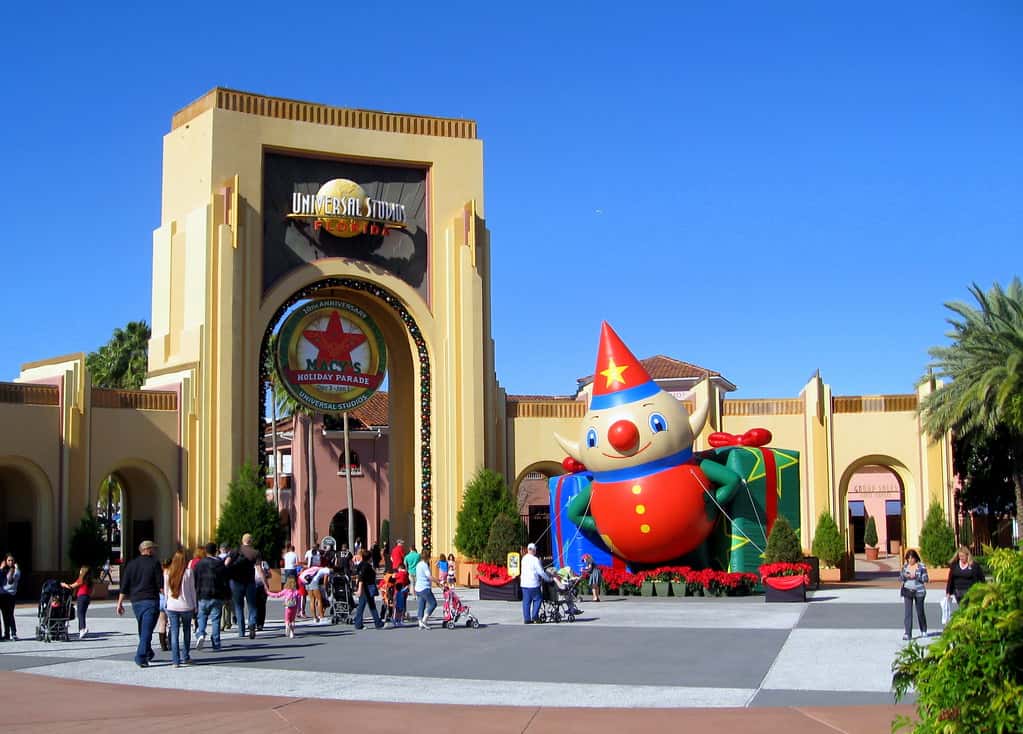
Central Florida's theme park rivalry has entered a new era, and Universal's Epic Universe sits squarely at the center of it. More than a year after opening, the sprawling new park is drawing strong crowds, lifting attendance across the broader Universal Orlando resort, and reshaping vacation planning for the millions of visitors who flock to the region each year in search of marquee entertainment.
Universal's corporate leadership has described Epic Universe's performance in glowing terms, saying the park has done everything the company wanted, including boosting attendance, increasing guest spending, and lengthening the average vacation stay. The park was also recognized on a prominent list of the world's greatest places for 2026, cementing its status as a marquee destination that has helped redraw the competitive map of the global theme park industry.
For Orlando, the dynamic is reshaping a tourism economy that ranks among the most visited in the world. The arrival of a major new park has expanded the region's appeal, intensified competition with Walt Disney World, and given families more reasons to extend their trips, with effects rippling outward through hotels, restaurants, and the broad hospitality sector that employs hundreds of thousands of Central Florida residents.
Epic Universe finds its footing
Since opening, Epic Universe has established itself as a must-see destination for theme park enthusiasts, with the park reporting some of its busiest days and longest wait times during peak periods. Strong demand has translated into the kind of attendance and guest spending figures that justify the enormous investment behind the project, which represented one of the largest single bets in the history of the theme park business.
The park's themed lands and headline attractions have drawn enthusiastic reviews and steady social media buzz, helping Universal capture attention in a market long dominated by Walt Disney World. Recognition on a global list of top destinations has further raised its profile with both international and domestic travelers, drawing visitors who might previously have defaulted to a Disney-centered trip to Orlando.
Summer historically brings the heaviest crowds to Orlando, and June ranks among the busiest months at Universal's parks alongside July and certain holiday periods. Visitors planning trips during the peak season are advised to arrive early, take advantage of available planning tools and express options, and prepare for high wait times at the most popular rides during the middle of the day.
How Disney is responding
The competitive pressure from Epic Universe has been felt across town at Walt Disney World, which navigated a period of adjustment as the new park drew attention and visitors during its opening stretch. Disney executives have struck a more confident tone heading deeper into 2026, signaling that the initial disruption from the new competition may be easing as the market absorbs the additional capacity.
Company leadership has indicated that the headwinds associated with the new competition are expected to ease in the coming quarters, suggesting Disney believes it can stabilize and grow its position. The resort continues to invest heavily in new attractions, entertainment, and experiences designed to keep drawing guests in a market that is now more crowded and contested than it has been in decades.
For consumers, the rivalry can be a genuine benefit, spurring both resorts to enhance their offerings, add attractions, and compete more aggressively on value and convenience. A more contested market gives families more options across the region, and the competition pushes both companies to keep raising the bar on the experiences they provide to visitors.
What it means for Orlando tourism
Orlando's economy is deeply tied to its theme parks, which anchor a tourism industry that supports hundreds of thousands of jobs and draws tens of millions of visitors annually from across the country and around the world. A thriving new park strengthens the region's overall appeal and can lengthen the typical visit, boosting spending across hotels, dining, retail, and attractions throughout the metropolitan area.
Longer stays and higher guest spending benefit hotels, vacation rentals, restaurants, and the many smaller attractions that orbit the major parks. The Orange County Convention Center and the broader hospitality network also feed off the steady flow of visitors drawn to Central Florida, reinforcing Orlando's position as a destination that can fill rooms and restaurants throughout the year.
The expansion of the region's theme park capacity helps Orlando maintain its standing as a premier global destination, competing with other major tourism markets at home and abroad. That status carries economic weight far beyond the park gates, supporting the region's workforce, generating tax revenue, and underpinning the continued investment that keeps the destination growing.
Tips for summer visitors
Travelers heading to Central Florida this summer should plan carefully for both crowds and heat, each of which peaks during June, July, and August. Early arrivals at the parks, midday breaks during the hottest hours, and evening returns when temperatures ease can make for a more comfortable and efficient visit, helping families avoid the worst of the lines and the heat.
Booking accommodations and tickets in advance, taking advantage of official planning resources and mobile apps, and building flexibility into daily itineraries can help families navigate the busy season more smoothly. Afternoon thunderstorms are a near-daily feature of Florida summers, so visitors should be ready for brief but intense rain and lightning delays that can temporarily close outdoor attractions.
Staying hydrated, applying sunscreen regularly, and pacing the day are practical essentials in the Florida summer climate, where heat and humidity can quickly wear down visitors who try to do too much too fast. Families who plan around the heat and crowds, rather than fighting them, tend to come away with the most enjoyable and memorable trips.
The economic engine beyond the park gates
The reach of Central Florida's theme parks extends far beyond the attractions themselves, rippling through an economy built around hospitality and tourism. Each visitor who extends a stay or spends more during a trip supports a chain of businesses, from the hotels and vacation rentals that house them to the restaurants, shops, and transportation services that fill the spaces between park visits. A stronger overall market lifts that entire ecosystem.
Construction and ongoing operations also generate substantial economic activity. Building and staffing a major new park requires thousands of workers across construction trades, hospitality, entertainment, and support services, and those jobs in turn support spending throughout the region. The investment represents a long-term bet on Central Florida's continued growth as a global destination.
Tax revenue is another significant dimension of the parks' economic footprint. Tourism-related taxes help fund local services and infrastructure, and a growing visitor base expands that base of revenue. Local governments in the Orlando area have long relied on the strength of tourism to support budgets, making the health of the theme park industry a matter of public as well as private interest.
What it means for Central Florida workers
For the workers who power the region's tourism economy, a competitive and growing market can mean more job opportunities and, in a tight labor market, upward pressure on wages and benefits. The hospitality sector employs a large share of Central Florida residents, and the addition of major new capacity expands the demand for everyone from ride operators and culinary staff to hotel housekeepers and entertainers.
At the same time, the cost of living in the Orlando area has risen in recent years, putting pressure on the very workers the industry depends on. Housing affordability in particular has become a challenge for hospitality employees, a tension that local leaders and employers continue to grapple with as the region grows and the demand for labor intensifies.
The long-term health of the workforce will shape the industry's ability to sustain its growth. Attracting and retaining enough workers to staff an expanding set of attractions, hotels, and restaurants is essential, and the region's success will depend in part on whether it can keep the cost of living manageable for the people who make the visitor experience possible.
International visitors and travel trends
International tourism has long been a vital component of Central Florida's visitor economy, drawing travelers from Latin America, Europe, and beyond to the region's parks, hotels, and shopping districts. The strength of that international flow can shift with currency exchange rates, global economic conditions, and travel patterns, and industry leaders watch those trends closely because overseas visitors often stay longer and spend more than domestic day-trippers.
Company executives have signaled that some of the international visitation headwinds seen earlier in the cycle are expected to ease, a positive sign for a region that depends on a steady international audience. As global travel continues to recover and evolve, Central Florida's ability to attract visitors from around the world will remain central to sustaining the momentum that the current theme park boom has generated.
What is next
As the summer travel season builds toward its peak, both Universal and Disney will be competing intensely for visitors, with the long-term trajectory of Orlando tourism riding on their continued investment in new experiences. Industry watchers will track attendance figures, guest spending, and hotel occupancy as bellwethers of the region's economic health through the busy months ahead.
Epic Universe's strong early performance suggests the new park has expanded the overall market rather than simply shifting visitors from one resort to another, a distinction that matters greatly for the region. If that pattern holds, Central Florida stands to benefit from a larger and more dynamic tourism base that can support growth across the entire hospitality sector.
For now, Orlando enters its peak season with real momentum, two competing world-class resorts vying for attention, and a steady stream of visitors arriving from around the world. The summer of 2026 is shaping up as a strong chapter for the destination that has long called itself the theme park capital of the world.
Spotted an issue with this article?
Have something to say about this story?
Write us a letterComments
No comments yet. Be the first to weigh in.
Related Coverage

St. Pete Pride Asks Supporters to Raise $289,000 by Nov. 30 to Erase Its Deficit Before the 25th Anniversary
18h ago

Joe Redner, Tampa's 'Strip Club King' and longtime courtroom combatant, dies at 86
3d ago

SeaWorld Orlando closes Mako after fatal fall on similar Georgia coaster
4d ago

Orlando Approves $12.6 Million Pulse Memorial Contract, With Construction Set to Begin Nov. 25
6d ago