Wildlife Officials Warn Floridians After String of Alligator Attacks, Including Deadly Central Florida Encounter
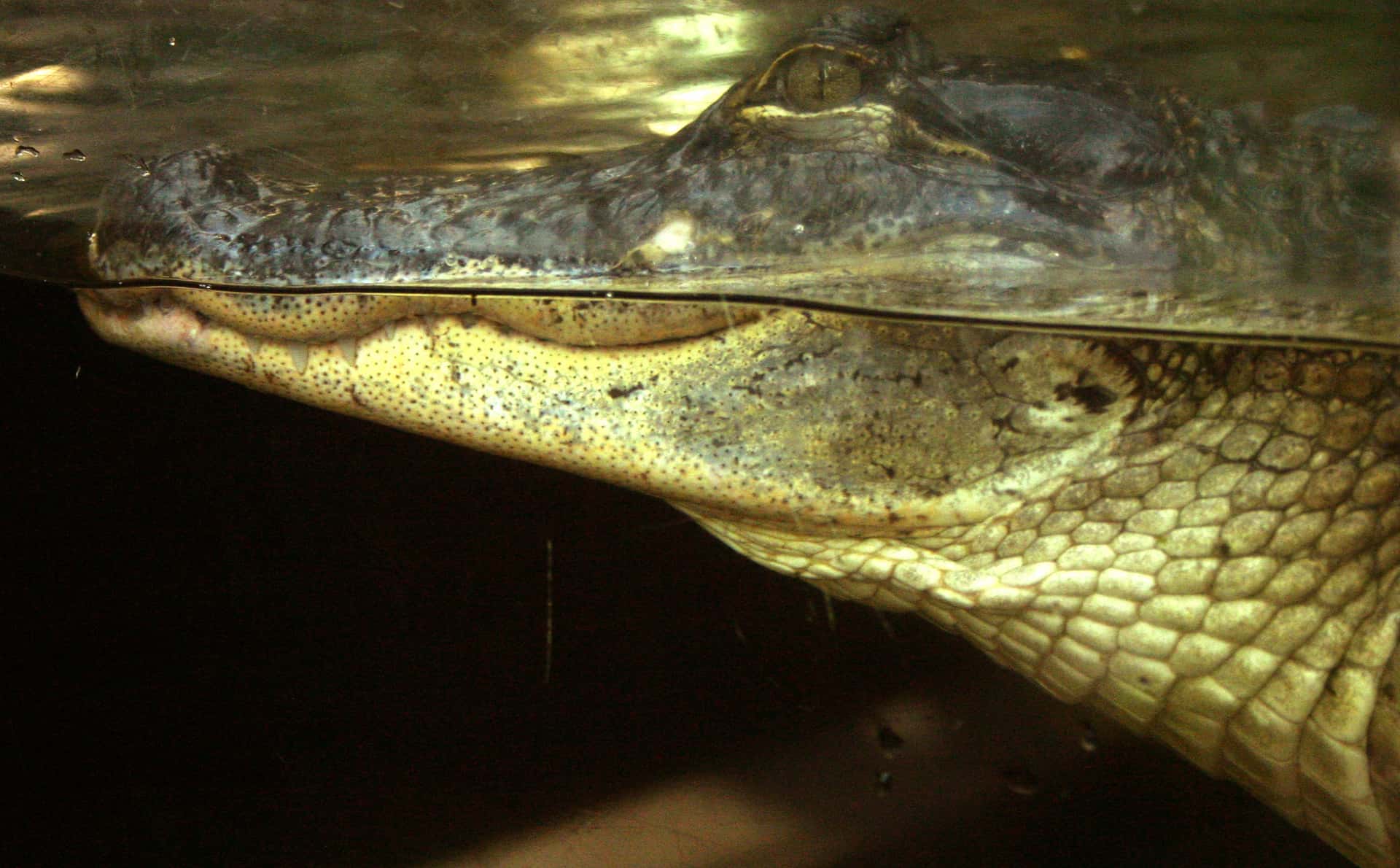
Florida wildlife officials are urging residents and visitors to stay alert around the state's lakes, rivers, and marshes after a string of alligator attacks in Central Florida, including a deadly encounter on the Econlockhatchee River in Seminole County. The Florida Fish and Wildlife Conservation Commission said it was investigating the fatal attack, one of several reported in the region within a short span, as the summer season brings people and alligators into closer contact.
What happened
According to the Florida Fish and Wildlife Conservation Commission, a woman in her early 30s from the Orlando area died after an alligator attacked her while she was in the water near the Econlockhatchee River in Central Florida on the afternoon of Sunday, June 28. Officials said she was with companions at the time and was taken for emergency medical care but did not survive her injuries. The commission, known as the FWC, said it responded to the scene as part of its investigation.
Wildlife officers captured large alligators near the site, and the FWC said laboratory analysis would be needed to determine which animal was responsible for the fatal attack. Investigators indicated that more than one large alligator was recovered in the vicinity, and that confirming the specific animal involved can require forensic testing. Those procedures are standard when authorities work to identify an alligator tied to an attack.
The fatal encounter was reported alongside at least one other alligator attack in Central Florida within a roughly 24-hour window, including a separate incident in which a child was bitten while fishing in another county. Wildlife officials characterized the cluster of incidents as unusual, prompting public warnings. Fatal, unprovoked alligator attacks remain rare in Florida despite the state's large alligator population.
The Florida context
Florida is home to a large population of American alligators that inhabit fresh and brackish waters across much of the state, from the Everglades to Central Florida's lakes and rivers. Encounters between people and alligators increase during the warmer months, when alligators are more active and when residents and visitors spend more time near and in the water. Wildlife officials routinely issue seasonal reminders about that heightened activity.
Despite the animals' abundance, fatal attacks are uncommon. Wildlife authorities have documented a relatively small number of deadly, unprovoked alligator attacks over the decades since the state began keeping records in the mid-20th century, a figure that underscores how rare such fatalities are relative to the millions of interactions that occur without incident. That context does not diminish the tragedy of an individual death, but it frames the overall risk.
The FWC manages alligator populations through a combination of research, nuisance-alligator programs, and public education. When an alligator is deemed a threat to people, the agency can dispatch contracted trappers to remove it. The balance between conserving a native species that plays an important ecological role and protecting public safety is a long-standing feature of wildlife management in Florida.
Central Florida's geography helps explain why the region so often sits at the center of these encounters. The area is laced with springs, sloughs, and slow-moving rivers, and decades of residential growth have placed neighborhoods, parks, and recreation areas within easy reach of that water. As development expands into what were once undeveloped wetlands, the boundary between human spaces and alligator habitat grows less distinct, and everyday activities can unfold near waters that support large animals.
Safety guidance from wildlife officials
Wildlife officials consistently advise Floridians to swim only in designated areas during daylight hours and to avoid the water at dusk, dawn, and night, when alligators are most active. They also warn against swimming in areas with known alligator activity and recommend keeping a safe distance from any alligator seen in or near the water. These are standard elements of the FWC's public guidance during alligator season.
Officials further caution residents never to feed alligators, an act that is illegal in Florida because it causes the animals to associate people with food and lose their natural wariness. Pet owners are urged to keep dogs and other animals away from the water's edge, since alligators can perceive them as prey. Parents are advised to keep close watch on children near any body of fresh water where alligators may be present.
The FWC operates a nuisance-alligator hotline that residents can call to report an alligator believed to pose a threat to people, pets, or property. Reporting concerning animals allows the agency to evaluate and, if warranted, remove them before an encounter occurs. Wildlife officials emphasize that most alligators will avoid humans and that maintaining distance is the single most effective precaution.
Much of that guidance rests on how alligators behave. The animals are ambush predators that rely on stealth and short bursts of speed, and they are most difficult to spot in low light or in murky water where only the eyes and snout break the surface. Understanding those habits helps explain why officials place so much emphasis on timing and visibility: a person swimming at midday in clear, designated water faces a very different situation from someone entering an unfamiliar river at dusk.
What it means for Floridians
For residents of Central Florida and other regions with abundant fresh water, the recent incidents are a reminder that alligators are a permanent part of the landscape. Lakes, rivers, retention ponds, and canals throughout the state can host alligators, including waters near residential neighborhoods. Awareness of that reality, especially during the active summer season, is central to staying safe.
The incidents also carry weight for Florida's tourism-driven regions, where visitors unfamiliar with local wildlife spend time near natural water bodies. Central Florida in particular draws millions of tourists, many of whom may not appreciate that alligators inhabit waters beyond the state's famous swamps. Public education aimed at both residents and visitors is a recurring priority for wildlife officials.
For families touched by an attack, the human toll is immediate and severe, and such incidents often prompt renewed attention to safety practices and to the management of alligators near populated areas. Communities sometimes respond by seeking additional signage, monitoring, or removal of specific animals, and wildlife officials weigh those requests against conservation considerations.
The ecology of a native predator
The American alligator is often described as a keystone species in Florida's freshwater systems, meaning its presence shapes the broader environment in ways that extend well beyond a single animal. During dry periods, alligators excavate depressions that hold water when surrounding wetlands recede, creating pools that sustain fish, turtles, wading birds, and other wildlife. Those refuges, sometimes called gator holes, help entire communities of plants and animals survive seasonal drought.
The species also occupies a notable place in the history of American conservation. Once heavily hunted and reduced across its range, the alligator recovered strongly under legal protection and became a widely cited example of a species brought back from serious decline. Today the animals are abundant enough to support regulated management in Florida, a status that reflects both the recovery effort and the challenge of coexisting with a large predator whose numbers have rebounded.
That ecological importance is one reason wildlife officials frame alligator management as a question of coexistence rather than elimination. Removing every alligator from Florida's waters is neither feasible nor desirable, given the role the animals play in maintaining healthy wetlands. The task, as the FWC describes it, is to manage the specific animals and situations that pose a genuine risk while leaving intact a species that helps define the state's natural character.
Managing risk in alligator country
Living safely alongside alligators is a familiar challenge in Florida, and wildlife officials frame it as a matter of informed behavior rather than fear. The vast majority of the state's alligators pose no threat to people who keep their distance, avoid feeding them, and follow basic precautions around the water. Education campaigns aim to make those precautions second nature for residents and visitors alike.
Property owners near lakes and ponds can reduce risk by keeping vegetation trimmed at the water's edge, refraining from leaving food or fish scraps near the shore, and supervising pets and children closely. Anglers and paddlers are advised to remain aware of their surroundings and to avoid dangling limbs in the water in areas where alligators are known to be present. These habits lower the odds of a dangerous encounter.
When the FWC removes a nuisance alligator, it does so under a program designed to address animals that have lost their fear of humans or that pose a demonstrable threat. That targeted approach allows the state to protect public safety while conserving a species that is integral to Florida's freshwater ecosystems. The recent cluster of attacks is likely to reinforce both the removal effort and the public-education message.
Coexistence as a long-term challenge
The recent incidents highlight a broader reality that Florida has faced for generations: a growing human population sharing the landscape with an established wild predator. As neighborhoods, parks, and recreation areas continue to expand near fresh water, the number of opportunities for people and alligators to cross paths tends to rise, even as the individual risk of any single encounter turning dangerous remains low. Managing that arithmetic is an ongoing task rather than a problem with a fixed solution.
Wildlife officials and researchers continue to study alligator behavior, movement, and population trends to inform how the state responds. That work helps guide decisions about where to focus public education, how to prioritize nuisance reports, and how to communicate risk without stoking undue alarm. For a state whose identity is closely tied to its wetlands and wildlife, striking that balance is both a practical necessity and a reflection of long-standing values around conservation.
What's next
The FWC's investigation into the fatal Econlockhatchee River attack continues, including the forensic work needed to confirm which alligator was responsible. The outcome of that analysis will inform how the agency handles the captured animals. Investigations of this kind typically proceed methodically, with the agency releasing findings as they are confirmed.
Wildlife officials are likely to sustain their public-safety messaging through the remainder of the warm season, when alligator activity and human recreation both peak. Residents can expect continued reminders to swim in designated areas during daylight, avoid the water at night, refrain from feeding alligators, and report animals that appear to threaten people or pets.
For Floridians, the practical response is to internalize those precautions as summer continues. The recent incidents are a sobering reminder that the state's waterways are shared with a formidable native predator, and that a few consistent habits, distance, daylight, and awareness, remain the best protection against a rare but serious danger.
Spotted an issue with this article?
Have something to say about this story?
Write a letter to the editorComments
No comments yet. Be the first to weigh in.
Related Coverage
Florida Anglers Get a 14-Day Fall Atlantic Red Snapper Season Starting Oct. 9
11h ago

King Tides Swamp South Florida Streets and Shut Down Two Miles of A1A
1d ago
Everglades Restoration Delivers Record Freshwater Flows Even as Drought Grips South Florida
1d ago

Florida Wildlife Officials Identify Northeast Florida Algae Bloom as a Lower-Toxin Species, Not Red Tide
2d ago